Where to Spot Lions and Leopards in Uganda
November 4, 2026
Why Uganda is the Best for First-Time Travelers
November 4, 2026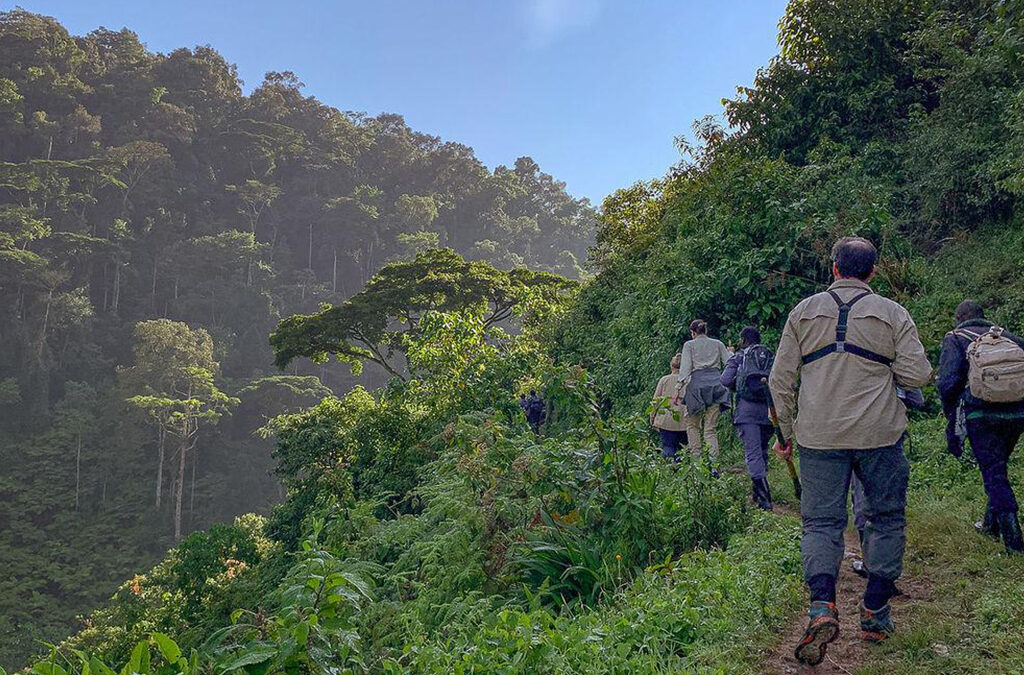
The best hiking trips in Uganda offer an incredible combination of mountain adventures, beautiful landscapes, wildlife encounters and cultural experiences. From climbing the snow-capped peaks of the Rwenzori Mountains to exploring Mount Elgon’s enormous caldera, Uganda has hiking opportunities for experienced mountaineers and travellers looking for rewarding day walks.
Although Uganda is internationally famous for mountain gorilla trekking, its mountains and hiking trails deserve equal attention. Here, you can walk through ancient rainforests, climb extinct volcanoes, explore bamboo forests and discover spectacular waterfalls. Along the way, you may encounter colourful birds, monkeys, rare mountain vegetation and welcoming local communities.
Whether you prefer a challenging multi-day expedition or a relaxed countryside walk, hiking in Uganda offers something memorable. At Experiya Tour Company, we help travellers discover these experiences through carefully planned hiking adventures, combining professional guides, comfortable accommodation and opportunities to explore Uganda’s natural beauty.
1. Rwenzori Mountains: Uganda’s Ultimate Hiking Adventure
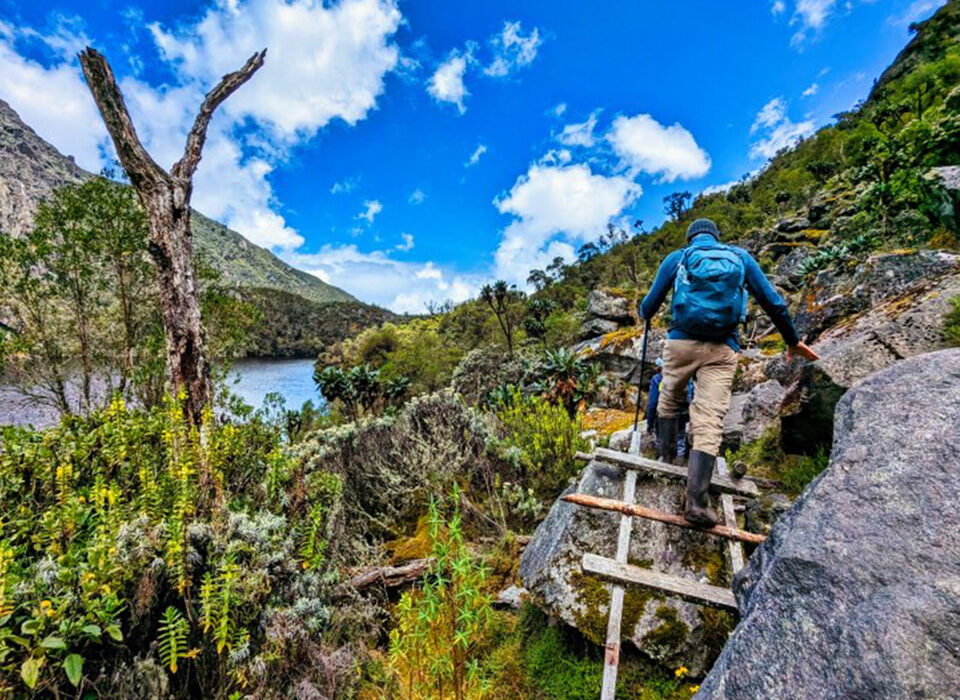
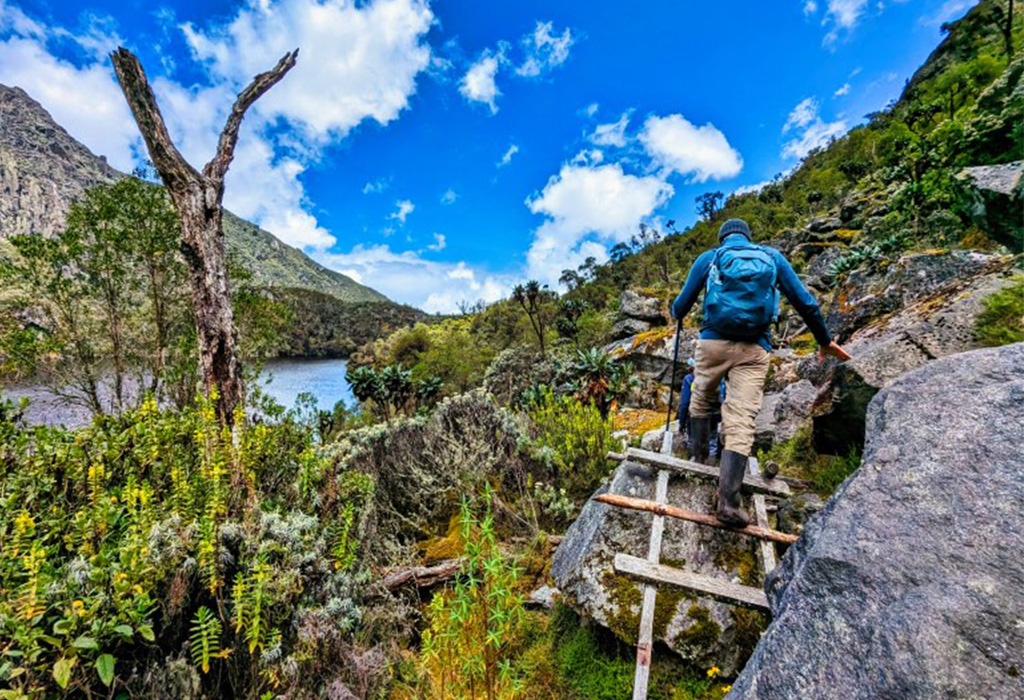
For serious hikers and mountaineers, the Rwenzori Mountains offer one of the most rewarding hiking experiences in Africa. Often called the Mountains of the Moon, this spectacular mountain range lies along Uganda’s western border with the Democratic Republic of Congo.
The range rises to 5,109 metres at Margherita Peak on Mount Stanley, making it Uganda’s highest point and Africa’s third-highest mountain summit. Unlike many African mountains, the Rwenzoris feature permanent glaciers, dramatic valleys, alpine vegetation and challenging terrain.
A typical Rwenzori expedition takes between seven and ten days, depending on the route and summit objective. As you climb, the scenery changes dramatically, taking you through montane forests, bamboo zones, giant heather, boggy valleys and rocky alpine landscapes.
The two main trekking routes are:
-
Central Circuit: A popular route through the Mubuku and Bujuku valleys, usually taking seven to nine days for a summit expedition.
-
Kilembe Trail: A scenic southern approach that generally takes eight to ten days, passing through beautiful mountain valleys.
Reaching Margherita Peak requires technical mountaineering skills and specialised equipment, including crampons, ropes, an ice axe and a harness. Experienced mountain guides accompany climbers throughout the expedition.
However, you do not need to reach the summit to appreciate the Rwenzoris. Shorter hikes, including the Mahoma Loop, provide opportunities to explore the mountain scenery without undertaking a demanding climbing expedition.
2. Mount Elgon: Explore Africa’s Largest Volcanic Caldera
Mount Elgon is another outstanding destination for hiking in Uganda. Located along the Uganda-Kenya border, this extinct volcano is famous for its enormous caldera, beautiful forest landscapes and diverse mountain vegetation.
Its highest point, Wagagai Peak, stands at 4,321 metres above sea level. Unlike the Rwenzoris, Mount Elgon does not require technical climbing equipment for its standard hiking routes, making it an excellent choice for travellers interested in multi-day mountain trekking.
Most expeditions take between four and six days, depending on the chosen trail and itinerary.
The main hiking routes include:
-
Sasa Trail: A relatively direct route with a steep initial ascent and impressive views.
-
Sipi Trail: A scenic approach from the Sipi Falls area, offering beautiful landscapes.
-
Piswa Trail: A more gradual route through forest and open mountain terrain.
During the climb, hikers explore caves, waterfalls, moorlands and the spectacular caldera. You may also encounter mountain birds, small mammals and unusual plants adapted to high-altitude environments.
Mount Elgon is particularly suitable for travellers seeking a rewarding mountain adventure without the technical challenges of glacier climbing.
3. Mount Muhabura: A Challenging Virunga Volcano Hike
Mount Muhabura is one of Uganda’s most exciting destinations for challenging day hikes. Located within Mgahinga Gorilla National Park, this impressive volcano rises approximately 4,127 metres above sea level.
Its name is commonly translated as “the guide”, and the mountain offers spectacular views across the Virunga ranges, neighbouring Rwanda and the surrounding countryside.
The climb is demanding, with steep slopes, loose volcanic rocks and a considerable elevation gain. Most hikers should prepare for approximately eight hours or more of walking, depending on their fitness and trail conditions.
At the summit, a beautiful crater lake rewards those who complete the climb. On clear days, the surrounding volcanic peaks create an unforgettable mountain panorama.
Because of the altitude and steep terrain, proper preparation is essential. Start early, carry sufficient drinking water and follow your ranger’s instructions throughout the hike.
4. Mount Sabyinyo: Stand in Three Countries at Once
Mount Sabyinyo is among the most distinctive volcanoes in the Virunga Mountains. Its name means “old man’s teeth”, referring to its rugged, jagged summit, which resembles worn teeth.
Standing approximately 3,669 metres high, the mountain sits at the meeting point of Uganda, Rwanda and the Democratic Republic of Congo.
One of the most exciting aspects of climbing Sabyinyo is reaching its third summit, where hikers can stand at the intersection of three countries. Few hiking experiences in Africa offer such a remarkable geographical highlight.
The climb generally takes seven to nine hours and involves steep sections, muddy trails and wooden ladders installed along challenging ridges.
Although the hike does not require technical mountaineering equipment, good fitness, confidence and suitable hiking boots are important.
For travellers visiting Mgahinga Gorilla National Park, Sabyinyo offers an excellent opportunity to combine mountain hiking with gorilla trekking or golden monkey tracking.
5. Mount Gahinga: A Beautiful Volcano for Nature Lovers
If you want to experience Uganda’s volcanic landscapes without attempting one of the most demanding climbs, Mount Gahinga is an excellent option.
Located in Mgahinga Gorilla National Park, Gahinga rises approximately 3,474 metres above sea level. Its name comes from a local word describing small piles of stones collected from farmland.
The hiking trail passes through beautiful bamboo forests, where visitors may hear or spot golden monkeys in the surrounding vegetation. As you gain altitude, the forest gradually opens towards the mountain’s swampy crater.
The hike generally takes a full day and does not require technical climbing skills. Nevertheless, the altitude and steep sections make reasonable physical fitness important.
Mount Gahinga is particularly attractive to visitors combining hiking with gorilla trekking, golden monkey tracking and cultural experiences around Kisoro.
6. Sipi Falls: Uganda’s Best Scenic Waterfall Hike
Sipi Falls offers one of Uganda’s most beautiful walking experiences, combining waterfalls, village scenery, coffee farms and spectacular viewpoints.
Located on the foothills of Mount Elgon in eastern Uganda, Sipi Falls consists of three impressive waterfalls cascading down rocky cliffs. Their drops measure approximately 85, 75 and 100 metres.
The guided hiking experience takes you along village paths, through coffee gardens and across beautiful countryside. Depending on your route, you can explore all three waterfalls in approximately half a day.
Some of the highlights include:
-
Walking behind the cascading water at selected viewpoints.
-
Enjoying panoramic views of the surrounding plains.
-
Visiting local Arabica coffee farms.
-
Learning traditional coffee-processing methods.
-
Experiencing optional abseiling activities near the waterfalls.
Sipi Falls is suitable for couples, families, photographers and travellers who want an enjoyable outdoor experience without committing to a demanding mountain expedition.
7. Mount Morungole: Hiking and Cultural Encounters in Kidepo
For travellers interested in remote destinations and cultural exploration, Mount Morungole offers a unique hiking experience in northeastern Uganda.
Located near Kidepo Valley National Park, the mountain rises approximately 2,750 metres above sea level and overlooks the spectacular landscapes of Karamoja.
The main attraction is the opportunity to encounter the Ik community, one of Uganda’s smaller indigenous communities, whose traditional way of life is closely connected to the mountain environment.
The hike can take a full day and involves walking through rugged terrain, steep slopes and remote mountain settlements.
Along the way, visitors enjoy beautiful views of the surrounding valleys and learn about local traditions, livelihoods and cultural practices.
Combining a Mount Morungole hike with wildlife viewing in Kidepo Valley National Park creates an excellent adventure for travellers seeking something beyond conventional Uganda safaris.
8. Bwindi Impenetrable Forest: Buhoma to Nkuringo Hiking Trail
Bwindi Impenetrable National Park is famous for mountain gorilla trekking, but it also offers some of Uganda’s most rewarding forest hiking experiences.
One of the most interesting routes connects Buhoma and Nkuringo, crossing the forest’s mountainous landscape from north to south.
The trail takes hikers through thick tropical vegetation, steep slopes and beautiful forest valleys. Along the way, you may encounter monkeys, butterflies and numerous forest bird species.
The hike generally takes a full day, although the duration depends on the weather, walking pace and trail conditions.
Other rewarding forest walks include:
-
River Ivi Trail.
-
Bamboo Trail.
-
Guided community walks around Buhoma.
-
Shorter nature walks through the surrounding forest.
These experiences are ideal for travellers who want to spend more time exploring Bwindi beyond their scheduled gorilla trekking adventure.
9. Top of Murchison Falls: A Short but Memorable Hike
For a shorter hiking experience, the Top of Murchison Falls is an excellent addition to a wildlife safari in northwestern Uganda.
The hike takes visitors close to the point where the River Nile forces its way through a narrow rocky gorge before plunging into the falls.
After enjoying a boat cruise along the Nile, visitors can disembark and follow a guided walking trail towards the top of the waterfall.
The walk typically takes approximately 45 minutes, although the duration depends on the starting point and walking pace.
At the top, you can experience the tremendous force of the water, feel the refreshing spray and enjoy spectacular views of the surrounding landscape.
It is a wonderful opportunity to combine hiking, photography and wildlife viewing during a visit to Murchison Falls National Park.
10. Other Beautiful Hiking Destinations in Uganda
Beyond the major mountains and volcanoes, Uganda has numerous destinations where visitors can enjoy shorter nature walks and scenic hiking experiences.
Some excellent alternatives include:
-
Fort Portal Crater Lakes: Walk through banana plantations and countryside paths while enjoying beautiful views of volcanic crater lakes.
-
Lake Bunyonyi: Explore surrounding hills, traditional villages and scenic lakeside trails.
-
Lake Mburo National Park: Join guided walking safaris to encounter zebras, impalas, elands and other wildlife on foot.
-
Mabira Forest: Discover tropical forest trails, birdlife and fascinating plant species between Kampala and Jinja.
-
Kaniyo Pabidi Forest: Enjoy guided nature walks and opportunities to observe forest birds and primates within the Murchison Falls Conservation Area.
-
Mount Moroto: Explore the rugged mountain landscapes of Karamoja and discover local cultural traditions.
These shorter hiking experiences are particularly suitable for travellers who want to add outdoor activities to their Uganda wildlife safari.
Best Time for Hiking Trips in Uganda
The best time for hiking in Uganda is generally during the drier months, particularly June to August and December to February.
During these periods, trails are often easier to navigate, visibility improves and mountain conditions may be more favourable. This is especially important for demanding hikes in the Rwenzori Mountains and the Virunga volcanoes.
However, Uganda’s mountain environments experience unpredictable weather, meaning rain can occur even during the dry season.
The wetter months, particularly March to May and September to November, bring greener landscapes but can make trails muddy and slippery.
For the best experience:
-
Choose dry-season months for challenging mountain expeditions.
-
Allow extra time for multi-day mountain treks.
-
Carry waterproof clothing regardless of the season.
-
Check local weather conditions before beginning your hike.
-
Remain flexible when planning high-altitude adventures.
How Fit Should You Be for Hiking in Uganda?
Your fitness requirements depend on the mountain or trail you intend to explore.
Some hiking experiences require only basic physical preparation, while others demand excellent endurance and the ability to walk for several consecutive days.
Here is a general guide:
| Hiking experience | Recommended fitness |
|---|---|
| Top of Murchison Falls | Basic |
| Short Sipi Falls walk | Basic to moderate |
| Fort Portal Crater Lakes | Basic to moderate |
| Mount Gahinga | Moderate |
| Mount Morungole | Moderate to good |
| Mount Sabyinyo | Good |
| Mount Muhabura | Very good |
| Mount Elgon | Good to very good |
| Rwenzori Margherita expedition | Excellent |
Before travelling, prepare through regular walking, hill climbing, cycling and stair exercises. For multi-day expeditions, practise walking with a loaded backpack and wear your hiking boots beforehand.
Essential Equipment for Hiking in Uganda
Proper hiking equipment makes a significant difference, particularly when exploring high-altitude mountains and rainforest trails.
For most hiking trips, consider packing:
-
Comfortable, broken-in hiking boots with good grip.
-
Waterproof jacket and trousers.
-
Warm clothing and extra socks.
-
Trekking poles for steep slopes.
-
Gardening gloves and gaiters.
-
Sun protection, including sunglasses and sunscreen.
-
A reusable water bottle.
-
Energy snacks and packed food.
-
A comfortable daypack with a waterproof liner.
-
A headlamp and spare batteries.
-
A basic first-aid kit and personal medication.
For longer Rwenzori expeditions, additional equipment such as warm sleeping bags, technical climbing gear and specialised mountain clothing may be required. Your hiking operator should explain which equipment you need to bring and what can be hired locally.
Safety Tips for Hiking and Mountain Climbing in Uganda
Hiking in Uganda is rewarding, but mountain environments require proper preparation and responsible decision-making.
Altitude sickness is one of the main concerns on high-altitude trails, particularly above 2,500 metres. Symptoms may include headaches, dizziness, nausea and difficulty sleeping.
To enjoy a safer hiking experience:
-
Always hike with an experienced guide or authorised ranger where required.
-
Maintain a comfortable walking pace and avoid rushing.
-
Drink enough water throughout the hike.
-
Inform your guide immediately if you feel unwell.
-
Carry appropriate clothing for changing weather conditions.
-
Follow marked trails and avoid separating from your group.
-
Confirm that your travel insurance covers high-altitude trekking and emergency evacuation.
If altitude-related symptoms worsen, descending is important. Your safety should always take priority over reaching the summit.
Combining Hiking with Gorilla Trekking and Wildlife Safaris
One of the biggest advantages of hiking in Uganda is the opportunity to combine mountain adventures with wildlife experiences.
Instead of spending your entire holiday exploring mountains, you can create a varied itinerary that includes gorilla trekking, chimpanzee tracking, game drives and cultural visits.
For example, a hiking and wildlife holiday could include:
-
Gorilla trekking in Bwindi Impenetrable National Park.
-
Mount Gahinga or Sabyinyo hiking in Mgahinga.
-
Chimpanzee tracking in Kibale Forest.
-
Game drives in Queen Elizabeth National Park.
-
A boat cruise along the Kazinga Channel.
-
Relaxation and village walks around Lake Bunyonyi.
At Experiya Tour Company, we recommend combining activities according to your available time, interests and fitness level. This approach allows you to experience Uganda’s mountains, forests, wildlife and cultures within one memorable holiday.
Frequently Asked Questions About Hiking Trips in Uganda
1. What are the best hiking trips in Uganda?
The best hiking trips include climbing the Rwenzori Mountains, trekking Mount Elgon, exploring the Virunga volcanoes, walking around Sipi Falls and hiking through Bwindi Impenetrable Forest. Your ideal choice depends on your fitness, available time and interests.
2. What is the highest mountain in Uganda?
Mount Stanley in the Rwenzori Mountains is Uganda’s highest mountain. Its highest summit, Margherita Peak, stands at 5,109 metres above sea level.
3. Can beginners go hiking in Uganda?
Yes. Beginners can enjoy Sipi Falls, Fort Portal’s crater lakes, Lake Bunyonyi and the Top of Murchison Falls. Those with reasonable fitness can also consider Mount Gahinga.
4. How many days does it take to climb the Rwenzori Mountains?
A full summit expedition usually takes between seven and ten days, depending on the selected route and climbing conditions. Shorter hiking experiences are available for visitors who do not intend to reach Margherita Peak.
5. Do I need a guide for hiking in Uganda?
Yes, guided hiking is required or strongly recommended on many established mountain and national park trails. Professional guides provide navigation, safety support and valuable information about local wildlife and vegetation.
6. Can I combine hiking with gorilla trekking in Uganda?
Absolutely. Mgahinga Gorilla National Park is particularly suitable because visitors can combine mountain gorilla trekking, golden monkey tracking and volcano hiking. Bwindi also offers excellent opportunities for gorilla trekking and guided forest walks.
7. What is the best month for hiking in Uganda?
June, July, August, December, January and February are generally favourable months for hiking. However, mountain weather can change quickly, so preparation for rain is essential throughout the year.
8. Is hiking in Uganda expensive?
Costs depend on the destination, duration, park fees, guide services, accommodation and transport. Day hikes are generally less expensive than multi-day expeditions involving porters, camping equipment and specialised climbing support.
Plan Your Best Hiking Trip in Uganda with Experiya Tour Company
Uganda offers some of East Africa’s most rewarding hiking adventures, from the challenging glaciers of the Rwenzori Mountains to the beautiful waterfalls of Sipi and the dramatic volcanic peaks of Mgahinga.
Whether you are an experienced mountaineer looking to conquer Margherita Peak or a leisure traveller interested in scenic countryside walks, there is an adventure waiting for you.
At Experiya Tour Company, we organise tailor-made hiking trips in Uganda, combining knowledgeable local guides, reliable transport, suitable accommodation and carefully selected outdoor experiences.
You can also extend your hiking holiday with mountain gorilla trekking, chimpanzee tracking, wildlife safaris and cultural encounters.
Contact Experiya Tour Company to plan your Uganda hiking adventure and discover the country’s mountains, forests, waterfalls and unforgettable natural landscapes.