Gorilla Trekking Travel Guide for Luxury Travelers
November 4, 2026
Gorilla Trekking vs Traditional Safari
November 4, 2026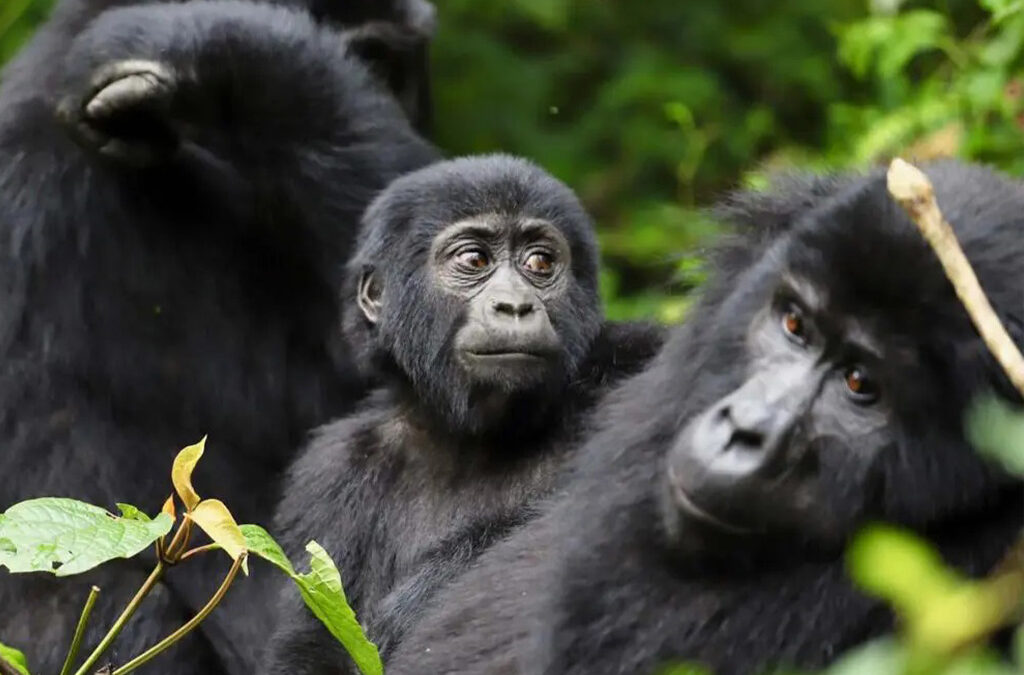
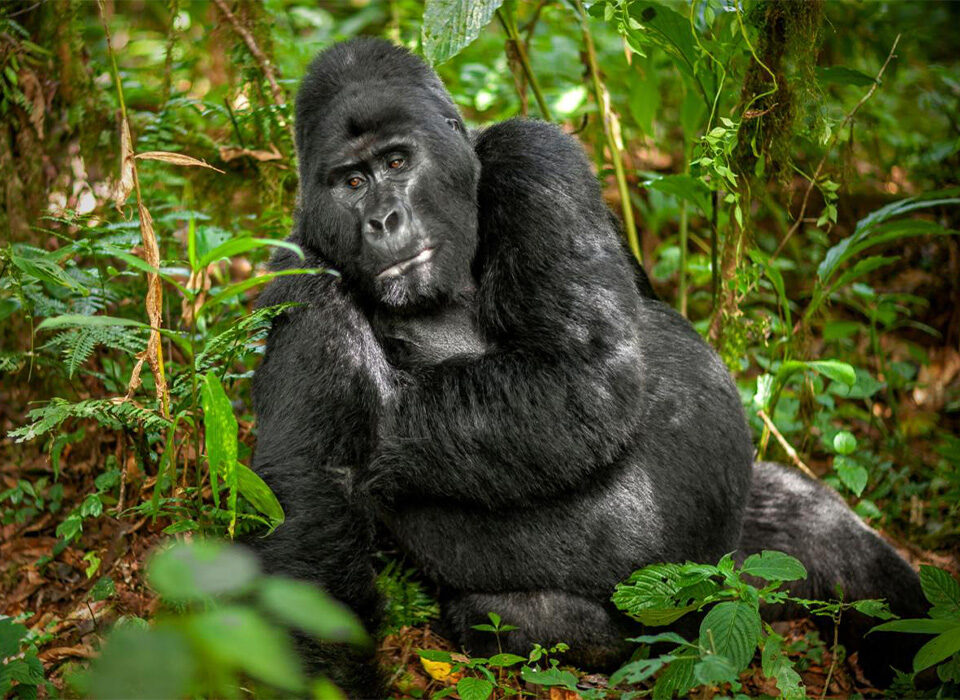
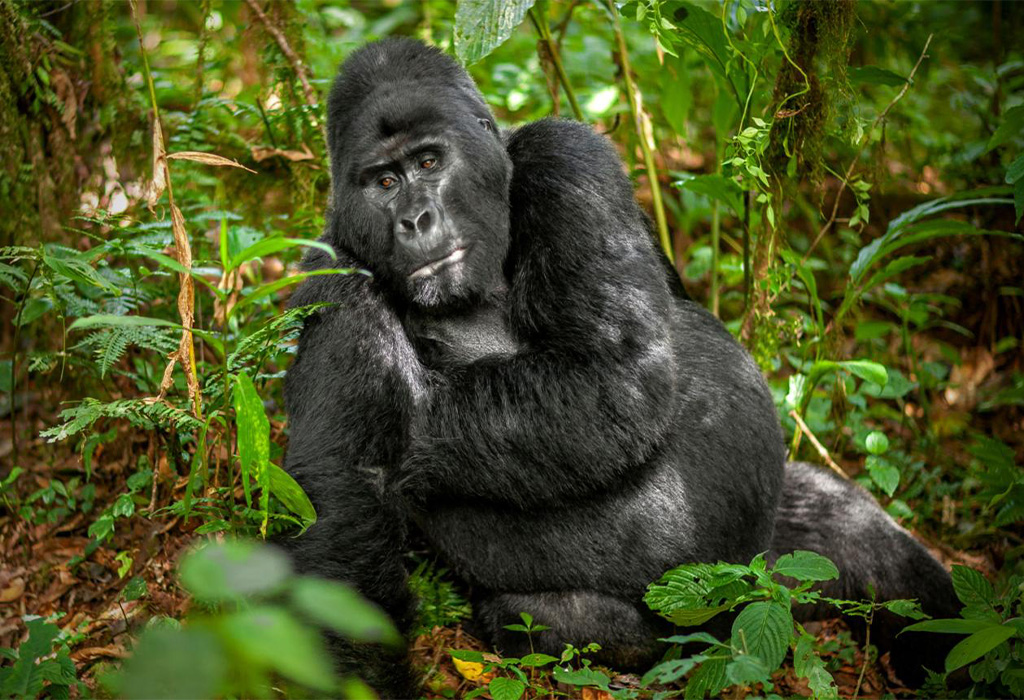
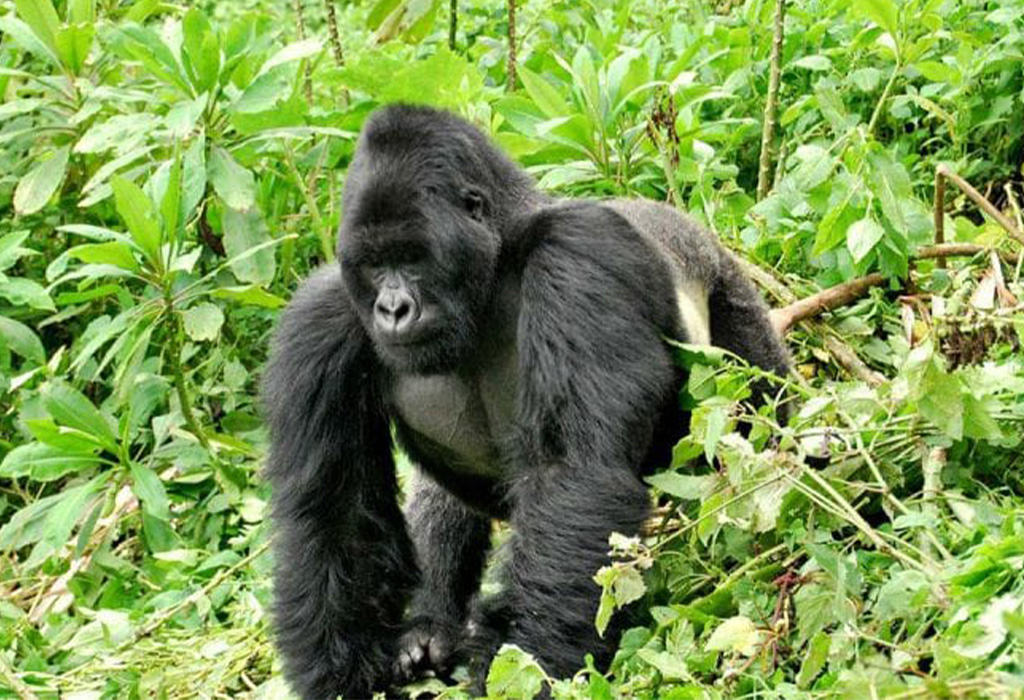
Gorilla trekking is one of Africa’s most remarkable wildlife experiences. Imagine walking through a beautiful tropical rainforest, listening to birds calling from the canopy and following experienced trackers through thick vegetation. Then, suddenly, you come face to face with a family of endangered mountain gorillas. Watching these gentle giants feed, play, groom one another and care for their young is an unforgettable experience that stays with you long after your journey ends.
However, if you are planning your first gorilla trekking adventure, you may have several questions. How physically demanding is the hike? What should you pack? When should you book your permit? And should you choose Uganda or Rwanda?
These gorilla trekking travel tips for beginners will help you prepare for your journey with confidence. From choosing the right destination and understanding permit requirements to packing suitable clothing and following conservation guidelines, this guide covers the essentials you need before travelling.
At Experiya Tour Company, we organise memorable gorilla trekking safaris in Uganda and Rwanda. Our local experience helps travellers plan practical itineraries, choose suitable accommodation and enjoy well-organised encounters with mountain gorillas.
What Is Gorilla Trekking?
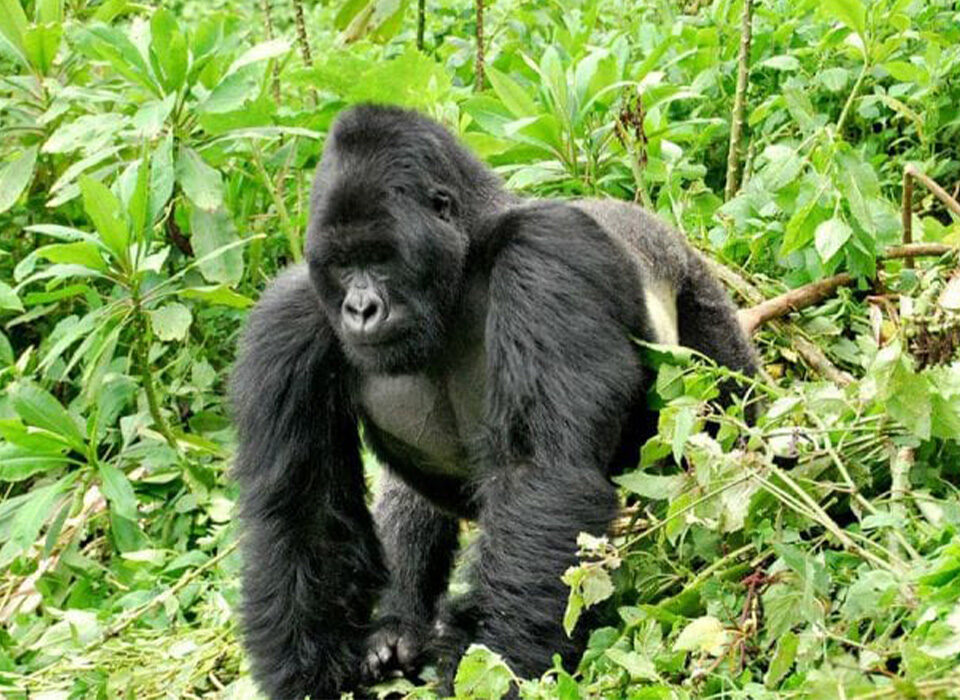
Gorilla trekking is a guided forest adventure that involves hiking through protected national parks to find habituated mountain gorilla families. Professional park rangers and trackers lead visitors through the forest, using their knowledge of gorilla movements, feeding habits and nesting locations to locate the animals.
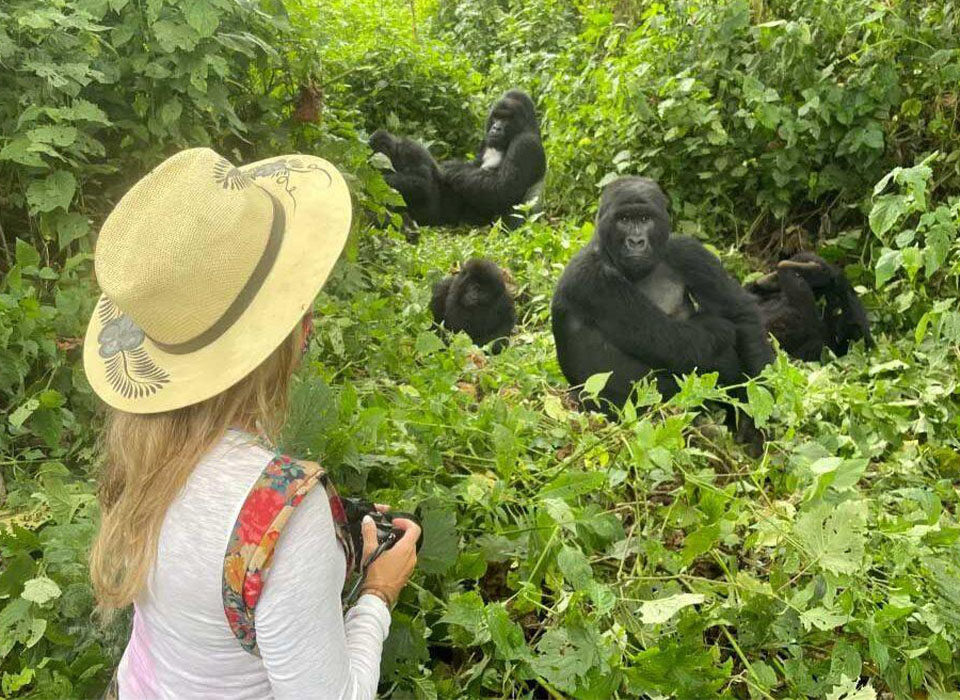
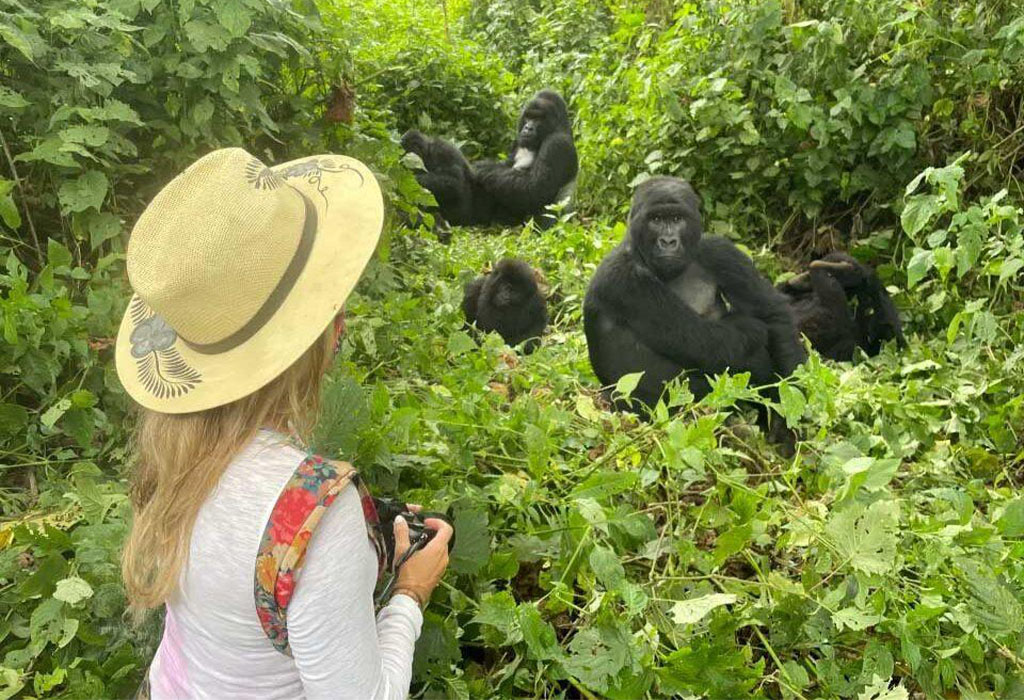
Once the group finds a gorilla family, visitors are allowed a limited period to observe the animals in their natural habitat. During this time, you may see a silverback watching over his family, mothers caring for their babies and young gorillas playing among the trees.
Uganda and Rwanda are the two leading destinations for mountain gorilla trekking.
The main trekking locations include:
- Bwindi Impenetrable National Park, Uganda: Famous for its ancient rainforest, diverse wildlife and several habituated mountain gorilla families.
- Mgahinga Gorilla National Park, Uganda: A beautiful volcanic landscape where visitors can track mountain gorillas and enjoy golden monkey trekking.
- Volcanoes National Park, Rwanda: Known for its dramatic volcanic scenery, bamboo forests and well-established gorilla trekking experiences.
Each destination offers a unique experience, although the basic trekking rules and conservation principles remain similar.
Why Should Gorilla Trekking Be on Your Bucket List?
For first-time visitors, gorilla trekking offers much more than an ordinary wildlife safari. Unlike traditional game drives, where you observe animals from a vehicle, gorilla trekking takes you directly into the forest environment.
The experience is particularly special because mountain gorillas share many behavioural characteristics with humans. Watching a family interact naturally provides a fascinating opportunity to appreciate their intelligence, social relationships and gentle nature.
Here are some reasons to include gorilla trekking in your African travel plans:
- Observe endangered mountain gorillas in their natural habitat.
- Enjoy a guided adventure through beautiful African rainforests.
- Learn about gorilla behaviour and conservation from experienced rangers.
- Support wildlife protection through responsible tourism.
- Contribute to local communities whose livelihoods benefit from tourism.
Furthermore, gorilla trekking is carefully regulated. In Uganda and Rwanda, visitor numbers are restricted, and each trekking group must follow the instructions of trained park personnel.
1. Book Your Gorilla Trekking Permit Early
One of the most important gorilla trekking travel tips for beginners is to secure your permit before making final travel arrangements.
A gorilla trekking permit is an official authorisation that allows you to visit a habituated mountain gorilla family in a designated national park. Because only a limited number of visitors can trek each day, permits are in high demand, particularly during popular travel seasons.
For 2026, the commonly published standard permit rates are:
- Uganda: US$800 per foreign non-resident visitor.
- Rwanda: US$1,500 per international visitor.
Different rates may apply to East African citizens, foreign residents and other eligible visitor categories. Prices and regulations can also change, so always confirm the applicable rates with the relevant wildlife authority before booking.
It is advisable to reserve your permit several months in advance, especially if you intend to travel between June and September or during the December to February holiday period.
When booking through Experiya Tour Company, you can receive assistance with permit arrangements, accommodation reservations and transportation. Booking these services together also makes it easier to organise your trekking sector and travel dates.
2. Choose Between Uganda and Rwanda
Both Uganda and Rwanda offer outstanding mountain gorilla trekking experiences. However, the two destinations differ in accessibility, landscape, accommodation choices and overall safari costs.
Gorilla Trekking in Uganda
Uganda is an excellent choice for travellers looking for an extended wildlife adventure and a wider range of safari combinations.
Bwindi Impenetrable National Park is the country’s most famous gorilla trekking destination. Its dense vegetation, steep hills and beautiful forest scenery create an exciting trekking environment.
Uganda’s main advantages include:
- More affordable standard gorilla permits than Rwanda.
- Several trekking sectors and habituated gorilla families in Bwindi.
- Opportunities to combine gorilla trekking with chimpanzee tracking.
- Additional wildlife experiences in Queen Elizabeth National Park.
- A range of budget, mid-range and luxury accommodation options.
However, travelling to Bwindi from Entebbe or Kampala involves a relatively long road journey. Travellers should therefore allow sufficient time for transfers and overnight stops where necessary.
Gorilla Trekking in Rwanda
Rwanda is particularly attractive to visitors who prefer a shorter transfer from an international airport to the gorilla trekking destination.
Volcanoes National Park is approximately 2.5 to 3 hours by road from Kigali, depending on traffic and the exact starting point.
Rwanda’s main advantages include:
- Convenient access from Kigali.
- Beautiful volcanic scenery and bamboo forests.
- High-quality luxury accommodation.
- Opportunities to combine gorilla trekking with golden monkey tracking.
- Convenient itineraries for travellers with limited time.
Although Rwanda has a higher standard gorilla permit price, its accessibility and luxury safari options make it an attractive destination for premium travellers.
Ultimately, your choice should depend on your budget, travel schedule, accommodation preferences and the other experiences you would like to include.
3. Prepare Physically Before Your Trek
Another important consideration for beginners is physical fitness. Gorilla trekking is an outdoor adventure, and the walking conditions can be more demanding than many visitors initially expect.
Depending on the location of the gorilla family, your trek may take one hour or several hours. You will walk through uneven forest trails, climb steep slopes and sometimes move through thick vegetation.
Rain can also make the ground slippery, while humidity and changing elevations may increase the physical demands.
Fortunately, you do not need to be an athlete to participate. A reasonable level of fitness, preparation and a positive attitude will make your experience more comfortable.
Consider the following preparations four to six weeks before travelling:
- Walk regularly to improve your stamina.
- Practise hiking on hills and uneven paths.
- Include light leg and core exercises in your routine.
- Wear your hiking boots before the actual trek.
- Stay hydrated and maintain a balanced diet.
If you have mobility concerns or a medical condition that could affect your ability to hike, discuss your needs with your tour operator and seek appropriate medical advice before travelling.
4. Pack the Right Clothing and Equipment
Packing suitable clothing is essential when preparing for mountain gorilla trekking. Rainforest weather can change quickly, even during the dry season, so you should be ready for sunshine, rain and muddy trails.
Comfort and protection should be your main priorities. Choose practical outdoor clothing that allows you to walk easily while protecting your arms and legs from vegetation, insects and scratches.
Essential Gorilla Trekking Packing List
We recommend carrying the following items:
- Waterproof hiking boots: Choose comfortable boots with good ankle support and strong grip.
- Long trousers: These protect your legs from scratches, insects and vegetation.
- Long-sleeved shirts: Useful for protecting your arms while walking through the forest.
- Lightweight rain jacket: Rain showers can occur throughout the year.
- Gardening gloves: Helpful when holding branches and moving through thick vegetation.
- Daypack: Carry your drinking water, snacks, camera and other essentials.
- Refillable water bottle: Staying hydrated is important during the hike.
- Energy snacks: Carry a few convenient snacks for longer treks.
- Insect repellent: Useful around forest accommodation and trekking areas.
- Sun protection: Pack sunscreen, sunglasses and a suitable hat for exposed areas.
Neutral colours such as green, brown, khaki and grey are practical choices. Avoid unnecessarily bright clothing, particularly if you want photographs that blend naturally with the forest environment.
Most importantly, avoid carrying unnecessary luggage. A lighter backpack makes walking through steep and muddy terrain much easier.
5. Understand and Respect Gorilla Trekking Rules
Mountain gorillas are endangered animals, and protecting them is the priority during every trekking experience. Park authorities have established strict guidelines to minimise disturbance and reduce the risk of disease transmission.
Before entering the forest, your ranger will explain the rules and what to expect when you encounter a gorilla family.
Some of the essential guidelines include:
- Maintain the required minimum distance from gorillas, generally seven metres under the applicable guidelines.
- Never use flash photography.
- Keep your voice low and avoid sudden movements.
- Do not touch, feed or attempt to attract gorillas.
- Never litter inside the forest.
- Follow your ranger’s instructions throughout the encounter.
- Do not participate in trekking if you have symptoms of an infectious illness.
- Observe the maximum one-hour viewing period under standard trekking arrangements.
Sometimes a curious gorilla may approach visitors. If this happens, remain calm, follow your ranger’s instructions and avoid making sudden movements.
These rules protect both visitors and gorillas while ensuring that future generations can continue enjoying responsible wildlife encounters.
6. Choose the Best Time for Gorilla Trekking
You can go gorilla trekking in Uganda and Rwanda throughout the year. However, seasonal weather conditions can influence the difficulty of hiking, road transfers and the overall experience.
The relatively drier months are generally considered favourable for beginners.
Dry Season: June to September and December to February
These months usually offer better hiking conditions, although rain can still occur in tropical forests.
The main advantages include:
- Trails are often less muddy.
- Walking conditions may be more comfortable.
- Road access is generally easier.
- Outdoor activities and photography can be more convenient.
Because these months attract many visitors, you should reserve your permits and accommodation well in advance.
Rainy Season: March to May and October to November
The rainy months offer a different experience. Forest vegetation becomes particularly lush, and the surrounding landscapes look beautiful.
Advantages may include fewer visitors and attractive photography conditions. However, heavy rainfall can make forest trails slippery and increase the difficulty of hiking.
For first-time trekkers who prefer more predictable walking conditions, the drier months are generally a good starting point. Nevertheless, gorilla trekking remains possible throughout the year.
7. Hire a Local Porter for Your Trek
Hiring a porter is one of the simplest ways to make your gorilla trekking adventure more comfortable.
Even if you are physically fit, the forest terrain can be challenging. A porter can carry your backpack, assist you on steep sections and offer support when you need to negotiate difficult trails.
Porter services also provide valuable employment opportunities for people living around the national parks.
In many trekking areas, porter charges start at approximately US$15–US$20, although rates vary depending on the location and service.
You can also arrange for additional assistance if you have mobility challenges. Some destinations offer specialised carrying services, including sedan chairs, subject to advance arrangements and availability.
Hiring local support therefore makes your trek easier while contributing directly to the communities that help protect mountain gorillas.
8. Choose Suitable Accommodation Near the Trekking Sector
Your accommodation can significantly influence the comfort and convenience of your gorilla trekking experience.
Since trekking begins early in the morning, staying close to your assigned park entrance or briefing point is usually a practical decision.
In Uganda, Bwindi has several trekking sectors, including Buhoma, Ruhija, Rushaga and Nkuringo. Accommodation should match your assigned sector to avoid unnecessary early-morning transfers.
Visitors can choose from three main accommodation categories:
Budget accommodation: Suitable for travellers looking for affordable, clean and comfortable places to stay.
Mid-range accommodation: Offers a balance between comfort, facilities, location and price. This category is popular with many safari travellers.
Luxury safari lodges: Ideal for visitors seeking spacious rooms, personalised services, beautiful forest views and premium dining experiences.
In Rwanda, several lodges around Volcanoes National Park offer comfortable stays ranging from practical mid-range properties to exclusive luxury retreats.
At Experiya Tour Company, we help travellers select accommodation according to their trekking location, budget and preferred level of comfort.
9. Combine Gorilla Trekking with Other African Safari Experiences
If you have additional time, consider combining your gorilla trekking adventure with other wildlife and cultural experiences.
Uganda and Rwanda offer excellent opportunities to create a more comprehensive East African safari.
Some popular combinations include:
- Queen Elizabeth National Park: Enjoy game drives, elephant sightings, tree-climbing lions in the Ishasha sector and a boat cruise along the Kazinga Channel.
- Kibale National Park: Experience chimpanzee tracking in one of Africa’s best-known primate destinations.
- Mgahinga Gorilla National Park: Combine mountain gorilla trekking with golden monkey tracking.
- Volcanoes National Park: Explore Rwanda’s volcanic landscapes and enjoy golden monkey tracking.
- Lake Bunyonyi: Relax beside one of Uganda’s most scenic lakes after your gorilla trekking adventure.
You can also include cultural visits, nature walks and community experiences to understand more about the people and traditions of the region.
Combining these activities allows you to enjoy more than one wildlife experience during a single African holiday.
10. Plan Your Gorilla Trekking Budget
Understanding the expected costs before travelling helps you organise a realistic safari budget.
Your total expenses will depend on the destination, accommodation category, number of travel days, transportation arrangements and additional activities.
For a Uganda gorilla trekking safari, consider the following indicative expenses:
| Expense | Estimated cost |
|---|---|
| Standard foreign non-resident gorilla permit | US$800 per person |
| Budget to luxury accommodation | US$80–US$600+ per night |
| Porter services | From approximately US$15–US$20 |
| Tips and personal expenses | Varies |
| Private safari transportation | Depends on itinerary and vehicle |
A three-day Uganda gorilla trekking safari may cost approximately US$1,500–US$3,500 per person, depending on the group size, accommodation and services included. This is an indicative planning range rather than a fixed package price.
Rwanda generally requires a larger permit budget, and luxury accommodation can increase the overall cost considerably.
Remember to account for additional expenses such as international flights, travel insurance, visas, optional activities and personal purchases.
For a more accurate quotation, Experiya Tour Company can help you compare suitable safari options based on your preferred dates and budget.
11. Follow Essential Safety Tips During Gorilla Trekking
Gorilla trekking in Uganda and Rwanda is organised by experienced park authorities and professional guides. Nevertheless, visitors should take reasonable precautions throughout the adventure.
Before travelling, arrange suitable travel insurance that covers your planned activities and potential emergency evacuation where available.
During the trek:
- Listen carefully during the ranger briefing.
- Stay with your assigned trekking group.
- Drink enough water throughout the hike.
- Inform your guide if you feel tired or unwell.
- Avoid touching unknown plants or wildlife.
- Keep your belongings secure.
- Follow all instructions during the gorilla encounter.
If you become unwell before the trek, inform your tour operator and park authorities. Visitors showing symptoms of potentially infectious illnesses should not enter the forest, as mountain gorillas are vulnerable to human diseases.
A little preparation and responsible behaviour can make a significant difference to your safety and comfort.
12. Photography Tips for First-Time Gorilla Trekkers
Photographing mountain gorillas is one of the highlights of the experience. However, rainforest conditions can present challenges, particularly when light levels are low beneath the forest canopy.
A DSLR or mirrorless camera with good low-light performance is useful, although modern smartphones can also capture memorable photographs.
For better results, consider these practical tips:
- Switch off your camera flash.
- Use a higher ISO when lighting conditions are poor.
- Carry spare batteries and sufficient memory cards.
- Use a fast shutter speed when photographing moving gorillas.
- Keep your camera protected from rain.
- Follow the ranger’s instructions about positioning and distance.
Most importantly, do not spend the entire viewing period looking through your camera. Take photographs, but also give yourself time to appreciate the experience with your own eyes.
13. Support Responsible Gorilla Tourism and Conservation
Mountain gorillas face ongoing conservation challenges, including habitat pressure, human-related diseases and other environmental threats. Responsible tourism plays an important role in supporting their long-term protection.
Gorilla permit revenue contributes to wildlife conservation, park management and community development initiatives. Tourism also creates employment for rangers, trackers, guides, porters, lodge employees and other local service providers.
As a visitor, you can contribute by following park regulations, hiring local porters, respecting community customs and avoiding activities that disturb wildlife.
You should also choose responsible safari operators that prioritise conservation, visitor safety and meaningful community engagement.
At Experiya Tour Company, we encourage travellers to approach gorilla trekking with respect for wildlife and an appreciation of the communities living around Uganda’s and Rwanda’s protected areas.
Frequently Asked Questions About Gorilla Trekking for Beginners
Is gorilla trekking suitable for beginners?
Yes. First-time visitors can enjoy gorilla trekking without previous hiking experience. However, you should prepare physically, wear suitable clothing and be ready for uneven forest terrain. Professional rangers guide every trekking group.
What is the minimum age for gorilla trekking?
The standard minimum age for mountain gorilla trekking in Uganda and Rwanda is 15 years. Travellers should confirm the applicable requirements when booking.
How long does gorilla trekking take?
The duration varies depending on the location of the assigned gorilla family. Some treks take approximately one hour, while others may require several hours of hiking. The standard gorilla viewing period is limited to one hour.
How close can you get to mountain gorillas?
The general minimum viewing distance is seven metres under the applicable guidelines. However, gorillas may occasionally approach visitors. In such situations, follow your ranger’s instructions.
Can elderly travellers go gorilla trekking?
Yes. Older travellers can participate if they are fit enough for the activity. Those with mobility challenges can discuss available assistance, including porter support and specialised carrying services, before travelling.
Is gorilla trekking safe?
Yes. Gorilla trekking is a regulated activity led by trained rangers and trackers. Visitors must follow the safety briefing and respect all wildlife guidelines.
What should I wear for gorilla trekking?
Wear waterproof hiking boots, long trousers, a long-sleeved shirt and a lightweight rain jacket. Gardening gloves are also useful when moving through thick vegetation.
Can I go gorilla trekking throughout the year?
Yes. Uganda and Rwanda offer gorilla trekking throughout the year. However, the relatively dry months of June to September and December to February generally provide more comfortable hiking conditions.
Should I hire a porter?
Hiring a porter is highly recommended, even if you are physically fit. Porters help carry your belongings, assist on difficult trails and benefit from additional income generated by tourism.
Final Gorilla Trekking Checklist for Beginners
Before departing for your African gorilla safari, make sure you have prepared the following:
- Gorilla trekking permit confirmed.
- International flights and arrival arrangements organised.
- Passport and relevant travel documents ready.
- Appropriate travel insurance arranged.
- Accommodation reserved near the assigned trekking sector.
- Comfortable waterproof hiking boots packed.
- Long-sleeved clothing and rain jacket packed.
- Drinking water and snacks prepared.
- Camera, batteries and memory cards checked.
- Physical preparation completed.
- Safari itinerary and transportation confirmed.
Having these essentials ready will help you avoid unnecessary last-minute stress and enjoy your adventure with greater confidence.
Why Choose Experiya Tour Company for Your Gorilla Trekking Safari?
Planning your first gorilla trekking adventure can feel overwhelming, particularly when you are unfamiliar with the destinations, permit procedures and local travel arrangements. Working with an experienced local tour operator makes the process easier.
Experiya Tour Company organises tailor-made gorilla trekking safaris in Uganda and Rwanda, helping visitors plan experiences that match their interests, travel schedules and budgets.
When travelling with us, you can benefit from:
- Assistance with gorilla trekking permit arrangements.
- Experienced local driver-guides.
- Private safari transportation.
- Carefully selected budget, mid-range and luxury accommodation.
- Customised Uganda and Rwanda safari itineraries.
- Support with airport transfers and travel logistics.
- Opportunities to combine gorilla trekking with other wildlife and cultural activities.
Whether you are planning a short gorilla trekking holiday or a longer East African safari, we help you organise the essential details so you can concentrate on enjoying your journey.
Conclusion: Make Your First Gorilla Trekking Adventure Unforgettable
Your first gorilla trekking experience is an opportunity to connect with nature in one of Africa’s most beautiful forest environments. Although the adventure requires preparation, the reward of observing endangered mountain gorillas in their natural habitat makes every step worthwhile.
By booking your permit early, choosing the right destination, preparing physically and packing suitable equipment, you can approach your trek with confidence. Equally important, respect the gorillas, follow your ranger’s instructions and support responsible tourism throughout your journey.
Whether you choose the ancient forests of Bwindi Impenetrable National Park or the volcanic landscapes of Rwanda’s Volcanoes National Park, your adventure promises memories that will last a lifetime.
Let Experiya Tour Company help you plan your first gorilla trekking safari in Uganda or Rwanda and experience the magic of meeting mountain gorillas in the wild.