History of Murchison Falls National Park: From Early Exploration to Wildlife Conservation
October 12, 2026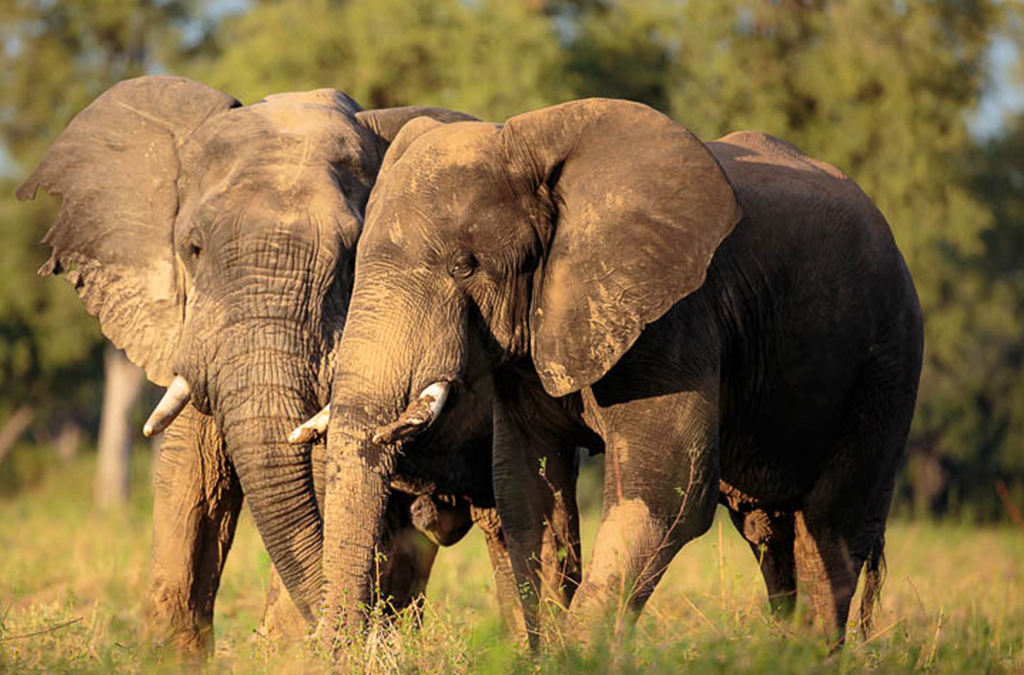
Photographing elephants on safari is one of the most rewarding wildlife experiences in Africa. Their enormous bodies, expressive eyes, impressive tusks, textured skin, and close family bonds create countless opportunities for memorable photographs. However, capturing beautiful elephant photographs requires more than pointing a camera at an animal. You need patience, suitable equipment, good timing, thoughtful composition, and an understanding of elephant behaviour.
Whether you are visiting Uganda, Kenya, Tanzania, or another African safari destination, the right techniques can help you capture elephants in their natural environment. With guidance from Experiya Tour Company, you can enjoy rewarding wildlife encounters while learning how to photograph elephants safely and responsibly. From choosing the right camera lens to finding the best light, these practical elephant photography tips will help you make the most of your African safari.
Why Photograph Elephants on an African Safari?
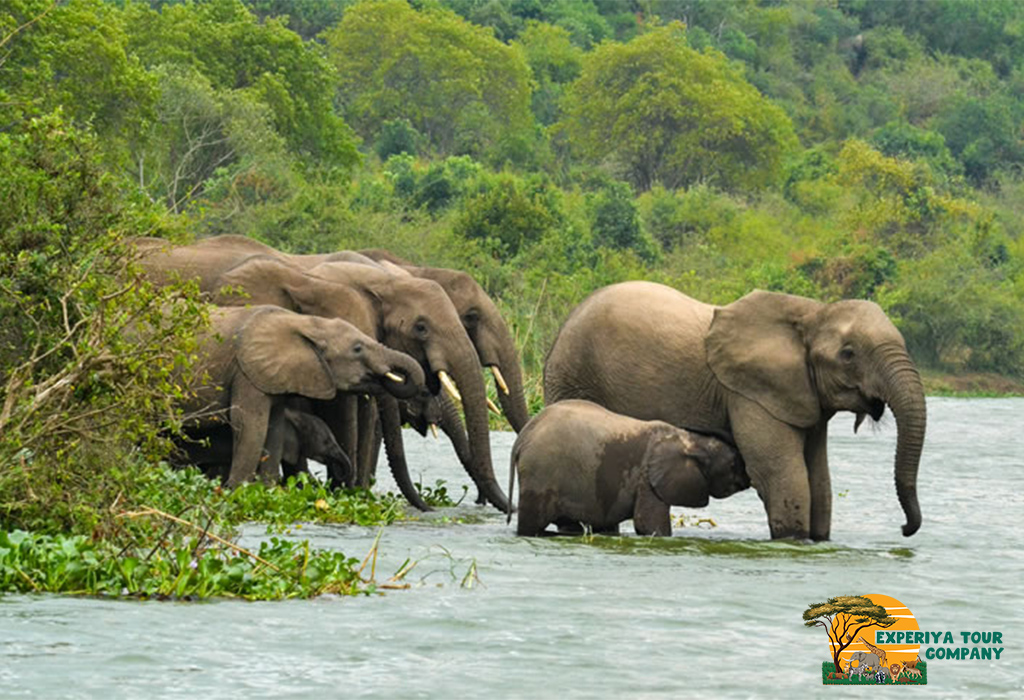
Elephants offer a remarkable variety of photographic opportunities. You can capture close portraits, large herds crossing open savannahs, calves interacting with their mothers, and elephants bathing in water or covering themselves with dust. Each encounter tells a different story about their behaviour and natural habitat.
Moreover, elephants often move through landscapes that add depth and character to photographs. Golden grasslands, riverbanks, woodlands, and waterholes can turn an ordinary wildlife image into a compelling safari memory.
During your safari, try to capture a mixture of:
- Wide photographs showing elephants within their natural habitat.
- Close portraits highlighting their eyes, ears, trunks, and skin texture.
- Action shots of elephants feeding, drinking, or throwing dust.
- Family photographs showing adults interacting with their calves.
- Atmospheric images taken during sunrise or sunset.
This variety will help you create a more interesting collection of African elephant photographs.
Essential Camera Equipment for Elephant Photography
You do not need the most expensive camera to photograph elephants successfully. Nevertheless, suitable equipment can make it easier to capture sharp images, especially when animals are moving or remain far from your safari vehicle.
Choose the Right Camera Lens
A telephoto lens is particularly useful for elephant photography because it allows you to photograph wildlife without approaching too closely. Lenses around 100–400mm or 200–600mm provide useful flexibility for many safari situations.
However, a long lens is not always the best option. Elephants are large animals, and a wide-angle lens can produce excellent photographs when you want to include the surrounding landscape. Therefore, consider carrying a versatile zoom lens that allows you to switch between portraits and environmental compositions.
Carry Extra Batteries and Memory Cards
Wildlife encounters can produce hundreds of photographs, particularly when elephants interact or move through dust and water. Carry spare batteries and several memory cards so you do not miss important moments because your equipment runs out of power or storage.
Before every game drive, check your battery levels, available memory, and camera settings. These simple preparations can save valuable time when an unforgettable elephant encounter begins.
Protect Your Camera from Dust
Dust can become a challenge during dry-season safaris, especially when vehicles travel along unpaved tracks. Keep your equipment inside a suitable camera bag whenever you are not photographing wildlife.
Additionally, carry a cleaning cloth and a blower to remove loose dust. Avoid changing lenses unnecessarily in dusty conditions, as this can expose your camera sensor to dirt.
Best Camera Settings for Photographing Elephants
There is no single camera setting that works for every elephant encounter. Instead, adjust your settings according to the available light, the animal’s movement, and the type of photograph you want to capture.
For moving elephants, start with a shutter speed of approximately 1/1000 second. Increase it when photographing faster movement, splashing water, or flying dust. For stationary elephants, you may be able to use a slower shutter speed, provided your camera remains steady and the animal does not move.
Use Continuous Autofocus
Continuous autofocus helps your camera maintain focus as an elephant walks toward, away from, or across your vehicle. If your camera offers animal detection or subject-tracking features, practise using them before your safari.
Also, learn how to change autofocus settings quickly. Elephants can move unexpectedly, and understanding your camera beforehand will help you respond without hesitation.
Photograph in RAW Format
If your camera supports RAW files, consider using this format to preserve more image information for editing. RAW photographs provide greater flexibility when adjusting exposure, shadows, highlights, and white balance.
This flexibility is particularly useful in Africa, where bright sunlight can create strong contrasts between an elephant’s dark skin and a bright sky.
Adjust ISO to Match the Light
Early morning and late afternoon often provide beautiful light, but conditions can become dim. Increasing ISO allows you to maintain a faster shutter speed when necessary.
Rather than worrying excessively about image noise, prioritise a sharp photograph. A slightly grainy image is often more useful than a blurred photograph of an exceptional wildlife moment.
Best Time to Photograph Elephants on Safari
Early morning and late afternoon are generally excellent times for elephant photography because the light becomes softer and warmer. These periods can produce attractive highlights, longer shadows, and natural colours that enhance your images.
Morning light may illuminate an elephant’s back while keeping the surrounding landscape relatively soft. Meanwhile, evening light can create dramatic silhouettes and golden tones.
However, do not dismiss midday photography. Although harsh sunlight can create difficult shadows, elephants may gather around waterholes, feed in open grasslands, or bathe in mud. Instead of concentrating exclusively on the time of day, look for interesting behaviour and opportunities to work with the available light.
Photograph Elephants at Waterholes and During Dust Baths
Waterholes can provide excellent opportunities to photograph elephants drinking, bathing, splashing, and interacting with other members of their herd. When your guide identifies a productive location, consider observing the animals for a while rather than immediately moving on.
Experiment with different compositions. A close portrait can emphasise an elephant’s eyes and skin texture, while a wider photograph can show an entire family gathering around the water. When conditions permit, reflections can also add visual interest.
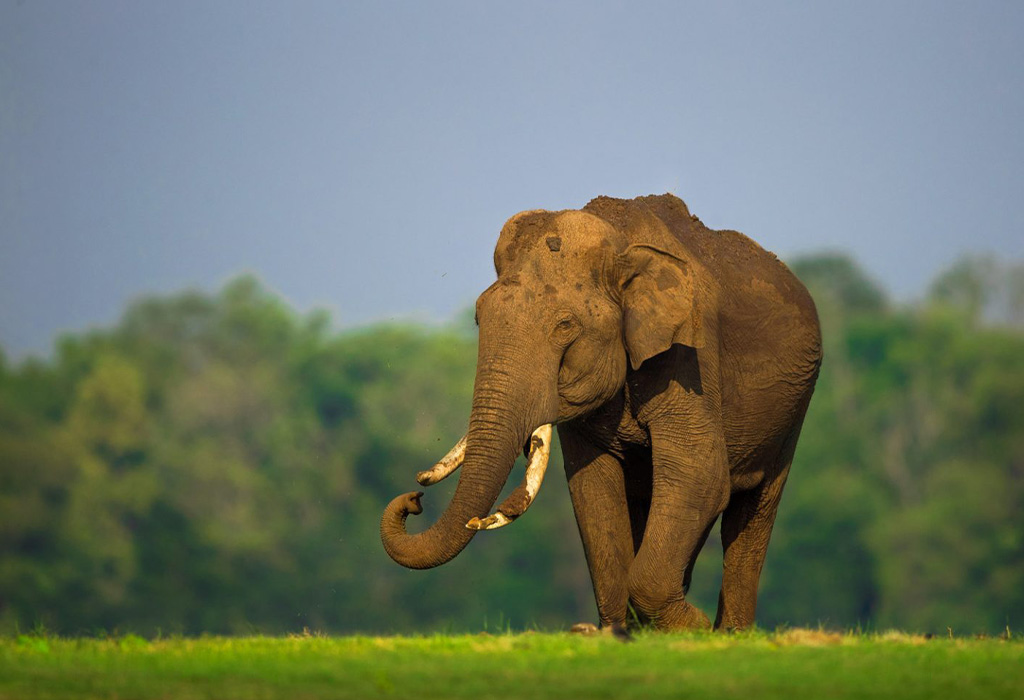
Dust bathing creates another exciting photographic opportunity. Elephants use their trunks to throw dust over their bodies, producing atmospheric scenes when sunlight catches the particles.
Watch the animal’s movements before taking your photograph. Once you recognise the signs of an approaching dust bath, prepare your camera and use a faster shutter speed to freeze the action. Backlighting can also help highlight the dust against the background.
Capture Elephant Families and Calves
Elephant calves often create some of the most engaging photographs on safari. Their interactions with mothers and other adults reveal the social relationships that make elephant families so fascinating.
Nevertheless, always give elephant families plenty of space. Adults can become protective when they sense a threat to their young, so allow your guide to determine a safe viewing position.
Rather than concentrating only on close-up portraits, photograph natural interactions. A calf walking beside its mother, resting beneath an adult, or exploring its surroundings can create a more meaningful image than an isolated photograph.
Patience is essential because these moments rarely follow a predictable schedule. Observe quietly, anticipate movement, and allow the animals to behave naturally.
Improve Your Composition When Photographing Elephants
Strong composition helps transform an ordinary wildlife photograph into a memorable image. Instead of photographing every elephant from the same angle, experiment with different perspectives and framing techniques.
Include the Surrounding Landscape
Do not make every photograph a tight portrait. Include grasslands, trees, rivers, mountains, or wetlands when they help tell the story of the encounter.
Wide environmental photographs can show the relationship between elephants and their habitat. They also communicate the scale and beauty of Africa’s wilderness.
Leave Space in Front of Moving Elephants
When an elephant walks across your frame, leave some space in front of the direction in which it is moving. This creates a more natural composition and gives the animal room to move visually through the photograph.
Similarly, when an elephant looks toward one side, leave space in that direction instead of placing its face against the edge of the frame.
Experiment with Your Camera Position
A lower viewing angle can make an elephant appear powerful and create a stronger connection with the viewer. When a suitable and safe viewing position is available, consider how the angle changes the final image.
However, never leave your safari vehicle or approach an elephant to improve a photograph unless your guide explicitly directs you to a designated safe location. Your safety and the animal’s welfare must always come first.
Photograph Elephants Responsibly on Safari
Responsible wildlife photography allows you to enjoy memorable encounters without disturbing the animals. Always follow your guide’s instructions and respect the space elephants need to move freely.
Avoid using flash, making loud noises, or asking your driver to chase or crowd an elephant. These actions can disturb wildlife and interfere with natural behaviour.
Instead, remain quiet, observe the animals, and use available light to create your photographs. A telephoto lens can help you capture details from a respectful distance.
Most importantly, do not measure your safari’s success solely by the number of photographs you take. Watching elephants interact naturally can be just as rewarding as capturing the perfect image.
Common Elephant Photography Mistakes to Avoid
Even experienced photographers can miss opportunities when they overlook simple details. Fortunately, you can improve your results by avoiding these common mistakes:
- Getting too close: Use a suitable telephoto lens and follow your guide’s instructions.
- Using a slow shutter speed: Increase your shutter speed when elephants move.
- Ignoring the background: Check for distracting branches, vehicles, or other objects before taking a photograph.
- Taking only close-ups: Include wider landscape images to create a varied collection.
- Forgetting spare batteries: Check your equipment before every game drive.
- Using flash: Work with natural light instead of disturbing wildlife.
- Taking too many similar photographs: Focus on different behaviours, angles, and compositions.
By making these adjustments, you can improve the quality of your elephant safari photographs without purchasing additional equipment.
How Experiya Tour Company Can Enhance Your Elephant Photography Safari
Choosing the right safari operator can improve your overall wildlife photography experience. Experiya Tour Company can help you plan an African safari around your wildlife interests, select suitable accommodation, and arrange game drives with experienced guides.
If elephant photography is a priority, communicate your interests before your trip. This allows your safari planner to understand whether you prefer close wildlife portraits, landscape photography, family interactions, or action shots.
Additionally, discuss your equipment and expectations with your guide. A traveller using a smartphone may have different photography needs from someone carrying a professional camera with a long telephoto lens.
Although no safari operator can guarantee particular animal encounters or photographic conditions, good planning and flexible game drives can help you make the most of available opportunities.
Final Tips for Photographing Elephants on Safari
Learning how to photograph elephants on safari involves more than mastering camera settings. It requires observation, patience, preparation, and respect for wildlife.
Before each game drive, check your batteries and memory cards, prepare your autofocus settings, and consider the available light. During encounters, watch elephant behaviour before pressing the shutter, and experiment with portraits, environmental compositions, and action photographs.
Above all, keep a safe distance and follow your guide’s advice. Whether you photograph a calf walking beside its mother, a herd crossing golden grasslands, or an elephant disappearing into the evening light, focus on capturing a genuine moment.
With thoughtful preparation and assistance from Experiya Tour Company, your African elephant photography safari can become a memorable opportunity to appreciate wildlife while preserving the animals’ freedom to behave naturally.