Top 10 Luxury Lodges in Bwindi Impenetrable National Park
October 12, 2026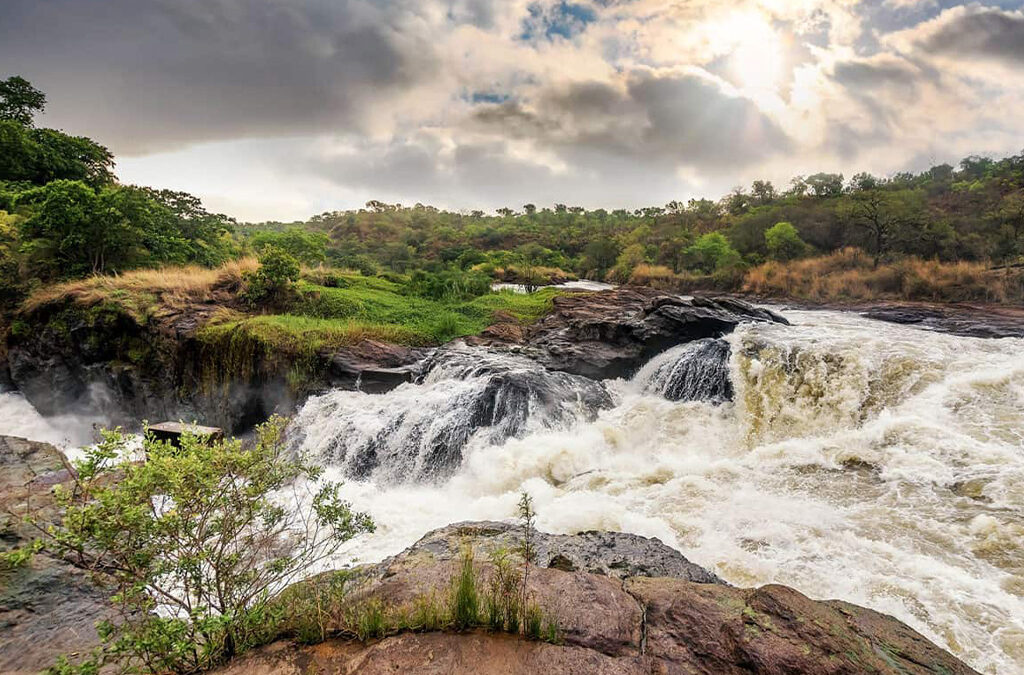
The history of Murchison Falls National Park reveals a remarkable journey of exploration, wildlife conservation, political change and ecological recovery. Located in northwestern Uganda, the park is famous for its spectacular waterfall, the Victoria Nile, extensive savannah plains and diverse wildlife. However, behind these attractions lies a story that stretches back more than a century and reflects the changing relationship between people, wildlife and protected landscapes.
Today, Murchison Falls National Park ranks among Uganda’s leading safari destinations. Visitors can encounter elephants, giraffes, lions, buffaloes, hippos, crocodiles and numerous bird species while enjoying game drives and boat cruises along the Nile. Nevertheless, the park has experienced both thriving wildlife populations and devastating conservation challenges.
Understanding the history of Murchison Falls National Park helps visitors appreciate the importance of protecting this extraordinary landscape. For travellers planning a Uganda safari with Experiya Tour Company, its history adds meaning to every wildlife encounter, river excursion and visit to the magnificent falls.
Early History of Murchison Falls National Park
Long before colonial explorers arrived, communities lived around the Nile, surrounding forests, wetlands and grasslands. People depended on these natural resources for fishing, farming, hunting, transport and other daily activities. Consequently, the cultural history of the Murchison Falls region extends far beyond the establishment of a formal wildlife reserve.
The waterfall also had a local history before European explorers introduced its internationally recognised name. During the nineteenth century, European expeditions explored the Nile region and recorded its geographical features. John Hanning Speke and James Grant reached the broader region in 1862, while Samuel and Florence Baker explored the area more extensively in 1863–1864.
Samuel Baker associated the waterfall with Roderick Murchison, a Scottish geologist and president of the Royal Geographical Society. The name Murchison Falls subsequently became established in European geographical accounts.
These expeditions helped introduce the region to international audiences. However, the area’s transformation into a protected wildlife destination happened gradually, as colonial authorities introduced game reserves and later national park legislation.
Sleeping Sickness and the Establishment of Game Reserves
One of the most significant events in the early history of Murchison Falls National Park was the sleeping sickness outbreak that affected parts of northern Uganda between 1907 and 1912. The disease, transmitted by tsetse flies, caused serious disruption to communities and contributed to the evacuation of large areas.
As human settlement patterns changed, colonial authorities introduced measures to control land use and protect wildlife. In 1910, they established the Bunyoro Game Reserve south of the Nile. Later, protection expanded north of the river, contributing to the development of the Bunyoro-Gulu Game Reserve.
These developments laid the foundation for the modern national park. Nevertheless, early conservation policies also affected local communities by restricting access to certain lands and natural resources.
The history of Murchison Falls therefore involves more than wildlife protection. It also highlights the complex relationship between conservation authorities and the people who depend on surrounding landscapes.
The Formation of Murchison Falls National Park in the 1950s
The creation of Murchison Falls National Park marked a major milestone in Uganda’s conservation history. The area received formal protection as a wildlife reserve during the 1920s, with 1926 frequently cited in accounts of its gazettement. It subsequently attained national park status in the early 1950s.
Uganda Wildlife Authority commonly identifies 1952 as the year the area became a national park, while some historical legal accounts refer to the formal establishment process in 1953. These dates reflect different stages in the transition from reserve to national park.
The new protected status strengthened the framework for managing wildlife and developing tourism. The park’s combination of dramatic scenery, large mammals, river habitats and accessible savannah made it particularly attractive to visitors.
Meanwhile, Budongo Forest became an important part of the wider conservation landscape. Established as a forest reserve in 1932, Budongo developed into a significant area for forest biodiversity, research and conservation.
Together, these protected habitats helped establish the wider Murchison Falls Conservation Area as an important ecological region in Uganda.
Murchison Falls National Park During the Tourism Boom of the 1960s
The 1960s marked a prosperous period for tourism in Murchison Falls National Park. The park attracted substantial visitor numbers, and historical conservation records indicate that annual visitation reached approximately 60,000 during the decade.
Safari accommodation developed around locations such as Paraa, Chobe and Pakuba. As a result, visitors could explore the savannah, observe wildlife and enjoy boat trips along the Victoria Nile.
The boat cruise to the base of Murchison Falls became one of the area’s signature safari experiences. Along the river, visitors could observe hippos, Nile crocodiles, elephants and waterbirds before reaching the narrow gorge where the Nile plunges dramatically downstream.
Wildlife populations also grew significantly during this period. Elephant numbers reportedly reached approximately 12,000–14,000 by the mid-1960s.
However, these large populations created ecological management challenges. Concerned about elephants changing woodland vegetation through extensive browsing, park authorities culled approximately 2,000 elephants between 1965 and 1967.
Although managers considered culling an appropriate wildlife management method at the time, conservation approaches have evolved considerably. Today, wildlife monitoring, habitat research and other management strategies inform decisions about maintaining ecological balance.
Political Instability and Wildlife Decline in the 1970s
The history of Murchison Falls National Park changed dramatically during the 1970s. Following Idi Amin’s rise to power in 1971, political instability and weakened conservation institutions contributed to a serious decline in wildlife protection.
Poaching increased, particularly as hunters targeted elephants for ivory. Consequently, the park lost much of its previously abundant wildlife, while tourism facilities and visitor numbers also suffered.
Conservation reviews indicate that the elephant population declined from approximately 14,000 in the late 1960s to around 250 by 1983–1984. Other large mammals also experienced significant losses, and rhinos disappeared from the park.
This crisis affected the entire tourism sector. Fewer visitors meant less tourism revenue, while weakened institutions struggled to fund patrols and protect wildlife effectively. As a result, declining tourism and increasing poaching reinforced one another.
Why Was Murchison Falls National Park Renamed?
During Idi Amin’s government, the park was referred to as Kabalega National Park, while the waterfall was sometimes called Kabalega Falls.
The name honoured Omukama Chwa II Kabalega, the nineteenth-century ruler of Bunyoro who resisted British colonial expansion. The change formed part of a broader political and cultural effort to replace some colonial-era names.
Following subsequent political changes, Murchison Falls returned to common and official usage. Today, the name remains internationally recognised.
This episode demonstrates how Uganda’s political history influenced even the identity of its most important natural landmarks.
Conservation Recovery After the 1980s
After 1986, Uganda began rebuilding its protected-area management systems and strengthening wildlife conservation. However, recovery required time because decades of poaching had severely reduced animal populations.
Authorities needed to improve ranger operations, restore tourism facilities and rebuild public confidence in protected areas. Gradually, these measures helped create better conditions for wildlife recovery.
Another major milestone came in 1996, when Uganda established the Uganda Wildlife Authority (UWA). The institution brought together existing wildlife management structures and assumed responsibility for managing the country’s national parks and other wildlife protected areas.
Stronger management and renewed conservation investment helped Murchison Falls recover from the crisis. Elephant, buffalo and giraffe populations increased, while improved wildlife protection supported the return of the park as a major safari destination.
Nevertheless, recovery has not affected every species equally. Some historical populations remain difficult to restore, demonstrating why conservation requires sustained funding, research and effective protection.
Modern Conservation and the Role of Local Communities
Today, Murchison Falls National Park forms the central part of the wider Murchison Falls Conservation Area, alongside the Bugungu and Karuma Wildlife Reserves. Together with neighbouring forest habitats, these protected areas support wildlife across a broader landscape.
Modern conservation increasingly recognises that protecting animals requires cooperation with neighbouring communities. Historically, restrictions on land and natural resource use sometimes created tensions between conservation authorities and local residents.
Today, responsible tourism can help strengthen relationships by supporting employment, local businesses, guiding services and other livelihoods. However, these benefits depend on how tourism is managed and distributed.
Experiya Tour Company encourages visitors to respect park regulations, follow their guides’ instructions and appreciate the communities connected to Uganda’s natural heritage.
Responsible safari travel should do more than provide memorable wildlife encounters. It should also encourage respect for conservation efforts and the people who live alongside protected areas.
Why the Victoria Nile Is Important to the Park’s History
The Victoria Nile has shaped the ecology, scenery and tourism development of Murchison Falls National Park. It provides water for wildlife, supports aquatic habitats and creates a natural corridor through the protected landscape.
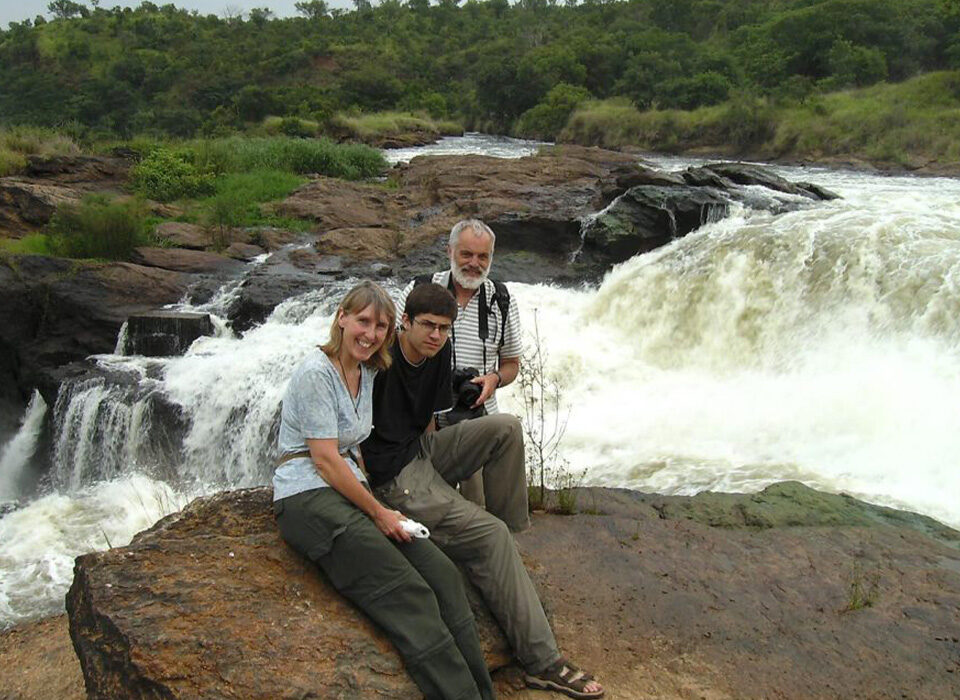
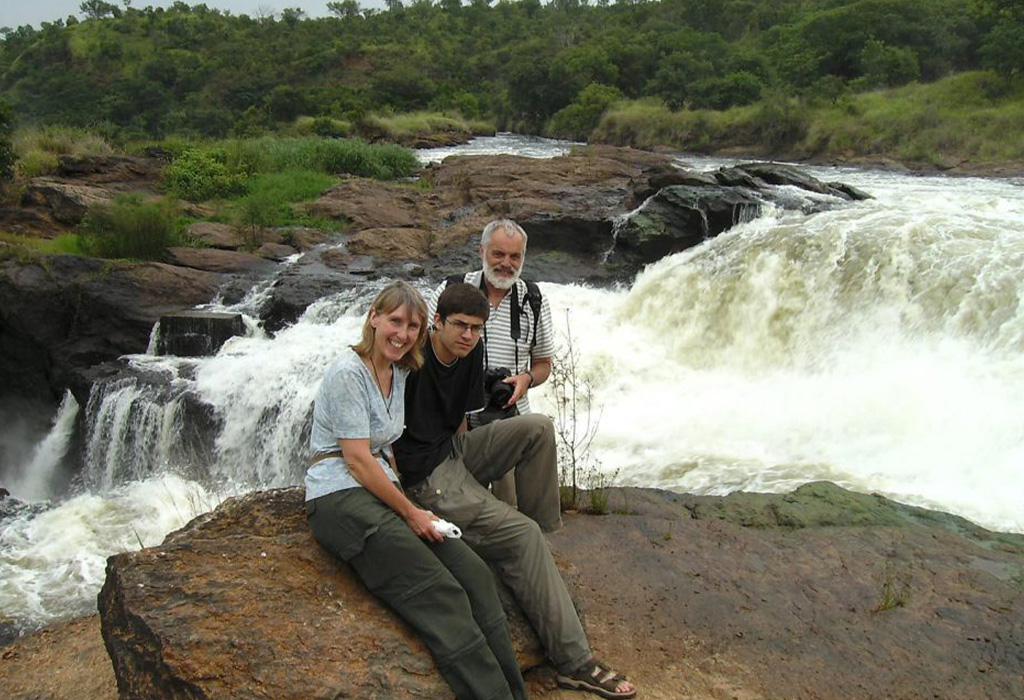
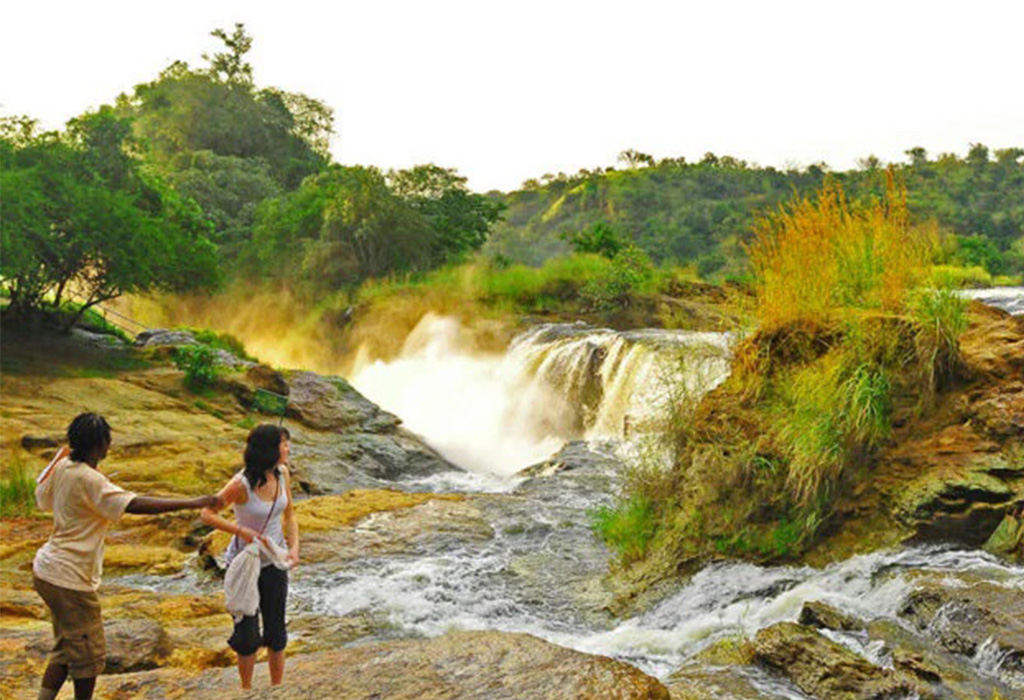
At Murchison Falls, the river forces its way through a narrow rocky gorge before plunging approximately 45 metres downstream. This powerful spectacle remains the park’s defining attraction.
A boat safari along the Nile offers opportunities to observe hippos, crocodiles, elephants and a wide variety of waterbirds. Meanwhile, the surrounding grasslands provide excellent opportunities for game drives and wildlife photography.
The river also contributed to the region’s historical importance, attracting explorers and later supporting the development of tourism. Consequently, it remains central to both the natural and cultural identity of Murchison Falls.
Murchison Falls National Park in Popular Culture
The park’s international profile also benefited from its association with the 1951 film The African Queen, starring Humphrey Bogart and Katharine Hepburn. Parts of the film were shot around the Victoria Nile and Lake Albert in the broader Murchison region.
This connection introduced the landscape to international audiences and strengthened its appeal among travellers interested in African scenery and adventure.
Today, visitors can explore the same broader river and lake environment while enjoying a more developed safari tourism industry. Nevertheless, the area’s enduring appeal still rests on its dramatic landscapes, wildlife and remarkable natural features.
What to Expect When Visiting Murchison Falls National Park Today
Murchison Falls National Park covers approximately 3,840 square kilometres, making it Uganda’s largest national park. Its habitats include open savannah, woodland, riverine vegetation and landscapes connected to the wider forest ecosystem.
Visitors can enjoy several activities, including:
- Game drives: Search for lions, elephants, giraffes, buffaloes, Uganda kob and other wildlife across the savannah.
- Nile boat cruises: Observe hippos, crocodiles and waterbirds while approaching the magnificent waterfall.
- Visits to the falls: Experience the power of the Nile from designated viewpoints.
- Birdwatching: Explore habitats supporting hundreds of bird species.
- Nature and cultural experiences: Learn about the surrounding landscape and communities through appropriate guided activities.
For a well-organised Uganda safari, Experiya Tour Company can help travellers plan their itinerary around wildlife viewing, boat cruises, accommodation and travel time.
Understanding the park’s history makes these activities even more rewarding because visitors can appreciate the conservation efforts behind today’s wildlife encounters.
Why the History of Murchison Falls National Park Matters
The history of Murchison Falls National Park demonstrates that protected status alone cannot guarantee the survival of wildlife. Conservation depends on effective management, political stability, adequate resources and cooperation with surrounding communities.
The park experienced a tourism boom during the 1960s, suffered devastating wildlife losses in subsequent decades and later began a significant recovery. Each stage offers important lessons about the vulnerability of natural ecosystems and the need for consistent protection.
Visitors also play a role by respecting wildlife, avoiding littering, following park rules and choosing responsible tourism services. These simple actions help support the conservation principles that protect Uganda’s natural heritage.
Conclusion: A Conservation Story That Continues Today
The history of Murchison Falls National Park spans early community life, nineteenth-century exploration, the creation of game reserves, national park establishment, tourism growth, political instability and wildlife recovery.
Today, the park stands as one of Uganda’s most important natural attractions. Its powerful waterfall, the Victoria Nile, extensive savannahs and diverse wildlife offer visitors an unforgettable safari experience.
However, its greatest significance extends beyond scenery. Murchison Falls demonstrates how conservation landscapes can experience severe setbacks and gradually recover through stronger protection and sustained commitment.
When you explore this remarkable destination with Experiya Tour Company, you experience more than a wildlife safari. You discover a landscape shaped by history, resilience and the continuing effort to protect Uganda’s natural heritage for future generations.