Western and Eastern Lowland Gorillas: Key Differences, Habitat and Trekking
September 25, 2026
Adaptations of Chimpanzees in the Forest
September 28, 2026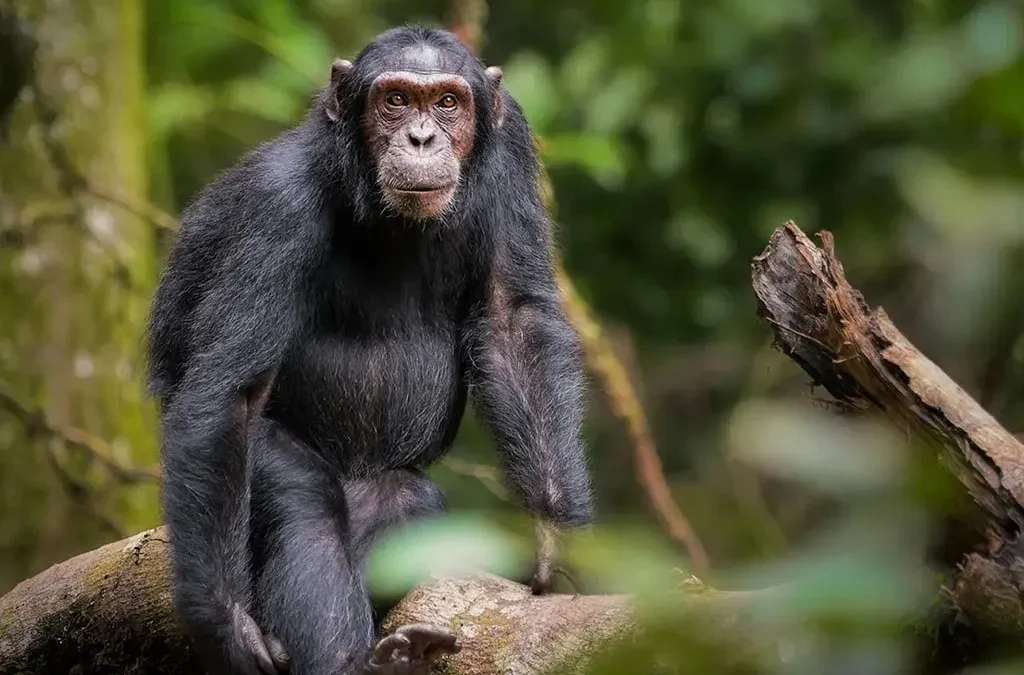
Chimpanzees are among the most fascinating animals in Africa. They share many physical, emotional, and behavioral traits with humans, which often makes people wonder, are chimpanzees friendly to humans? The answer depends on the situation, because chimpanzees are intelligent social animals, but they are still wild animals with powerful instincts.
In Uganda, visitors can observe chimpanzees in their natural habitat during guided chimpanzee trekking experiences. Places such as Kibale National Park, Budongo Forest, and other protected forests provide opportunities to see these remarkable primates while respecting their natural behavior.
For travelers planning a primate adventure, Experiya Tour Company can help organize chimpanzee trekking experiences alongside gorilla trekking, wildlife safaris, and cultural tours in Uganda.
What Are Chimpanzees?
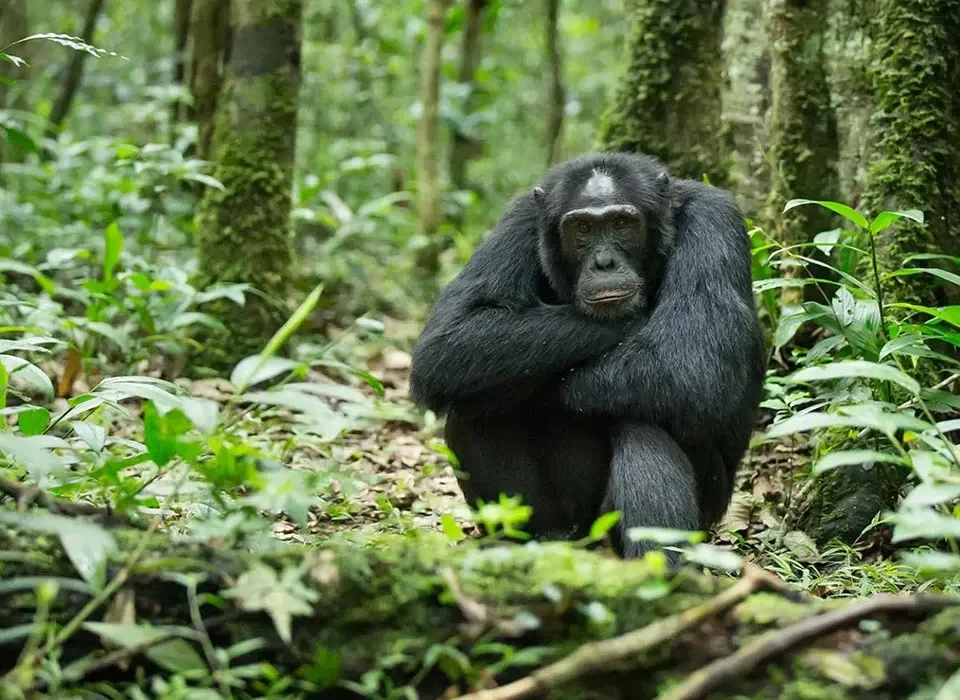
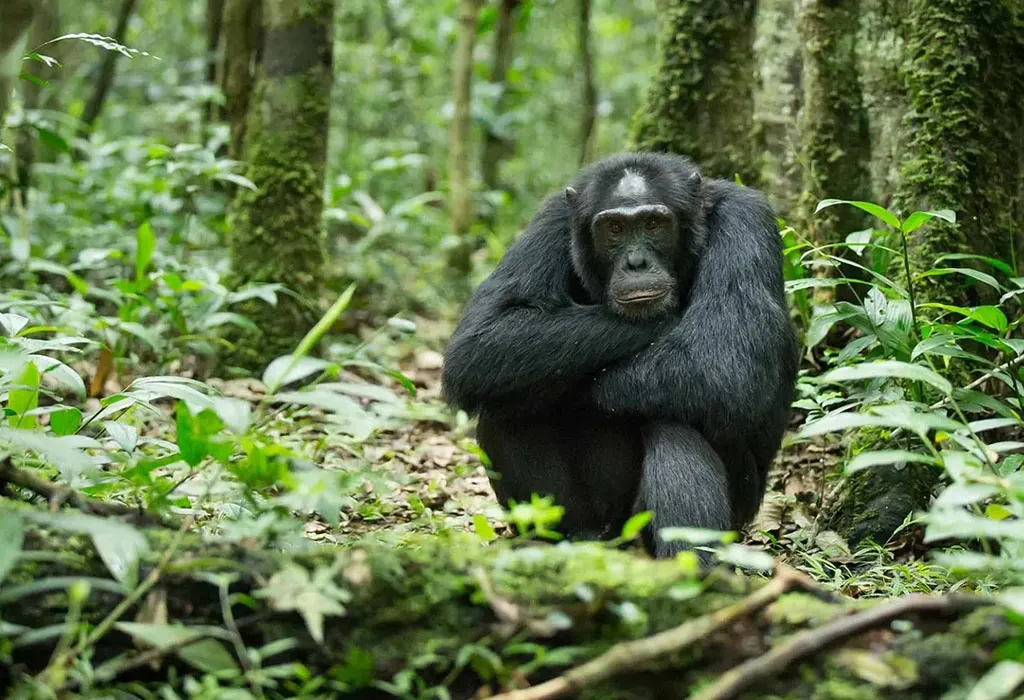
Chimpanzees, scientifically known as Pan troglodytes, are great apes native to tropical forests and woodland areas of Africa. They live in complex communities and spend much of their time feeding, grooming, communicating, playing, and caring for one another.
Unlike many animals that live in fixed pairs or small family groups, chimpanzees have flexible social communities. Individuals may separate into smaller groups during the day and come together again later. This social system allows them to maintain relationships with many members of their community.
Chimpanzees are also highly intelligent. They use sticks and other objects as tools, communicate through vocalizations and gestures, solve problems, and learn from other members of their communities.
These characteristics make chimpanzees fascinating to watch. However, their intelligence does not mean that they are domesticated or automatically safe around people.
How Closely Are Chimpanzees Related to Humans?
Chimpanzees are one of our closest living relatives. Scientists estimate that humans and chimpanzees share roughly 98–99% of their DNA, depending on how genetic similarity is measured.
This close evolutionary relationship helps explain why chimpanzees sometimes display behaviors that look remarkably familiar to humans. They can play, develop social relationships, show affection, cooperate with one another, and respond to emotional situations.
Nevertheless, genetic similarity should not be confused with domestication. A chimpanzee remains a wild animal even when it has spent years around humans.
Therefore, similarities between people and chimpanzees should encourage appreciation and conservation rather than careless physical interaction.
Are Chimpanzees Friendly to Humans in the Wild?
So, are chimpanzees friendly to humans in the wild? Generally, wild chimpanzees are cautious around people. Their response depends on the individual animal, its previous experience with humans, and the circumstances in which an encounter occurs.
Chimpanzees that live in areas with limited human contact may avoid people completely. They may climb higher into trees, move away, remain quiet, or produce alarm calls when they notice unfamiliar humans.
In areas where chimpanzees have become accustomed to researchers, guides, or carefully managed tourism activities, they may tolerate human observers at an appropriate distance. However, habituation does not turn a wild chimpanzee into a pet.
A chimpanzee can still react defensively if it feels threatened, cornered, surprised, or disturbed.
Can Chimpanzees Attack Humans?
Yes. Although serious encounters are not the normal experience of responsible chimpanzee tourism, chimpanzees are capable of causing severe injuries because they are strong, agile, and equipped with powerful jaws and teeth.
Several circumstances can increase the possibility of aggressive behavior. These include fear, competition, territorial encounters, perceived threats, stress, and attempts to approach or handle an animal.
For this reason, visitors should never assume that a chimpanzee will behave like a friendly domestic animal simply because it appears calm.
During a guided chimpanzee trekking experience, visitors should follow the instructions of their ranger or guide. Maintaining an appropriate distance and avoiding sudden movements help reduce unnecessary disturbance.
Why Do Chimpanzees Become Aggressive?
Understanding chimpanzee behavior helps explain why an apparently calm animal can suddenly change its behavior.
Territorial Behavior
Chimpanzees defend areas that provide food, water, sleeping sites, and other resources. Some communities also conduct territorial patrols and may respond aggressively to rival groups.
Humans who enter a chimpanzee’s space without appropriate management can therefore create a situation the animal perceives as threatening.
Fear and Stress
Fear can trigger defensive behavior in many wild animals, including chimpanzees. An animal that feels trapped or threatened may attempt to escape or defend itself.
Similarly, prolonged stress can affect the behavior of captive chimpanzees, particularly when their physical and social needs are not adequately met.
Protection of Young
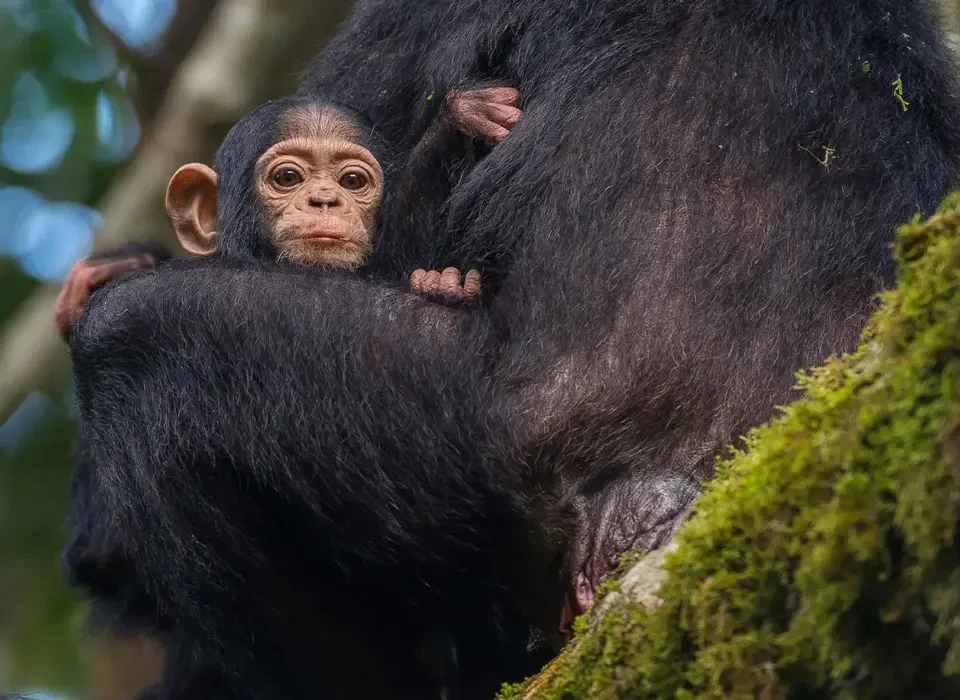
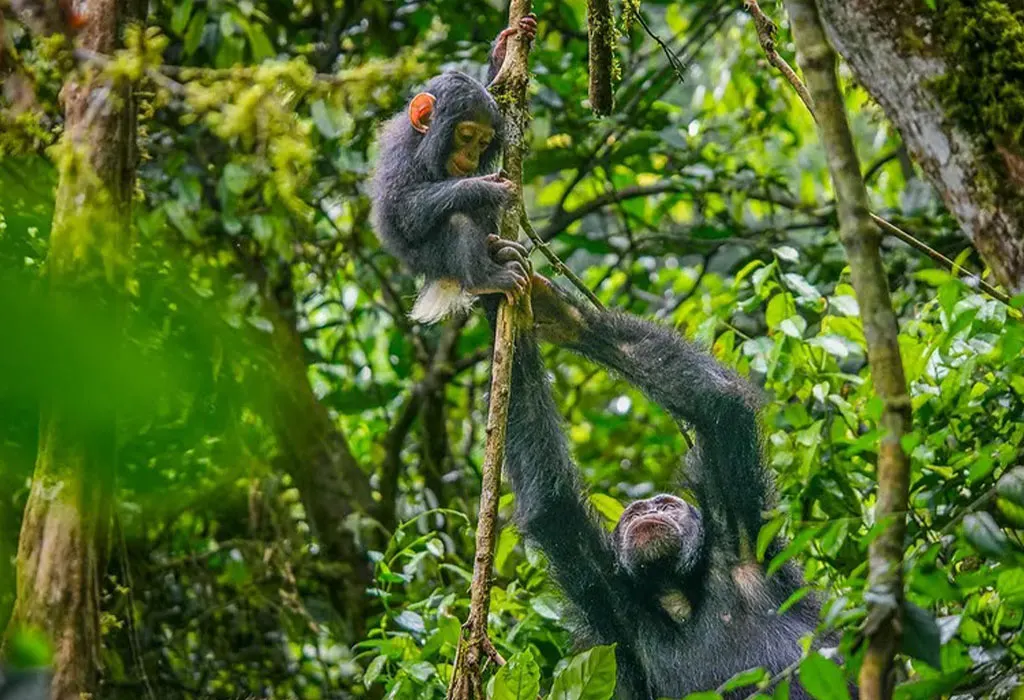
Chimpanzee mothers are protective of their infants. Approaching a mother and young chimpanzee too closely can create unnecessary stress and may produce a defensive response.
Human Interference
Feeding, touching, chasing, teasing, or attempting to photograph chimpanzees from very close range can interfere with their natural behavior.
Responsible tourism therefore focuses on observation rather than physical interaction.
Can Chimpanzees Bond With Humans?
Chimpanzees can develop strong relationships with individual humans, particularly when they have spent considerable time in managed environments such as research facilities or sanctuaries.
They may recognize familiar caregivers, respond to familiar voices, and participate in activities with people they know. Some captive chimpanzees have also demonstrated behaviors that humans interpret as affection, including grooming, playing, reaching toward familiar people, or seeking social contact.
However, a bond between a chimpanzee and a human does not make the animal domesticated.
This distinction is particularly important when discussing whether chimpanzees are friendly to humans. A chimpanzee may trust a particular caregiver while remaining unpredictable toward unfamiliar people.
How Do Chimpanzees Show Affection?
Chimpanzees are highly social animals, and they use several behaviors to strengthen relationships.
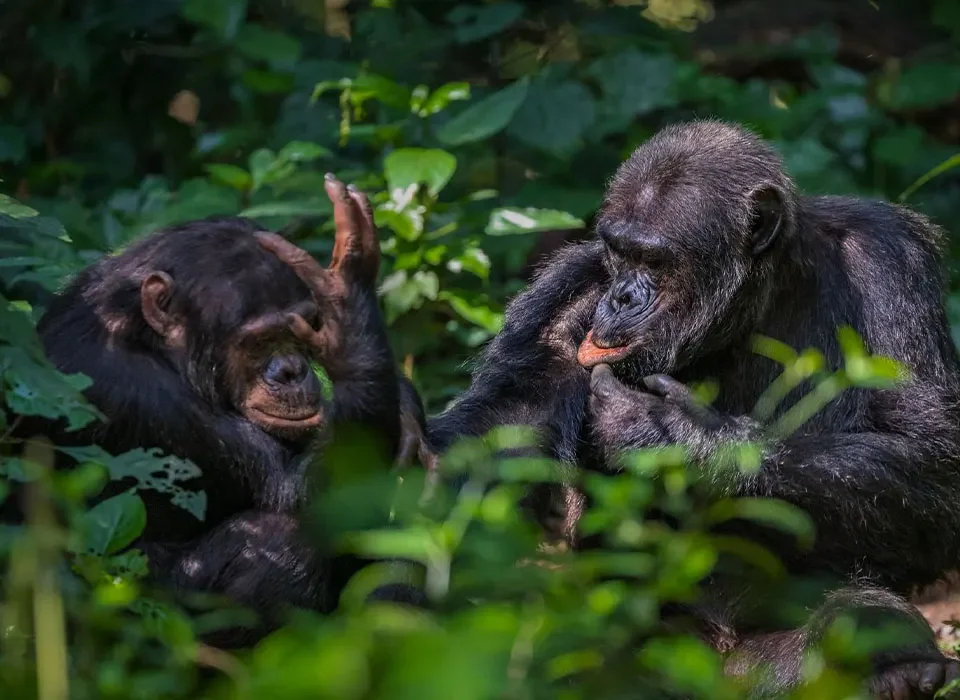
Grooming is one of the most important social activities within chimpanzee communities. Individuals groom one another to maintain social bonds and relationships.
They also play, embrace, touch, vocalize, and cooperate in different situations. Mothers and infants form particularly strong relationships, while adults maintain complex social connections within their communities.
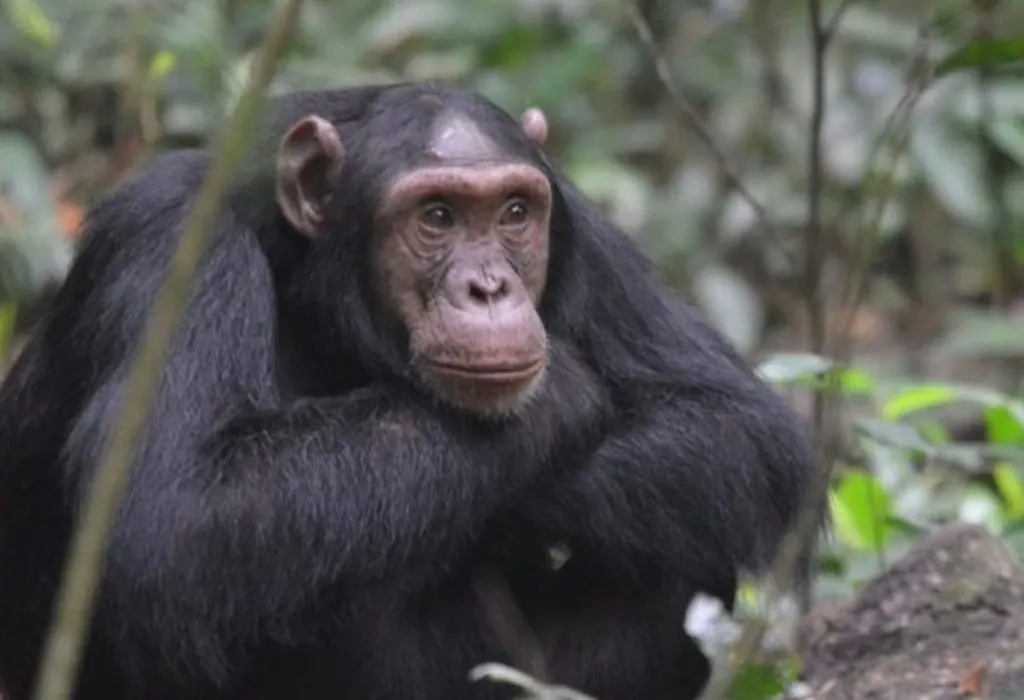
When chimpanzees interact with familiar humans in controlled settings, some may display behaviors that resemble affection. Nevertheless, visitors should not attempt to reproduce these interactions with wild animals.
A behavior that appears playful or affectionate to a person may have a different meaning in chimpanzee social communication.
Are Chimpanzees Friendly in Captivity?
Chimpanzees in captivity can become accustomed to people, but their behavior varies considerably from one individual to another.
Sanctuaries that care for rescued chimpanzees generally aim to provide appropriate social groups, enrichment, food, veterinary care, and space. Professional caregivers understand the animals’ behavior and establish boundaries that protect both chimpanzees and humans.
Even so, chimpanzees should not be treated like dogs, cats, or other domesticated animals.
Their physical strength, social complexity, and behavioral needs make private ownership particularly problematic. Keeping a chimpanzee as a household pet can create risks for people while also preventing the animal from expressing important natural behaviors.
Why Chimpanzees Should Not Be Kept as Pets
Chimpanzees may look cute when they are young, but their needs change dramatically as they mature.
An adult chimpanzee requires considerable physical space, social interaction, mental stimulation, and specialized care. It also develops considerable physical strength.
Furthermore, removing a young chimpanzee from its mother and social group can have serious consequences for its welfare. A human household cannot easily reproduce the complex social environment that chimpanzees need.
Instead of keeping chimpanzees as pets, people can support conservation organizations and responsible tourism initiatives that protect wild populations and their habitats.
How to Safely Observe Chimpanzees
If you plan to visit chimpanzees in Uganda, responsible observation should always be the priority.
During a guided chimpanzee trek, visitors should:
-
Follow the instructions of the ranger and guide.
-
Maintain the required distance from chimpanzees.
-
Avoid touching or feeding the animals.
-
Never chase a chimpanzee to obtain a photograph.
-
Keep noise to a minimum.
-
Avoid sudden movements.
-
Never block an animal’s movement or escape route.
-
Respect all park and conservation regulations.
-
Stay with the trekking group.
These practices protect visitors while also reducing stress and disturbance to chimpanzees.
Chimpanzee Trekking in Uganda
Uganda offers some of Africa’s most memorable opportunities to observe wild chimpanzees. Kibale National Park is particularly well known for chimpanzee tracking and its rich primate diversity.
Visitors can walk through the forest with trained guides and search for chimpanzee communities. Along the way, the experience may include sightings of other primates, birds, butterflies, and forest vegetation.
Budongo Forest, located within the wider Murchison Falls conservation landscape, also provides opportunities for chimpanzee experiences.
For travelers combining primate experiences, Experiya Tour Company can incorporate chimpanzee trekking into a wider Uganda safari itinerary. Depending on the itinerary, travelers can combine chimpanzee trekking with gorilla trekking in Bwindi Impenetrable National Park or Mgahinga Gorilla National Park.
What Should You Expect During Chimpanzee Trekking?
Chimpanzee trekking is different from visiting an enclosure where animals remain in one location.
The chimpanzees move freely through their natural environment, so visitors may need to walk through forest trails before finding them. Once the group locates the chimpanzees, the guide helps visitors observe them without causing unnecessary disturbance.
The experience can be unpredictable in a positive sense. Chimpanzees may remain high in the canopy, move between trees, feed, groom one another, or travel through the forest.
Because the animals control the encounter, patience becomes an important part of the experience.
Chimpanzees and Human Conservation
The relationship between people and chimpanzees extends beyond tourism. Human activities have a major influence on chimpanzee survival.
Habitat loss, hunting, disease transmission, and illegal wildlife trade threaten chimpanzee populations in different parts of Africa. Protecting forests therefore plays an important role in protecting chimpanzees.
Responsible tourism can contribute to conservation by creating economic incentives for communities and supporting protected areas. At the same time, visitors should understand that tourism must be managed carefully to prevent excessive disturbance and disease transmission.
Organizations such as the International Union for Conservation of Nature (IUCN), Chimpanzee Conservation Centre, Jane Goodall Institute, and national wildlife authorities provide valuable information about chimpanzee conservation.
Final Answer: Are Chimpanzees Friendly to Humans?
So, are chimpanzees friendly to humans? Chimpanzees can form strong social bonds and may display behaviors that humans recognize as affection, especially toward familiar caregivers in controlled environments.
However, wild chimpanzees are not domesticated animals. They can become defensive or aggressive when they feel threatened, stressed, or disturbed. Their intelligence and human-like appearance should never encourage people to approach, touch, feed, or attempt to keep them as pets.
The safest and most respectful way to appreciate chimpanzees is to observe them in their natural habitat under professional guidance.
For travelers interested in discovering Uganda’s remarkable primates, Experiya Tour Company can help arrange responsible chimpanzee trekking experiences while connecting them with other wildlife and cultural attractions across the country.
FAQs About Chimpanzees and Humans
Can chimpanzees be friendly to humans?
Chimpanzees can become familiar with and form bonds with particular humans, especially in controlled environments. However, they remain wild animals and should always be treated with caution.
Are chimpanzees dangerous to humans?
Chimpanzees are capable of causing serious injuries. Their behavior can become defensive or aggressive when they feel threatened, stressed, or disturbed.
Can you touch a chimpanzee during trekking?
No. Visitors should not touch wild chimpanzees. Following the instructions of professional guides helps protect both people and animals.
Do chimpanzees like humans?
Chimpanzees do not have one universal attitude toward humans. Some habituated individuals may tolerate people nearby, while others avoid humans. Their behavior depends on circumstances and individual experience.
Can chimpanzees be kept as pets?
Chimpanzees are not suitable household pets. They have complex social, physical, and psychological needs that are extremely difficult to meet in a domestic environment.
Where can I see chimpanzees in Uganda?
Kibale National Park is one of Uganda’s best-known destinations for chimpanzee trekking. Visitors can also find chimpanzee experiences in places such as Budongo Forest.