Nyungwe Chimpanzee Trekking: Discover Rwanda’s Primate Communities
September 23, 2026
Are Chimpanzees Friendly to Humans?
September 28, 2026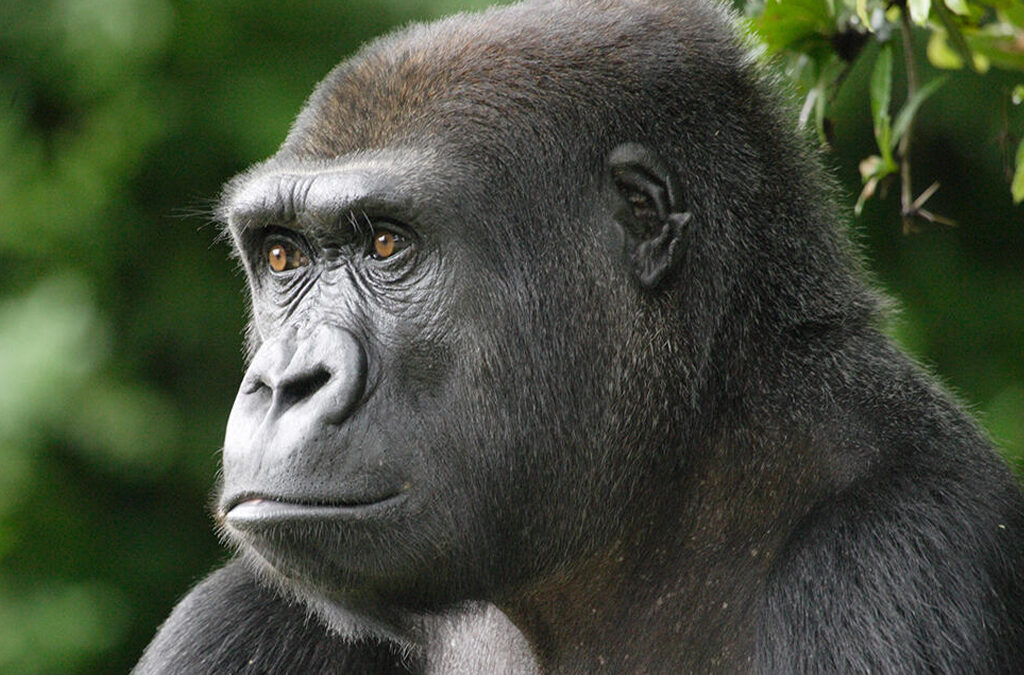
When people think about gorilla trekking in Africa, mountain gorillas often come to mind first. However, Western and Eastern Lowland Gorillas offer equally fascinating wildlife experiences in the forests of Central Africa. Although both belong to the gorilla family, they differ in appearance, distribution, habitat, conservation status, and the environments they call home.
For travelers interested in lowland gorilla trekking, understanding these differences can make planning a wildlife adventure much more meaningful. With the right guidance, Experiya Tour Company can help travelers explore suitable gorilla destinations while learning more about these remarkable great apes.
What Are Western Lowland Gorillas?
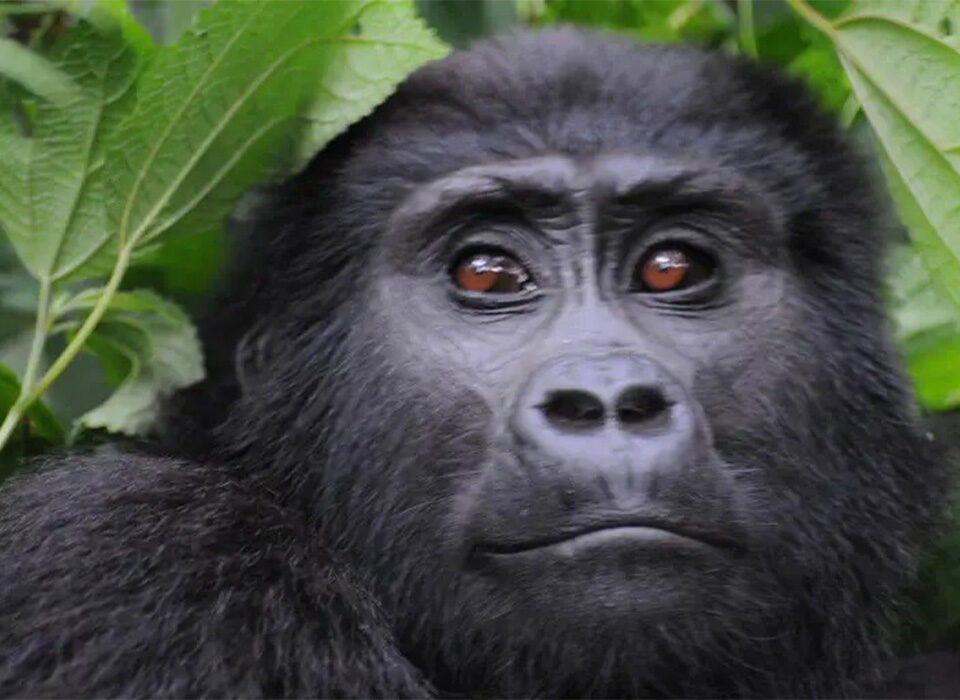
The Western Lowland Gorilla (Gorilla gorilla gorilla) is a subspecies of the western gorilla. It has the widest distribution among the gorilla subspecies and inhabits extensive tropical forests across parts of Central Africa.
You can find Western Lowland Gorillas in countries including the Republic of Congo, Gabon, Cameroon, Equatorial Guinea, the Central African Republic, and parts of the Democratic Republic of Congo. Their forest habitat provides abundant fruits, leaves, shoots, bark, and other vegetation.
Unlike mountain gorillas, Western Lowland Gorillas generally live at lower elevations. They also spend considerable time on the forest floor, although they can climb when necessary, particularly younger individuals.
Physical Characteristics of Western Lowland Gorillas
Western Lowland Gorillas have several characteristics that distinguish them from their eastern relatives. Their bodies are generally smaller and more compact, while their facial structure and coat coloration can vary considerably among individuals.
Some notable characteristics include:
-
Body size: They are generally smaller than Eastern Lowland Gorillas, although adult males remain exceptionally powerful.
-
Coat: Their fur commonly appears dark brown, greyish, or black, with adult males developing the characteristic silver colouring across their backs.
-
Body structure: They have muscular arms, broad chests, strong hands, and powerful legs adapted to life in dense rainforest environments.
What Are Eastern Lowland Gorillas?
The Eastern Lowland Gorilla (Gorilla beringei graueri), also known as Grauer’s gorilla, is the largest of the four recognized gorilla subspecies. It occurs primarily in the eastern Democratic Republic of Congo (DRC).
Eastern Lowland Gorillas inhabit forests ranging from lowland environments to higher-elevation areas. Their distribution has declined significantly because of habitat loss, hunting, insecurity, and other pressures.
One of the best-known destinations for seeing these gorillas is Kahuzi-Biega National Park, where visitors can participate in guided gorilla trekking experiences.
Physical Characteristics of Eastern Lowland Gorillas
Eastern Lowland Gorillas have a powerful build and can appear noticeably larger than Western Lowland Gorillas. Their physical adaptations allow them to move through dense vegetation while feeding on a wide range of plant material.
Important characteristics include:
-
Large body: Adult males can reach impressive weights, making this subspecies particularly robust.
-
Dark coat: Their fur generally ranges from dark brown to black and can appear thicker in some individuals.
-
Strong build: They have broad chests, muscular limbs, and powerful shoulders that support their large bodies.
Western vs Eastern Lowland Gorillas: Main Differences
Although Western and Eastern Lowland Gorillas share many biological characteristics, several differences help distinguish them.
| Feature | Western Lowland Gorilla | Eastern Lowland Gorilla |
|---|---|---|
| Scientific name | Gorilla | Gorilla beringei graueri |
| Main range | Central and western parts of Central Africa | Mainly eastern Democratic Republic of Congo |
| Body size | Generally smaller | Generally larger |
| Coat | Dark brown, greyish or black | Usually dark brown to black |
| Habitat | Mainly tropical lowland rainforest | Lowland and higher-elevation forests |
| Diet | Fruits, leaves, shoots, stems and other vegetation | Leaves, stems, fruits and other plant material |
| Main trekking destination | Republic of Congo and selected Central African destinations | Kahuzi-Biega National Park, DRC |
| Conservation status | Critically Endangered | Critically Endangered |
These differences make each subspecies interesting in its own right. However, travelers should also remember that gorilla populations, habitats, and tourism opportunities can change over time because of conservation conditions and local circumstances.
Where Do Western Lowland Gorillas Live?
Western Lowland Gorillas occupy some of Central Africa’s most extensive rainforest ecosystems. Their range stretches across several countries, although populations are not evenly distributed.
The Republic of Congo is particularly well known for Western Lowland Gorilla experiences, including Odzala-Kokoua National Park. Gabon also protects important gorilla habitat in places such as Lopé National Park and other forest landscapes.
These forests support much more than gorillas. They also provide habitat for forest elephants, chimpanzees, buffaloes, monkeys, birds, and numerous plant species.
Where Do Eastern Lowland Gorillas Live?
Eastern Lowland Gorillas have a much more restricted range. Most surviving populations occur in the eastern Democratic Republic of Congo, where forests provide essential habitat for this critically endangered subspecies.
Kahuzi-Biega National Park remains one of the most recognized places for travelers interested in Eastern Lowland Gorilla trekking. The park combines rainforest landscapes, mountainous terrain, and exceptional biodiversity.
Travelers planning a visit should work with a reputable operator such as Experiya Tour Company and obtain current information about permits, park access, accommodation, transport, and local security conditions before departure.
What Do Lowland Gorillas Eat?
Both Western and Eastern Lowland Gorillas are predominantly herbivorous. Their diets include a wide variety of plant material, although the exact foods available depend on the season and habitat.
Western Lowland Gorillas often consume fruits when they are abundant. They also eat leaves, shoots, stems, bark, seeds, and other vegetation. Eastern Lowland Gorillas similarly depend heavily on vegetation and can consume fibrous plant material.
Their ability to exploit different foods helps them survive in changing forest environments.
Conservation of Lowland Gorillas
Conservation remains essential for both Western and Eastern Lowland Gorillas. Habitat destruction, hunting, disease, human-wildlife conflict, and insecurity have affected gorilla populations in different parts of Central Africa.
Protected areas provide important refuges, while scientific research, ranger patrols, community conservation initiatives, and responsible tourism contribute to long-term protection.
Responsible visitors can support conservation by following park rules, maintaining appropriate distances from gorillas, avoiding littering, and respecting local communities.
Can You Trek Western and Eastern Lowland Gorillas?
Yes, travelers can experience guided gorilla encounters in selected destinations, although tourism opportunities differ between countries and parks. Eastern Lowland Gorilla trekking is particularly associated with Kahuzi-Biega National Park in the DRC.
Western Lowland Gorilla tourism is available in selected Central African destinations, including the Republic of Congo. However, access can depend on park operations, permits, conservation programs, transport connections, and prevailing security conditions.
For that reason, travelers should confirm current arrangements before booking.
Is Lowland Gorilla Trekking Safe?
Safety conditions vary according to the destination and can change over time. This is especially important when planning travel to parts of the Democratic Republic of Congo.
Before traveling, visitors should obtain current security advice, use established tourism operators, follow instructions from park authorities, and avoid traveling independently into unfamiliar areas.
Experiya Tour Company can assist travelers with safari planning, transportation arrangements, accommodation, permits, and other practical aspects of a Central African wildlife journey, subject to the availability and operating conditions of the destination.
Best Time for Lowland Gorilla Trekking
Gorilla trekking can operate throughout much of the year, but weather can influence trail conditions and travel logistics. Drier periods may make forest trails easier to navigate, while rainy periods can bring slippery paths and heavier rainfall.
However, wet seasons can also create lush forest scenery and may offer their own advantages. Rather than focusing only on weather, consider your preferred travel dates, budget, accommodation availability, and the specific park you want to visit.
What to Expect During a Gorilla Trek
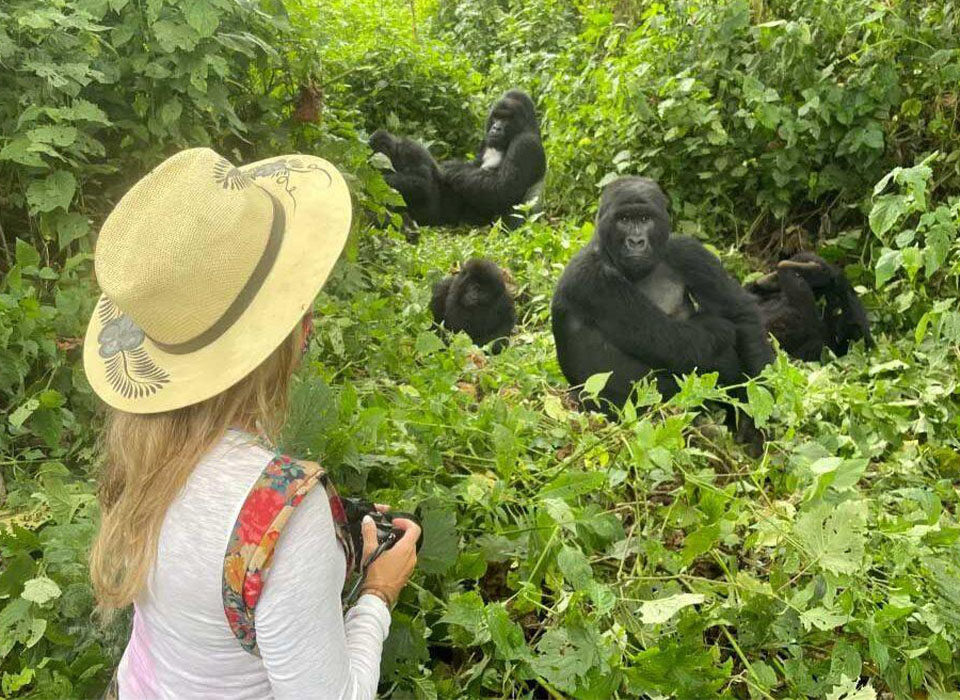
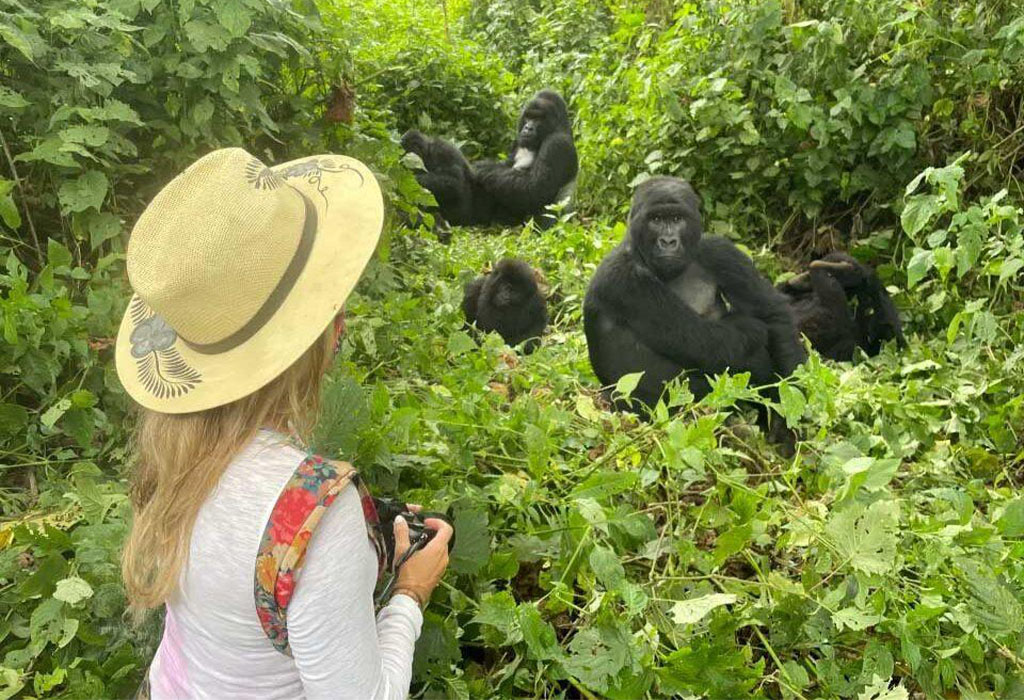
A lowland gorilla trekking experience usually begins with a briefing from park staff or guides. Visitors then enter the forest with trained trackers who search for the gorilla group.
Once the gorillas are located, travelers observe them quietly while following the rules established by the relevant park authority. The experience can provide remarkable opportunities to watch feeding, movement, social interactions, and family behaviour.
-
Before trekking: Attend the briefing, prepare suitable clothing, carry water, and follow your guide’s instructions.
-
During the trek: Walk carefully, remain with your group, respect the recommended distance, and avoid loud noises.
-
After the encounter: Leave the forest without disturbing the animals and help protect the destination through responsible travel practices.
Where to Stay During a Lowland Gorilla Safari
Accommodation depends on the destination you choose. Gorilla trekking areas can offer lodges, camps, hotels, and community-based accommodation at different price levels.
For travelers visiting destinations such as Kahuzi-Biega, accommodation near the park can reduce early-morning travel time. In the Republic of Congo, safari camps and lodges provide access to forest experiences around protected areas such as Odzala-Kokoua.
Experiya Tour Company can help travelers select accommodation according to their budget, itinerary, preferred comfort level, and planned activities.
Western and Eastern Lowland Gorillas vs Mountain Gorillas
It is also useful to distinguish lowland gorillas from mountain gorillas. Mountain Gorillas (Gorilla beringei beringei) inhabit high-altitude forests of Uganda, Rwanda, and the Democratic Republic of Congo.
By comparison, Western and Eastern Lowland Gorillas occupy predominantly lower-elevation forest ecosystems, although Eastern Lowland Gorillas can occur across a broader range of elevations.
For travelers interested specifically in gorilla trekking in Uganda, Experiya Tour Company can organize experiences in destinations such as Bwindi Impenetrable National Park and Mgahinga Gorilla National Park, where visitors encounter mountain gorillas rather than lowland gorillas.
Plan Your Gorilla Adventure with Experiya Tour Company
Understanding the differences between Western and Eastern Lowland Gorillas adds depth to any Central African wildlife adventure. From their body size and appearance to their geographical distribution and conservation challenges, these great apes demonstrate the incredible diversity within the gorilla family.
Whether you are interested in Eastern Lowland Gorilla trekking in the Democratic Republic of Congo or exploring Western Lowland Gorilla habitats in Central Africa, careful planning is essential.
Experiya Tour Company can help you develop a responsible gorilla and wildlife itinerary based on your destination, travel dates, interests, accommodation preferences, and available budget. With thoughtful preparation, your journey can become more than a wildlife encounter—it can be an opportunity to appreciate Central Africa’s forests and contribute to the importance of conserving them.