Are Guided Bird-Watching Tours Available Around Lake Bunyonyi?
September 15, 2026
How Do I Get to Lake Bunyonyi from Kampala or Entebbe?
September 15, 2026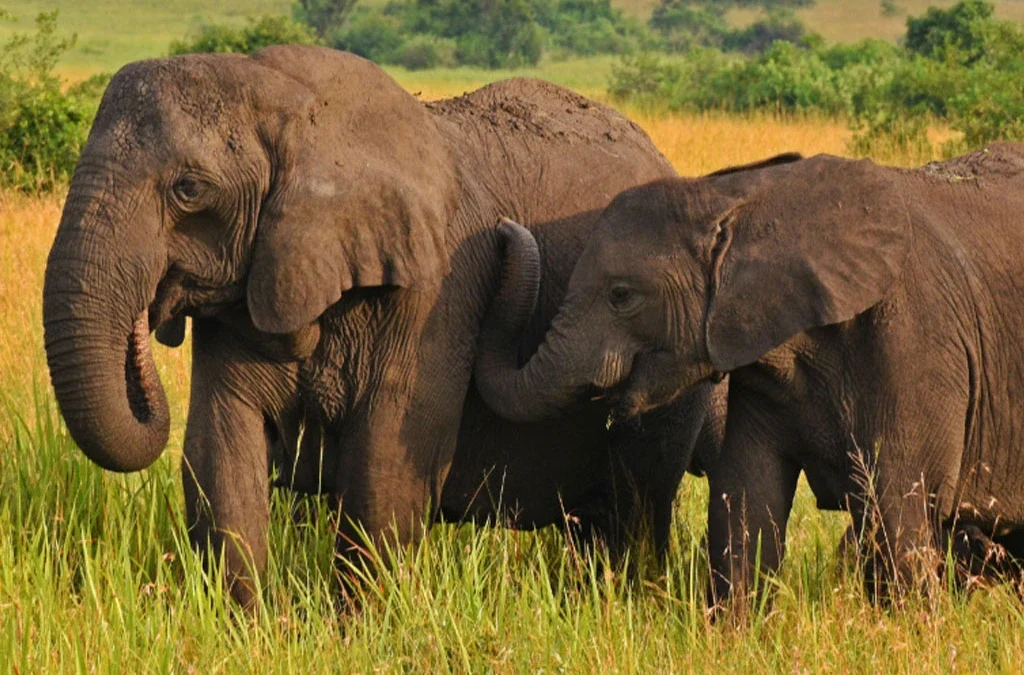
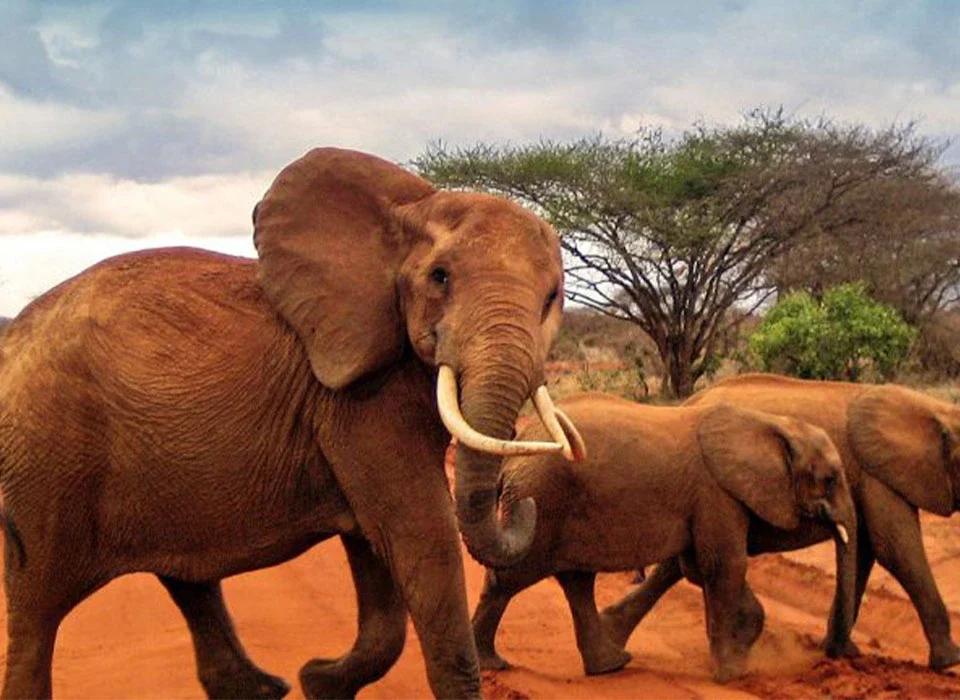
Uganda is one of East Africa’s most rewarding destinations for elephant encounters. Across its savannah plains, woodland, wetlands, and forests, elephants play a remarkable role in shaping the environments they call home. However, seeing a herd on a game drive is only the beginning. Once you understand their behaviour, family relationships, communication, and importance to the ecosystem, every sighting becomes far more meaningful.
A Uganda safari offers travellers the opportunity to observe these magnificent animals in natural surroundings while learning about the landscapes and communities connected to them. Elephants create pathways, disperse seeds, open up vegetation, and sometimes dig for water. In other words, they do not simply inhabit Uganda’s ecosystems; they actively influence them.
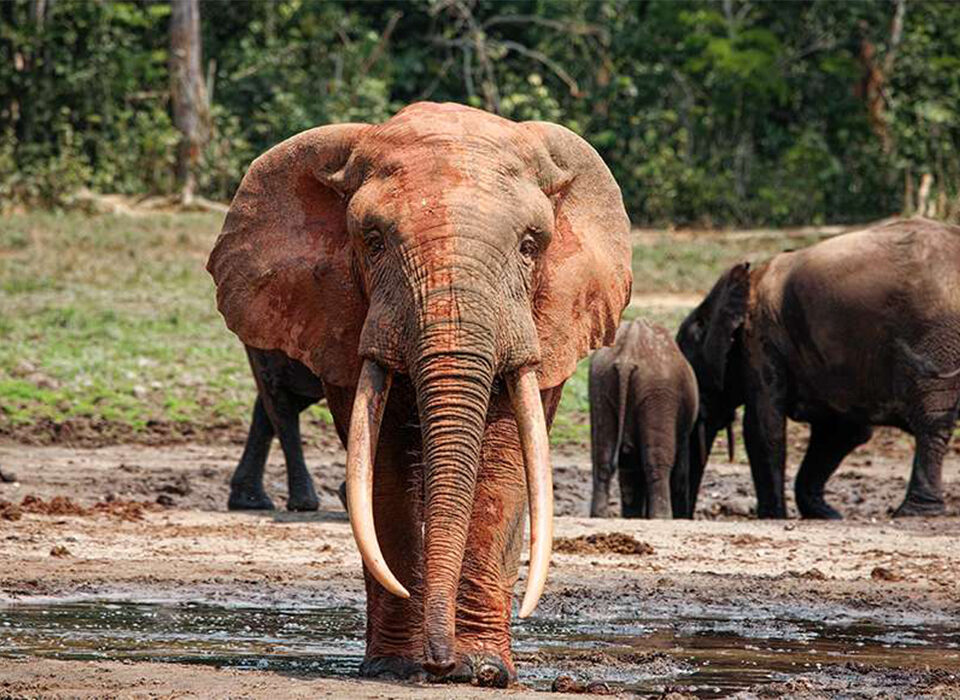
Uganda supports both savannah and forest elephants, although their distribution and habitats differ. The country’s major wildlife areas provide varied opportunities to observe these animals, making elephant encounters an important part of a well-planned Uganda wildlife safari.
Understanding Uganda’s Elephant Family Life
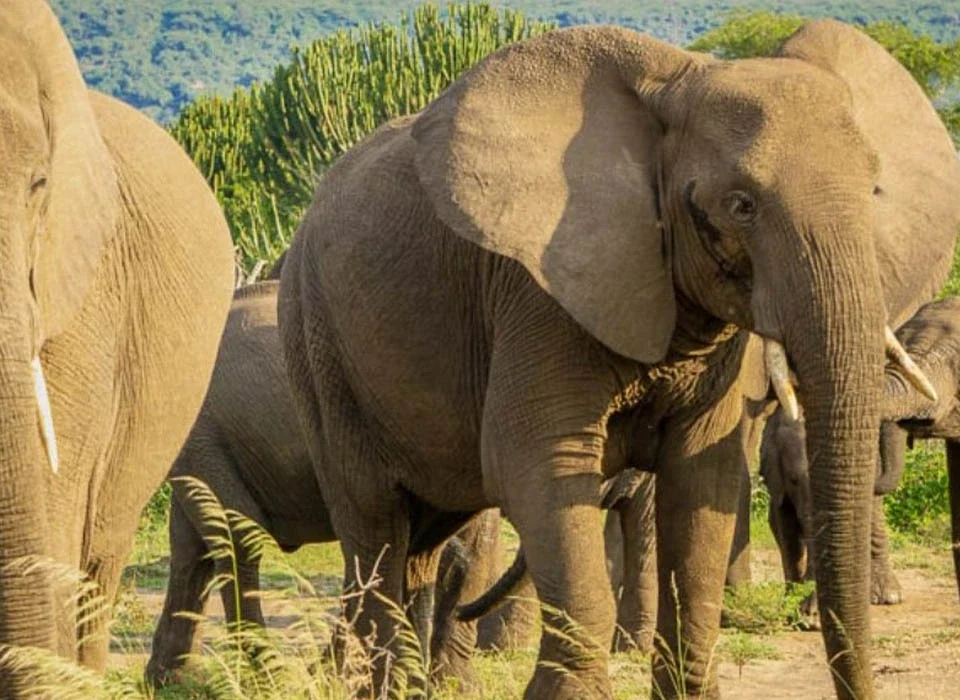
Elephants have sophisticated social structures built around strong family relationships. Female elephants and their young usually form the heart of family herds. An experienced matriarch often leads the group, guiding its movements and helping younger elephants respond to changing conditions.
The matriarch’s experience can prove particularly valuable during difficult periods. She may remember locations where water and food are available and help the herd navigate familiar routes. Calves, meanwhile, learn by watching and interacting with older members of the family.
Young elephants receive attention from several members of the herd, not just their mothers. This cooperative behaviour strengthens family bonds and gives calves opportunities to develop social skills. Watching these interactions during a game drive can therefore reveal much more than simply the size of a herd.
Male elephants generally follow a different social pattern. Young males eventually leave their natal groups and may travel independently or associate temporarily with other bulls. Mature males can cover considerable distances while searching for food, water, and receptive females.
How Elephants Communicate
One of the most fascinating aspects of elephant behaviour is communication. These animals communicate using trumpets, rumbles, body movements, touch, ear positions, and other physical signals.
Some low-frequency sounds can travel over considerable distances, allowing elephants to communicate when members of a group are separated. A traveller may not always hear these sounds clearly, but the elephants can still exchange information across their surroundings.
Body language is equally important. An elephant may spread its ears, raise its head, swing its trunk, or change its posture when responding to another animal, a vehicle, or a perceived threat.
Consequently, a knowledgeable safari guide can help visitors interpret what they are seeing. A seemingly simple interaction between elephants may actually reveal a complex social exchange.
Where to See Elephants in Uganda
Uganda offers several destinations where travellers can look for elephants. Each location provides a different setting and, therefore, a different wildlife experience.
Queen Elizabeth National Park is among the best-known destinations for elephant viewing. Its combination of savannah, woodland, wetlands, lakes, and the Kazinga Channel creates productive wildlife habitat. Elephants can be encountered during game drives, particularly around areas where food and water are readily available.
Murchison Falls National Park also provides excellent opportunities. Its broad savannah landscapes and riverine environments support substantial wildlife populations. Game drives across the northern sector can bring travellers close to elephants, buffaloes, giraffes, antelopes, lions, and other species.
Further north, Kidepo Valley National Park offers a distinctly different setting. Rugged mountains, expansive plains, seasonal rivers, and dry valleys create a dramatic backdrop for wildlife viewing. Elephant encounters here can feel especially rewarding because of the park’s remote character and striking scenery.
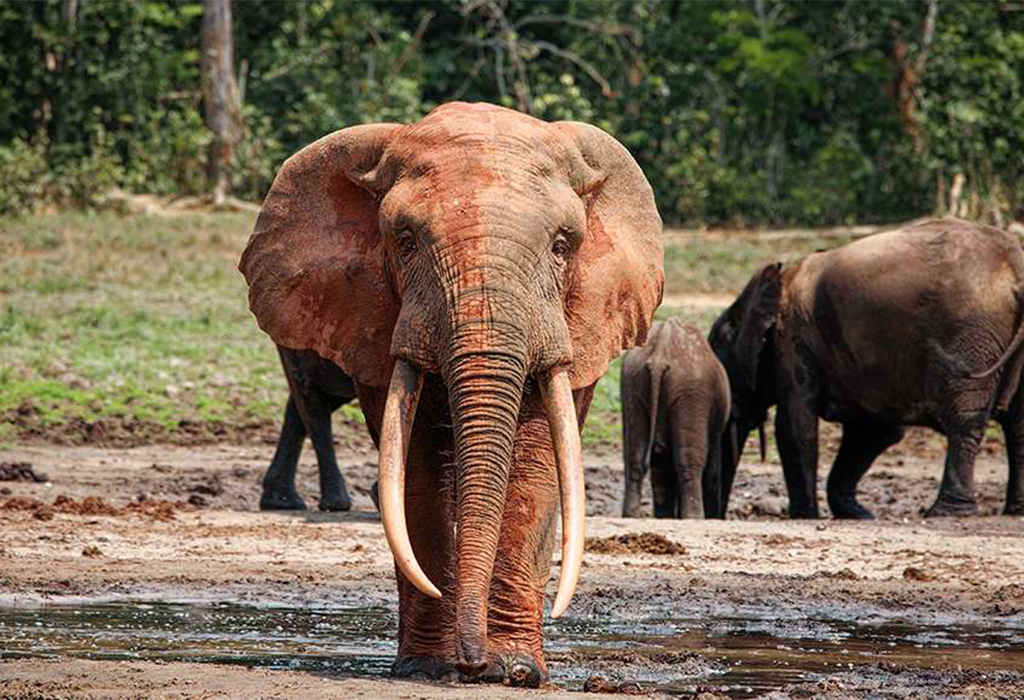
Forest elephants present another side of Uganda’s elephant story. Their habitat differs significantly from the open savannah environments associated with many traditional elephant sightings. Travellers exploring Uganda’s western forests may therefore gain a broader understanding of the country’s elephant diversity.
Why Elephants Matter to Uganda’s Ecosystems
Elephants are often described as ecosystem engineers because their daily activities can reshape their surroundings.
As elephants feed, they break branches, push through vegetation, create paths, and open spaces within dense habitats. These changes can influence how other animals move through an area and how vegetation develops.
Their role in seed dispersal is equally important. Elephants consume fruits and other plant material and can later deposit seeds far from the original plants. In suitable conditions, these seeds may contribute to forest and woodland regeneration.
Water also influences elephant movements. During dry periods, elephants may travel considerable distances between feeding areas and reliable water sources. Their ability to dig or expose water in some environments can benefit other animals that share the same landscape.
For visitors, these ecological connections add another dimension to a game drive. Broken branches, footprints, dung, feeding marks, and well-used paths can provide clues about elephant activity even before a herd comes into view.
Experiencing Elephants on a Uganda Safari
A rewarding elephant safari requires patience. Wildlife does not follow a timetable, and elephants may behave differently depending on the season, weather, food availability, and water conditions.
Early morning game drives can be particularly enjoyable because temperatures are often cooler and many animals are active. The gentle morning light can also create excellent conditions for photography.
However, travellers should avoid treating a safari as a race to find as many animals as possible. Instead, spending time watching a herd can reveal behaviours that might otherwise be missed.
You may see adults guiding calves, young elephants playing, bulls interacting, or a herd quietly feeding. Sometimes elephants simply stand together, touching trunks or resting in the shade. These quieter moments can become some of the most memorable parts of a safari.
At Experiya Tour Company, responsible wildlife viewing remains central to the safari experience. Guides should maintain appropriate distances, avoid obstructing animals, and give elephants room to move naturally.
Elephant Conservation and Responsible Tourism
Despite their resilience, elephants face several conservation challenges. Habitat loss, fragmentation, human-wildlife conflict, and illegal wildlife trafficking have affected elephant populations across Africa.
Uganda has strengthened wildlife conservation through protected-area management, monitoring, law enforcement, and community-focused initiatives. Conservation is particularly important because elephants require extensive habitats and regularly move between feeding and water areas.
Tourism can support these efforts in several ways. Protected-area fees contribute to the management of national parks, while safari tourism creates employment for guides, drivers, lodge workers, conservation staff, artisans, and community enterprises.
Travellers can also make responsible choices. Avoid purchasing ivory or other products made from protected wildlife. Follow park regulations, listen to your guide, and never encourage a driver to approach an animal too closely for a photograph.
Responsible tourism also means respecting people living near protected areas. Communities are an important part of Uganda’s conservation landscape, and tourism can provide meaningful economic opportunities when local people participate in and benefit from the industry.
Connecting Wildlife with Ugandan Culture
An elephant safari becomes even more rewarding when combined with cultural experiences. Uganda’s wildlife destinations are surrounded by communities with diverse traditions, cuisines, crafts, music, and stories.
Travellers can visit communities, learn about local farming practices, experience traditional cooking, meet artisans, or participate in cultural performances. In western Uganda, for example, visitors can discover the cultural heritage of communities around Queen Elizabeth National Park and the wider Kasese and Rwenzori region.
Food can also become part of the journey. Traditional dishes featuring matoke, cassava, sweet potatoes, groundnut sauces, vegetables, and other local ingredients offer travellers a chance to experience Uganda beyond its wildlife.
Coffee experiences provide another interesting addition. Visitors can learn how coffee is cultivated, harvested, processed, roasted, and prepared while interacting with people involved in its production.
These encounters create a stronger connection between travellers, wildlife, landscapes, and the people who call these places home.
Combining Elephant Viewing with Other Adventures
Elephant viewing does not have to stand alone. Uganda makes it possible to combine wildlife experiences with a wide range of activities.
A visit to Queen Elizabeth National Park can include a game drive followed by a boat cruise on the Kazinga Channel. From the water, travellers may observe elephants coming close to the shoreline alongside hippos, buffaloes, crocodiles, and numerous waterbirds.
Longer itineraries can connect Queen Elizabeth with Kibale National Park for chimpanzee trekking, Bwindi Impenetrable National Park for gorilla trekking, or the Rwenzori region for mountain and cultural experiences.
Birdwatching, nature walks, community visits, fishing, boat trips, and photography can also complement traditional game drives. This flexibility makes Uganda suitable for couples, families, photographers, solo travellers, and adventure enthusiasts.
Planning Your Elephant Safari
Good preparation can make your safari more comfortable and rewarding. Consider the destinations you want to visit, the amount of time available, your preferred accommodation, and the activities you want to combine.
A private safari can offer greater flexibility because you can spend more time at interesting sightings and adjust the pace of your journey. An experienced guide is equally valuable because guides understand animal behaviour, road conditions, seasonal changes, and the different habitats within each park.
Choose accommodation according to your priorities, whether you value proximity to wildlife areas, comfort, privacy, community connections, or sustainability.
Most importantly, maintain realistic expectations. Elephants are wild animals, and no responsible safari operator can guarantee a particular sighting. Their unpredictability is part of what makes wildlife travel special.
Discover the Secret Lives of Uganda’s Elephants with Experiya Tour Company
The secret lives of Uganda’s elephants reveal a world of family bonds, communication, survival, ecological influence, and adaptation. From the savannahs of Queen Elizabeth and Murchison Falls to the remote landscapes of Kidepo Valley and Uganda’s western forests, elephants offer travellers countless opportunities for discovery.
Yet the greatest safari experience goes beyond taking photographs. It comes from understanding why elephants matter, observing them respectfully, appreciating the landscapes they shape, and recognising the conservation efforts that protect them.
Experiya Tour Company can help travellers build Uganda safari experiences that combine elephant viewing with other wildlife encounters, cultural activities, scenic landscapes, and responsible tourism. With thoughtful planning and an experienced guide, every sighting can become an opportunity to learn something new about Uganda’s remarkable natural heritage.
The next time an elephant appears on your safari, take a moment to watch more closely. Behind every movement is a story of family, communication, survival, and a deep connection with the landscape.