Rwanda Safari for Small Groups and Families
September 11, 2026
Nyungwe Forest Primate Species Beyond Chimpanzees
September 11, 2026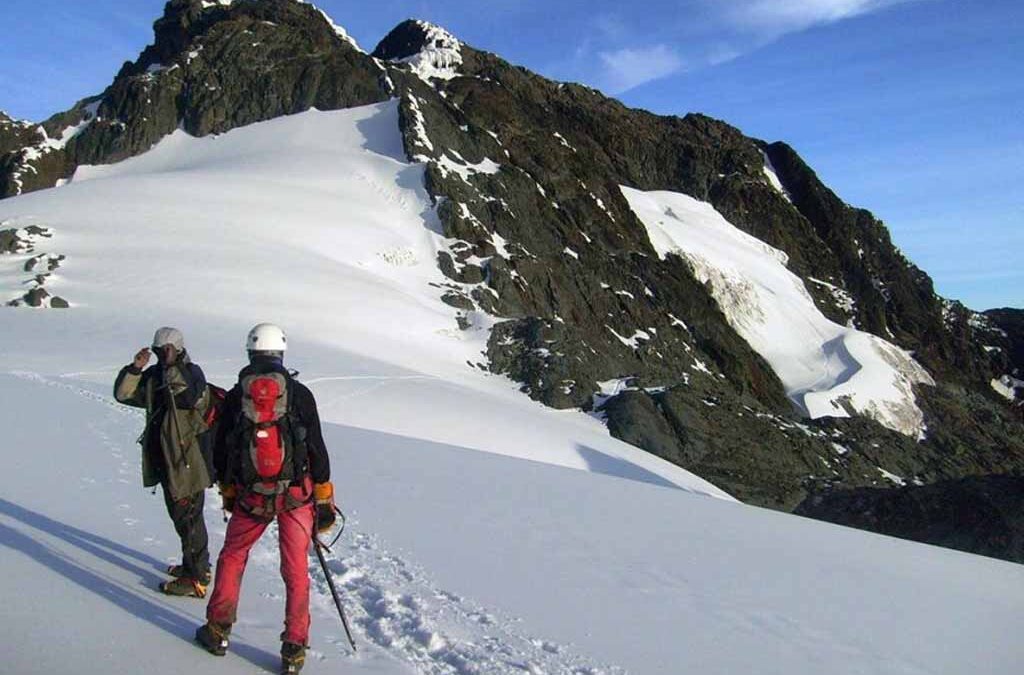
The Rwenzori Mountains National Park offers one of Uganda’s most remarkable mountain adventures. Known as the “Mountains of the Moon,” the Rwenzoris rise dramatically along Uganda’s western border with the Democratic Republic of Congo. Their mist-covered peaks, glaciers, waterfalls, alpine vegetation, lakes, and deep valleys create a landscape unlike almost anywhere else in Africa.
For adventurous travelers, a Rwenzori trekking experience combines physical challenge with extraordinary scenery. Depending on your interests and fitness level, you can choose shorter mountain walks or undertake a demanding climb toward Margherita Peak, Uganda’s highest point at 5,109 meters above sea level.
About Rwenzori Mountains National Park
Uganda established Rwenzori Mountains National Park in 1991 to protect the remarkable ecosystems and wildlife of the mountain range. UNESCO later recognized the park as a World Heritage Site in 1994, highlighting its exceptional natural and ecological importance.
The protected area covers approximately 996 square kilometers and contains a fascinating mixture of forests, bamboo zones, alpine vegetation, glaciers, rivers, and high-altitude lakes. Although the mountains lie close to the equator, their highest peaks remain covered with snow and ice.
The Rwenzoris also receive substantial rainfall throughout the year. This creates a cool, wet environment that supports dense vegetation on the lower slopes and unique alpine plants at higher elevations.
Margherita Peak and the Highest Mountains
The Rwenzori range consists of several major peaks, with Mount Stanley, Mount Speke, and Mount Baker being among the most prominent. Mount Stanley contains Margherita Peak, which rises to 5,109 meters and is the highest point in Uganda.
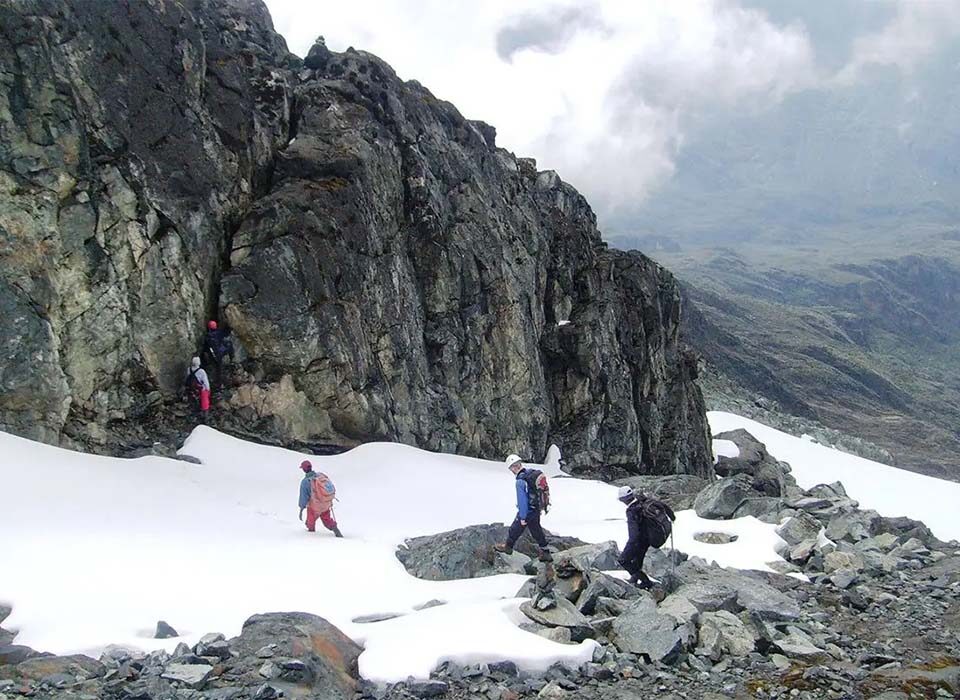
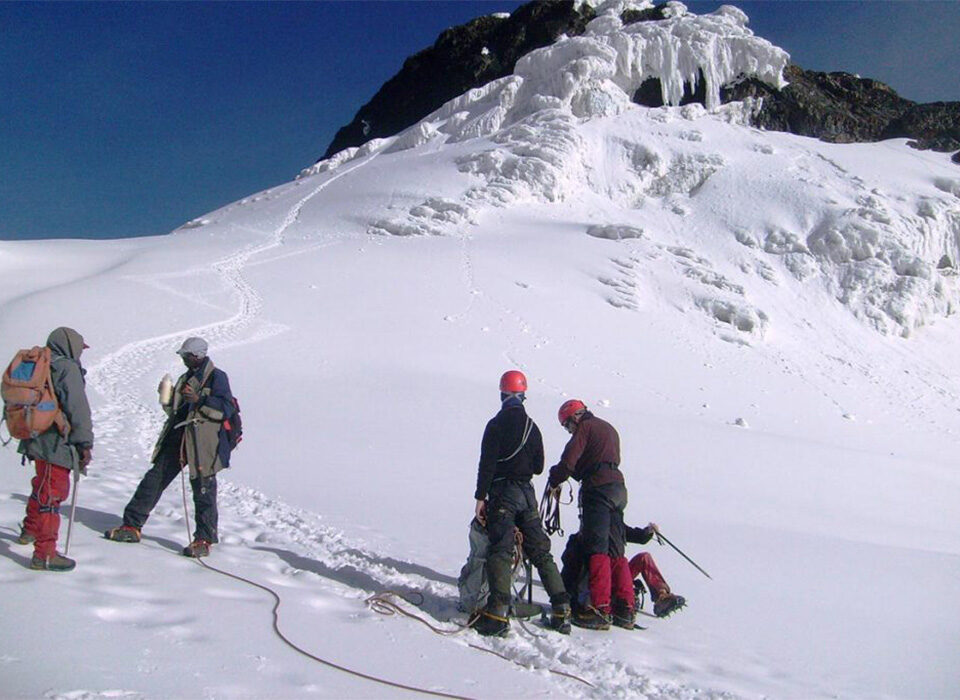
Reaching Margherita Peak requires considerably more preparation than a normal mountain hike. Trekkers typically spend several days ascending gradually, allowing their bodies to adjust to the increasing altitude. The final sections involve challenging terrain, and climbers may encounter snow, ice and steep rock surfaces.
However, you do not have to climb to the summit to appreciate the Rwenzoris. Shorter treks provide opportunities to explore the lower forests, valleys, waterfalls, and mountain landscapes without committing to a high-altitude summit expedition.
Rwenzori Trekking Routes
Travelers can explore the mountains through different trekking routes, with the Kilembe Trail and Central Circuit among the best-known options.
The Kilembe Trail approaches the mountains from the southern side near Kasese and passes through spectacular valleys, forests, alpine zones, and high-altitude lakes. It is particularly attractive to hikers who want a scenic and gradual journey through several ecological zones.
The Central Circuit begins from the Nyakalengija side and provides another route into the heart of the mountains. The route takes trekkers through forest and bamboo zones before reaching the higher alpine landscapes.
Your choice of route should depend on your fitness, available time, experience, and trekking objectives. Experiya Tour Company can help travelers choose an itinerary that matches their abilities and interests.
What Makes Rwenzori Trekking Special?
Unlike many African mountain destinations, the Rwenzoris offer an exceptionally diverse trekking environment. During a single journey, you can move from tropical forest into bamboo woodland, then continue through giant heathers, boggy valleys and spectacular Afro-alpine vegetation.
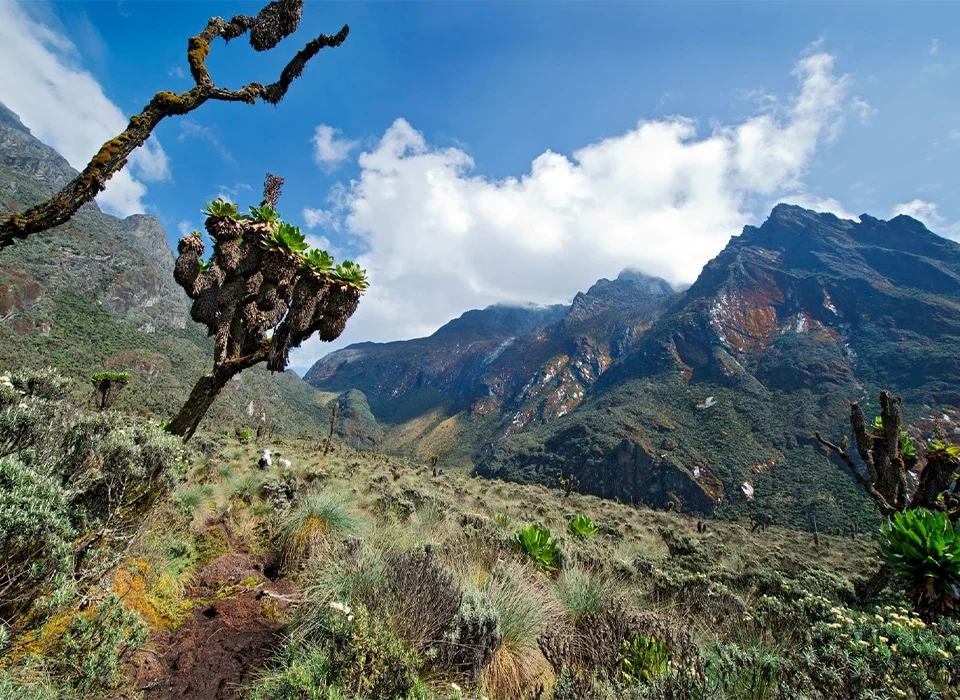
The landscape becomes increasingly dramatic as you gain altitude. Giant lobelias and groundsels dominate parts of the high-altitude environment, while mosses and lichens cover rocks and trees in the wetter sections.
The mountains also contain numerous streams, waterfalls, and lakes. Along the Kilembe Trail, trekkers can encounter beautiful lakes formed by glacial activity, adding another dimension to the already impressive scenery.
The Rwenzori Vegetation Zones
One of the most fascinating features of the Rwenzoris is the rapid change in vegetation with altitude. The lower slopes support Afro-montane forests containing large trees, dense undergrowth, birds, and other forest species.
As you climb higher, the forest gradually gives way to bamboo vegetation. Above this zone, giant heathers and moss-covered vegetation become increasingly common.
At around 3,800 meters and above, the landscape changes dramatically into the Afro-alpine zone. Giant groundsels, lobelias, tussock grasses, mosses and lichens create an almost otherworldly environment. Beyond approximately 4,500 meters, vegetation becomes increasingly sparse as rock, snow and ice dominate the landscape.
This extraordinary succession of habitats makes the Rwenzoris particularly valuable for botanists, photographers, birdwatchers and nature lovers.
Accommodation on the Mountain
Accommodation during a Rwenzori trek is generally simple but practical. Trekkers usually spend nights in mountain huts positioned along the established trails. These facilities provide basic shelter, sleeping areas, and toilets.
Before and after your trek, you can stay in accommodation around Kasese, which serves as an important gateway to the Rwenzori Mountains. Travelers may also choose accommodation closer to the trailhead depending on their selected route.
During a multi-day trek, meals and drinking water arrangements are normally incorporated into the expedition. Because mountain hiking requires considerable energy, travelers should prepare for long days of walking and changing weather conditions.
What to Pack for a Rwenzori Trek
Proper preparation is essential because weather conditions can change quickly in the mountains. Waterproof hiking boots with good ankle support are particularly important because sections of the trails can become muddy and slippery.
Pack warm and waterproof clothing, several layers, gloves, a hat, and suitable rain protection. A quality sleeping bag rated for cold temperatures is also important for higher elevations.
You should also carry a comfortable backpack, trekking poles, a headlamp, sunscreen, sunglasses, personal medication and basic first-aid supplies. Water purification tablets or a reliable filtration system can provide additional protection when using mountain water sources.
Your exact packing list will depend on the route, duration, and altitude of your trek.
Fitness and Altitude Preparation
Rwenzori trekking can be physically demanding. Even shorter routes involve prolonged walking over uneven terrain, while summit expeditions require greater endurance and preparation.
Altitude also becomes an important consideration as you climb higher. A gradual itinerary gives your body more time to adapt and can reduce the risk of altitude-related problems. Trekkers should communicate with their guides if they experience symptoms such as severe headaches, dizziness, unusual fatigue, or difficulty breathing.
You do not necessarily need to be an expert mountaineer to enjoy the Rwenzoris. Nevertheless, anyone planning to reach the highest peaks should prepare physically and understand the demands of high-altitude trekking.
Best Time to Visit the Rwenzori Mountains
The Rwenzoris experience rainfall throughout the year, so trekkers should expect changing weather conditions regardless of the season. Drier periods generally provide more favorable trekking conditions, although weather in the mountains can change unexpectedly.
The wet conditions contribute to the spectacular vegetation and rivers that make the Rwenzoris so beautiful. Therefore, good waterproof equipment remains essential even when visiting during a relatively dry period.
How to Get to Rwenzori Mountains National Park
Kasese provides one of the main gateways to the Rwenzori Mountains. Travelers can reach the area by road from Kampala or Entebbe, usually passing through western Uganda and towns such as Fort Portal.
Domestic flights can also connect travelers to Kasese, offering a faster alternative to the long road journey. From Kasese, travelers continue to their selected trailhead and receive a briefing before beginning the trek.
The park also combines easily with other attractions in western Uganda. For example, you can combine a Rwenzori adventure with a safari in Queen Elizabeth National Park, chimpanzee trekking in Kibale National Park, or gorilla trekking in Bwindi Impenetrable National Park.
Plan Your Rwenzori Adventure with Experiya Tour Company
The Rwenzori Mountains offer far more than a challenging climb. They provide an opportunity to experience one of Africa’s most unusual mountain ecosystems, from tropical forests and bamboo valleys to giant alpine plants, glacial landscapes, and snow-covered peaks.
Whether you want a shorter nature trek or a demanding expedition toward Margherita Peak, proper planning will make your experience safer and more enjoyable. Experiya Tour Company can help organize your route, transportation, accommodation, guides, and other arrangements for a memorable Rwenzori Mountains adventure.
With dramatic landscapes, fascinating vegetation and the opportunity to stand among some of Uganda’s highest peaks, the Rwenzoris deserve a place on the itinerary of every adventurous traveler exploring the Pearl of Africa.