Best Guide to Rwenzori Mountains National Park
September 11, 2026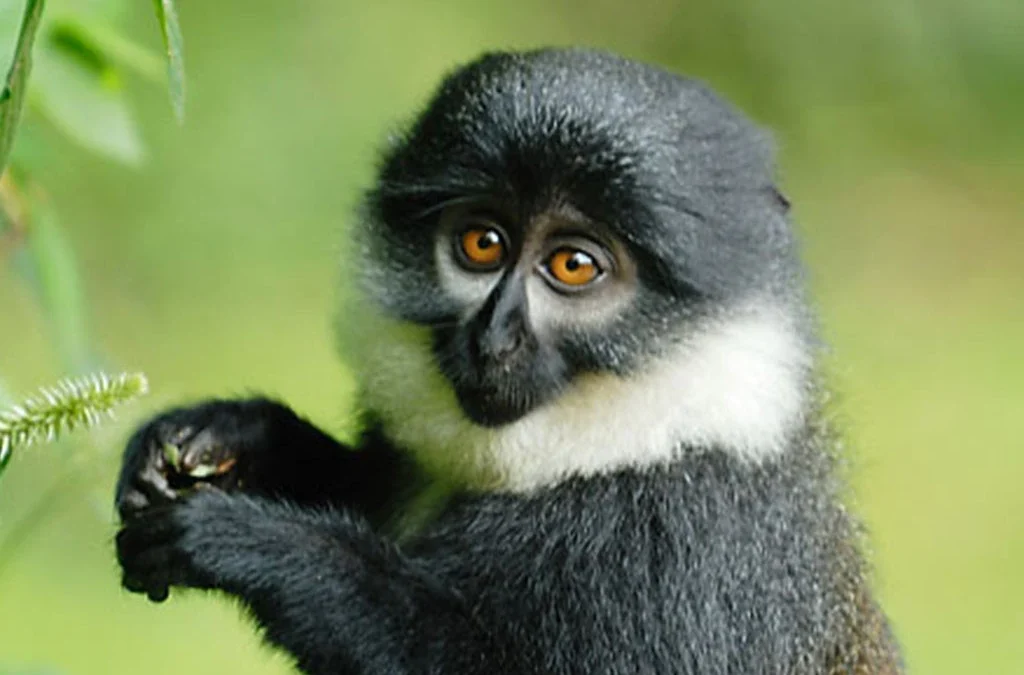
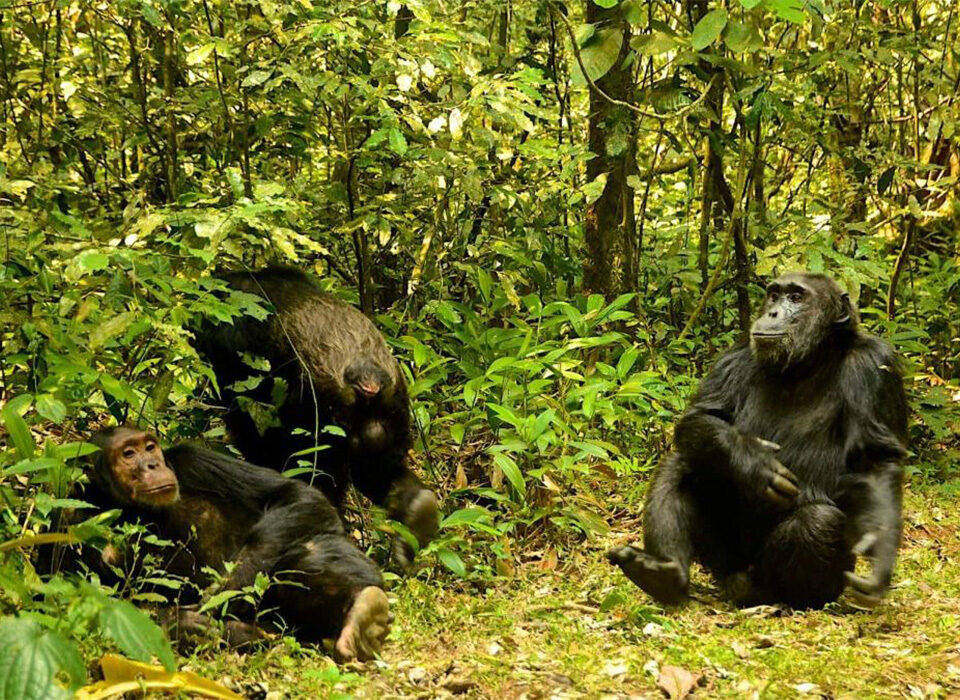
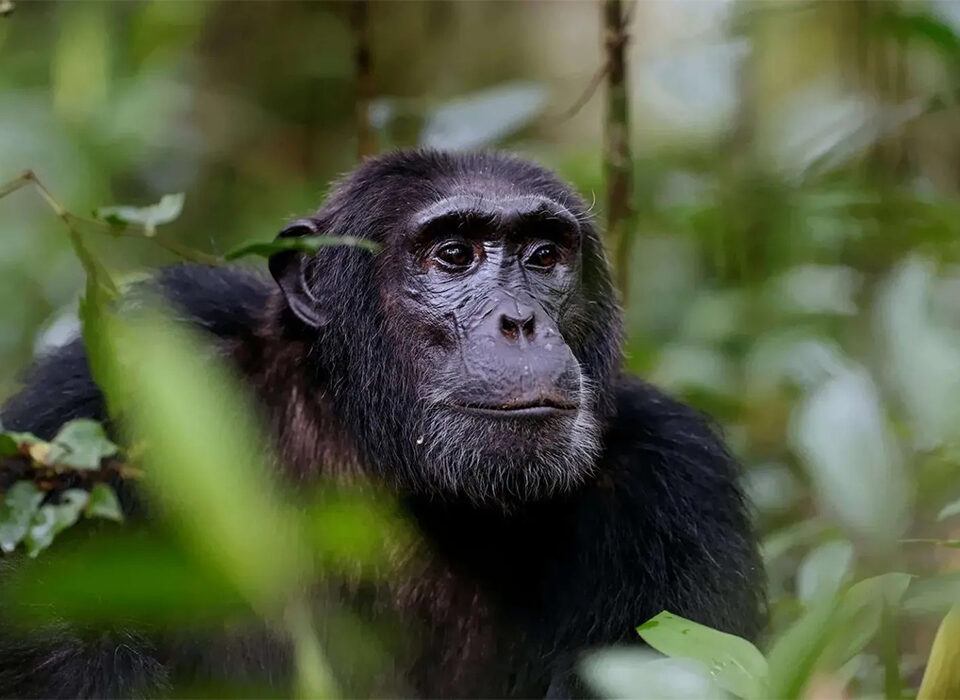
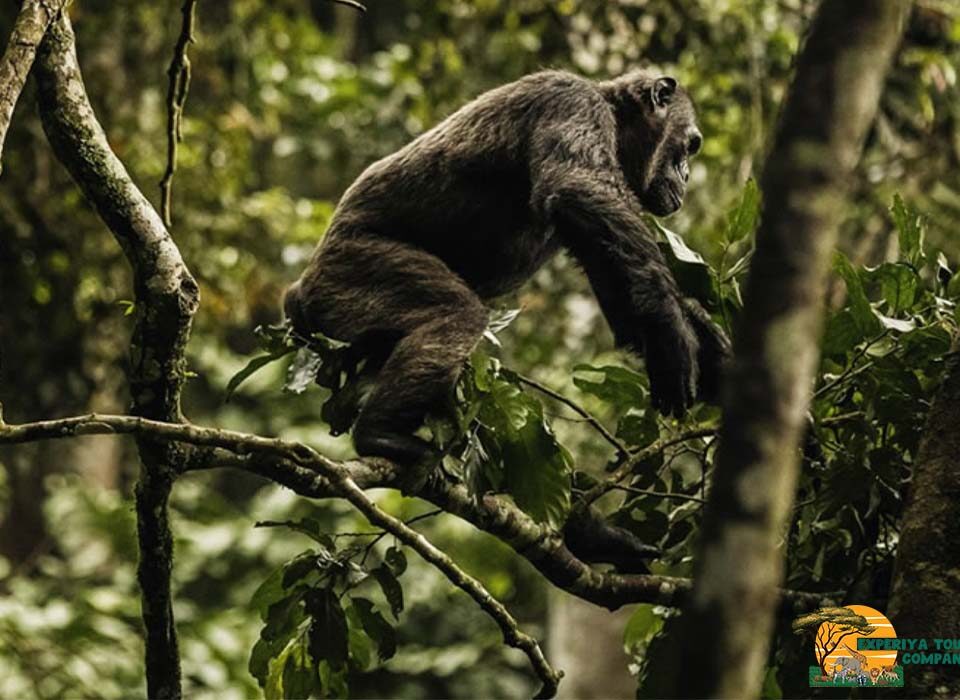
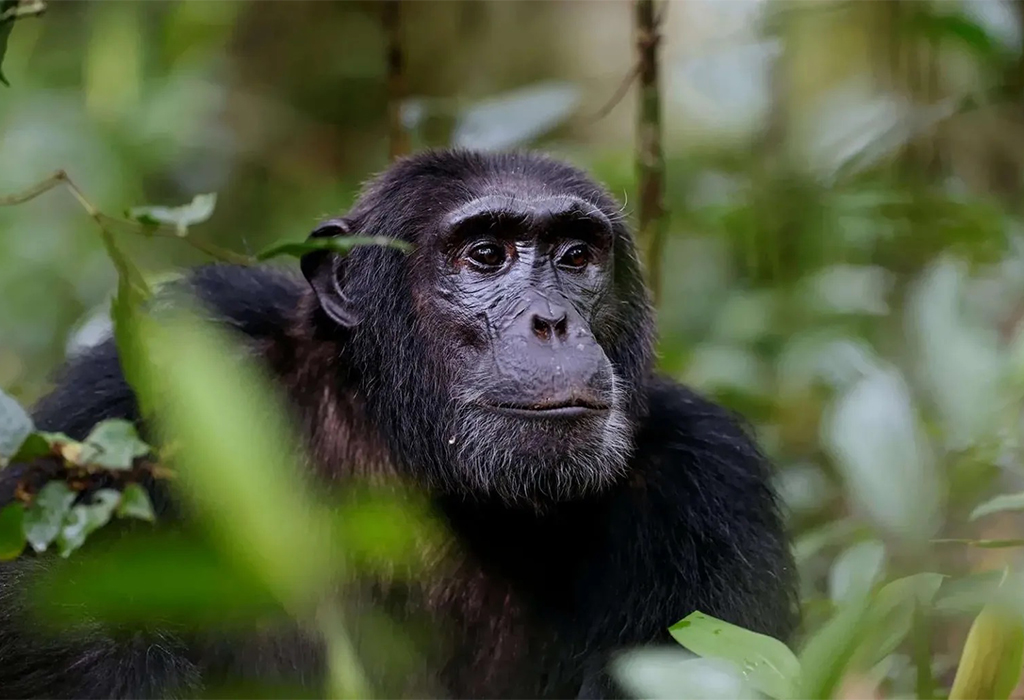
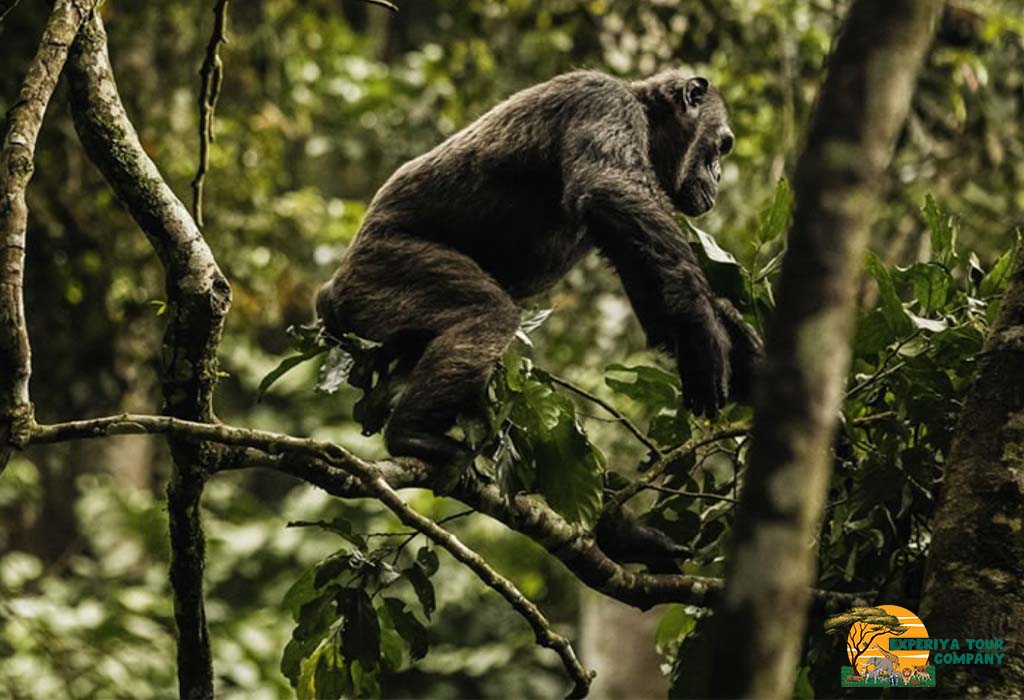
When people think about primate experiences in Rwanda, chimpanzee trekking in Nyungwe National Park often comes first. However, chimpanzees are only part of what makes this ancient rainforest remarkable. Deep within the forest, visitors can discover a fascinating variety of monkeys and other primates while experiencing one of Africa’s most important biodiversity landscapes.
Nyungwe is home to around 13 primate species, making it an exceptional destination for wildlife enthusiasts, photographers, birdwatchers, researchers, and travelers who enjoy immersive nature experiences. A Nyungwe Forest primate safari allows you to explore the rainforest at a slower pace, watching animals move through the trees, listening to their calls, and learning how they interact with their environment.
Why Explore Nyungwe Beyond Chimpanzees?
Chimpanzee trekking remains one of Nyungwe’s most popular activities, but the forest offers much more than encounters with great apes. Several monkey species inhabit its dense vegetation, creating opportunities for varied wildlife sightings throughout the day.
As you walk beneath the towering trees, you might see a troop of black-and-white colobus monkeys moving through the canopy. Elsewhere, blue monkeys may appear among the branches, while L’Hoest’s monkeys can sometimes be spotted in the forest undergrowth.
Therefore, a Nyungwe primate safari is not simply about finding a particular animal. Instead, it is about discovering an entire rainforest ecosystem and understanding how different species share the same habitat.
Ruwenzori Black-and-White Colobus Monkeys
Among Nyungwe’s most impressive primates are the Ruwenzori black-and-white colobus monkeys. Their striking black-and-white coats, long hair, and graceful movements make them particularly attractive to photographers and wildlife lovers.
These monkeys spend much of their time in the forest canopy, where they feed, rest, and move between branches. Nyungwe is especially notable for its large colobus groups, and seeing numerous individuals moving through the treetops can be one of the highlights of a forest visit.
For photographers, the combination of dark-and-white fur, dense green vegetation, and misty rainforest scenery creates excellent opportunities. However, patience is important because the animals may remain high above the trail or disappear quickly into thick foliage.
L’Hoest’s Monkeys in the Albertine Rift
L’Hoest’s monkey is another fascinating species associated with Nyungwe and the wider Albertine Rift. It has a dark body, pale facial markings, and a distinctive appearance that makes it easier to recognize once a guide points it out.
Because L’Hoest’s monkeys are closely associated with the Albertine Rift forests, seeing them gives visitors an opportunity to appreciate the ecological importance of this region. The Albertine Rift supports numerous species with restricted ranges, making Nyungwe particularly valuable for conservation.
A knowledgeable guide can also explain the monkey’s feeding habits, social behavior, and relationship with the surrounding forest, turning an ordinary wildlife sighting into a meaningful learning experience.
Owl-Faced Monkeys: A Fascinating Forest Resident
The owl-faced monkey, also known as Hamlyn’s monkey, is another intriguing primate associated with Nyungwe. Its unusual facial appearance gives the species its memorable name and makes it particularly interesting to wildlife enthusiasts.
Unlike animals in a zoo, however, forest primates do not appear on demand. Weather, vegetation, feeding patterns, and daily movements all influence what visitors encounter. Consequently, searching for an owl-faced monkey becomes part of the adventure.
Even when a particular species remains hidden, the experience of walking through Nyungwe’s ancient forest provides plenty to discover.
Blue Monkeys and Dent’s Monkeys
Blue monkeys are also among the primates that visitors may encounter in Nyungwe. Despite their name, they do not appear bright blue. Their coats can look greyish or bluish depending on the light and viewing conditions.
These agile monkeys often move through the forest canopy and can sometimes be observed from trails or elevated viewpoints such as the Nyungwe Canopy Walkway.
Dent’s monkey is another less-famous species that adds to the forest’s primate diversity. For travelers who enjoy discovering animals beyond the usual safari highlights, encountering Dent’s monkey can be particularly rewarding. Since sightings are not guaranteed, experienced guides play an important role in identifying calls, movements, and other signs of animal activity.
Nyungwe’s Nocturnal Primates
Nyungwe’s primate diversity also extends into the nighttime. Species such as potto and bushbabies are associated with Rwanda’s nocturnal primate diversity and have adaptations that allow them to remain active after dark.
A properly managed nocturnal forest experience can reveal a completely different side of Nyungwe. Once the sun disappears, the forest changes character. Animal calls become more noticeable, visibility decreases, and creatures that remain hidden during daylight begin moving through the vegetation.
Travelers interested in night activities should always confirm availability, regulations, and permitted routes with park authorities or their tour operator before making arrangements.
The Canopy Walkway Adds Another Perspective
The Nyungwe Canopy Walkway offers visitors a remarkable opportunity to experience the rainforest from above. Suspended high above the forest floor, the walkway provides broad views across the treetops and creates a different perspective for observing the ecosystem.
Although wildlife sightings can never be guaranteed, visitors may encounter birds, butterflies and occasionally primates using the upper forest layers. The experience also provides excellent opportunities for photography and landscape viewing.
Combining the canopy walkway with chimpanzee trekking and other primate experiences can therefore create a more complete Nyungwe itinerary.
A Haven for Wildlife Photographers
Nyungwe provides photographers with far more than animal portraits. The combination of mist-covered hills, towering trees, dense vegetation and changing light creates a dramatic natural setting.
Colobus monkeys can stand out beautifully against the green canopy, while blue monkeys and L’Hoest’s monkeys offer opportunities for more intimate wildlife images. Nevertheless, responsible photography should always come first. Visitors should never chase, feed, or disturb animals simply to obtain a better photograph.
Why Choose a Guided Nyungwe Primate Safari?
The rainforest can initially look like an endless wall of vegetation. A trained guide, however, knows how to read its subtle signs.
A guide may recognize a distant primate call, notice movement in the canopy, or identify feeding marks that visitors would easily overlook. This knowledge can significantly improve the experience while also helping travelers understand the forest.
Nyungwe trails can also become muddy and slippery after rain, and some routes require considerable physical effort. Experiya Tour Company can help travelers select suitable activities according to their interests, fitness levels, and available time while coordinating transportation, accommodation, park activities, and professional guiding.
Combine Primates With Birdwatching and Hiking
One of Nyungwe’s greatest advantages is the variety of experiences available within the same destination. Alongside primate tracking and chimpanzee trekking, visitors can enjoy birdwatching, forest hikes, waterfalls and the canopy walkway.
The forest supports hundreds of bird species, including species associated with the Albertine Rift. As a result, a single guided walk can become a multi-species wildlife experience, with primates moving overhead while colorful birds call from the surrounding vegetation.
Waterfall trails and other forest routes can further enrich the journey, allowing visitors to appreciate Nyungwe as a complete ecosystem rather than simply a chimpanzee destination.
When Is the Best Time to Visit Nyungwe?
Nyungwe can be explored throughout the year, although rainfall is an important consideration. The rainforest receives substantial precipitation, and trails can become wet and slippery.
Travelers should therefore bring appropriate hiking shoes, comfortable clothing, and rain protection. More importantly, visitors should understand that wildlife sightings remain unpredictable. Wild animals move according to their own routines, so every trek is different.
This uncertainty is part of the appeal. A quiet walk can suddenly become exciting when a guide spots a troop of colobus monkeys in the canopy or hears the call of a primate hidden nearby.
Responsible Primate Tourism in Nyungwe
Responsible tourism is essential for protecting Nyungwe’s wildlife and forests. Visitors should follow guide instructions, maintain appropriate distances, and avoid feeding or disturbing animals.
Respecting the environment also means staying on designated trails, avoiding litter, and treating the forest as a living ecosystem rather than simply a sightseeing attraction.
By choosing responsible tourism providers such as Experiya Tour Company, travelers can enjoy Nyungwe while supporting conservation-focused tourism and local communities.
Plan Your Nyungwe Primate Safari With Experiya Tour Company
Nyungwe Forest offers far more than chimpanzee trekking. Its Ruwenzori black-and-white colobus monkeys, L’Hoest’s monkeys, owl-faced monkeys, blue monkeys, Dent’s monkeys, and other primates create an extraordinary wildlife experience within one of Rwanda’s most important forests.
For travelers seeking a deeper connection with nature, Nyungwe combines wildlife, hiking, birdwatching, photography, conservation, and adventure in one remarkable destination.
Experiya Tour Company can help you design a personalized Nyungwe safari around your interests, whether you want to combine chimpanzee trekking with monkey viewing, explore the canopy walkway, photograph rainforest wildlife, or discover Rwanda’s exceptional biodiversity.
Your Nyungwe adventure can be more than a search for chimpanzees. It can become a journey into an ancient forest where every trail, call, and movement offers another opportunity to discover something extraordinary.