Why Choose a Rwanda-Uganda Gorilla Safari?
August 27, 2026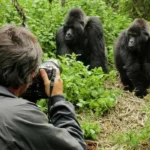
How Long Is Gorilla Trekking in Rwanda?
August 27, 2026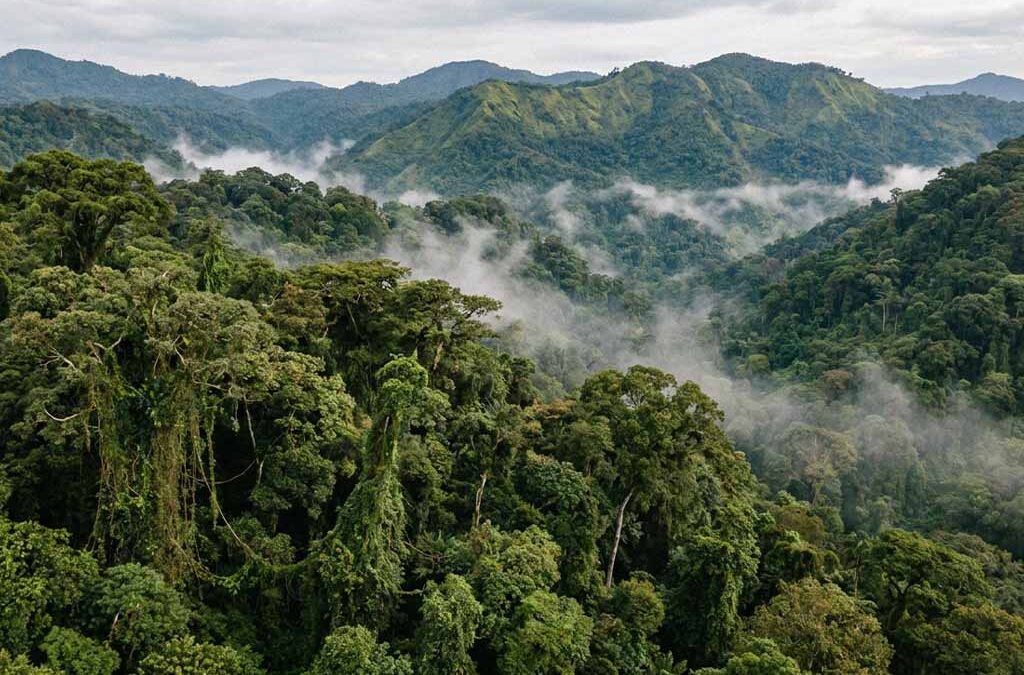
There is something unforgettable about entering Bwindi Impenetrable National Park for a Gorilla Safari in Uganda. The forest feels wild, peaceful, and mysterious at the same time. Towering trees form a green canopy overhead, while vines, ferns and thick vegetation cover the slopes. Mist often drifts across the hills, and the sounds of birds, insects and flowing water surround you.
Then the rain arrives.
For a first-time visitor, a sudden downpour can raise a few questions. Will the trek continue? Will the trails become too slippery? Could the weather affect your chances of seeing the gorillas?
The good news is that rain does not automatically ruin a gorilla trekking experience. In fact, rain is part of what makes Bwindi such a lush and extraordinary rainforest. Although wet conditions can make the hike more demanding, they can also create a beautiful atmosphere that many travelers remember long after returning home.
At Experiya Tour Company, we encourage travelers to prepare for the realities of trekking rather than waiting for perfect weather. With suitable clothing, proper footwear, realistic expectations, and enough time in your itinerary, you can enjoy a rewarding Gorilla Safari in Uganda during the Rainy Season.
Why Bwindi Becomes Magical in the Rain
Bwindi is much more than a destination for gorilla trekking. It is one of Uganda’s most important natural ecosystems and a UNESCO World Heritage Site. Its ancient forest supports remarkable biodiversity, including numerous bird, plant, and butterfly species as well as the endangered mountain gorilla.
Rain gives the forest a completely different character.
Wet leaves reflect the soft light filtering through the canopy. The smell of fresh earth becomes stronger, streams and small waterfalls appear more vibrant, and mist can settle between the forested hills. As a result, the landscape can feel almost cinematic.
For photographers and nature enthusiasts, these conditions can create memorable opportunities. More importantly, the atmosphere reminds you that you are entering a genuine rainforest rather than a controlled wildlife attraction.
Rain may make the trail wetter, but it also brings the forest to life.
When Does the Rainy Season Occur in Uganda?
Uganda generally experiences two main rainy periods. The long rains usually occur from March to May, while another wetter period commonly occurs around October and November. The relatively drier months are generally June to August and December to February.
However, Bwindi follows its own rhythm.
Because the park sits in a mountainous rainforest environment, rainfall can occur at almost any time of year. Even during the traditionally drier months, you may experience a short shower while trekking.
Therefore, it is better to think about the seasons in terms of rainfall probability rather than expecting completely dry or completely wet conditions.
During wetter months, trails can become muddy and slippery, vegetation may remain wet throughout the day, and showers can occur during your trek. In the drier months, walking conditions may be easier, but you should still carry rain protection.
In other words, rain gear belongs in your backpack regardless of when you visit Bwindi.
Book Your Gorilla Permit Early
A successful gorilla safari starts with securing the right trekking date.
Uganda offers gorilla trekking in Bwindi Impenetrable National Park and Mgahinga Gorilla National Park. Bwindi has four main trekking sectors: Buhoma, Ruhija, Rushaga and Nkuringo. Each sector provides access to different gorilla families and has its own accommodation and transportation considerations.
Although rainy-season travel may sometimes offer greater flexibility, you should never assume that permits will always be available. Trekking is strictly regulated to protect the gorillas and manage visitor numbers.
For that reason, confirm your gorilla permit before making the rest of your arrangements whenever possible. Once your trekking date is secured, you can confidently organize your lodge, transport, and other safari activities around it.
You can find additional information from the Uganda Wildlife Authority
Choose Accommodation Close to Your Trekking Sector
Bwindi is a large and mountainous forest, so the location of your accommodation matters.
Suppose your permit is for Rushaga, but your lodge is several hours away. You could spend much of the morning traveling before you even reach the briefing point. During the rainy season, when road conditions can sometimes slow journeys, unnecessary travel can become even more tiring.
Instead, choose accommodation that works with your permit location.
Staying close to your trekking sector allows you to wake up early, enjoy breakfast without rushing, and arrive at the briefing point on time. You also get more opportunity to rest before one of the most physically demanding days of your safari.
At Experiya Tour Company, we recommend considering the location of your permit when selecting accommodation rather than choosing a lodge based only on photographs or online reviews.
Prepare Properly for Rain and Mud
The best way to enjoy a rainy-season trek is to accept that you will probably get wet or muddy.
Wear a reliable waterproof rain jacket and carry waterproof trousers if possible. Long hiking trousers and long-sleeved shirts can protect you from wet vegetation, scratches and insects. A warm fleece or lightweight sweater can also become useful when temperatures drop.
Your footwear deserves particular attention. Bwindi’s trails can be steep, uneven and muddy, especially after heavy rainfall. Waterproof hiking boots with strong traction and good ankle support can make a major difference.
Bring extra socks, too.
Few things feel better after several hours of hiking than changing into a completely dry pair of socks. A waterproof backpack or rain cover will also help protect your camera, phone, documents, and other personal belongings.
Dry bags are particularly useful for keeping important items protected inside your backpack.
Break In Your Hiking Boots Before the Trek
A gorilla trek is not the right time to discover that your new boots cause blisters.
Before traveling to Uganda, wear your hiking boots regularly. Take longer walks in them and, if possible, practice on uneven or hilly terrain. Your feet need time to adjust.
Walking poles can also provide additional stability when moving across muddy or steep sections. If you are concerned about the physical demands of the trek, consider hiring a local porter.
A porter can help carry your backpack and provide support on difficult sections. At the same time, your decision to hire one contributes directly to livelihoods in communities surrounding Bwindi.
Give Yourself Enough Time
Another important part of planning a rainy-season Gorilla Safari in Uganda is allowing enough time between destinations.
Avoid creating an itinerary that forces you to arrive at your lodge late at night just before your trek. Instead, aim to reach the area at least one day before trekking.
That extra time gives you an opportunity to rest, organize your equipment, and familiarize yourself with the surroundings. More importantly, you will not have to worry about a long journey on the morning of your trek.
The journey itself can also be part of your Ugandan adventure. As you travel toward southwestern Uganda, you pass through rolling hills, farms, villages, and changing landscapes before reaching the rainforest.
Prepare Your Body and Mind
Gorilla trekking requires a reasonable level of fitness. The gorillas move naturally through their forest habitat, so trekkers cannot predict exactly where a particular family will be on any given morning.
According to Uganda Wildlife Authority, trekking can take approximately two to seven hours, depending on the location of the gorilla family and the conditions on the trail. Once you find the gorillas, visitors normally spend a regulated period observing them.
Before your safari, prepare by walking regularly. If you live near hills or have access to stairs, include them in your training. Building your endurance beforehand can make the trek more enjoyable.
Mental preparation matters just as much.
Expect mud. Expect wet vegetation. Expect steep sections. Expect moments when you need to slow down and catch your breath.
Most importantly, do not measure the success of your trek by how easy the trail feels. The forest is the gorillas’ natural home, and the physical challenge is part of the experience.
What Is Gorilla Trekking Like When It Rains?
Imagine beginning your trek while the forest is still cool and damp. Your boots press into the soft earth as you follow the trail. Birds call from the canopy, insects move through the vegetation, and droplets fall from leaves above.
Your trackers search carefully for signs of the gorilla family.
They may notice broken branches, feeding areas, footprints, or other clues that are easy for an untrained eye to miss. Gradually, the search becomes more focused.
Then everything changes.
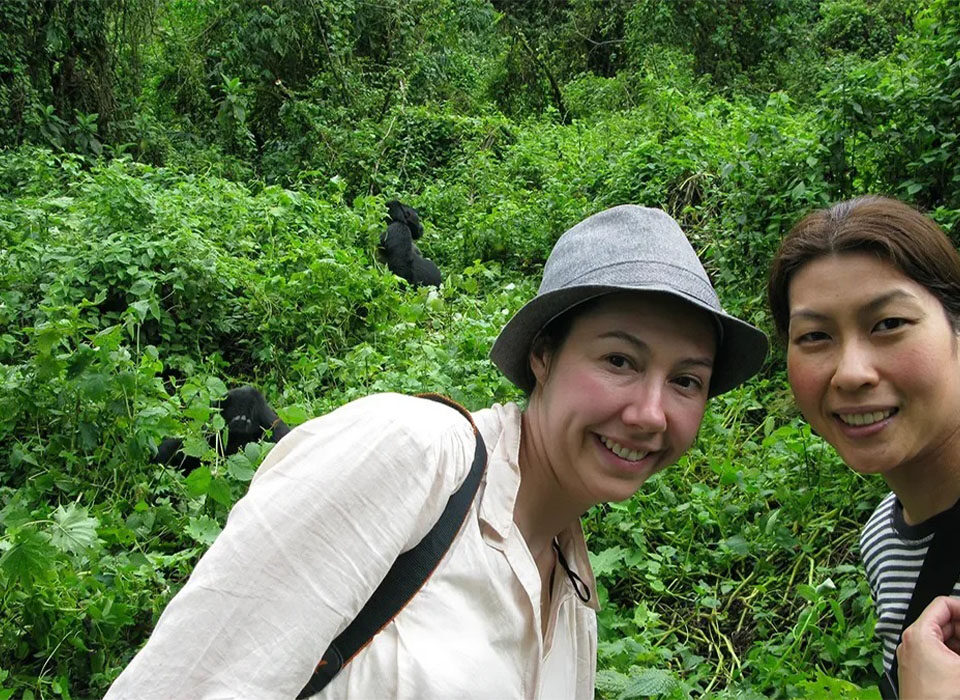
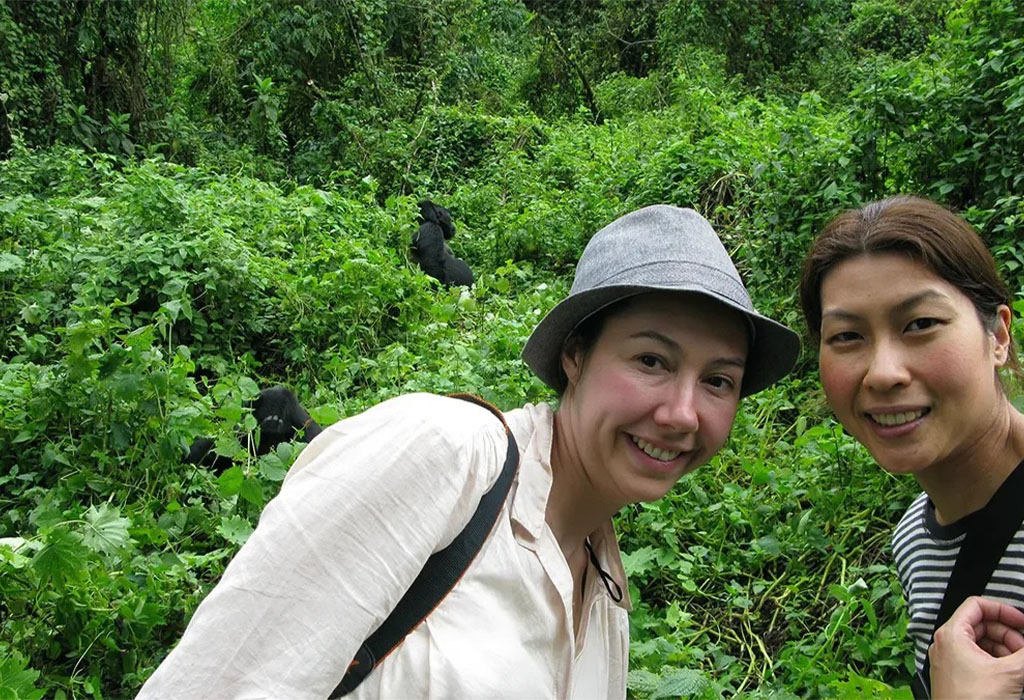
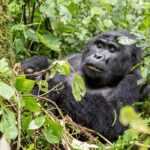
You hear your guide communicating quietly with the trackers. You move deeper into the vegetation, and suddenly, a few metres away, you see a mountain gorilla.
Perhaps a silverback sits calmly beneath the trees. Maybe a mother watches over her young one. A playful juvenile could be climbing, rolling, or interacting with another member of the family.
At that moment, the rain, mud, and steep trail become secondary.
You are standing in the natural habitat of one of the world’s most remarkable animals.
Is the Rainy Season Worth It?
Absolutely.
A rainy-season gorilla safari requires preparation, but it can reward you with a quieter, greener, and incredibly atmospheric experience of Bwindi. The forest may be wetter and the trails more challenging, yet the beauty of the landscape becomes even more apparent.
The key is to travel with the right mindset.
Do not expect perfect weather. Instead, expect adventure. Bring suitable rain gear, wear dependable hiking boots, choose accommodation near your trekking sector, and allow enough time to travel and rest.
With thoughtful planning, the rain becomes part of the story rather than an obstacle.
When you finally stand among Uganda’s mountain gorillas, surrounded by the sounds and greenery of Bwindi, you may find that the weather was never the most important part of the journey.
Experiya Tour Company can help you plan a well-organized Gorilla Safari in Uganda, from permit arrangements and accommodation to transportation and the wider safari experience.