Comparing Chimpanzee Trekking in Kalinzu Forest and Kyambura Gorge
August 21, 2026
What Rare Bird Species Can Be Seen in Uganda?
August 26, 2026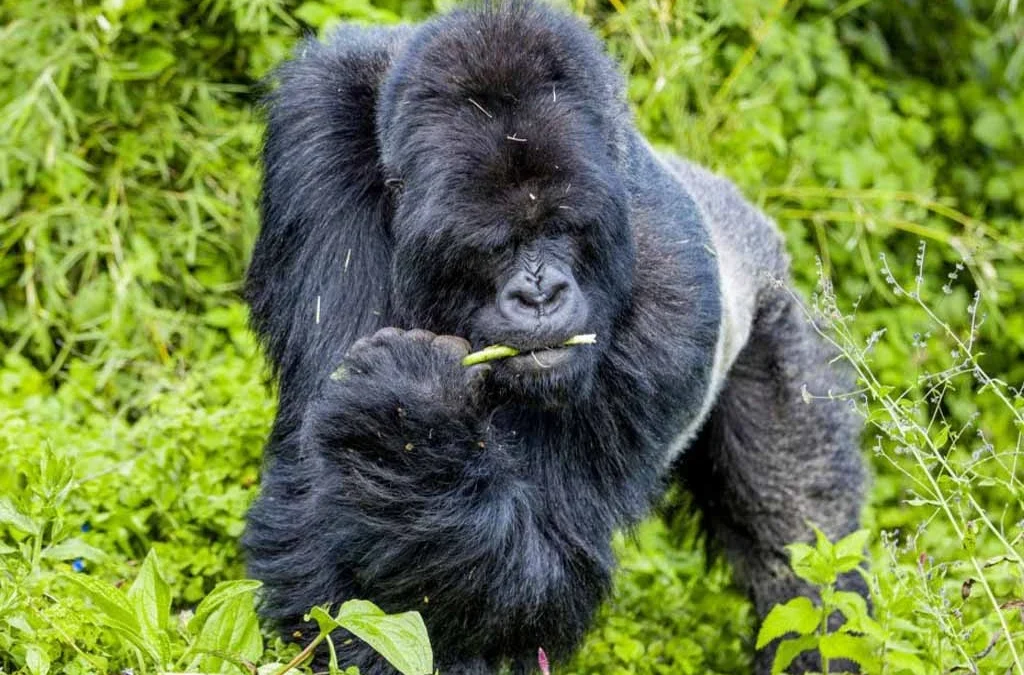
What does gorilla trekking feel like? For many travelers, this question comes to mind before they begin one of Africa’s most extraordinary wildlife experiences. Gorilla trekking combines physical adventure, rainforest exploration, wildlife encounters, and meaningful connections with nature and local communities.
In Uganda, the experience takes place mainly in Bwindi Impenetrable National Park and Mgahinga Gorilla National Park. These protected forests provide a natural home for endangered mountain gorillas and create an unforgettable setting for visitors.
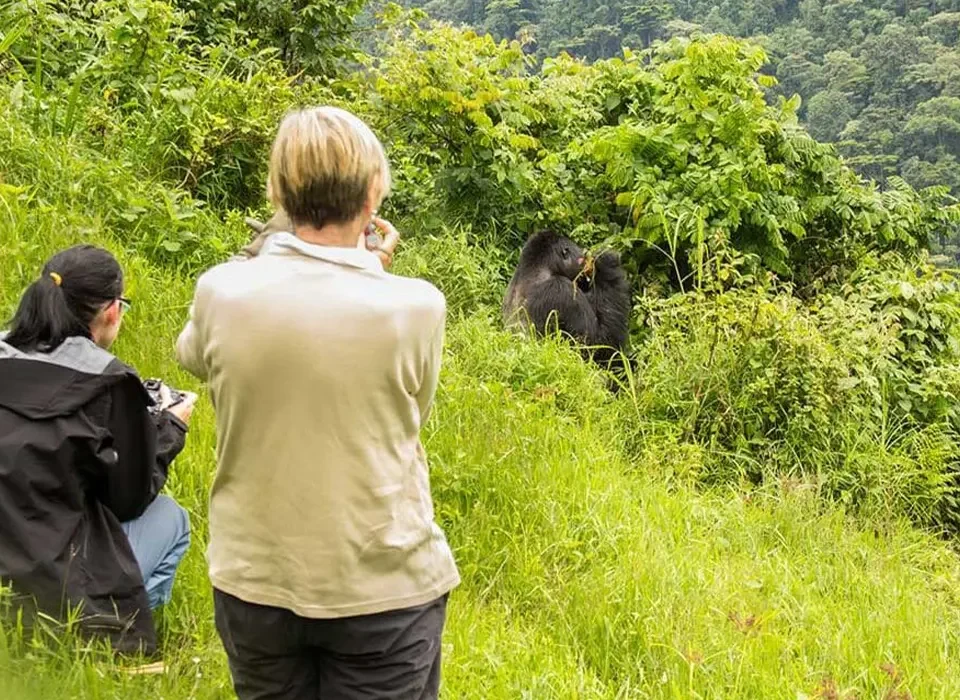
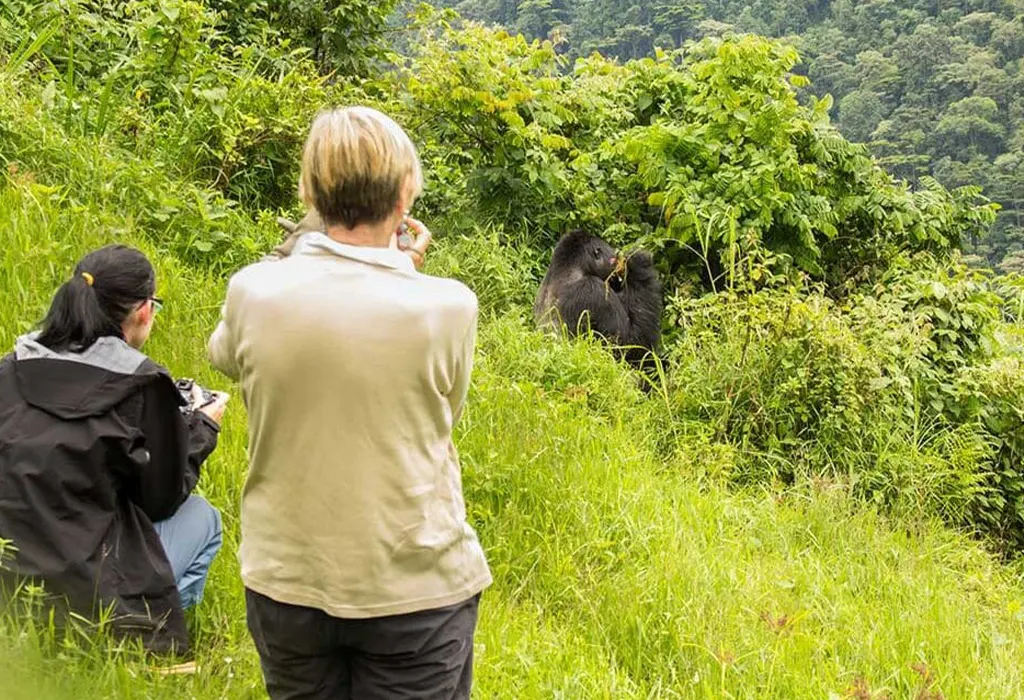
Unlike a traditional game drive, gorilla trekking takes you into the forest on foot. You follow experienced guides and trackers through dense vegetation, steep slopes, muddy trails, and changing landscapes. Every sound can create anticipation. Then, after hours of searching, the forest may suddenly reveal a gorilla family resting, feeding, playing, or moving through the vegetation.
So, what does gorilla trekking really feel like? It feels adventurous, challenging, exciting, and deeply personal. Most importantly, it gives you the rare opportunity to observe mountain gorillas in their natural environment rather than behind fences or in a zoo.
At Experiya Tour Company, we help travelers experience Uganda through carefully planned safaris that combine wildlife, nature, culture, and responsible tourism.
What Does Gorilla Trekking Feel Like in the Rainforest?
Entering Bwindi’s Ancient Forest
The experience begins long before you see a gorilla. As you enter Bwindi’s forest, the atmosphere immediately changes. Tall trees rise above you, thick vegetation surrounds the trails, and birds call from hidden branches.
The forest can feel peaceful one moment and mysterious the next. You may hear rustling leaves without knowing what caused the movement. You might spot colorful birds, butterflies, monkeys, or signs of other forest animals along the way.
Meanwhile, the terrain keeps you engaged. Some trails pass through relatively gentle sections, while others climb steep hills and descend into valleys. Roots, rocks, mud, and wet leaves can make the journey demanding.
However, this challenge forms an important part of the experience. You do not simply arrive at a viewpoint and wait for wildlife to appear. Instead, you walk through the animal’s environment and gradually become part of the forest.
What Does Gorilla Trekking Feel Like Physically?
A Challenging but Rewarding Adventure
Gorilla trekking can test your endurance. Bwindi’s landscape includes steep hills, uneven ground, dense vegetation, and muddy trails. Rain can also make some sections slippery, so conditions can change quickly.
Nevertheless, you do not need to be a professional athlete to enjoy the experience. Your guide and ranger team will help you navigate the forest and maintain a suitable pace.
You can also hire a porter to carry your daypack and provide assistance on difficult sections. Apart from making the trek easier, hiring a local porter directly supports people living around the protected area.
Preparation also makes a significant difference. Start walking regularly before your trip, especially if you are not accustomed to hiking. Wear comfortable hiking boots with good grip, carry enough drinking water, and dress in lightweight layers. A waterproof jacket can prove especially useful because mountain weather can change without warning.
Above all, avoid rushing. Take short breaks when necessary and allow yourself time to enjoy the forest around you. The physical effort becomes part of the reward when you finally reach the gorillas.
What Does It Feel Like When You First See the Gorillas?
The Moment Everything Changes
For many visitors, the first gorilla sighting becomes the highlight of the entire trek.
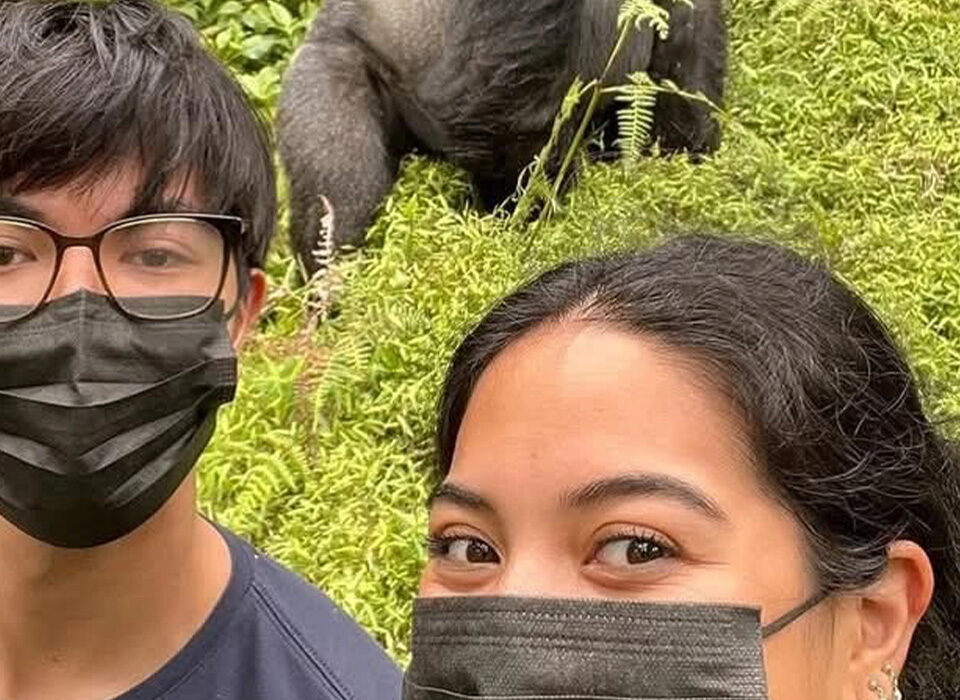
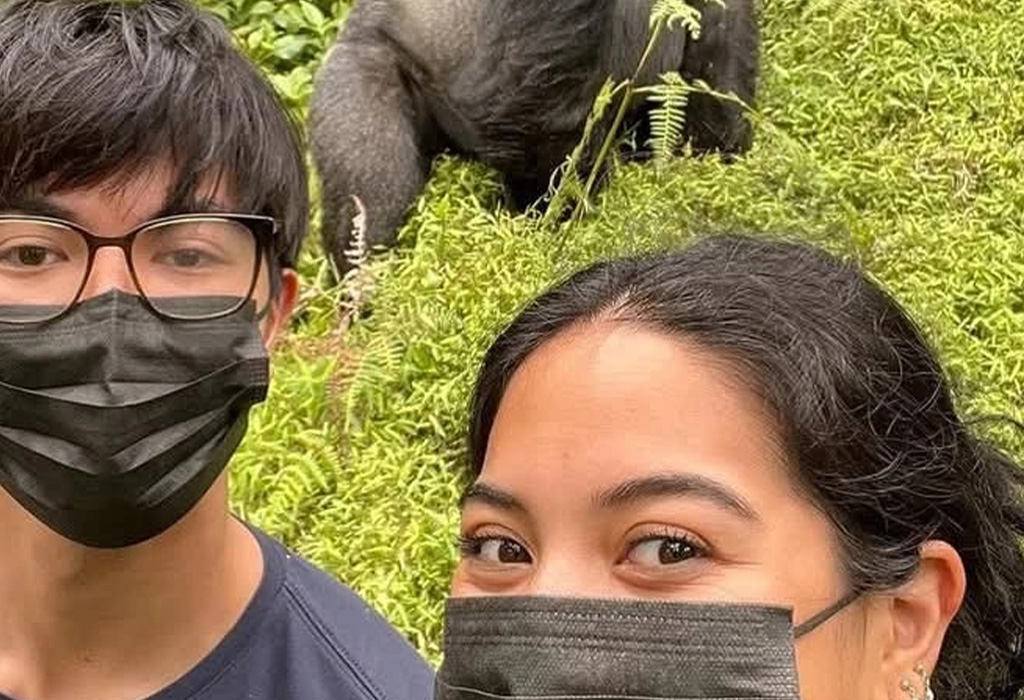
After following the trackers for hours, you may suddenly hear that the gorillas are nearby. The excitement rises immediately. You move carefully through the vegetation until a ranger points toward a family member sitting only a short distance away.
At that moment, the physical challenge often fades into the background.
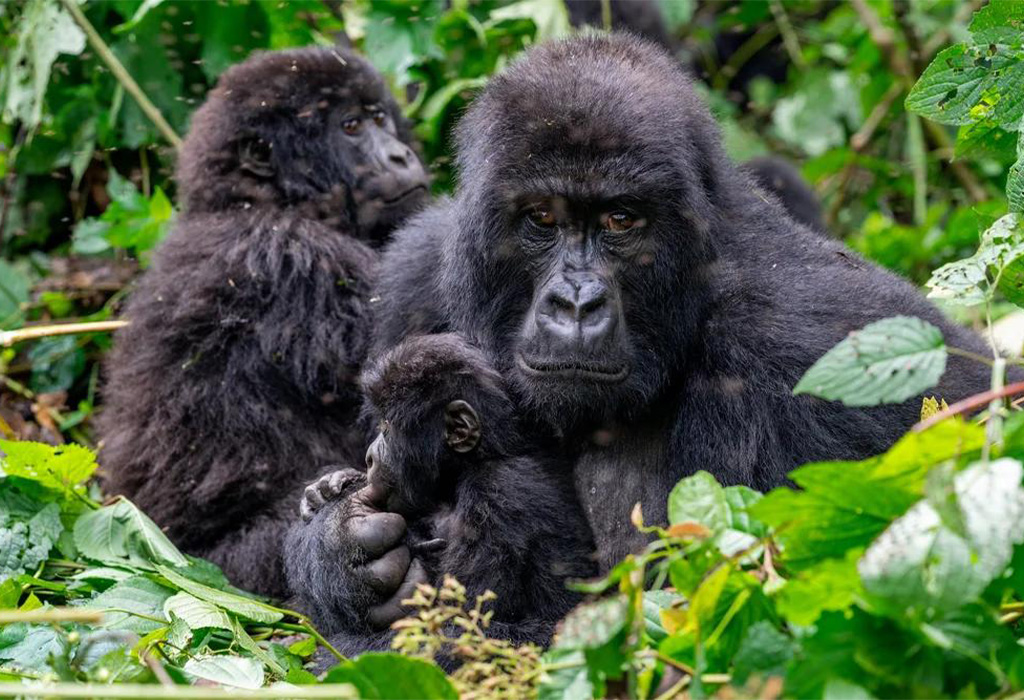
You might see a large silverback watching the group, a mother caring for her infant, or young gorillas playing around the vegetation. Some gorillas remain relaxed and continue feeding, while others move through the forest.
Their behavior feels remarkably natural because the animals do not perform for visitors. They simply continue with their daily routines.
You may also notice their facial expressions, body language, social interactions, and individual personalities. Watching these details can make the encounter feel surprisingly intimate.
Your ranger will guide you on how to behave around the gorillas. Following instructions, maintaining the required distance, avoiding sudden movements, and keeping noise to a minimum help protect both visitors and animals.
What Does Gorilla Trekking Feel Like Emotionally?
A Deeper Connection With Nature
The emotional side of gorilla trekking can be just as powerful as the physical experience.
Before the trek, you may feel excitement, curiosity, or even nervousness about the journey. Once you encounter the gorillas, however, those emotions can change. Many travelers describe a sense of wonder and humility as they watch these powerful animals living freely in the forest.
The experience also gives conservation a human face. Instead of simply reading about endangered species, you see the animals that conservationists, rangers, researchers, and communities work to protect.
Furthermore, gorilla trekking can change how you think about wildlife tourism. The gorillas do not exist for entertainment. They live in a protected ecosystem, and responsible tourism helps create financial incentives for conserving that environment.
For this reason, the experience feels less like watching a wildlife show and more like receiving a brief invitation into another world.
What Does Gorilla Trekking Feel Like in Rain and Mist?
Experiencing the Forest in Changing Weather
Rain forms part of the Bwindi experience. You may begin your trek under clear skies and later encounter clouds, drizzle, or heavier rain.
At first, wet weather can seem inconvenient. Yet rain can also transform the forest. Leaves shine with water, mist settles between the hills, and the sounds of the rainforest become even more noticeable.
Of course, wet conditions can make the trails more difficult. Mud and slippery surfaces require extra care. That is why waterproof clothing, suitable footwear, and protective bags can make your trek much more comfortable.
Rather than worrying about every change in weather, prepare for different conditions and embrace the atmosphere. After all, the rainforest would not be so lush and vibrant without its frequent rainfall.
What Does Gorilla Trekking Feel Like Beyond the Gorillas?
Discovering Local Communities and Culture
A gorilla safari becomes even more meaningful when you take time to discover the communities surrounding the forest.
Depending on your itinerary, you can participate in community walks, cultural visits, craft experiences, traditional performances, and local food activities. These experiences introduce you to the people whose lives remain closely connected to the landscapes around Bwindi and Mgahinga.
Coffee experiences can also add another dimension to your trip. Local farmers can explain how they grow, process, roast, and prepare coffee while sharing stories about their communities.
You can also explore Batwa cultural experiences, which provide opportunities to learn about Batwa heritage and their historical relationship with the forest. Community-led experiences allow travelers to learn respectfully while contributing to local livelihoods.
In addition, purchasing locally made crafts can provide direct support to artisans and small businesses.
Therefore, gorilla trekking does not have to end when you leave the forest. The people, stories, food, and traditions around the park can become an important part of your Uganda safari.
How Does Gorilla Trekking Compare With Other Uganda Safaris?
From Rainforest Trails to Savannah Plains
Gorilla trekking offers a completely different experience from a conventional game drive.
During a game drive in destinations such as Queen Elizabeth National Park, Murchison Falls National Park, or Lake Mburo National Park, you usually explore wildlife from a vehicle. You can cover greater distances and search for animals across open landscapes.
Gorilla trekking, on the other hand, requires you to walk through the forest. You move slowly, listen carefully, follow animal signs, and depend on trackers to locate the gorilla family.
You can combine both experiences within one Uganda safari. For example, you could track chimpanzees in Kibale National Park before continuing to Bwindi for gorilla trekking. You could then add game drives or a boat cruise in Queen Elizabeth National Park.
As a result, Uganda allows travelers to experience forests, savannahs, wetlands, lakes, mountains, and local communities within one journey.
What Does Gorilla Trekking Feel Like From a Conservation Perspective?
Traveling With a Greater Purpose
Gorilla trekking also creates a strong connection between tourism and conservation.
Tourism provides employment for guides, rangers, trackers, porters, drivers, lodge staff, artisans, and other people working within the wider tourism industry. It also supports businesses that operate around protected areas.
When travelers choose responsible operators and follow park regulations, they contribute to a tourism system that values wildlife and natural habitats.
However, responsible travel involves more than paying for a permit. Visitors should respect wildlife, follow ranger instructions, avoid littering, respect local communities, and avoid activities that could disturb the gorillas.
Consequently, your safari can become more than a personal holiday. It can contribute to the continued protection of one of the world’s most remarkable primates.
What Does Gorilla Trekking Feel Like After the Trek?
Memories That Stay With You
When you finally leave the forest, you may feel tired, satisfied, and perhaps a little reluctant to say goodbye.
You might remember the sound of rain on the leaves, the steep climb, the excitement of following fresh gorilla signs, or the moment you first saw a silverback. You may remember a young gorilla playing nearby or a quiet moment when a gorilla simply looked in your direction.
Photographs will help preserve those memories, but they cannot fully capture what it feels like to stand inside an ancient rainforest surrounded by wild mountain gorillas.
That is why gorilla trekking often becomes more than another item on a safari itinerary. It becomes a personal story that travelers carry home.
Plan Your Gorilla Trekking Experience With Experiya Tour Company
So, what does gorilla trekking feel like? It feels like adventure, discovery, challenge, anticipation, and wonder all at once. More importantly, it gives you an opportunity to experience mountain gorillas responsibly while exploring one of Uganda’s most remarkable ecosystems.
Experiya Tour Company can help you plan a Uganda safari that combines gorilla trekking with wildlife viewing, chimpanzee tracking, cultural experiences, scenic landscapes, and other memorable activities.
Whether you are planning your first visit to Uganda or returning for another adventure, the forest is waiting. And somewhere among the trees, a mountain gorilla family may be preparing to give you a moment you will remember for years.