
Hiking and Nature Walks in Uganda
July 27, 2026
How Do Gorillas Adapt to Their Environment?
July 27, 2026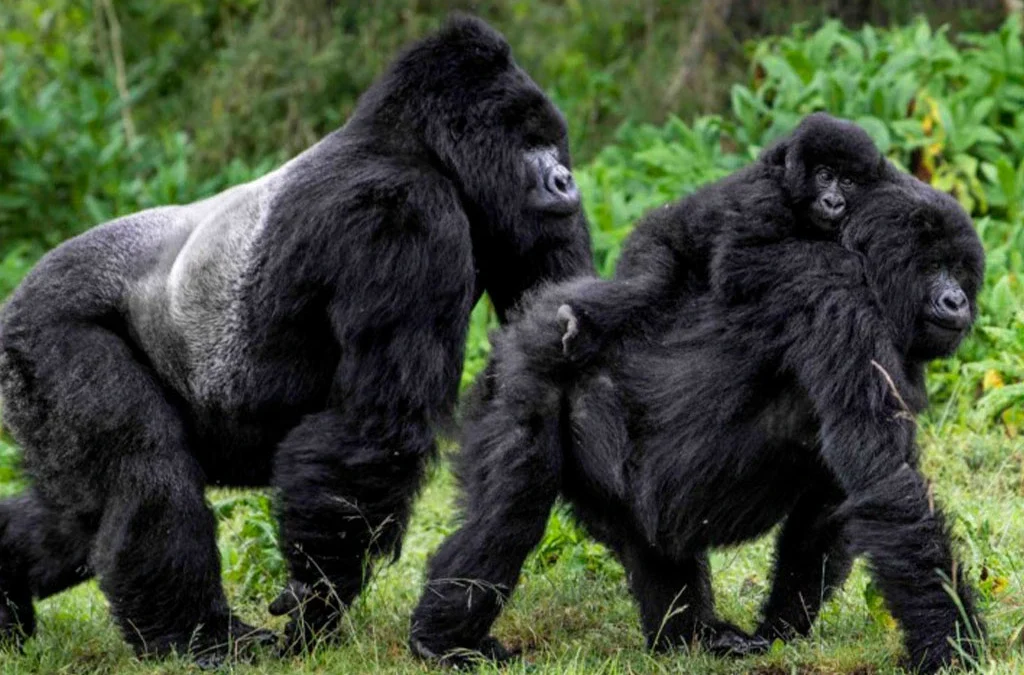
Deep within the ancient rainforests and mist-covered mountains of East and Central Africa lives one of the world’s most extraordinary primates. Gorillas are not only admired for their immense strength and gentle nature, but they are also recognized as some of the most intelligent animals on Earth. Their remarkable ability to communicate, solve problems, form lasting relationships, and adapt to changing environments continues to amaze scientists and wildlife enthusiasts alike.
At Experiya Tour Company, we believe that gorilla trekking is more than a wildlife adventure. It is an opportunity to witness firsthand the incredible intelligence and emotional depth of these endangered great apes. Every encounter offers valuable insight into how closely gorillas resemble humans in their behavior, social interactions, and cognitive abilities.
Understanding Gorilla Intelligence
Gorillas belong to the great ape family, sharing approximately 98% of their DNA with humans. This close genetic relationship explains many of the behaviors they exhibit in the wild. Researchers have spent decades studying gorillas and have discovered that they possess advanced thinking skills, excellent memories, emotional awareness, and impressive learning abilities.
Unlike animals that rely solely on instinct, gorillas make decisions based on experience and observation. They learn from one another, adapt to new situations, and solve challenges they encounter in their natural environment. Their intelligence allows them to thrive in the dense forests of Uganda, Rwanda, and the Democratic Republic of Congo despite changing environmental conditions.
Sophisticated Family and Social Structures
One of the clearest demonstrations of gorilla intelligence is found within their highly organized family groups. Every gorilla family revolves around a dominant silverback, who serves as protector, leader, and decision-maker. However, leadership is far more than a display of strength. A successful silverback must maintain peace within the group, defend family members from danger, and guide them to food sources and safe resting places.
Family members communicate constantly through body language, facial expressions, gentle touches, and vocal sounds. Mothers provide exceptional care to their young, teaching them survival skills while nurturing strong emotional bonds. Juveniles spend much of their time playing together, and these playful interactions help develop social skills, coordination, and confidence.
Furthermore, gorillas cooperate rather than compete within their families. Adults often share responsibilities, while younger gorillas learn acceptable behavior through observation and interaction. Such cooperation reflects a sophisticated level of social intelligence rarely seen outside the great ape family.
Remarkable Problem-Solving Skills
Gorillas regularly demonstrate impressive problem-solving abilities in both the wild and conservation centers. When faced with obstacles, they often evaluate their surroundings before choosing the most effective solution. This thoughtful approach highlights their advanced cognitive abilities.
For example, gorillas have been observed using sticks to measure water depth before crossing streams. Others use branches for balance while navigating muddy terrain or steep slopes. They also manipulate vegetation to access hidden food sources or create comfortable nesting sites for resting at night.
In controlled research settings, gorillas have successfully completed memory tasks, solved puzzles, and learned sequences that require planning and reasoning. These findings demonstrate that gorillas possess flexible thinking rather than simply reacting through instinct.
Tool Use Reflects Advanced Thinking
Although tool use is often associated with chimpanzees, gorillas also display this remarkable ability. Scientists have documented wild gorillas selecting and modifying natural objects to help accomplish specific tasks.
For instance, some gorillas use sturdy branches as walking sticks while crossing wetlands or unstable ground. Others manipulate leaves and vegetation to gather food more efficiently. The deliberate selection of suitable tools reveals planning, understanding of cause and effect, and adaptability.
These behaviors suggest that gorillas recognize how objects can help solve practical problems, an important indicator of advanced intelligence.
Emotional Intelligence Beyond Expectations
Perhaps the most captivating aspect of gorilla intelligence is their emotional depth. Gorillas experience a wide range of emotions that closely resemble those of humans. They express happiness during play, affection toward family members, curiosity when exploring unfamiliar surroundings, grief after losing loved ones, and empathy toward injured or distressed group members.
Mothers form exceptionally strong bonds with their infants, carrying, grooming, and protecting them for several years. Young gorillas seek comfort from their mothers when frightened, much like human children. Likewise, adult siblings often groom one another, reinforcing trust and strengthening family relationships.
Researchers have also witnessed gorillas comforting companions after conflicts and displaying patience toward younger family members. These compassionate behaviors highlight a sophisticated understanding of social relationships and emotional well-being.
Learning Through Observation and Experience
Young gorillas begin learning from the moment they are born. Rather than relying solely on instinct, they carefully observe older members of their family and imitate their actions. This learning process allows them to master essential survival skills over time.
Infants watch their mothers identify edible plants, build sleeping nests, and care for younger siblings. As they grow, they practice climbing, foraging, grooming, and communicating through playful interactions with other juveniles.
Observation plays a vital role in shaping gorilla behavior. Every experience contributes to their development, enabling them to adapt successfully to life in complex forest environments.
Complex Communication in the Wild
Communication is another area where gorilla intelligence becomes remarkably evident. Gorillas rely on an extensive system of vocalizations, facial expressions, gestures, body posture, and even eye contact to communicate with one another.
Scientists have identified numerous vocal sounds that carry different meanings. Soft grunts often signal contentment while feeding, whereas louder calls alert family members to potential threats. Silverbacks may produce powerful chest beats to demonstrate strength, establish dominance, or discourage rival males without engaging in physical conflict.
Beyond vocal communication, gorillas use subtle gestures such as extending an arm, maintaining eye contact, or gently touching another individual to express intentions. These sophisticated forms of communication reduce unnecessary conflict and help maintain harmony within the family group.
Memory and Decision-Making Abilities
Gorillas possess impressive long-term memory, allowing them to remember food locations, seasonal fruiting trees, travel routes, and safe nesting areas throughout their home range. This ability becomes especially important in dense forests where food availability changes throughout the year.
Experienced silverbacks often lead their families along efficient routes based on previous knowledge rather than random exploration. Their decisions improve the group’s chances of finding food while avoiding unnecessary risks.
Strong memory also enables gorillas to recognize familiar individuals, remember previous interactions, and maintain long-lasting social relationships.
Intelligence Supports Survival
Life in the wild presents constant challenges, including changing weather, food shortages, predators, and competition from neighboring gorilla groups. Intelligence enables gorillas to respond effectively to these situations.
Rather than relying on aggression, gorillas typically avoid unnecessary conflict. Silverbacks often resolve disputes through displays of strength, vocalizations, and confident body language instead of physical fighting. This strategic behavior protects family members while conserving valuable energy.
Additionally, gorillas adjust their feeding habits according to seasonal changes, demonstrating remarkable flexibility and environmental awareness. Their ability to adapt contributes significantly to their long-term survival.
Why Gorilla Conservation Matters
The intelligence of gorillas makes their conservation even more significant. Every gorilla represents a unique individual with distinct relationships, learned experiences, and behaviors developed over many years. Unfortunately, habitat destruction, illegal poaching, disease, and climate change continue to threaten wild gorilla populations.
Responsible tourism plays an important role in protecting these endangered primates. Gorilla trekking permits generate revenue that supports national parks, conservation initiatives, scientific research, and local communities. Visitors also gain a greater appreciation for wildlife conservation after witnessing gorillas in their natural habitat.
When travelers choose ethical wildlife experiences, they directly contribute to preserving one of Earth’s most intelligent species for future generations.
Experience Gorilla Intelligence with Experiya Tour Company
A gorilla trekking adventure offers much more than an unforgettable wildlife encounter. It provides an opportunity to observe intelligent, compassionate, and socially complex animals living freely in their natural environment. Every facial expression, playful interaction, gentle grooming session, and protective gesture reveals another layer of their remarkable minds.
At Experiya Tour Company, we proudly guide travelers on unforgettable gorilla trekking safaris in Uganda and Rwanda. Our experienced guides help visitors understand gorilla behavior while promoting responsible tourism and conservation practices that protect these magnificent primates.
Whether you are watching a curious infant imitate its mother, observing a silverback calmly leading his family, or witnessing peaceful communication within a gorilla group, you will quickly realize that gorillas possess an extraordinary intelligence that deserves both admiration and protection.
Conclusion
Gorillas are far more than powerful primates inhabiting Africa’s forests. They are intelligent, emotional, adaptable, and deeply social beings whose behaviors continue to reshape our understanding of animal cognition. Their ability to communicate, solve problems, learn through observation, use tools, and build lifelong relationships reflects an exceptional level of intelligence shared by only a handful of species.
A visit to the mountain gorillas of East Africa is an unforgettable reminder that humans are not alone in possessing complex emotions and advanced thinking. By supporting conservation efforts and choosing responsible wildlife experiences with Experiya Tour Company, travelers become part of a global mission to protect these extraordinary guardians of Africa’s forests for generations to come.