Solo Women Travel in Uganda
July 22, 2026
Boat Cruise in Murchison Falls National Park
July 23, 2026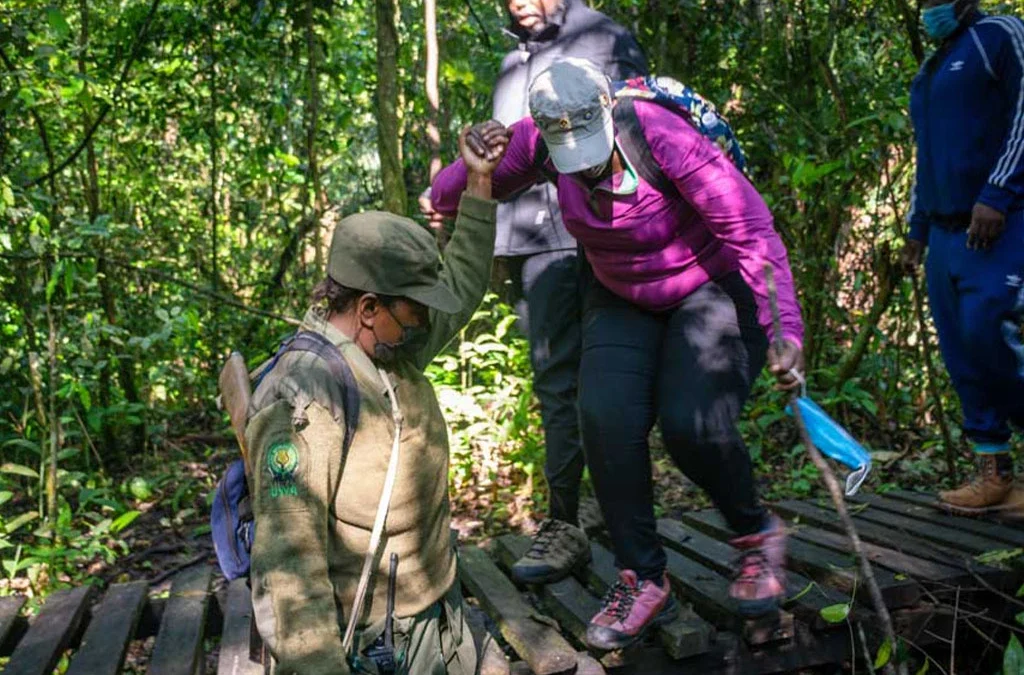
Nestled on the edge of Kibale National Park in western Uganda, the Bigodi Wetland Community Walk is one of the country’s most rewarding nature and cultural experiences. While Kibale Forest is globally celebrated for chimpanzee trekking, the nearby Bigodi Wetland Sanctuary offers visitors a different but equally unforgettable adventure. Here, lush papyrus swamps, tropical forests, abundant wildlife, colorful birdlife, and vibrant local traditions come together to create an authentic Ugandan experience.
Experiya Tour Company invites travelers to explore this remarkable community-managed wetland, where every walk supports local conservation efforts while providing meaningful interactions with the people who call Bigodi home. Unlike many wildlife experiences that focus only on animals, the Bigodi Wetland Community Walk allows visitors to appreciate the deep connection between nature, culture, and sustainable tourism.
Whether you are a passionate birdwatcher, a wildlife enthusiast, a photographer, or simply someone looking to experience authentic rural Uganda, Bigodi Wetland offers an enriching journey that leaves lasting memories.
A Community That Protects Nature
One of the most inspiring aspects of the Bigodi Wetland Community Walk is the way local residents actively protect their natural environment. The sanctuary is managed by the community, demonstrating how conservation and tourism can work together to improve livelihoods while preserving valuable ecosystems.
For many years, local leaders recognized the importance of protecting the wetland from degradation. Instead of allowing unsustainable activities to destroy this fragile habitat, they developed community-based tourism initiatives that generate income while encouraging environmental conservation. Today, tourism directly benefits local families through employment opportunities, guiding services, craft sales, cultural performances, accommodation, and agricultural enterprises.
As you walk through the sanctuary with a knowledgeable local guide, you quickly realize that every visitor contributes to preserving this unique ecosystem for future generations.
A Rich and Diverse Wetland Ecosystem
Bigodi Wetland Sanctuary covers an impressive area of papyrus wetlands, forest patches, grasslands, streams, and open water. These diverse habitats create ideal conditions for hundreds of plant and animal species to thrive throughout the year.
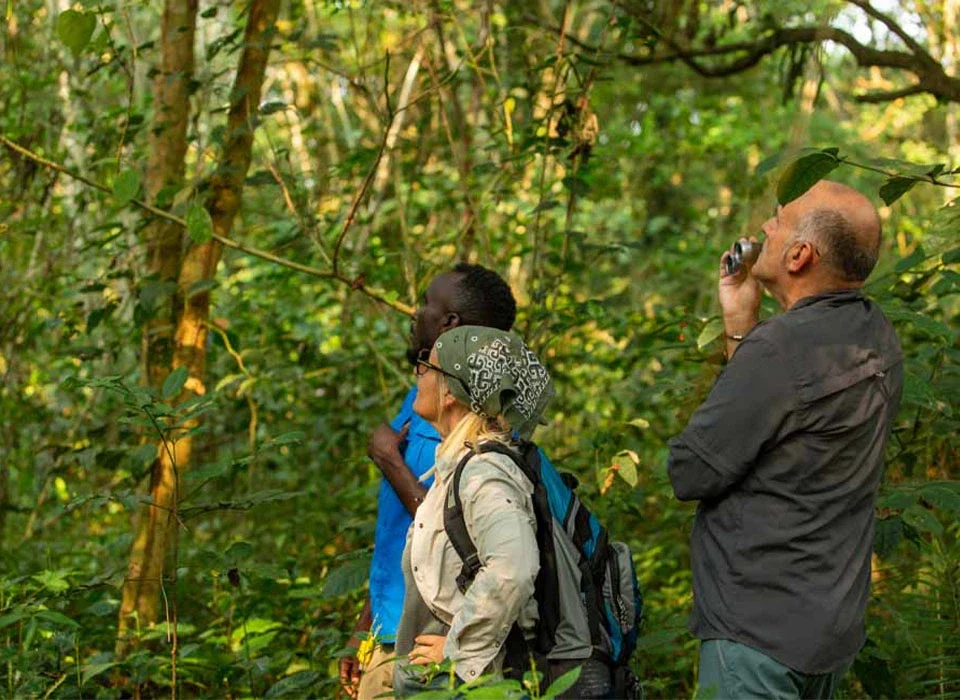
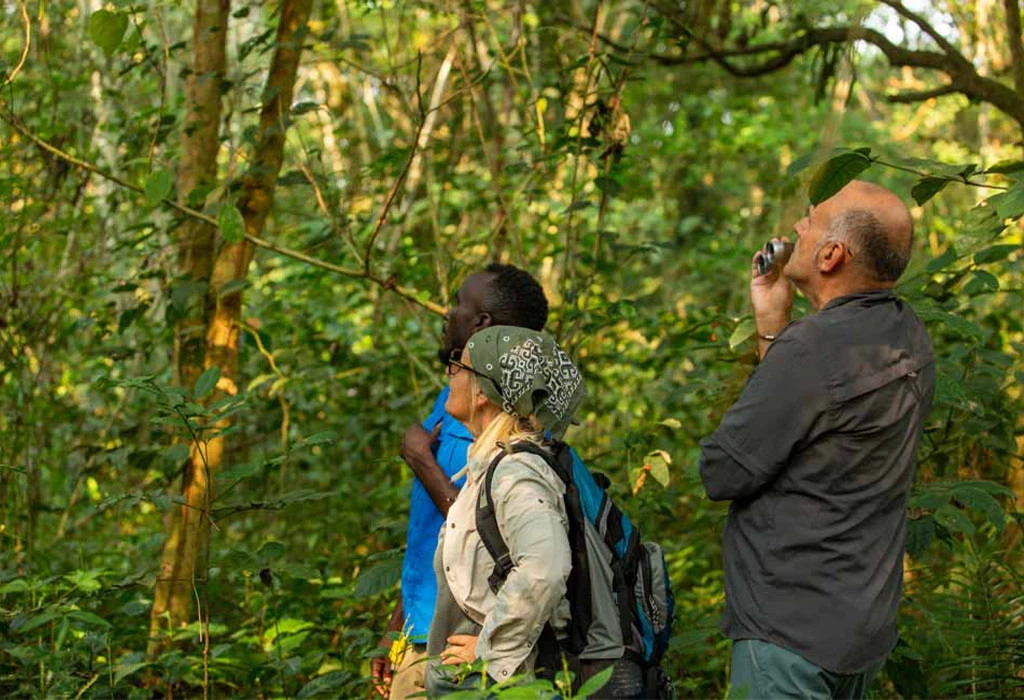
The walk follows well-maintained trails and wooden boardwalks that wind through different sections of the wetland. Along the way, visitors enjoy changing landscapes filled with towering papyrus reeds, flowering plants, tropical trees, and peaceful water channels.
Each section of the sanctuary reveals something new. One moment you may find yourself walking beneath thick forest canopies alive with monkey calls, while moments later you emerge into open wetlands where birds glide gracefully above the reeds. This constantly changing scenery makes every walk exciting from beginning to end.
A Paradise for Bird Lovers
Bigodi Wetland has earned an outstanding reputation among birdwatchers from around the world. The sanctuary records more than 200 bird species, making it one of Uganda’s finest birding destinations.
Perhaps the most celebrated resident is the magnificent Great Blue Turaco, whose brilliant blue, green, and crimson feathers create spectacular photographic opportunities. Seeing this iconic bird glide silently through the forest canopy is often one of the highlights of the walk.
Bird enthusiasts may also encounter the elusive Papyrus Gonolek, White-winged Warbler, African Pitta during its migratory season, Speckled Tinkerbird, Yellow-billed Barbet, Black-and-white Casqued Hornbill, African Grey Parrot, Ross’s Turaco, Woodland Kingfisher, Malachite Kingfisher, Blue-breasted Kingfisher, African Paradise Flycatcher, and numerous species of weavers, bee-eaters, herons, sunbirds, and barbets.
Even visitors with little birding experience quickly become fascinated as the forest fills with melodic bird songs. Every turn along the trail introduces another colorful species, making the experience enjoyable for both beginner and experienced birdwatchers.
Incredible Primate Encounters
Although Bigodi Wetland is best known for birdlife, it also offers excellent opportunities to observe several species of primates. Because the sanctuary borders Kibale National Park, monkeys move freely between the forest and the wetland.
Visitors frequently encounter black-and-white colobus monkeys, recognizable by their striking coats and long flowing tails. Red-tailed monkeys also appear regularly, leaping gracefully through the treetops in search of fruits and young leaves.
Grey-cheeked mangabeys, L’Hoest’s monkeys, vervet monkeys, blue monkeys, olive baboons, and occasionally red colobus monkeys can also be spotted depending on the season and time of day.
Watching these energetic primates in their natural habitat adds another exciting dimension to the community walk. Your guide helps identify each species while explaining their behavior, feeding habits, and ecological importance within the forest ecosystem.
Discover Uganda’s Medicinal Plants
Beyond its wildlife, Bigodi Wetland offers fascinating insights into traditional medicine. Local guides possess extensive knowledge about indigenous plants that generations of families have used to treat common illnesses and maintain good health.
As you move through the sanctuary, your guide introduces various medicinal plants and explains their traditional uses. Some plants help treat stomach ailments, while others relieve fever, coughs, wounds, or skin conditions. Visitors also learn how local communities harvest these resources responsibly without damaging the surrounding ecosystem.
These stories demonstrate the close relationship between people and nature while highlighting the importance of protecting biodiversity for future generations.
Experience Authentic Community Life
The cultural component of the Bigodi Wetland Community Walk makes it truly unique. Instead of simply observing wildlife, visitors also gain meaningful insight into everyday life within the surrounding villages.
During your visit, you may tour a local primary school, where children warmly welcome guests with songs and traditional performances. Depending on the school calendar, visitors can observe classroom activities and learn more about Uganda’s education system.
The walk may also include visits to traditional homesteads, local craft workshops, banana plantations, coffee gardens, and community projects that demonstrate rural livelihoods.
Women in the community often showcase traditional basket weaving techniques using locally harvested materials. Their beautifully handcrafted baskets, mats, and decorative items provide memorable souvenirs while supporting household incomes.
Many visitors also enjoy learning about banana cultivation, coffee processing, traditional cooking methods, and local food preparation. These experiences create genuine cultural exchanges that go far beyond ordinary sightseeing.
Traditional Music, Dance, and Storytelling
No visit to Bigodi feels complete without experiencing the area’s rich cultural traditions. Local cultural groups proudly perform energetic dances accompanied by traditional drums, songs, and storytelling that reflect the history and customs of the region.
These performances celebrate important milestones such as harvests, marriages, community gatherings, and cultural ceremonies. Visitors often have the opportunity to participate by learning simple dance steps, playing traditional instruments, or joining community celebrations.
Rather than being staged solely for tourists, these performances help preserve important cultural traditions while creating additional income for local performers.
Learn About Community-Led Conservation
Throughout the walk, visitors gain a deeper appreciation for how conservation benefits both wildlife and local communities.
Income generated through tourism supports environmental education, wetland restoration, healthcare initiatives, school development, and sustainable livelihood projects. Local residents therefore have strong incentives to protect the sanctuary and discourage activities such as illegal logging, uncontrolled farming, or wetland drainage.
Experiya Tour Company proudly supports responsible tourism that encourages travelers to contribute positively to conservation while enjoying authentic experiences.
This successful partnership between tourism and conservation demonstrates how local communities can become effective guardians of natural resources when they receive tangible benefits from protecting their environment.
Enjoy Peaceful Scenery and Photography Opportunities
Bigodi Wetland offers countless opportunities for nature photography. Morning sunlight filtering through papyrus reeds creates beautiful reflections across calm waters, while colorful birds, butterflies, dragonflies, and flowering plants provide endless photographic subjects.
Nature lovers appreciate the peaceful atmosphere that surrounds the sanctuary. Unlike busier safari destinations, Bigodi offers a slower pace where visitors can pause, listen to birdsong, watch butterflies drift across the trails, and simply enjoy the tranquility of the natural environment.
Every season transforms the landscape in different ways, ensuring that no two visits are ever exactly alike.
Best Time to Visit Bigodi Wetland
The Bigodi Wetland Community Walk is available throughout the year. However, the dry seasons from December to February and June to September generally provide easier walking conditions because the trails remain less muddy.
The wet seasons also have their advantages. During these months, the vegetation becomes exceptionally lush, bird activity increases, and photographers enjoy vibrant green landscapes. Wildlife remains active year-round, making any season suitable for visiting.
Morning walks usually offer the best wildlife viewing opportunities since birds and primates are more active during the cooler hours.
Combine Bigodi with Chimpanzee Trekking
Many travelers combine the Bigodi Wetland Community Walk with chimpanzee trekking in Kibale National Park. This combination creates a full-day adventure that showcases the remarkable biodiversity of western Uganda.
After an exciting morning tracking chimpanzees through Kibale Forest, visitors can spend the afternoon exploring Bigodi’s wetlands and engaging with the local community. Together, these experiences provide a perfect balance of wildlife viewing, birdwatching, cultural immersion, and conservation education.
Why Visit with Experiya Tour Company?
Choosing Experiya Tour Company ensures a professionally organized and memorable experience. The company works closely with local communities to deliver responsible tourism experiences that benefit both visitors and residents.
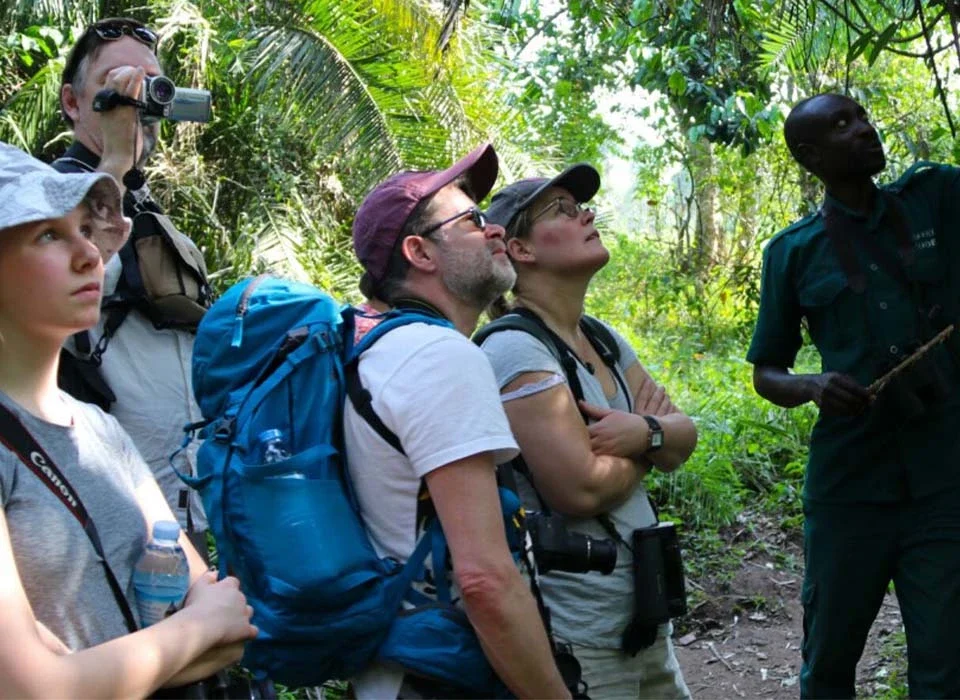
Knowledgeable guides help guests understand the sanctuary’s ecology, identify wildlife, explain local traditions, and ensure every walk proceeds comfortably and safely. In addition, Experiya Tour Company can seamlessly combine the Bigodi Wetland Community Walk with chimpanzee trekking, crater lake tours, Bigodi cultural experiences, Queen Elizabeth National Park safaris, and other western Uganda adventures.
Conclusion
The Bigodi Wetland Community Walk offers far more than a simple nature walk. It introduces visitors to one of Uganda’s finest examples of community-led conservation, where biodiversity, culture, and sustainable tourism exist in perfect harmony. From colorful birds and playful primates to medicinal plants, traditional dances, village visits, and breathtaking wetland scenery, every moment reveals another layer of this remarkable destination.
Whether you are visiting Kibale National Park for chimpanzee trekking or exploring western Uganda on a longer safari, Bigodi deserves a place on your itinerary. With Experiya Tour Company, you will not only experience the beauty of this extraordinary wetland but also contribute to the conservation of its wildlife and the well-being of the local community. Every step through Bigodi tells a story of hope, resilience, and the enduring bond between people and nature.