What Should You Expect from a Batwa Cultural Experience in Uganda?
July 7, 2026
What Are the Best Hiking Safaris for 2026?
July 7, 2026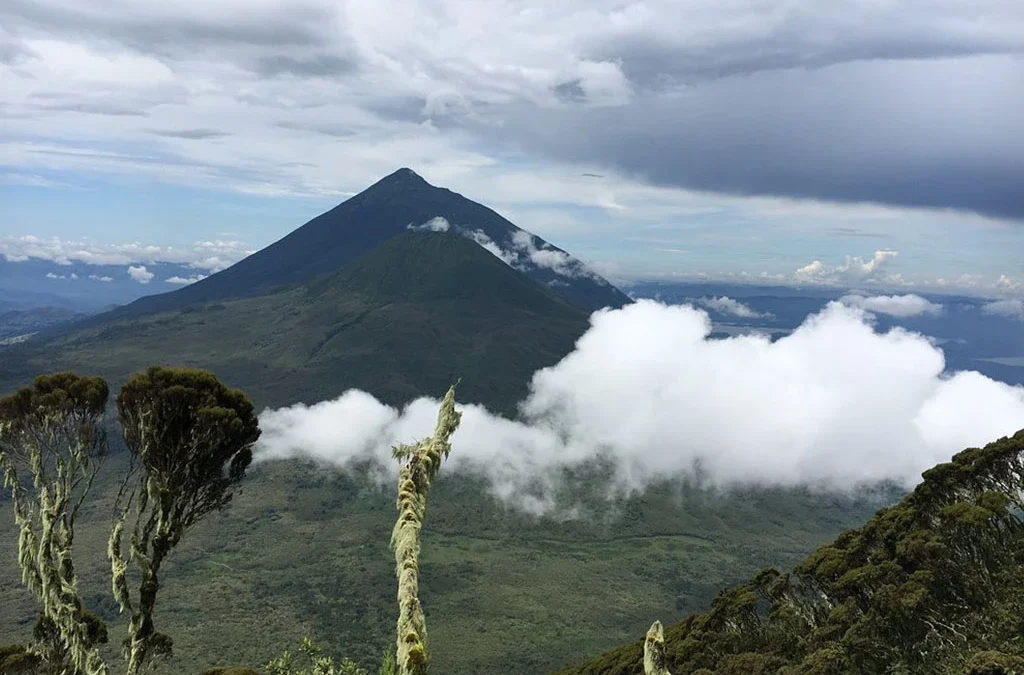
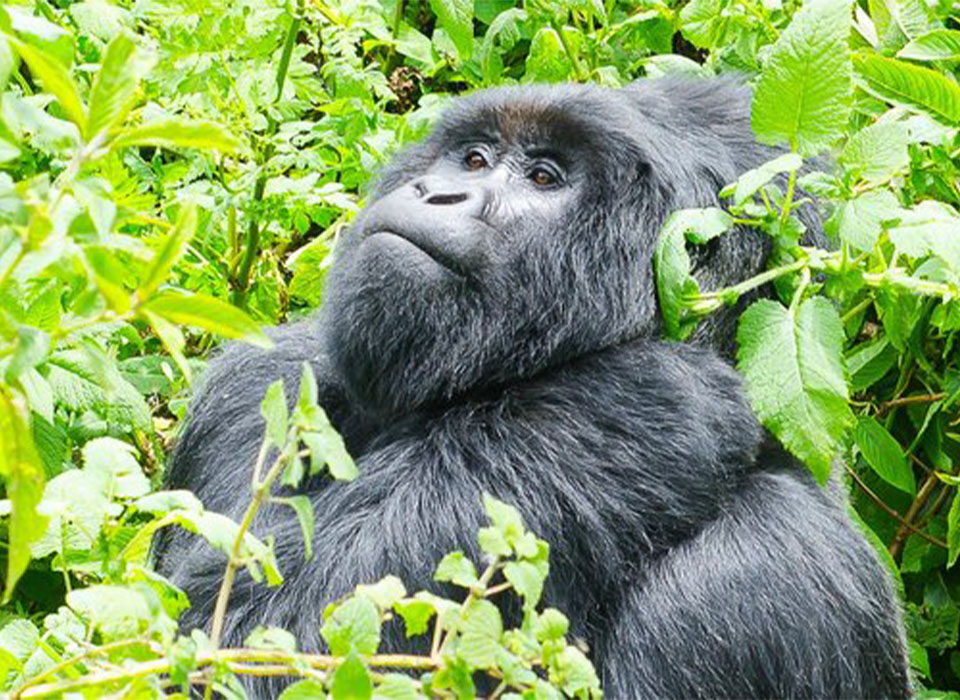
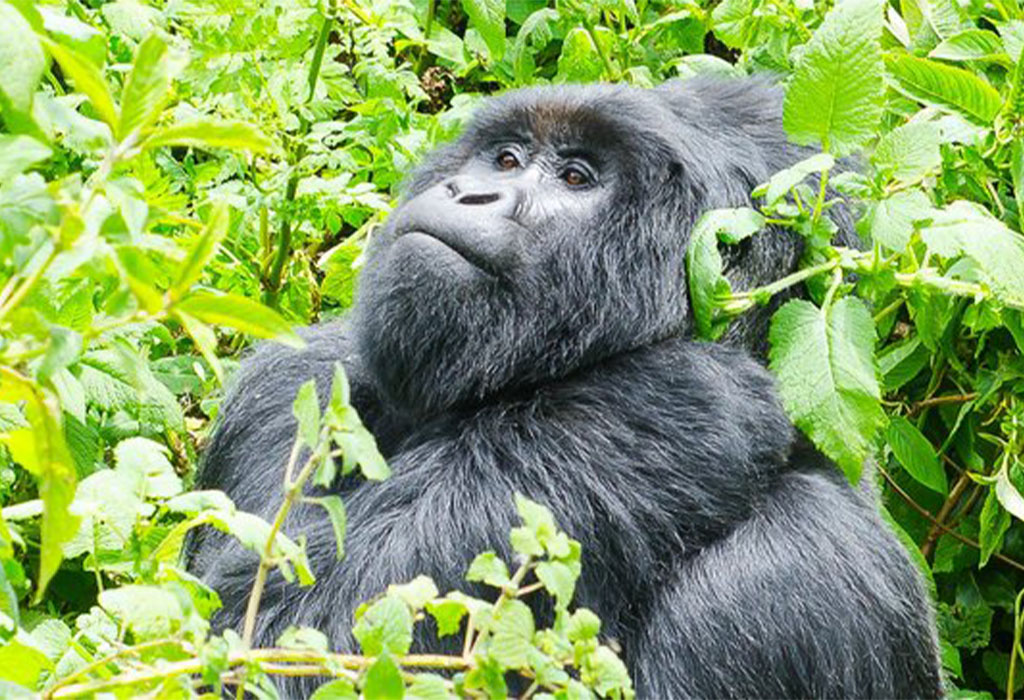
Nestled in the southwestern corner of Uganda, Mgahinga Gorilla National Park offers one of the most rewarding wildlife experiences in Africa. Although it is Uganda’s smallest national park, it protects a remarkable section of the Virunga Mountains and serves as home to the endangered mountain gorillas. Every year, travelers from around the world visit the park to enjoy unforgettable gorilla trekking adventures, breathtaking volcanic landscapes, and rich cultural encounters.
One of the most common questions travelers ask is: What is the best weather for gorilla trekking in Mgahinga? The answer depends on your travel preferences. Gorilla trekking is available throughout the year because the mountain gorillas remain in the forest regardless of the season. However, changing weather conditions influence trail difficulty, visibility, photography opportunities, and even the length of the trek.
Understanding Mgahinga’s climate before planning your safari will help you choose the most suitable season and prepare for an enjoyable adventure.
Understanding Mgahinga’s Mountain Climate
Unlike Uganda’s savannah parks, Mgahinga Gorilla National Park experiences a cool mountain climate throughout the year. The park sits at elevations ranging from approximately 2,200 to 4,127 meters above sea level, making temperatures significantly cooler than most other safari destinations in East Africa.
Because of its high altitude, mist frequently blankets the forest, especially during the early morning hours. Rain can also occur unexpectedly, even during the dry months. As a result, visitors should always prepare for changing weather conditions regardless of the season they choose.
Daytime temperatures usually range between 15°C and 20°C, while nighttime temperatures often fall to 8°C or 10°C. The cool air, combined with lush vegetation and volcanic scenery, creates an unforgettable trekking environment.
Fortunately, these conditions also provide an ideal habitat for mountain gorillas, allowing them to thrive within the dense bamboo forests and montane vegetation.
Why the Long Dry Season Is the Most Popular Time to Visit
The long dry season, which runs from June to August, is widely regarded as the best time for gorilla trekking in Mgahinga Gorilla National Park.
During these months, rainfall decreases considerably, making forest trails firmer and easier to navigate. Although some sections remain steep, hikers generally experience fewer slippery paths than during the rainy seasons.
Another major advantage is visibility. Morning mist often clears more quickly, revealing spectacular views of the surrounding Virunga Volcanoes, including Mount Sabyinyo, Mount Gahinga, and Mount Muhabura. These dramatic landscapes provide exceptional opportunities for photography before and after the trek.
Wildlife viewing also becomes more comfortable because visitors spend less time negotiating muddy terrain and more time appreciating the incredible scenery surrounding them.
Despite being called the dry season, visitors should not expect completely dry weather. Short showers and patches of mist can still appear at any time because mountain weather changes rapidly.
Since this is the busiest travel period, gorilla permits often sell out months in advance. Experiya Tour Company recommends securing permits and accommodation as early as possible to avoid disappointment, especially if you plan to travel during school holidays or international vacation periods.
Why Many Travelers Choose the Short Dry Season
Another excellent time for gorilla trekking falls between December and February. Although this period is shorter than the mid-year dry season, it offers many of the same benefits while attracting slightly fewer visitors.
During these months, mornings are often crisp and cool, followed by pleasant sunshine that creates excellent lighting for wildlife photography. Clear skies also enhance views of the volcanic peaks, making the landscape particularly impressive.
Because visitor numbers are generally lower than during June and August, travelers may find greater flexibility when booking permits, lodges, and transportation.
However, there is one important consideration. During prolonged dry conditions, gorilla families sometimes move higher up the mountain slopes in search of fresh vegetation. As a result, some trekking groups may spend more time hiking before locating the gorillas.
Even so, experienced park guides carefully monitor each habituated gorilla family every day, increasing the likelihood of a successful encounter regardless of where the gorillas travel.
For many visitors, the combination of pleasant weather, beautiful scenery, and moderate visitor numbers makes December through February an outstanding choice.
What to Expect During the Long Rainy Season
The long rainy season, stretching from March to May, transforms Mgahinga into a vibrant green wilderness. Heavy rainfall nourishes the forest, creating spectacular scenery filled with fresh vegetation, colorful flowers, and crystal-clear streams.
April usually receives the highest amount of rainfall, making trails considerably muddier and more challenging. Steep volcanic slopes become slippery, requiring greater care while hiking.
Although trekking during this season demands extra effort, many experienced travelers actually prefer it.
One significant advantage is that mountain gorillas often remain at lower elevations where food is abundant. Consequently, some trekking groups reach the gorillas more quickly than during the dry months.
The rainy season also attracts far fewer tourists. This quieter atmosphere allows visitors to enjoy a more peaceful experience within the forest, while guides can dedicate additional attention to smaller groups.
Accommodation prices frequently become more affordable during these months as well, making this an attractive option for travelers seeking excellent value.
Photographers often appreciate the rich green landscapes and dramatic mist that create unique images unavailable during the drier months.
If you don’t mind occasional rain and muddy boots, the long rainy season can deliver one of the most authentic gorilla trekking experiences in Uganda.
Is the Short Rainy Season Worth Considering?
The short rainy season, which occurs between September and November, offers another rewarding opportunity to visit Mgahinga Gorilla National Park.
Rainfall during these months usually arrives in shorter bursts rather than continuous downpours. Many mornings begin with light mist before giving way to sunshine later in the day.
These changing conditions create an enchanting atmosphere throughout the forest. Clouds drift around the volcanoes while sunlight filters through the bamboo vegetation, producing unforgettable scenery.
This season also marks one of the best times for birdwatching. Migratory birds join the park’s resident species, making the forest especially active for bird enthusiasts.
Visitor numbers remain relatively low, allowing trekkers to enjoy a quieter environment without the crowds often seen during peak season.
Although muddy sections still exist, many travelers appreciate the peaceful atmosphere and lush landscapes that characterize this time of year.
Does the Temperature Change Throughout the Year?
Unlike many safari destinations, Mgahinga experiences relatively stable temperatures throughout the year.
The park’s high elevation prevents extreme heat, even during the driest months. Visitors can therefore expect cool mornings, mild afternoons, and chilly evenings regardless of when they travel.
Most trekking adventures begin early in the morning while temperatures remain low. As hikers climb through the forest, physical activity naturally generates warmth, making layered clothing the most practical choice.
Because weather conditions can shift quickly from sunshine to mist or light rain, flexibility is essential. Carrying waterproof clothing ensures comfort throughout the trek.
How Weather Influences Gorilla Trekking
Weather affects more than personal comfort. It also shapes the overall trekking experience.
Dry conditions generally improve trail stability, making hiking easier for first-time trekkers, families, and older visitors. Clear skies also enhance photography and increase the chances of enjoying panoramic mountain views.
Conversely, rainy conditions produce greener forests and often encourage gorillas to feed at lower elevations. While muddy trails require greater physical effort, shorter trekking distances can sometimes balance the challenge.
Regardless of the season, trained Uganda Wildlife Authority guides and trackers locate gorilla families each morning before visitors begin their trek. Their expertise significantly increases the likelihood of a successful gorilla encounter.
What Should You Pack for Mgahinga’s Weather?
Packing appropriately makes a tremendous difference during gorilla trekking.
A high-quality waterproof rain jacket should always be included because rainfall can occur without warning. Waterproof hiking boots with excellent grip provide stability on steep volcanic slopes, while long-sleeved shirts and long trousers protect against stinging nettles, insects, and dense vegetation.
Many experienced trekkers also wear gardening gloves to protect their hands while holding branches or climbing through thick undergrowth.
During the rainy seasons, quick-drying clothing offers additional comfort after unexpected showers. Thick hiking socks help reduce discomfort from ants and damp conditions, while a waterproof backpack or rain cover protects cameras, phones, passports, and other valuables.
Even travelers visiting during the driest months should carry lightweight rain protection because mountain weather remains unpredictable.
Another highly recommended addition to your trekking experience is hiring a porter. Besides helping carry your backpack, porters provide valuable assistance on steep sections of the trail. Their services also contribute directly to local community livelihoods, making your visit even more meaningful.
Planning Your Gorilla Trek with Experiya Tour Company
Planning ahead greatly improves your gorilla trekking experience. Experiya Tour Company helps travelers secure gorilla permits, arrange comfortable accommodation, organize transportation, and provide professional safari planning tailored to individual preferences.
Whether you prefer the easier hiking conditions of the dry season or the lush scenery and lower costs of the rainy season, experienced travel consultants can help you select the best itinerary based on your budget and travel goals.
Booking early remains particularly important during peak travel months when permits become limited.
Conclusion
Mgahinga Gorilla National Park offers extraordinary gorilla trekking experiences throughout the year, and every season has its own unique appeal.
If you prefer easier hiking conditions, clearer mountain views, and excellent photography opportunities, the dry seasons from June to August and December to February are ideal choices. On the other hand, if you value fewer crowds, greener landscapes, and potentially shorter treks, the rainy seasons from March to May and September to November provide equally memorable adventures.
Ultimately, there is no wrong time to visit Mgahinga. The mountain gorillas remain the true highlight in every season, while the park’s breathtaking scenery, cool mountain climate, and rich biodiversity ensure an unforgettable safari experience.
With careful preparation and expert guidance from Experiya Tour Company, your journey to Mgahinga Gorilla National Park will become a once-in-a-lifetime encounter with one of the world’s most remarkable wildlife species.