Do You Need a Permit for Chimpanzee Trekking in Rwanda?
July 2, 2026
Is Uganda Safe for Travellers in 2026?
July 2, 2026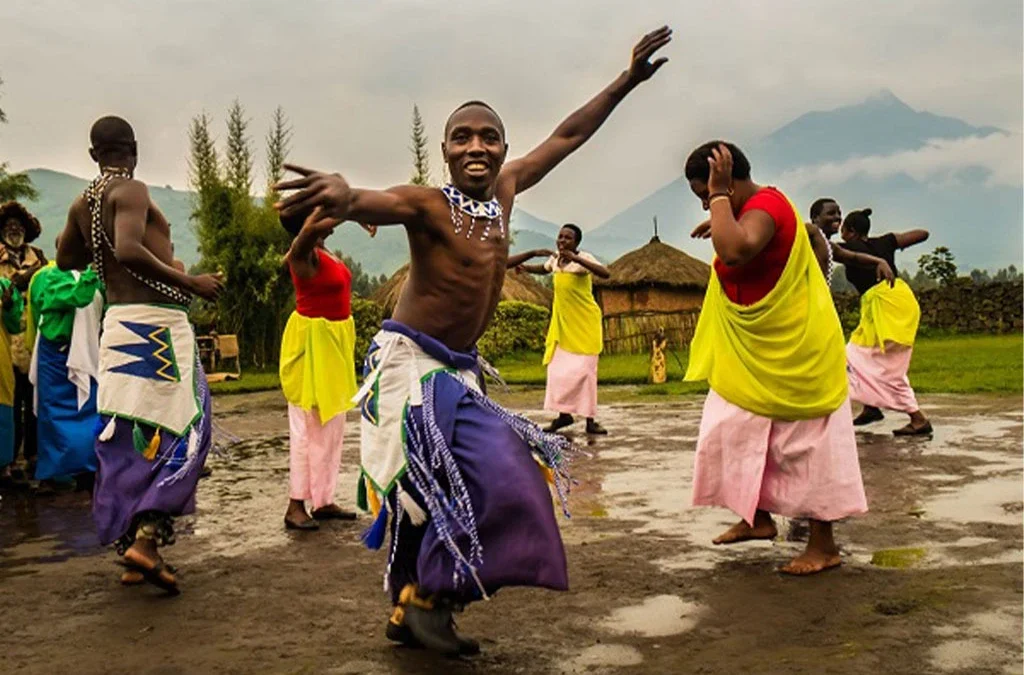
Rwanda is widely celebrated as the Land of a Thousand Hills, but beyond its breathtaking landscapes and remarkable wildlife lies a rich cultural heritage that captivates visitors from around the world. A cultural safari in Rwanda offers an opportunity to experience authentic traditions, vibrant music, fascinating history, and warm hospitality. From ancient royal palaces and museums to traditional villages and moving genocide memorials, every destination tells a unique story about the country’s remarkable journey.
At Experiya Tour Company, we believe that exploring Rwanda’s cultural attractions creates a deeper appreciation of the country’s identity while complementing unforgettable wildlife experiences such as gorilla trekking, chimpanzee tracking, and game viewing.
Why Choose a Cultural Safari in Rwanda?
A cultural safari allows travelers to discover Rwanda beyond its famous mountain gorillas. Throughout the country, local communities proudly preserve their traditions through music, dance, storytelling, craftsmanship, and cuisine. Visitors can interact with local people, learn ancient skills, participate in traditional ceremonies, and understand how Rwanda has successfully preserved its heritage while embracing modernization.
Moreover, cultural experiences directly support local communities by creating employment opportunities and encouraging the preservation of traditional knowledge for future generations.
Explore Rwanda’s Royal Heritage
Before colonial rule, Rwanda was governed by a powerful monarchy that shaped much of the country’s culture and traditions. Although the kingdom no longer exists, several historical sites preserve this important chapter of Rwanda’s past.
The King’s Palace Museum in Nyanza, formerly known as the Royal Palace Museum, offers visitors a fascinating glimpse into traditional royal life. During King Yuhi V Musinga’s reign in 1899, Nyanza served as the royal capital of Rwanda.
Today, visitors can explore the beautifully reconstructed traditional palace, admire the famous long-horned Inyambo royal cows, and tour King Mutara III Rudahigwa’s modern residence, built in 1932. The elegant architecture and historical exhibits provide valuable insight into Rwanda’s monarchy.
Nearby, Mwima Hill houses the royal burial grounds where King Mutara III Rudahigwa and Queen Rosalie Gicanda rest. The peaceful surroundings make this an important cultural and historical landmark.
Visit the Rwanda Art Museum
Just a short drive from Nyanza lies the Rwanda Art Museum at Rwesero. Originally intended as King Mutara III Rudahigwa’s second palace, the building became a museum after the king’s untimely death before occupying it.
Today, the museum showcases contemporary Rwandan artwork alongside historical collections that celebrate the country’s creativity and artistic evolution. Paintings, sculptures, photography, and cultural exhibitions reveal the vibrant artistic spirit that continues to thrive across Rwanda.
Discover the Ethnographic Museum
Located in Huye, the Ethnographic Museum ranks among East Africa’s finest cultural museums. Opened in 1989, it presents one of the most comprehensive collections of traditional Rwandan artifacts.
The museum displays farming equipment, hunting weapons, fishing tools, pottery, woven baskets, traditional musical instruments, household items, and ceremonial clothing used before modernization transformed everyday life.
In addition to preserving historical collections, the museum supports cultural education by teaching younger generations traditional crafts such as pottery, weaving, beadwork, basket making, and wood carving. These programs help ensure that Rwanda’s cultural identity remains vibrant despite rapid development.
Experience the Famous Intore Dance
No cultural safari in Rwanda is complete without witnessing the spectacular Intore Dance, one of the country’s most treasured traditions.
Historically, only selected warriors performed the Intore Dance during royal ceremonies. In fact, the word Intore translates to “The Chosen Ones.”
The performance combines energetic drumbeats, graceful movements, poetry, and traditional singing. Male dancers wear lion-like headpieces and ankle rattles while performing powerful jumps and spear movements that symbolize bravery. Female dancers complement the performance with elegant hand gestures and flowing movements inspired by the graceful crested crane.
Another fascinating traditional performance is the Hoe Dance, which celebrates Rwanda’s agricultural heritage. Farmers originally performed this dance to honor successful harvests and demonstrate traditional farming techniques.
Many cultural centers and museums regularly stage these performances, allowing visitors to experience Rwanda’s living traditions firsthand.
Visit Gorilla Guardians Village
Formerly known as Iby’Iwacu Cultural Village, the Gorilla Guardians Village has become one of Rwanda’s most popular cultural attractions. Located near Volcanoes National Park in Musanze District, the village provides visitors with an immersive cultural experience before or after gorilla trekking.
The community project was established to provide alternative livelihoods for former poachers while promoting conservation through tourism.
During your visit, you can participate in traditional cooking lessons, watch blacksmith demonstrations, learn about ancient hunting methods used by the Batwa community, enjoy Intore dance performances, taste locally brewed banana beer, and even dress in royal attire while visiting a traditional king’s palace.
The experience offers a meaningful connection with Rwanda’s people while supporting sustainable community development.
Discover Rwanda’s Arts and Crafts
Rwanda has a long tradition of producing beautiful handmade crafts that reflect the country’s creativity and cultural identity.
Across the country, skilled artisans create woven baskets, pottery, wood carvings, beadwork, ceramics, textiles, jewelry, and decorative household items using locally available materials.
One of Rwanda’s most distinctive art forms is Imigongo painting, an ancient decorative technique that originated centuries ago. According to local tradition, Prince Kakira first introduced this unique style by decorating palace walls using treated cow dung.
Today, artists continue this remarkable practice, especially in Nyakarambi village. After carefully preparing the cow dung, artisans create intricate geometric patterns before painting them in black, white, brown, and natural earth tones.
Visitors can watch the entire process, meet local artists, and purchase authentic handmade souvenirs.
Learn Rwanda’s History at the Genocide Memorials
Understanding Rwanda’s modern history forms an important part of any cultural journey.
The Kigali Genocide Memorial commemorates more than 250,000 victims buried at the site while educating visitors about the tragic events of the 1994 Genocide against the Tutsi. Through photographs, personal testimonies, historical exhibits, and educational displays, the memorial encourages reflection, reconciliation, and peace.
Another significant site is the Nyamata Genocide Memorial, located south of Kigali. Thousands of people sought refuge inside Nyamata Catholic Church during the genocide, hoping for protection. Tragically, many lost their lives there.
Today, preserved clothing, bullet marks, and memorial exhibits help visitors understand the human impact of this painful chapter in Rwanda’s history while honoring the memory of the victims.
Although these visits can be emotional, they offer valuable lessons about resilience, forgiveness, and national unity.
Traditional Dress and Cultural Experiences
Traditional Rwandan clothing reflects elegance and cultural pride. Women typically wear long flowing dresses with beautifully wrapped shawls, while men wear long robes complemented by ceremonial sashes.
Visitors can try on traditional attire during cultural tours or photography sessions, especially in Kigali and Musanze.
For a deeper cultural experience, many communities welcome visitors to observe traditional marriage ceremonies, milk the famous Inyambo cows, prepare local dishes, or enjoy authentic Rwandan meals featuring fresh milk products, beans, plantains, sweet potatoes, cassava, and grilled meats.
These interactive experiences create lasting memories while strengthening cultural understanding.
Best Time for Cultural Safaris in Rwanda
Rwanda welcomes visitors throughout the year because cultural attractions remain accessible regardless of the season.
However, the dry seasons from June to September and December to February provide the most comfortable conditions for travel. Roads are easier to navigate, and visitors can easily combine cultural tours with gorilla trekking, wildlife safaris, and hiking adventures.
The rainy seasons from March to May and late October to early December also offer rewarding experiences. Although rainfall is more frequent, museums, cultural centers, and indoor attractions remain open. Additionally, fewer visitors during these months often create a more relaxed and intimate experience.
At Experiya Tour Company, we recommend booking accommodations and activities well in advance during peak travel periods.
Cost of a Cultural Safari in Rwanda
The cost of a Rwanda cultural safari depends on the attractions you choose, transportation, accommodation, guiding services, and the duration of your trip.
Museums and cultural centers charge modest entrance fees that contribute to conservation, maintenance, and educational programs. Hiring an experienced local guide greatly enriches the experience by providing historical context and fascinating stories that visitors may otherwise miss.
Transportation, meals, accommodation, and optional cultural performances also influence the overall cost. At Experiya Tour Company, we customize cultural safari packages to suit different budgets while ensuring authentic and memorable experiences.
Combine Culture with Rwanda’s Wildlife Adventures
Many travelers combine cultural experiences with Rwanda’s world-famous wildlife attractions. Gorilla trekking in Volcanoes National Park remains the country’s signature activity, while Nyungwe National Park offers exceptional chimpanzee tracking and the thrilling canopy walk above the rainforest.
Akagera National Park provides outstanding Big Five game drives, birdwatching opportunities, and scenic boat cruises. Meanwhile, coffee and tea plantation tours allow visitors to discover Rwanda’s renowned agricultural heritage.
Kigali city tours introduce travelers to vibrant markets, art galleries, restaurants, and cultural centers, while Lake Kivu offers relaxing boat cruises, kayaking, swimming, and lakeside retreats.
Plan Your Rwanda Cultural Safari with Experiya Tour Company
A cultural safari in Rwanda offers far more than sightseeing. It creates opportunities to connect with local communities, celebrate traditional customs, appreciate remarkable resilience, and gain a deeper understanding of one of Africa’s most inspiring destinations.
Whether you want to explore ancient royal palaces, witness the spectacular Intore Dance, visit moving historical memorials, meet local artisans, or combine culture with unforgettable wildlife encounters, Experiya Tour Company will design a personalized itinerary that matches your interests.
Discover Rwanda’s extraordinary heritage and create memories that will last a lifetime through an authentic cultural safari with Experiya Tour Company.