
4 Days Akagera National Park Safari – Rwanda Wildlife Adventure
July 1, 2026
Cultural Sites and Safaris in Rwanda
July 2, 2026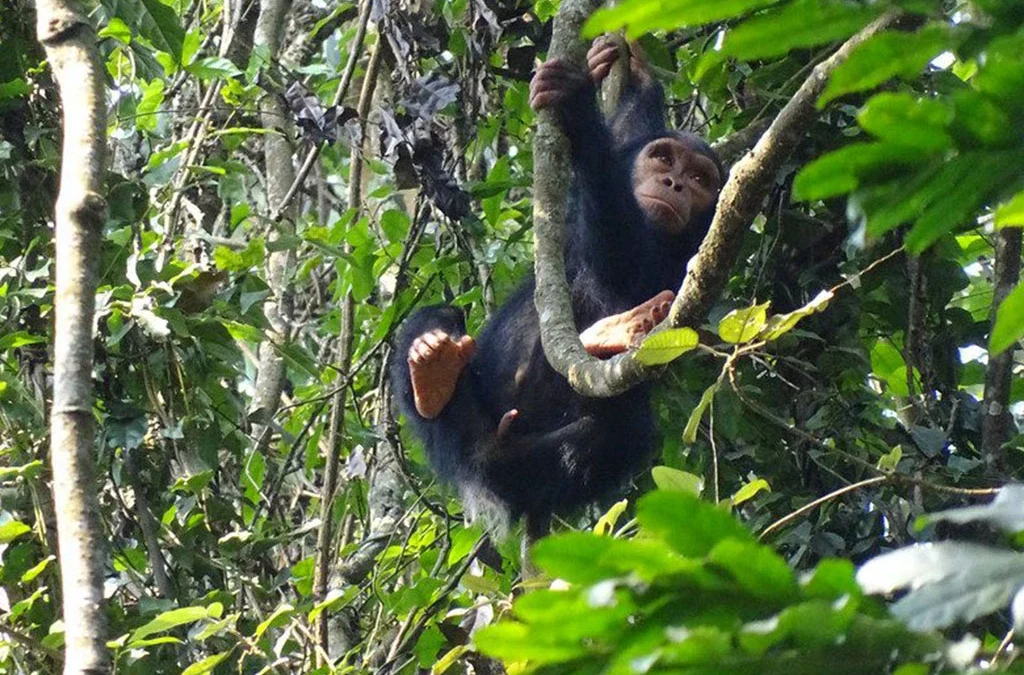
Yes, you need a permit for chimpanzee trekking in Rwanda. The Rwanda Development Board (RDB) requires every visitor to obtain a valid chimpanzee trekking permit before entering Nyungwe National Park to track habituated chimpanzees. Without this permit, you cannot participate in the trek.
At Experiya Tour Company, we simplify the booking process by securing your permit, organizing your accommodation, and arranging transportation. This allows you to focus entirely on enjoying one of Africa’s most memorable wildlife encounters.
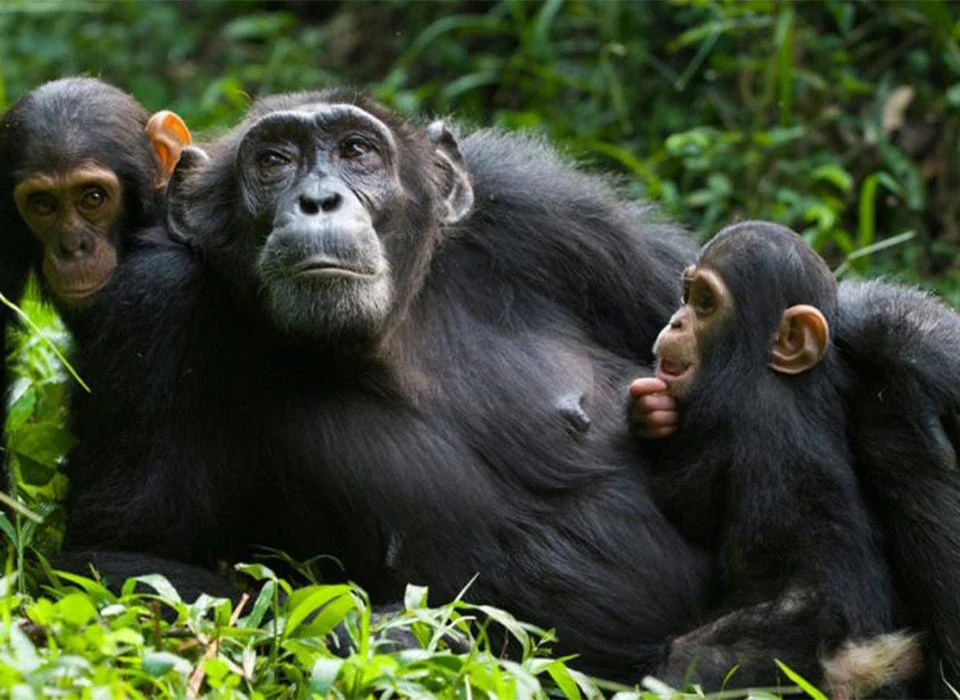
Chimpanzee trekking in Rwanda offers an exciting opportunity to observe one of humanity’s closest relatives in the wild. Hidden within the ancient Nyungwe Forest, this adventure combines breathtaking scenery, remarkable biodiversity, and meaningful conservation efforts. Before setting out into the rainforest, however, understanding how the permit system works will help you plan a smooth and rewarding safari.
Understanding a Chimpanzee Trekking Permit
A chimpanzee trekking permit is an official authorization issued by the Rwanda Development Board. It grants visitors permission to enter Nyungwe National Park and join a guided trek to see a habituated chimpanzee community in its natural habitat.
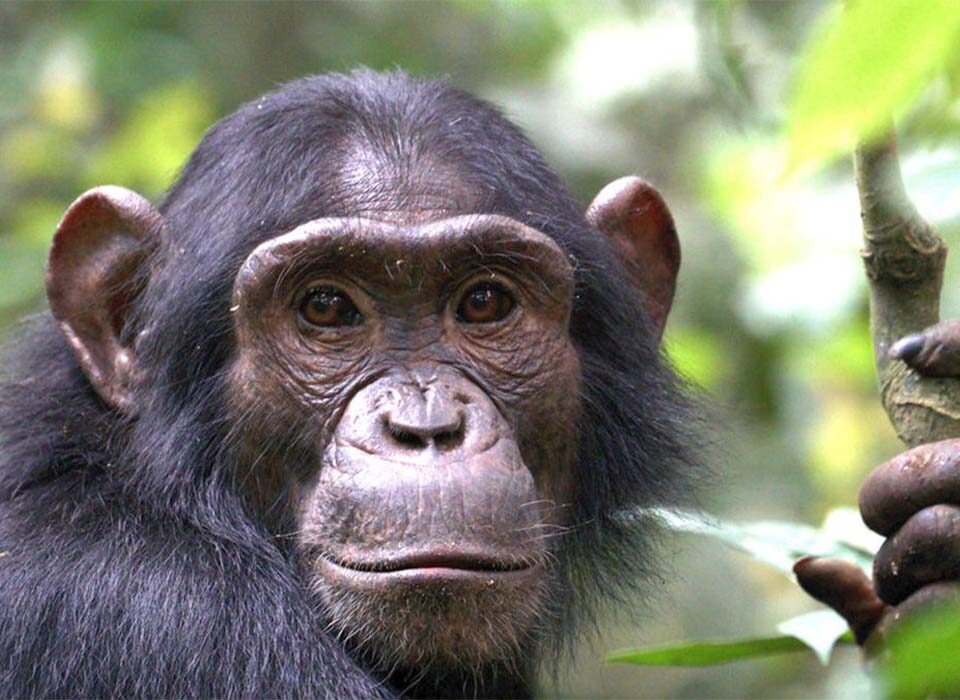
Unlike a general park entrance ticket, this permit specifically allows you to spend one unforgettable hour observing chimpanzees once your trekking group locates them. During this hour, visitors witness fascinating behaviors such as grooming, feeding, communicating, playing, and moving gracefully through the forest canopy.
Each permit remains valid for only one person, one trekking date, and one guided excursion. It cannot be transferred to another traveler or reused on another day.
On the day of your trek, visitors report to the designated park reception very early in the morning, usually before 5:00 a.m. Rangers conduct a briefing covering safety procedures, trekking guidelines, and conservation rules. Park officials then verify both your passport and trekking permit before assigning you to a guided group.
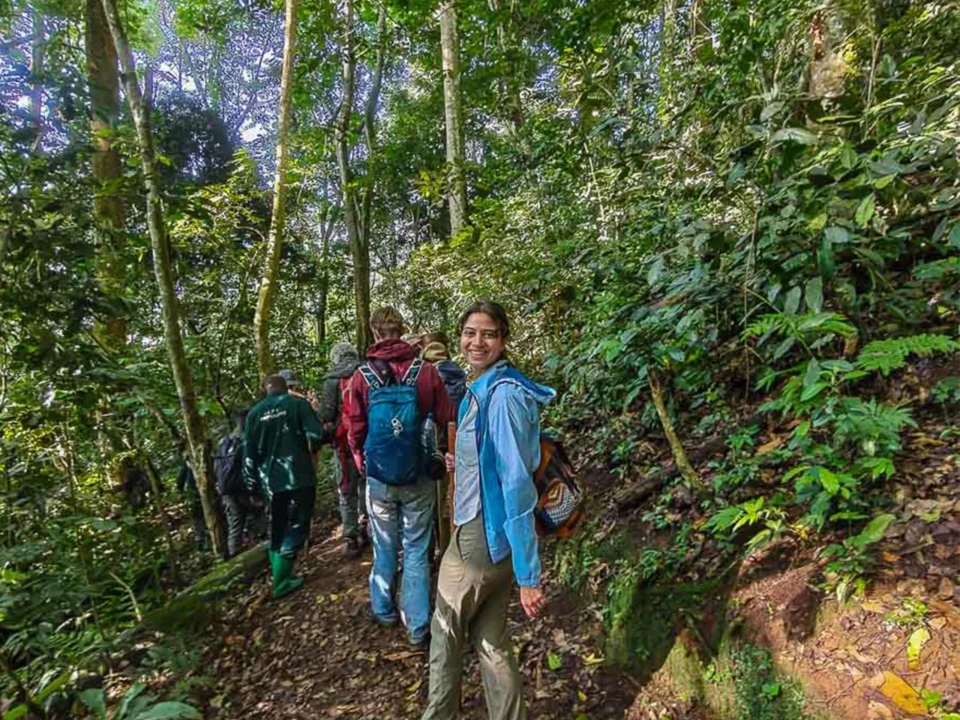
Every trekking group consists of no more than ten participants aged 15 years and above. Experienced park guides lead the trek while armed rangers accompany visitors to ensure safety throughout the forest experience.
Why Rwanda Requires Chimpanzee Trekking Permits
The permit system serves a purpose far greater than regulating tourism. It plays a critical role in protecting Rwanda’s endangered chimpanzees and preserving one of Africa’s oldest rainforests.
Chimpanzees share nearly 98 percent of their DNA with humans. As a result, they remain highly vulnerable to human diseases and disturbances. Limiting the number of daily visitors significantly reduces stress on the chimpanzee communities while minimizing the risk of disease transmission.
Furthermore, controlled tourism helps maintain the animals’ natural behaviors. Instead of becoming overly accustomed to large crowds, the chimpanzees continue living naturally within their forest environment.
Permit fees also provide essential funding for conservation initiatives. Revenue supports ranger patrols, scientific research, habitat restoration, anti-poaching operations, and environmental education. In addition, local communities surrounding Nyungwe National Park benefit from tourism through employment opportunities, infrastructure improvements, and community development projects.
Therefore, purchasing a chimpanzee trekking permit contributes directly to protecting Rwanda’s wildlife while supporting sustainable tourism.
What Your Chimpanzee Trekking Permit Includes
A chimpanzee trekking permit covers much more than simple park entry. It provides access to a professionally organized wildlife experience designed to protect both visitors and chimpanzees.
Your permit includes entry into Nyungwe National Park for chimpanzee trekking, the services of an experienced park guide, armed ranger protection during the trek, and one full hour with a habituated chimpanzee group after locating them.
Throughout the excursion, knowledgeable guides explain chimpanzee behavior, forest ecology, conservation efforts, and the incredible biodiversity that makes Nyungwe one of Africa’s most important rainforests.
However, travelers should understand that the permit does not cover every travel expense. Accommodation, meals, transportation, porter services, personal travel insurance, tips, and optional activities require separate payment.
Fortunately, Experiya Tour Company offers complete safari packages that combine permits, accommodation, transportation, meals, and additional activities into one convenient itinerary. This approach eliminates unnecessary stress and allows visitors to enjoy a seamless travel experience.
How Much Does a Chimpanzee Trekking Permit Cost?
Chimpanzee trekking permit fees vary depending on a visitor’s residency status. The Rwanda Development Board currently charges:
- Foreign non-residents: US$250 per person
- Foreign residents: US$75 per person
- East African citizens: US$25 per person
These rates apply to one trek on one specific date.
Although travelers may purchase permits directly through Rwanda’s official IREMBO online booking platform, many visitors prefer booking through licensed tour operators such as Experiya Tour Company.
Booking through an experienced safari operator offers several advantages. We monitor permit availability, complete the reservation process, confirm your booking promptly, and coordinate every aspect of your safari. This saves valuable time while reducing the possibility of booking errors.
How Many Permits Are Available Each Day?
Chimpanzee trekking in Rwanda remains an exclusive wildlife experience because only a limited number of permits become available each day.
Nyungwe National Park currently has two habituated chimpanzee communities open for tourism. One group inhabits the Uwinka area, while the other occupies the Cyamudongo Forest.
Each chimpanzee community receives a maximum of ten visitors per day. Consequently, only about 20 chimpanzee trekking permits are available daily across the entire park.
Because demand frequently exceeds supply, especially during the peak tourism seasons, early booking becomes essential.
At Experiya Tour Company, we strongly recommend reserving your permit at least three months before travel if you plan to visit between June and September or during the December holiday season. Early reservations provide greater flexibility when choosing your preferred travel dates and accommodation.
Although occasional last-minute permits become available, relying on late bookings can lead to disappointment, particularly during busy travel periods.
Can You Receive a Refund if You Do Not See Chimpanzees?
Many first-time visitors wonder whether a refund applies if they fail to see chimpanzees during the trek.
Chimpanzees roam freely throughout the rainforest. Although experienced trackers locate them on most days, sightings cannot be guaranteed because these animals live entirely in the wild.
In the rare event that visitors fail to locate the chimpanzees, the Rwanda Development Board may offer an alternative trekking opportunity or provide a partial refund according to its current regulations. Policies can change over time, so travelers should always confirm the latest refund terms before booking.
However, refunds generally do not apply to missed departures, late arrivals, flight delays, voluntary cancellations, or no-shows. For this reason, arriving in Rwanda at least one day before your scheduled trek helps minimize travel-related risks.
When Is the Best Time for Chimpanzee Trekking in Rwanda?
Chimpanzee trekking takes place throughout the year because Nyungwe National Park remains open in every season.
Nevertheless, weather conditions influence the overall trekking experience.
The dry seasons, which typically run from June to September and December to early February, provide the most favorable hiking conditions. Forest trails become less muddy, river crossings remain easier, and walking through the rainforest feels more comfortable.
These months also offer excellent photography opportunities because sunlight filters beautifully through the forest canopy.
On the other hand, the rainy seasons have their own unique advantages. During wetter months, fruit becomes more abundant throughout the forest, encouraging chimpanzees to feed within smaller areas. As a result, trekkers often spend less time searching before finding the chimpanzee groups.
Although rain may occur at any time in Nyungwe, proper hiking boots and waterproof clothing ensure an enjoyable experience regardless of the season.
What Should You Expect During the Trek?
Chimpanzee trekking offers an exciting combination of adventure, fitness, and wildlife observation.
The trek usually begins before sunrise as guides lead visitors into the rainforest while trackers communicate by radio to locate the chimpanzees.
Depending on the chimpanzees’ movements, trekking can last anywhere from one to several hours before the group makes contact. Along the way, visitors often encounter beautiful waterfalls, towering ancient trees, colorful butterflies, unique orchids, monkeys, and numerous bird species.
Once the chimpanzees appear, the experience becomes unforgettable. Their loud vocalizations echo through the forest as they leap effortlessly between towering trees, forage for fruits, groom one another, and care for their young.
Watching these intelligent primates interact naturally creates memories that last a lifetime.
Is Chimpanzee Trekking in Rwanda Worth It?
Without question, chimpanzee trekking ranks among Rwanda’s most rewarding wildlife experiences.
Although gorilla trekking often attracts greater international attention, chimpanzee trekking offers equally fascinating encounters with highly intelligent primates in one of Africa’s oldest montane rainforests.
Nyungwe National Park also protects exceptional biodiversity beyond chimpanzees. The park supports 13 other primate species, including L’Hoest’s monkeys, black-and-white colobus monkeys, owl-faced monkeys, and blue monkeys. More than 320 bird species, countless butterflies, orchids, reptiles, and mammals thrive within this remarkable ecosystem.
Many travelers extend their visit by exploring Nyungwe’s famous Canopy Walk, scenic hiking trails, birdwatching routes, tea plantations, and nearby cultural attractions. Combining these activities creates a well-rounded Rwanda safari that appeals to nature lovers, photographers, birders, and adventure seekers alike.
Book Your Rwanda Chimpanzee Trek with Experiya Tour Company
Planning a chimpanzee trekking safari becomes much easier when you work with experienced travel professionals.
At Experiya Tour Company, we arrange every detail of your adventure, including chimpanzee trekking permits, comfortable accommodation, reliable airport transfers, private transportation, and customized Rwanda safari itineraries. Whether you wish to combine chimpanzee trekking with gorilla trekking, wildlife safaris, or cultural experiences, we tailor every journey to match your interests and travel schedule.
Our dedicated team remains available throughout the planning process, ensuring that every reservation is confirmed well before your arrival. From your first inquiry until the end of your safari, we strive to deliver a smooth, memorable, and professionally organized travel experience.
If you are ready to discover the incredible chimpanzees of Nyungwe National Park, contact Experiya Tour Company today. Secure your permit early and prepare for an unforgettable encounter in one of Africa’s most spectacular rainforests, where every trek supports conservation and brings you closer to the extraordinary wildlife that makes Rwanda truly unique.