The Best Way to Combine Rwanda and Uganda Gorilla Trekking
May 14, 2026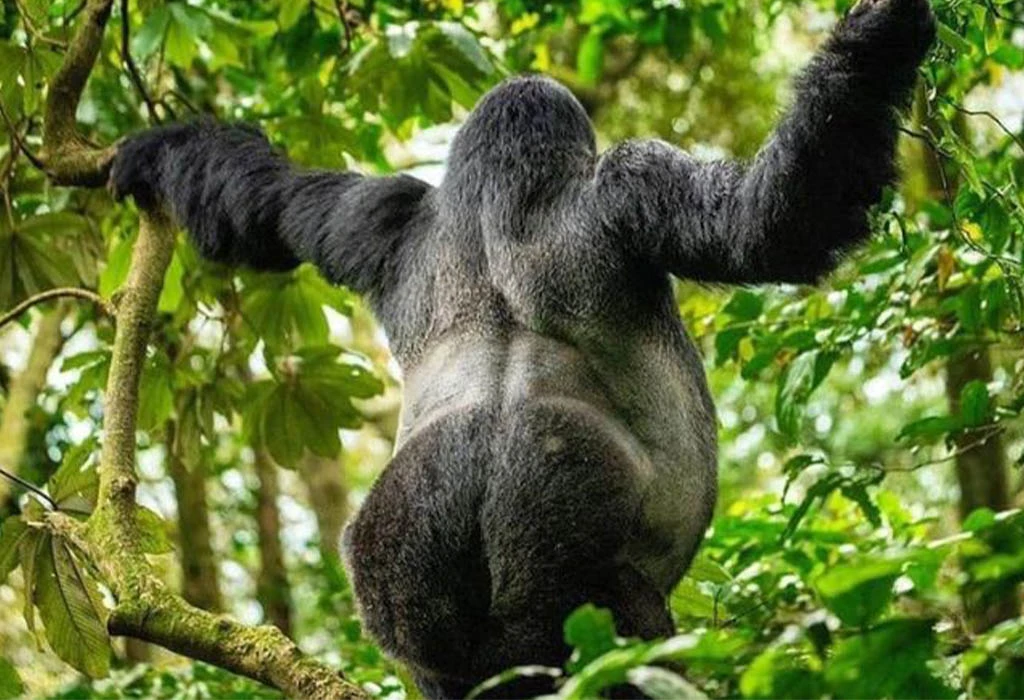
Do Mountain Gorillas Hibernate or Migrate?
May 15, 2026
Bwindi Impenetrable National Park is home to almost half of the world’s remaining mountain gorillas, making it one of Africa’s most remarkable wildlife destinations. The park protects several habituated gorilla families spread across four trekking sectors: Buhoma, Ruhija, Rushaga, and Nkuringo. Each gorilla family has unique characteristics, and understanding these differences can help you enjoy a more rewarding trekking experience.
Many travelers assume that all gorilla treks are the same. However, every gorilla family behaves differently depending on its size, location, social structure, and composition. Some groups have playful infants, while others feature dominant silverbacks or large family numbers. In addition, some families stay closer to the trekking starting points, while others move deeper into Bwindi’s thick rainforest.
Choosing the right gorilla family can therefore make a significant difference in your safari experience. Below are the most important factors to consider before your gorilla trek in Bwindi Impenetrable National Park.
Gorilla Families with Young Gorillas
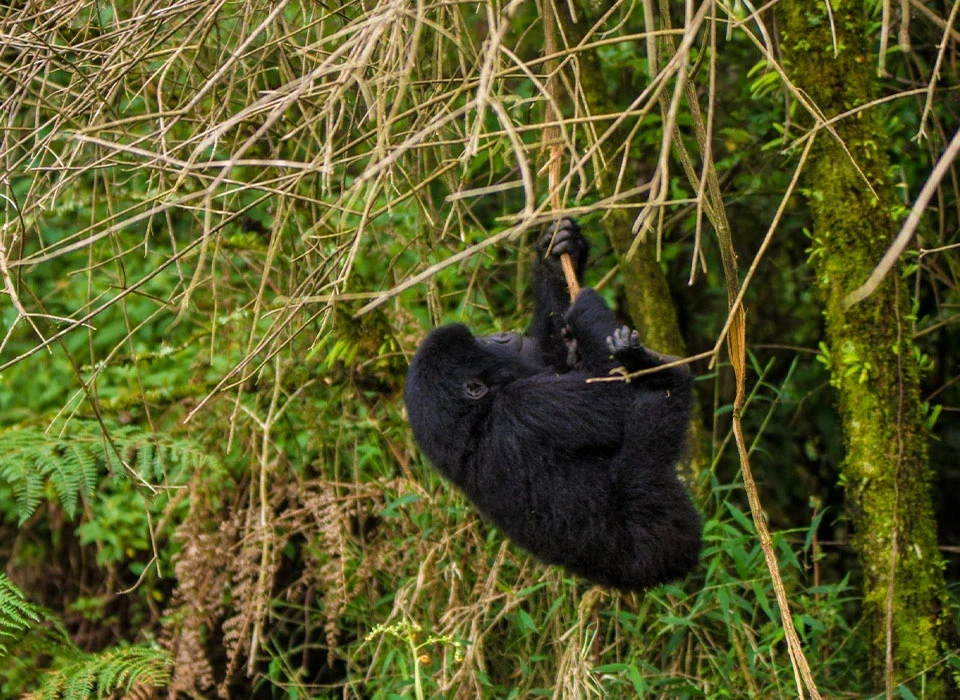
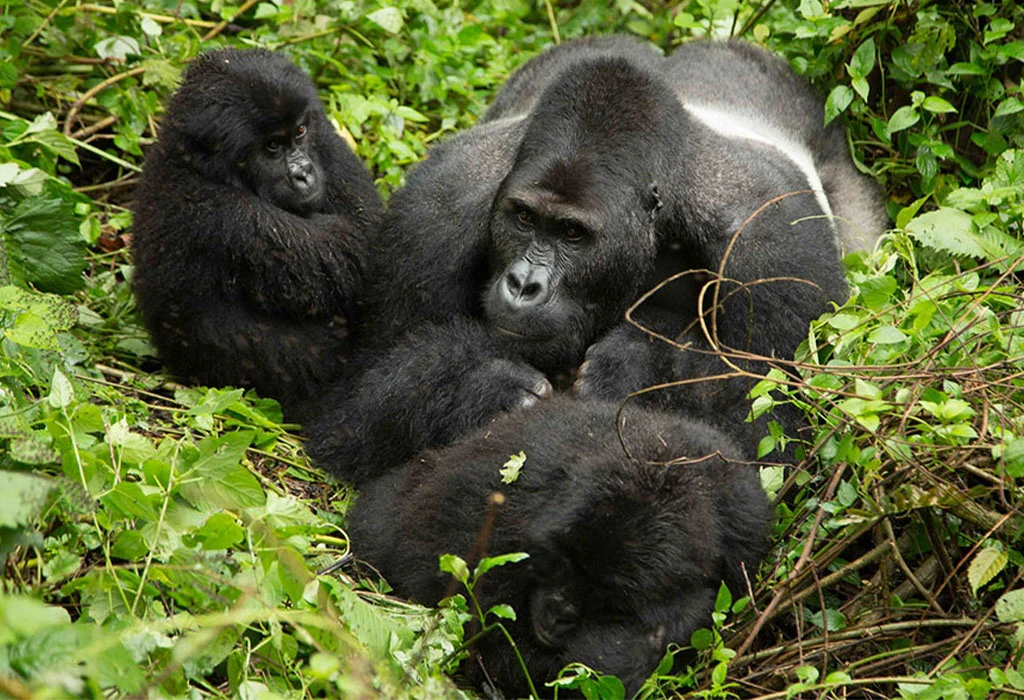
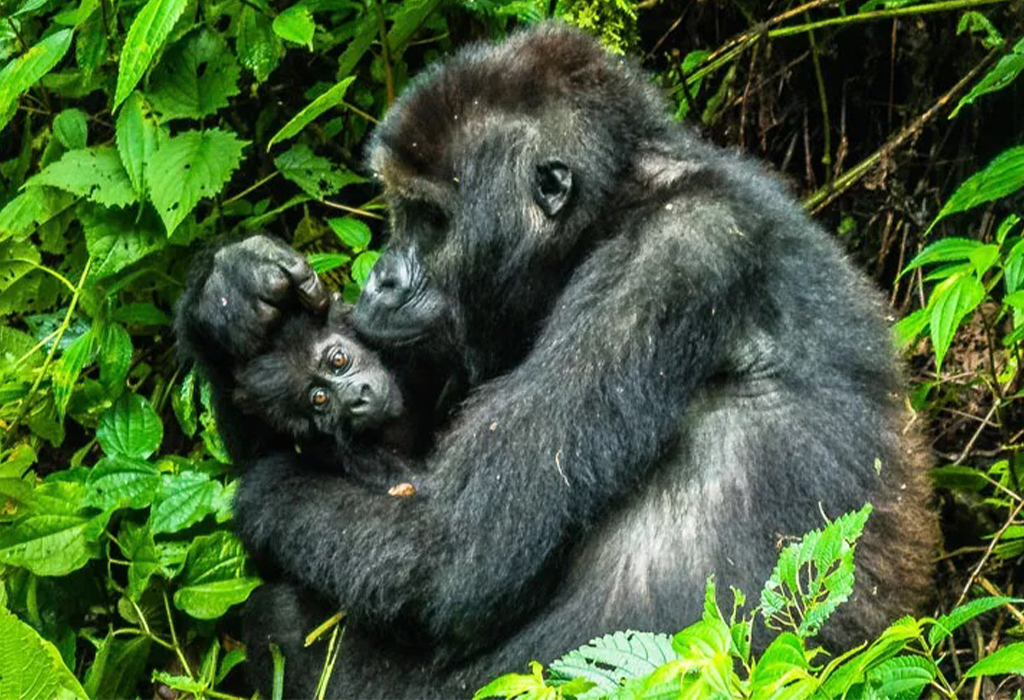
Some gorilla families in Bwindi have several infants and juveniles. These groups often provide lively and entertaining encounters because young gorillas spend much of their time climbing trees, wrestling, chasing each other, and playing around their mothers.
Travelers who enjoy photography usually love families with many young gorillas because the playful interactions create memorable moments. Watching baby gorillas cling to their mothers or tumble through the forest can be one of the most emotional highlights of the trek.
If you specifically want to visit a gorilla family with young members, you should mention this preference during booking or at the morning briefing before trekking begins. Uganda Wildlife Authority guides normally do their best to match visitors with suitable gorilla groups based on interests and fitness levels.
Gorilla Families with More Silverbacks
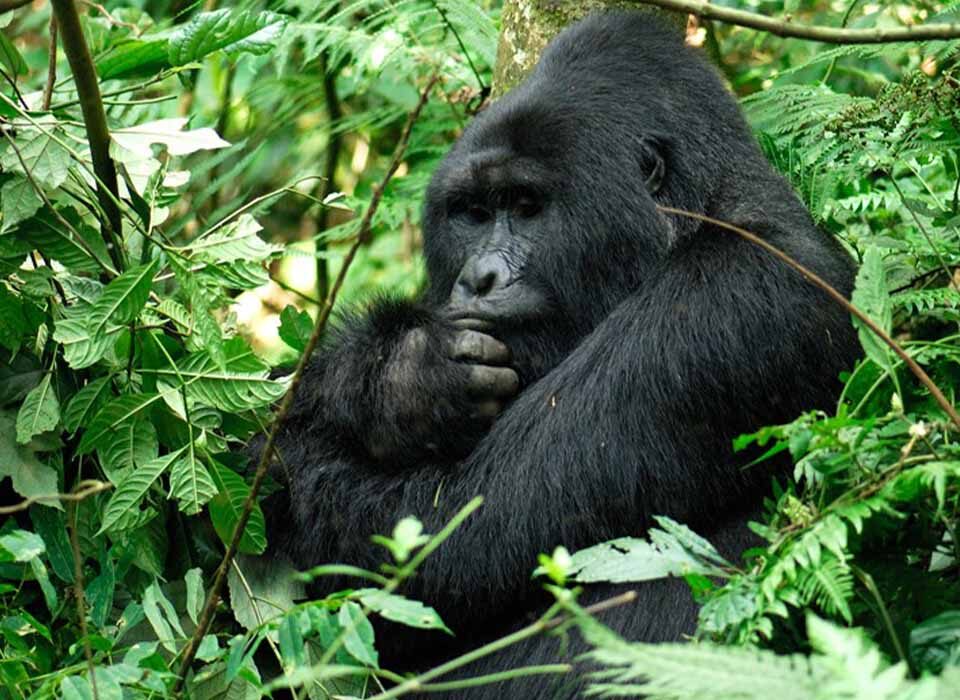
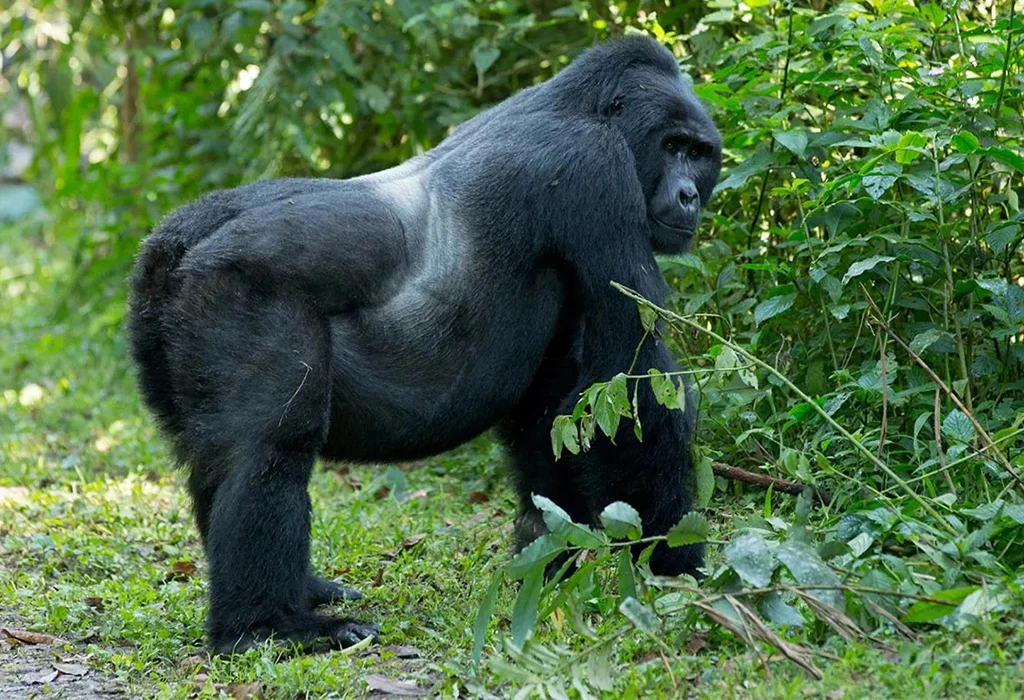
Silverbacks are mature male gorillas recognized by the silver hair that develops across their backs as they age. They lead and protect the family while making important decisions about feeding, movement, and safety.
Some gorilla families in Bwindi contain more than one silverback. These groups tend to attract travelers interested in gorilla behavior and social dynamics. Seeing multiple silverbacks interact within the same family can be fascinating because dominance and leadership roles are often visible during the trek.
Large silverbacks also create excellent photographic opportunities due to their impressive size and powerful appearance. If your main interest lies in observing mature males, you should inform your safari operator or the rangers before the trek begins. Experiya Tour Company can help identify the sectors and families that are more likely to provide this type of experience.
Gorilla Families with Many Members
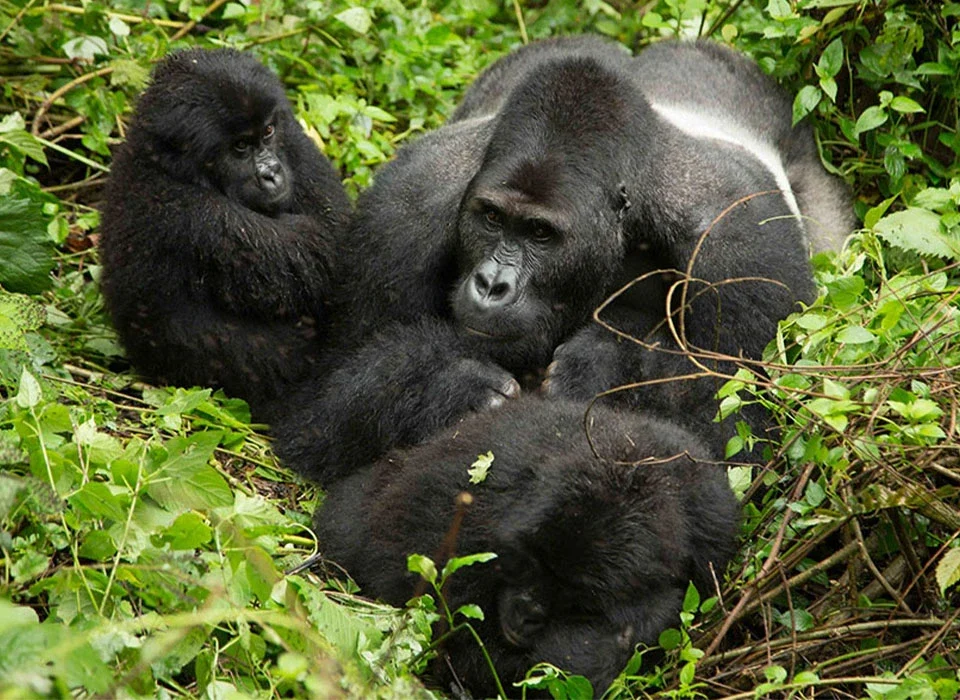
Bwindi’s habituated gorilla groups vary greatly in size. Some families contain only a few individuals, while others include more than 15 or 20 members.
Large gorilla families usually offer more activity during the viewing hour. Since many gorillas stay within the same area, visitors can observe different behaviors at the same time. One gorilla may feed quietly while another grooms a sibling, and nearby juveniles may continue playing in the vegetation.
For travelers seeking a dynamic and engaging trek, larger families often provide the most rewarding encounters. During the briefing session, park authorities can assign you to a gorilla family with many members if permits and gorilla locations allow.
Gorilla Families Closer to the Starting Point
Not every traveler wants a physically demanding trek. Some visitors prefer shorter hikes due to age, medical conditions, or limited fitness levels. Fortunately, Bwindi offers gorilla families that stay relatively closer to the trekking starting points on certain days.
Before each trek, trackers enter the forest early in the morning to locate the gorilla families. They then communicate the approximate positions of the groups to the guides. As a result, rangers can assign visitors to gorilla families based on hiking ability and personal preferences.
If you prefer an easier trek, you should inform the rangers during the morning briefing. They will usually allocate you to a group that requires less hiking whenever possible. This system allows older travelers and less experienced hikers to enjoy gorilla trekking comfortably.
Buhoma and Ruhija sectors often provide less strenuous trekking conditions compared to some areas in southern Bwindi.
Gorilla Families Located Farther in the Forest
Some travelers prefer longer and more adventurous treks. For these visitors, the southern sectors of Bwindi, particularly Rushaga and Nkuringo, often provide more challenging hiking experiences.
These areas feature steep hills, thick vegetation, and rugged terrain. Gorilla families in these sectors sometimes move deeper into the forest, requiring longer hikes that can last several hours. However, many adventurous travelers enjoy the challenge because the experience feels more immersive and remote.
Longer treks also increase opportunities to experience Bwindi’s incredible biodiversity. Along the way, you may encounter birds, monkeys, butterflies, and stunning rainforest scenery.
Even if you hold a permit for Buhoma or Ruhija, you can still request a more challenging trek during the briefing. Rangers usually consider your interests alongside the current gorilla locations before assigning your group.
Frequently Asked Questions About Choosing a Gorilla Family in Bwindi
What Is a Habituated Gorilla Family?
A habituated gorilla family is a group of mountain gorillas that has gradually become comfortable with human presence. The habituation process normally takes between two and three years.
During this period, trained researchers and park rangers spend time near the gorillas daily. Over time, the gorillas learn that humans do not pose a threat. This careful process allows tourists to observe the gorillas safely without significantly affecting their natural behavior.
Before Uganda Wildlife Authority officially opens a gorilla family for tourism, experts conduct several trial visits to ensure the group remains calm around people. Once the family consistently reacts peacefully, authorities declare it fully habituated and ready for public trekking.
Can I Choose the Gorilla Family I Want to Trek?
Yes, visitors can request a gorilla family of their choice as long as they hold a valid gorilla trekking permit for the correct sector of Bwindi.
During the morning briefing, you may be asked to visit a specific type of gorilla family. For example, you can request a family with young gorillas, more silverbacks, many members, or one located closer to the starting point.
Although final allocations depend on gorilla movements and permit availability, park authorities try to accommodate personal preferences whenever possible.
When Should I Request My Preferred Gorilla Family?
The best time to request your preferred gorilla family is during the pre-trek briefing on the morning of your safari. At this stage, trackers already know the approximate locations of the gorilla groups, making it easier for rangers to assign suitable families.
However, you can also discuss your interests earlier during the booking process. Sharing your preferences in advance helps your safari operator organize permits in the most appropriate sector.
For example, travelers interested in the famous Mubare Gorilla Family, the first habituated group in Bwindi, should secure permits in the Buhoma sector. Similarly, those interested in gorilla habituation experiences should book permits in Rushaga.
Can I Choose a Gorilla Family During Booking?
Yes, early planning increases your chances of getting the experience you want. Certain gorilla families and sectors become fully booked months in advance, especially during peak travel seasons.
When booking your safari, you should explain your interests clearly. Experiya Tour Company can then recommend the best sector and permit availability based on your preferences, fitness level, and travel style.
Whether you dream of seeing playful infants, observing dominant silverbacks, or hiking deep into the rainforest, Bwindi Impenetrable National Park offers an unforgettable gorilla trekking experience tailored to your interests.