The Best Coffee Shops in Kisoro Before Your Gorilla Trek
May 13, 2026
Buhoma Bwindi Batwa Experience
May 13, 2026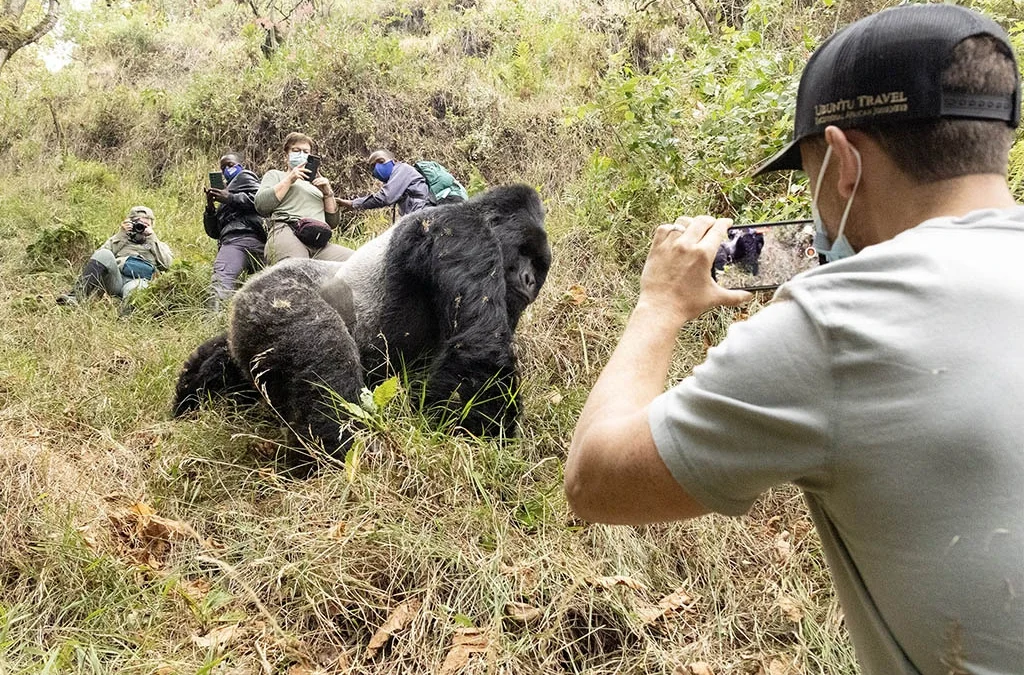
Planning a Uganda mountain gorilla safari is one of the most exciting travel decisions you can make. Few wildlife encounters compare to standing quietly in the rainforest while a family of endangered mountain gorillas moves naturally around you. Uganda offers one of the best places in the world to experience this unforgettable adventure, especially in Bwindi Impenetrable National Park and Mgahinga Gorilla National Park.
However, booking a gorilla safari requires more than simply choosing travel dates and reserving a lodge. Gorilla trekking permits are limited, highly regulated, and often sell out months in advance. Because of this, careful planning is essential if you want a smooth and stress-free safari experience.
This guide explains exactly how to book a Uganda mountain gorilla safari, from securing your permit to choosing accommodation and transport.
Begin With the Gorilla Trekking Permit
The most important step when planning a Uganda gorilla safari is securing your gorilla trekking permit. Many travelers make the mistake of booking flights and hotels before confirming permit availability. Unfortunately, this can create major problems later if permits are unavailable for the dates you selected.
Instead, always start with the permit first. Once your permit is confirmed, you can then organize flights, accommodation, and transportation around your trekking date and assigned sector.
A gorilla trekking permit is an official document issued by the Uganda Wildlife Authority (UWA). It allows you to spend one hour with a habituated mountain gorilla family inside the forest. Every permit is tied to a specific trekking date, a particular gorilla family, and a designated trekking sector. Since the number of permits is limited each day, early booking is extremely important.
If you plan to travel during the high season, you should reserve your permit at least three to six months in advance. During peak travel months, some dates sell out even earlier.
Choose Between Bwindi and Mgahinga
Uganda offers mountain gorilla trekking in two national parks located in the southwestern part of the country. Each destination provides a different experience, so it is important to understand the differences before booking.
Bwindi Impenetrable National Park
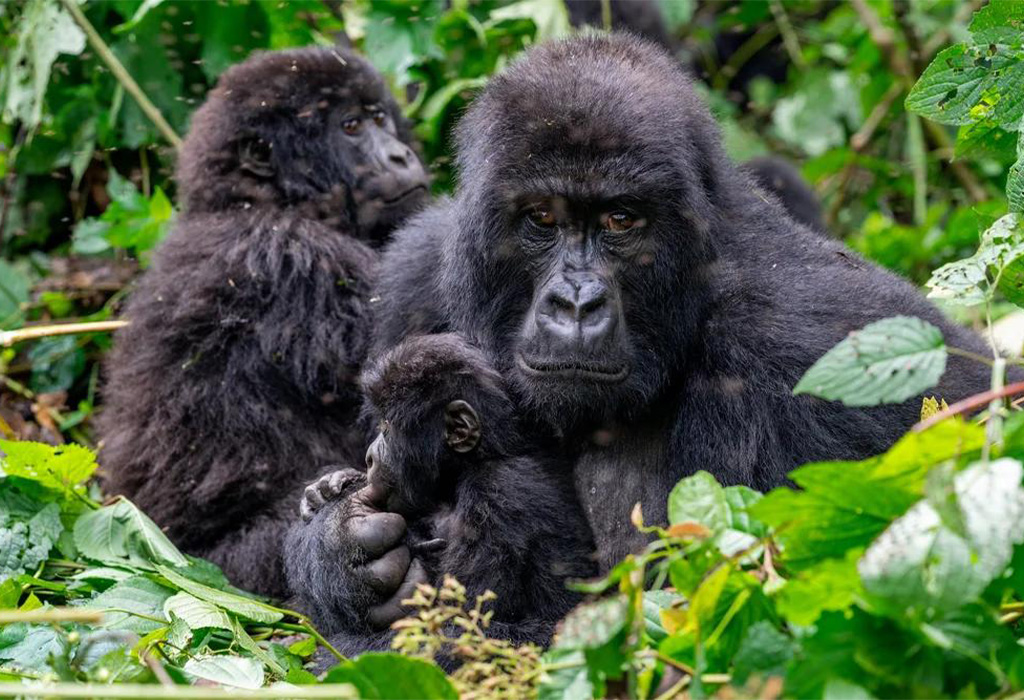
Bwindi Impenetrable National Park is the most popular gorilla trekking destination in Uganda. The park contains nearly half of the world’s remaining mountain gorilla population and features several habituated gorilla families spread across different sectors.
The park is divided into four main trekking sectors: Buhoma, Ruhija, Rushaga, and Nkuringo. Each sector has its own gorilla families, lodges, and trailheads. Because Bwindi has multiple sectors and many gorilla groups, it offers greater flexibility when searching for available permits.
Beyond gorilla trekking, Bwindi also delivers a rich rainforest experience with beautiful scenery, birdlife, waterfalls, and cultural encounters with nearby communities.
Mgahinga Gorilla National Park
Mgahinga Gorilla National Park is smaller and quieter than Bwindi. It hosts only one habituated gorilla family, known as the Nyakagezi Gorilla Family. Since permit numbers are more limited here, availability can be harder to secure during busy seasons.
Nevertheless, Mgahinga offers a peaceful atmosphere with fewer crowds and stunning volcanic scenery. The park lies within the Virunga Mountains and provides excellent opportunities for hiking and golden monkey tracking as well.
Travelers who prefer a more intimate and less crowded safari experience often choose Mgahinga.
Select the Best Time for Gorilla Trekking
Gorilla trekking takes place throughout the year in Uganda, but weather conditions can affect the trekking experience. Generally, the dry seasons provide the most comfortable hiking conditions.
Uganda’s first dry season runs from June to August, while the second occurs between December and February. During these months, trails are usually drier and less slippery, making trekking easier.
Even so, the rainy seasons should not discourage you from visiting. The forests remain green and beautiful year-round, and gorilla sightings are excellent in every season. In fact, some travelers prefer the quieter low-season months because parks and lodges feel less crowded.
Whenever you decide to travel, pack waterproof hiking boots, rain gear, and appropriate clothing because rainforest weather can change quickly.
How to Book Your Gorilla Permit
Once you choose your preferred dates and destination, the next step is booking your gorilla permit. Uganda Wildlife Authority manages all permit sales.
As of 2026, gorilla trekking permits cost:
-
USD 800 for foreign non-residents
-
USD 700 for foreign residents
-
UGX 300,000 for East African citizens
There are two main ways to secure your permit.
Book Through a Tour Operator
Most international travelers prefer booking through a trusted local tour company because the process becomes much easier and faster. A professional operator checks permit availability, reserves permits on your behalf, and organizes the rest of your safari arrangements.
Experiya Tour Company helps travelers secure permits while also arranging accommodation, transport, meals, and guided safari experiences. This option removes the stress of coordinating multiple bookings independently.
Additionally, local operators understand the logistics of Uganda’s tourism sector and can recommend the best trekking sectors based on your interests, fitness level, and travel style.
Book Directly Through Uganda Wildlife Authority
Independent travelers can also contact Uganda Wildlife Authority directly to purchase permits. You may communicate with the reservations office by email or visit their offices in Kampala.
Although this option works for some travelers, the process can take longer and may require more coordination, especially when arranging transportation and accommodation separately.
For first-time visitors to Uganda, working with an experienced operator often creates a smoother experience.
Book Accommodation Carefully
After confirming your gorilla permit, you can begin arranging accommodation. At this stage, the trekking sector listed on your permit becomes extremely important.
In Bwindi, the four trekking sectors are located far apart. Traveling between sectors can take several hours because of mountainous terrain and rough roads. Therefore, staying in the correct sector is essential.
For example, if your permit is assigned to Rushaga, you should stay in Rushaga or nearby. If your trek begins in Buhoma, your lodge should also be in Buhoma.
Booking accommodation in the wrong sector can result in long early-morning drives and unnecessary stress before your trek.
Fortunately, each trekking sector offers a range of accommodation options, including luxury lodges, mid-range camps, and budget guesthouses. Many properties cater specifically to gorilla trekkers and sit close to park headquarters.
Experiya Tour Company can help match you with accommodation that fits both your trekking sector and your budget.
Arrange Transportation to Southwestern Uganda
Transportation is another major part of planning your gorilla safari. Most safaris begin in Kampala or Entebbe before continuing to southwestern Uganda.
The road journey to Bwindi or Mgahinga usually takes between eight and ten hours, depending on your route and destination sector. Although the drive is long, it passes through beautiful countryside, rolling hills, and local villages.
Some travelers prefer to break up the drive with overnight stops at destinations such as Lake Mburo National Park.
Alternatively, domestic flights provide a faster option. Scheduled charter flights operate from Entebbe International Airport to Kihihi or Kisoro airstrips. From there, vehicles transfer visitors to their lodges.
Flying reduces travel time significantly and offers incredible aerial views of Uganda’s landscapes.
Understand the Trekking Rules
Before your trek begins, you should understand the rules designed to protect both visitors and mountain gorillas.
Uganda only allows people aged 15 years and above to participate in gorilla trekking. Rangers strictly enforce this policy.
Additionally, visitors must be in good health on trek day. Since gorillas share approximately 98 percent of human DNA, they can easily catch human diseases. If you show signs of flu, cough, or other contagious illnesses, park authorities may prevent you from trekking.
You should also carry your original passport because rangers verify permit details before entering the forest.
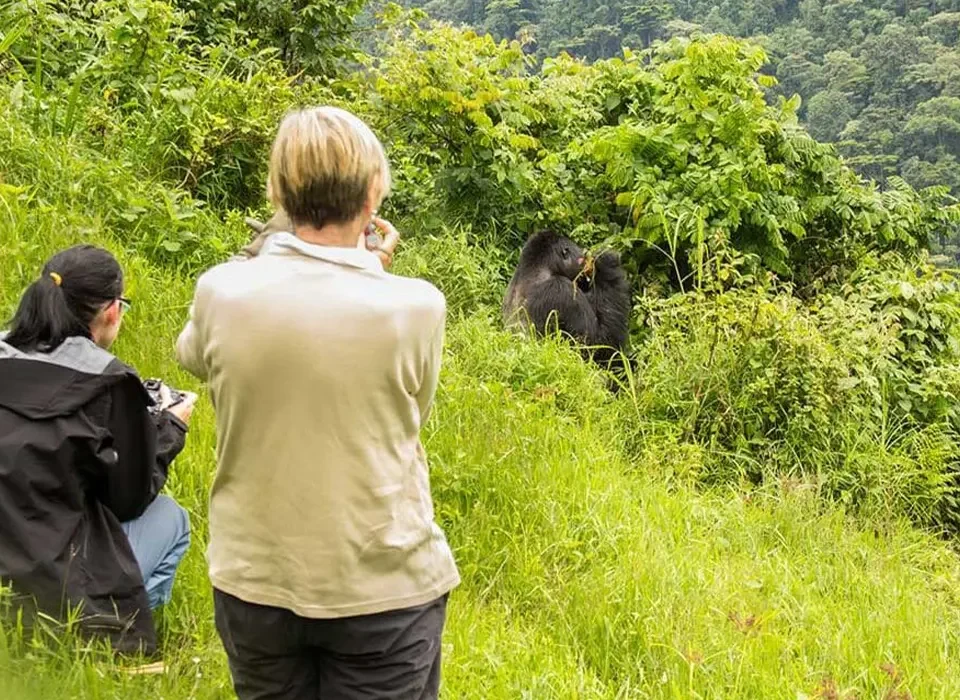
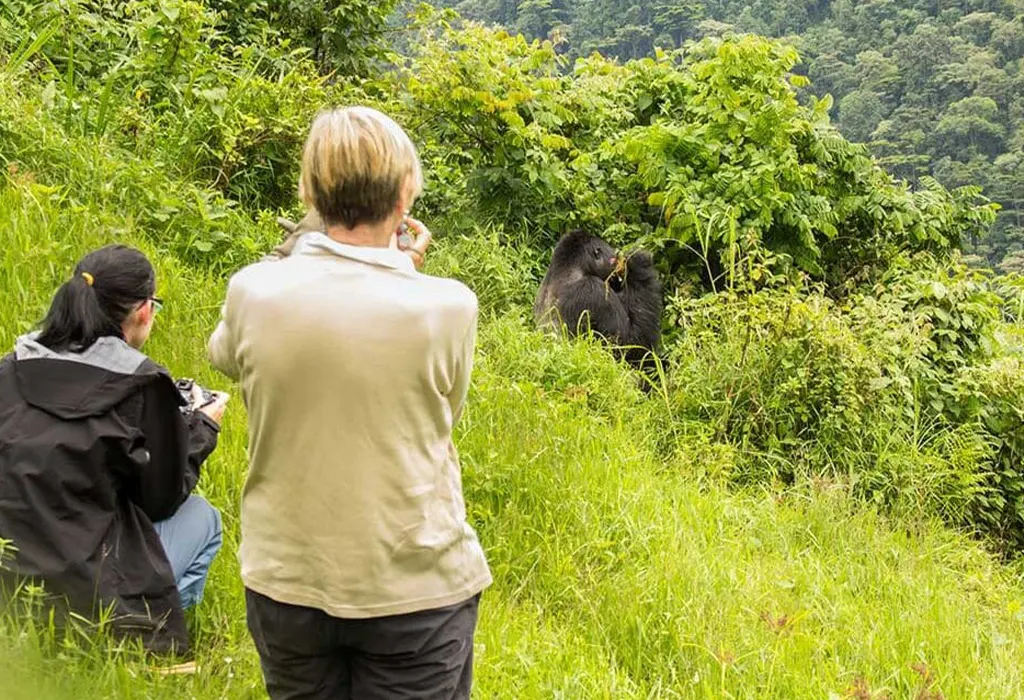
During the trek, guides provide instructions about maintaining a safe distance from the gorillas, avoiding sudden movements, and respecting the animals’ natural environment.
Why Booking With a Local Operator Helps
Planning a gorilla safari independently is possible, but many travelers prefer the convenience and reassurance of working with a local operator.
Experiya Tour Company assists with permit reservations, safari planning, lodge selection, airport transfers, domestic flights, and customized itineraries. This support helps eliminate confusion and allows you to focus on enjoying your adventure.
When choosing any tour operator, verify that they are registered with the Association of Uganda Tour Operators (AUTO). Registered companies follow professional tourism standards and provide more reliable services.
A trusted local operator also helps you respond quickly if permit availability changes or unexpected travel adjustments become necessary.
Final Thoughts
Booking a Uganda mountain gorilla safari requires thoughtful preparation, but the experience is worth every effort. The key is to begin with the gorilla trekking permit before arranging anything else. Once your permit is secured, the rest of your safari planning becomes much easier.
Whether you choose the dense forests of Bwindi or the volcanic scenery of Mgahinga, Uganda promises a truly life-changing wildlife encounter. Watching mountain gorillas in their natural habitat creates memories that stay with you forever.
With proper planning, reliable guidance, and early booking, your Uganda gorilla safari can become one of the greatest adventures of your lifetime.