Why You Need to See African Silverback Gorillas in Uganda
May 9, 2026
Amazing Facts About the Crested Crane of Uganda
May 11, 2026
Rwanda, often called the “Land of a Thousand Hills,” is one of Africa’s most remarkable travel destinations. Located in East-Central Africa, this small landlocked country covers approximately 26,338 square kilometers and is known for its breathtaking scenery, clean cities, rich wildlife, and welcoming people. From the misty Volcanoes National Park to the vibrant streets of Kigali, Rwanda offers travelers a unique combination of adventure, culture, and conservation.
Despite its size, Rwanda boasts diverse landscapes that include rolling hills, volcanic mountains, lakes, rivers, and tropical forests. Much of the country sits at elevations between 1,500 and 2,500 meters above sea level, creating a cool and pleasant climate throughout the year. Terraced hillsides dominate the countryside and give Rwanda its famous scenic beauty.
Rwanda has four official languages: Kinyarwanda, English, French, and Kiswahili. English and French are widely spoken in hotels, tourism centers, and major towns, making communication easy for international visitors.
Whether you are planning a gorilla trekking safari, a cultural tour, or a wildlife adventure, understanding the practical details before your journey will help you enjoy a smooth and unforgettable experience.
Entry Requirements and Visa Information
Before traveling to Rwanda, ensure that your passport remains valid for at least six months from your date of entry. Travelers should also have several blank passport pages available for immigration stamps.
Most visitors can now obtain a visa on arrival at Kigali International Airport and major land border crossings. Citizens from many countries, including the United States, United Kingdom, Canada, Australia, New Zealand, Germany, South Africa, and several European nations, qualify for this convenient process.
Currently, a single-entry tourist visa costs approximately USD 50 and usually allows a stay of up to 30 days. East African Community citizens enjoy easier access and may receive extended visitor passes free of charge.
Additionally, Rwanda participates in the East African Tourist Visa program alongside Uganda and Kenya. This visa costs USD 100 and allows travelers to move freely between the three countries for tourism purposes.
Although visa policies continue to evolve, travelers should always verify the latest requirements through Rwanda’s Directorate General of Immigration and Emigration before departure.
Currency and Payments
Rwanda uses the Rwandan Franc (RWF) as its official currency. However, US dollars are widely accepted in hotels, safari lodges, and tourism businesses, especially in Kigali and popular tourist areas.
Credit cards are increasingly accepted in major hotels, restaurants, and shopping centers. Nevertheless, visitors traveling to remote regions should carry some cash for smaller purchases and local markets. ATMs are available in Kigali and larger towns, although access may become limited in rural areas.
Travelers should also note that clean, newer US dollar notes issued after 2009 are preferred, as older or damaged notes may not be accepted.
Health and Vaccination Requirements
Rwanda remains one of the safest and cleanest countries in Africa, but travelers should still prepare properly before visiting.
A Yellow Fever vaccination certificate is required for travelers arriving from countries where yellow fever exists. Many travelers visiting East Africa also receive vaccinations for Hepatitis A, Typhoid, and Tetanus as precautionary measures.
Although Rwanda has made major progress in reducing malaria cases, malaria prevention remains strongly recommended. Travelers should consult their doctor about suitable anti-malaria medication before departure. Using mosquito repellent, sleeping under mosquito nets, and wearing long sleeves during evenings can also reduce the risk of mosquito bites.
Drinking bottled or filtered water is advisable throughout your stay. While hotels and lodges maintain high hygiene standards, carrying basic medications for stomach upsets and minor illnesses can be helpful during longer safaris.
Gorilla Trekking Health Guidelines
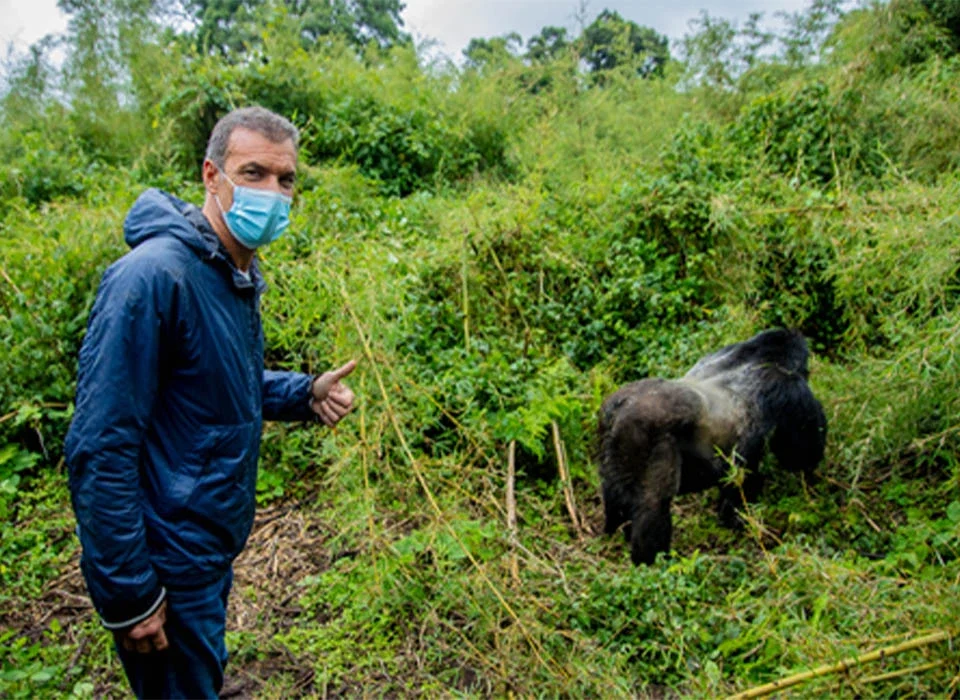
Mountain gorillas share much of their DNA with humans, making them highly vulnerable to human diseases such as flu, coughs, and colds. For this reason, Rwanda enforces strict health guidelines for gorilla trekking visitors.
If you feel unwell before your trek, you should inform your safari guide or park authorities immediately. Rangers may prevent visibly sick visitors from participating in the trek in order to protect the gorillas.
Visitors must also maintain a safe distance from the gorillas, avoid direct contact, and follow all instructions provided by park rangers during the experience.
Weather and Best Time to Visit
Rwanda enjoys a moderate tropical highland climate because of its high elevation. Temperatures usually range between 16°C and 27°C throughout the year, with cooler conditions in mountainous areas.
The dry seasons, from June to September and December to February, offer the best conditions for gorilla trekking and wildlife safaris. Trails remain less muddy during these months, making hiking easier.
However, Rwanda can receive rain at almost any time of year, especially in rainforest regions such as Volcanoes National Park and Nyungwe Forest. Therefore, travelers should always pack light rain gear regardless of the season.
What to Pack for Rwanda
Packing appropriately will greatly improve your comfort during your safari or trekking adventure.
For gorilla trekking and nature walks, visitors should wear lightweight long trousers, long-sleeved shirts, waterproof hiking boots, and gardening gloves for protection against vegetation and insects. Neutral-colored clothing such as green, brown, or khaki blends well with the environment and works best during safaris.
Because temperatures can become cool in mountainous regions, especially during mornings and evenings, carrying a fleece jacket or sweater is highly recommended.
A waterproof rain jacket is essential throughout the year since rain showers can appear unexpectedly. Travelers should also bring sunscreen, insect repellent, sunglasses, and a reusable water bottle.
Luggage Recommendations
When traveling on safari in Rwanda, soft-sided bags work much better than hard suitcases. Safari vehicles and domestic flights often have limited luggage space, particularly on light aircraft flights.
Most domestic charter flights allow approximately 15 kilograms of luggage per passenger in soft bags. Therefore, travelers should pack light and avoid oversized hard-shell suitcases whenever possible.
Safety and Security in Rwanda
Rwanda ranks among Africa’s safest countries for tourists. Kigali, the capital city, is known for its cleanliness, organization, and low crime rates. Nevertheless, travelers should still take normal precautions while exploring urban areas and busy markets.
Keep valuables secure, avoid displaying large amounts of cash, and carry copies of important travel documents. Walking alone late at night in unfamiliar areas is not advisable, just as in many cities around the world.
Experiya Tour Company also recommends using hotel safes where available and keeping your belongings close during transfers and excursions.
Accommodation and Transportation
Rwanda offers accommodation options for every budget, ranging from luxury safari lodges and boutique hotels to comfortable mid-range lodges and guesthouses.
Most safari visitors travel in customized 4×4 vehicles designed for African road conditions. These vehicles provide comfortable seating, large windows, and pop-up roofs for excellent wildlife viewing opportunities.
Road conditions in Rwanda have improved significantly over the years. Major highways remain well-maintained and paved, especially around Kigali and major tourist routes. However, mountain roads near national parks can still become rough and muddy during rainy seasons, which may increase travel times.
For travelers seeking faster connections between destinations, domestic charter flights are available on selected routes.
Responsible and Community-Based Travel
Rwanda strongly promotes sustainable tourism and community conservation programs. Travelers who wish to support local communities can contribute responsibly through organized community visits, school programs, or conservation initiatives arranged by Experiya Tour Company.
Rather than handing out money or gifts directly to children, visitors should support established local organizations that distribute aid fairly and responsibly. Responsible travel helps preserve Rwanda’s culture, wildlife, and natural beauty for future generations.
Final Thoughts
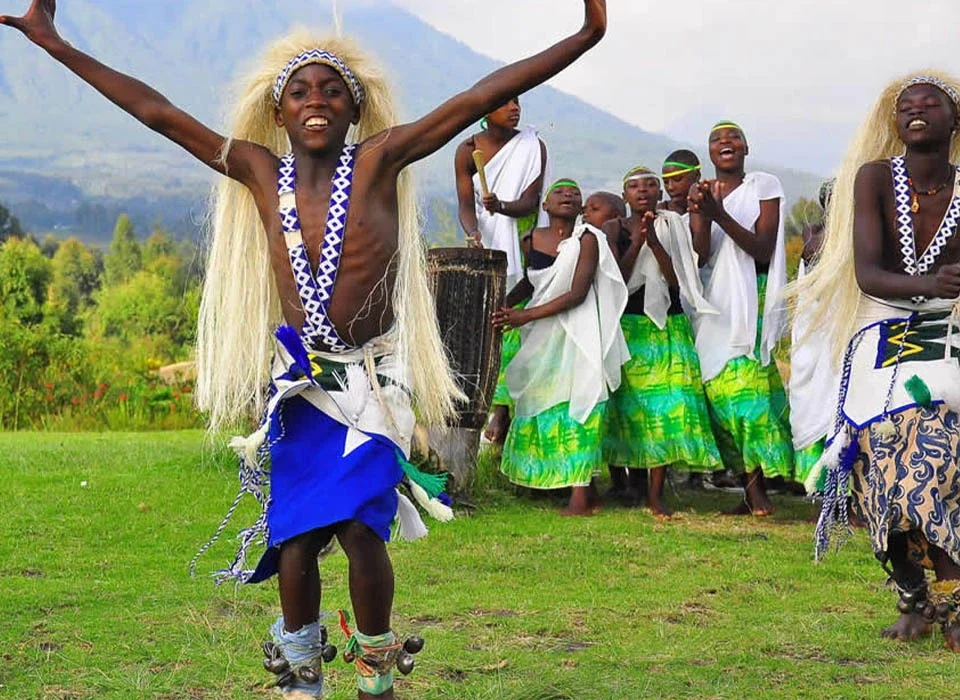
Rwanda continues to emerge as one of Africa’s top travel destinations thanks to its incredible wildlife experiences, excellent tourism infrastructure, and commitment to conservation. Whether you dream of trekking mountain gorillas, exploring rainforest trails, or discovering vibrant Rwandan culture, the country offers unforgettable experiences for every traveler.
With proper planning, respectful travel practices, and guidance from Experiya Tour Company, your journey to Rwanda can become one of the most rewarding adventures of your lifetime.