
How Climate Change Affects Mountain Gorilla Habitats
April 22, 2026
Gorilla Habituation Booking Considerations in Uganda
April 22, 2026
When I first began learning about gorillas in East and Central Africa, one thing became immediately clear no two habitats shape life the same way. Mountain gorillas and eastern lowland gorillas may share a common ancestry, but the environments they inhabit have molded them into remarkably different primates. From the misty volcanic slopes to the dense tropical lowlands, each subspecies tells a unique story of adaptation, survival, and resilience.
Understanding these differences doesn’t just deepen appreciation; it also highlights why conservation strategies must remain specific and carefully tailored.
Evolutionary Background and Classification
Both mountain gorillas (Gorilla beringei beringei) and eastern lowland gorillas (Gorilla beringei graueri) belong to the eastern gorilla species, Gorilla beringei. Scientists estimate that eastern gorillas split from western gorillas around 1.75 million years ago. Much later—about 400,000 years ago—mountain and lowland gorillas became isolated from each other due to shifting climates and changing landscapes.
Because this separation happened relatively recently in evolutionary terms, the two subspecies still share many traits. However, their physical and behavioral differences reveal how strongly environment influences survival. In many ways, observing them feels like watching evolution in motion.
Physical Differences Shaped by Environment
Fur and Temperature Adaptation
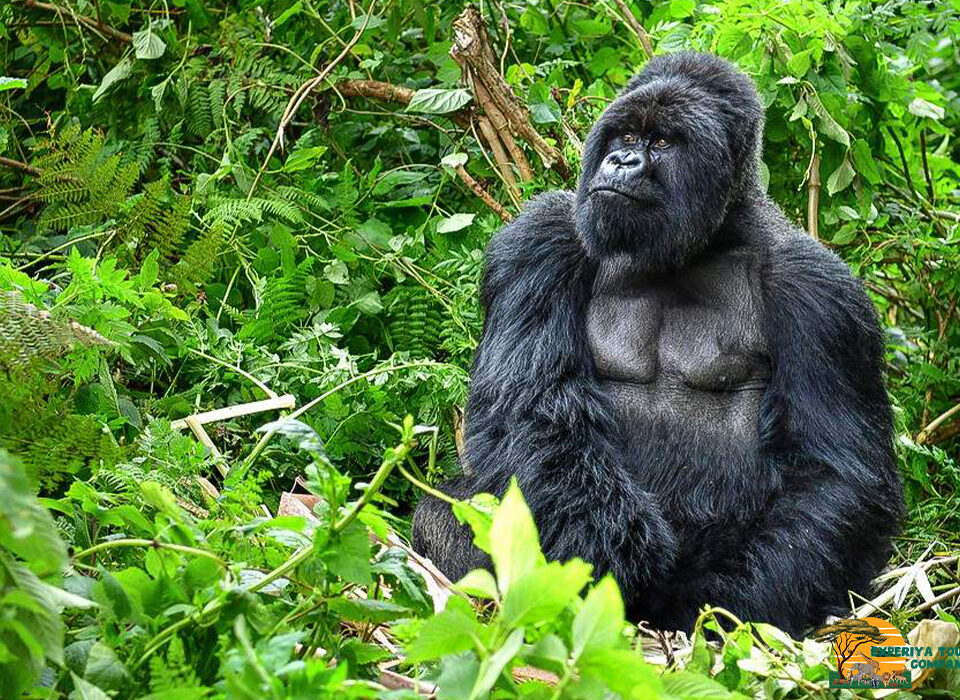
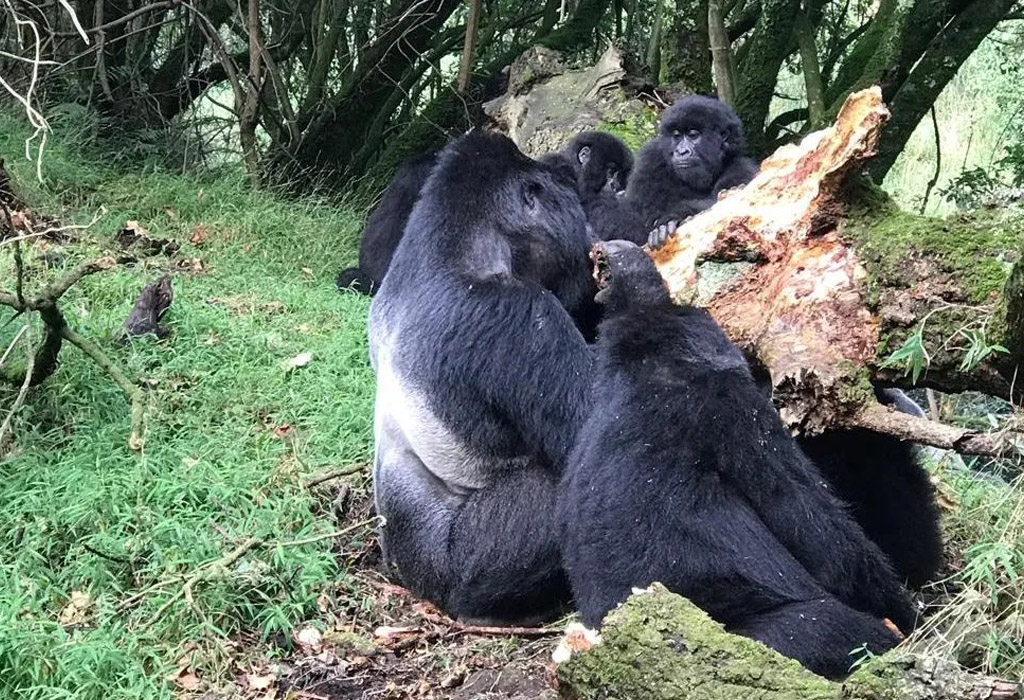
One of the most noticeable differences appears in their fur. Mountain gorillas have thick, long, and dark coats. I’ve seen how essential this is in high-altitude forests, where cold mornings and damp air are part of daily life. Their dense fur helps them retain heat, especially in elevations where temperatures can drop close to freezing.
In contrast, lowland gorillas live in warmer, more humid environments. Their fur is shorter and lighter, allowing heat to escape more easily. This adaptation prevents overheating as they move through dense rainforest vegetation under consistent tropical temperatures.
Body Size and Structure
Eastern lowland gorillas are the largest of all gorilla subspecies. Adult males can weigh up to 180 kilograms or more. Their environment provides a wider variety of food, especially fruits, which supports this larger body size.
Mountain gorillas, although still powerful, tend to be slightly smaller, averaging around 150 kilograms for adult males. However, they appear more compact and muscular. Their stocky build helps them navigate steep slopes, thick vegetation, and uneven terrain.
Additionally, lowland gorillas usually have longer arms, which aid in climbing and moving through tall forest canopies. Mountain gorillas, on the other hand, rely less on climbing and more on stability while moving across rugged ground.
Skull and Jaw Strength
Another subtle but important difference lies in their skull structure. Mountain gorillas often have a more pronounced sagittal crest the ridge along the top of the skull. This feature supports stronger jaw muscles, which they need to chew tough, fibrous plants.
Lowland gorillas, with access to softer fruits and diverse vegetation, do not require such powerful chewing muscles. As a result, their sagittal crest is less prominent.
Habitat and Environmental Pressures
Altitude and Climate
Mountain gorillas live in high-altitude forests, usually above 1,500 meters and sometimes exceeding 3,000 meters. These environments are cool, misty, and often wet. The terrain can be steep and challenging, which influences how they move, feed, and interact.
Lowland gorillas, by contrast, occupy tropical rainforests, swamps, and low-lying regions. These areas experience consistent warmth, high humidity, and abundant rainfall. The environment feels entirely different lush, dense, and rich in biodiversity.
Geographic Distribution
Today, mountain gorillas survive in only two isolated regions. One population lives in the Virunga Mountains, spanning Rwanda, Uganda, and the Democratic Republic of Congo. The other inhabits Uganda’s Bwindi Impenetrable Forest.
Lowland gorillas primarily live in the eastern Democratic Republic of Congo. Although their historical range was much larger, human activities such as deforestation and mining have significantly reduced their habitat.
Because of this limited distribution, both subspecies face serious risks, though the nature of those risks differs.
Diet and Feeding Behavior
Mountain Gorilla Diet
Mountain gorillas rely heavily on vegetation. During my observations and research, I’ve seen that their diet mainly includes leaves, stems, shoots, bark, and roots. Fruit plays a very small role, largely because it is not consistently available in high-altitude forests.
As a result, they spend a significant portion of their day feeding. Their digestive systems work hard to process fibrous plant material, which provides less energy compared to fruit.
Lowland Gorilla Diet
Lowland gorillas enjoy a more varied menu. Fruit forms a major part of their diet when available, alongside leaves and other vegetation. This diversity allows them to gain more energy and may contribute to their larger body size.
They also consume insects such as ants and termites more frequently than mountain gorillas. This added protein source reflects the richer biodiversity of their environment.
Social Behavior and Daily Life
Group Structure
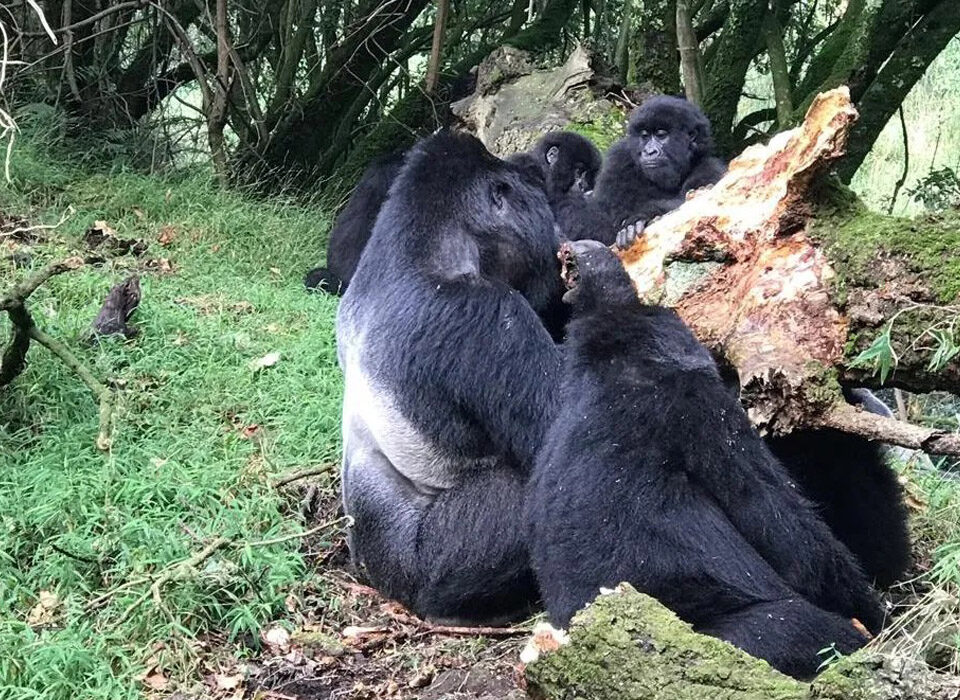
Both mountain and lowland gorillas live in family groups led by a dominant silverback. These groups include females and their offspring, forming strong social bonds that are essential for survival.
However, their daily routines differ. In lowland forests, food sources are often spread out. Because of this, lowland gorillas tend to travel longer distances in search of food. This movement can sometimes spread the group out during feeding.
Mountain gorillas, on the other hand, benefit from more consistent vegetation in their habitat. They usually move shorter distances and maintain tighter group cohesion throughout the day.
Movement and Interaction
Lowland gorillas show greater flexibility in their movement. They climb more frequently and adapt to a wider range of terrain, including swampy areas.
Mountain gorillas spend most of their time on the ground. Their interactions often occur in close proximity, which can strengthen social bonds and increase opportunities for learning within the group.
Reproduction and Survival
Both subspecies follow a polygynous system, where the dominant silverback mates with multiple females. This structure ensures group stability and protection.
However, environmental conditions influence reproductive success. Mountain gorillas, living in protected and closely monitored areas, have shown steady population growth in recent years. Conservation efforts have made a measurable difference.
Lowland gorillas face more unpredictable conditions. Habitat loss and human conflict disrupt their populations, making reproduction and infant survival more challenging.
Conservation Challenges and Realities
Mountain gorillas represent one of the few conservation success stories. Their numbers have slowly increased, thanks to strict protection, tourism management, and community involvement. Still, their limited range means they remain vulnerable.
Lowland gorillas face a tougher reality. Ongoing threats such as illegal mining, deforestation, and regional instability continue to impact their survival. Protecting them requires large-scale efforts across vast and often inaccessible regions.
It’s tempting to apply the same conservation model used for mountain gorillas to lowland populations. However, that approach would fall short. The environments are simply too different. Strategies must adapt to each subspecies’ ecological and social realities.
Final Thoughts
The more time I spend studying these primates, the more I appreciate how deeply environment shapes life. Mountain gorillas and lowland gorillas are closely related, yet their differences are striking and meaningful.
From thick fur in cold mountains to diverse diets in tropical forests, each adaptation reflects a response to specific challenges. These differences remind us that conservation is not a one-size-fits-all effort.
If we want both subspecies to survive, we must respect what makes each of them unique and protect the environments that define them.