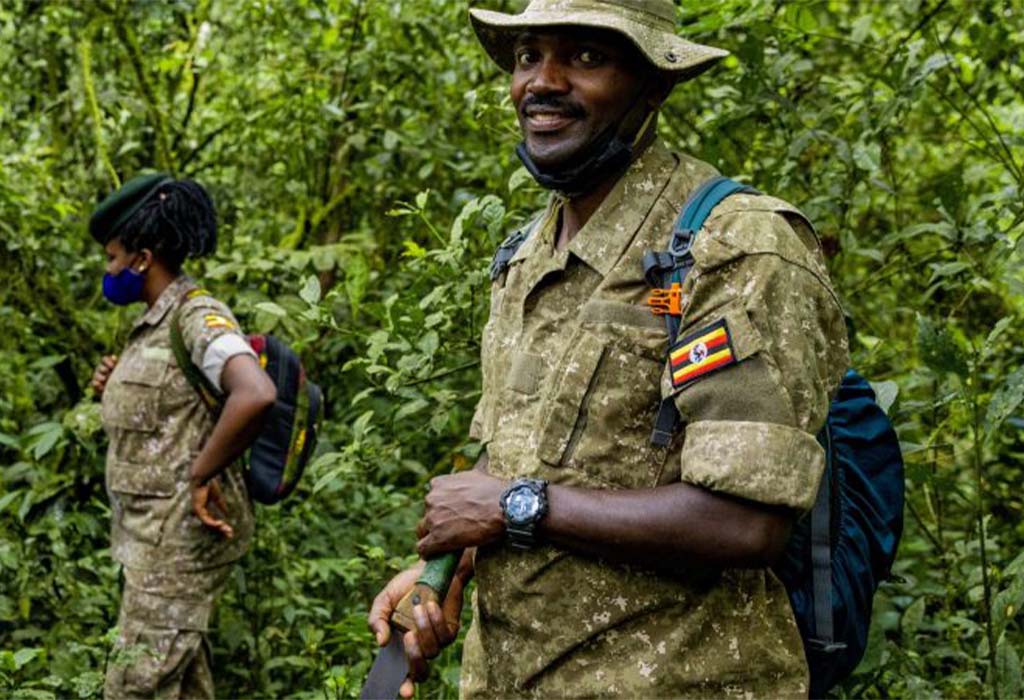
The Role of Rangers in Bwindi Conservation
April 20, 2026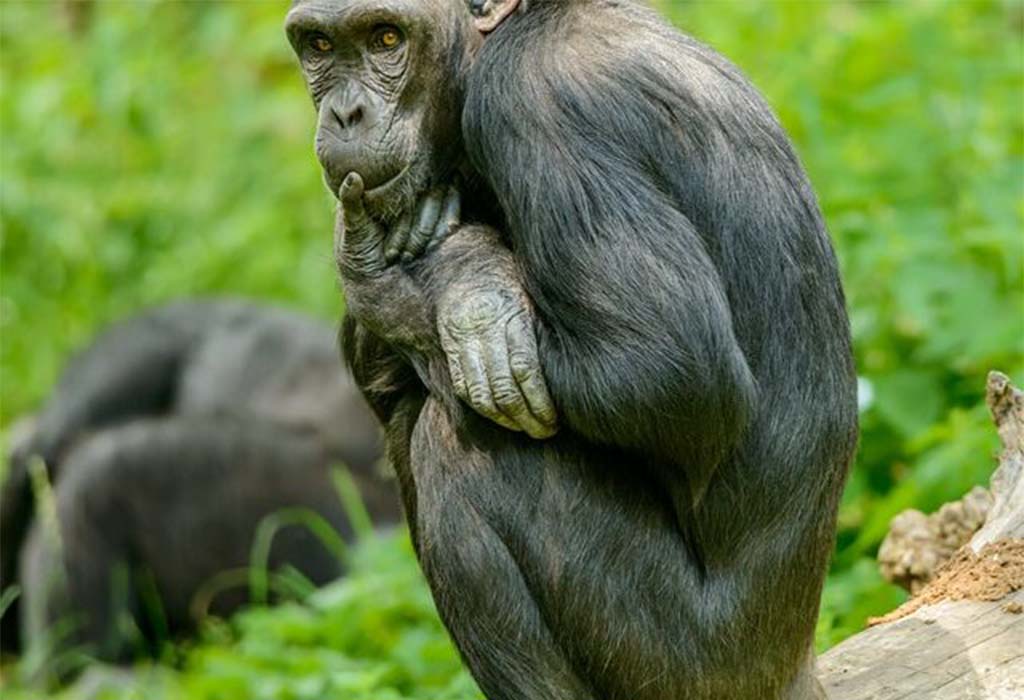
Do You Need a Permit to See Chimpanzees in Uganda?
April 20, 2026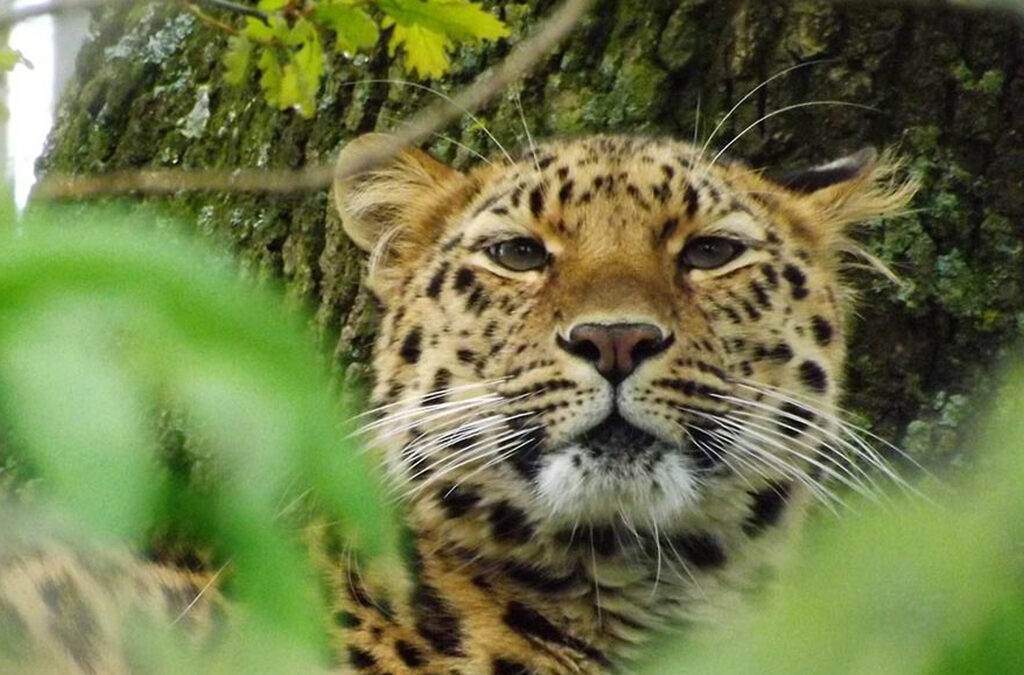
Filming leopards in Uganda is one of the most demanding and rewarding experiences in wildlife filmmaking. These elusive cats move silently, hunt alone, and vanish into the landscape with astonishing ease. Still, Uganda offers some of the best chances in Africa to capture them on camera. With thoughtful planning, patience, and the right locations, you can walk away with truly remarkable footage of Leopard Filming in Uganda.
Queen Elizabeth National Park
To begin with, this park stands out as one of Uganda’s most reliable leopard habitats. The open grasslands of the Kasenyi Plains create excellent visibility, making it easier to track movement and anticipate behavior. Meanwhile, the Ishasha sector in the south offers a different kind of magic. Here, you may film leopards alongside the famous tree-climbing lions, which adds depth and variety to your footage.
In addition, the Kazinga Channel becomes especially productive during dry periods. Leopards often approach the water to drink or hunt, giving filmmakers rare opportunities for dramatic scenes. If you really want to improve your chances, night game drives are essential. After sunset, leopards become far more active, and the park transforms into a dynamic filming environment filled with predators on the move.
Murchison Falls National Park
Further north, this vast park offers a striking combination of landscapes and wildlife density. The Victoria Nile slices through the park, culminating in the powerful Murchison Falls, where water crashes through a narrow gorge before plunging below. This dramatic setting alone adds cinematic value to any project.
Leopards tend to appear along the Buligi Game Tracks and near the Albert Delta. These areas provide dense cover, allowing the cats to stalk prey while remaining hidden. As a result, early morning and late evening drives often yield the best encounters. Beyond leopards, the park also offers chances to film shoebill storks, chimpanzees in Budongo Forest, and large herds of savanna wildlife.
Kidepo Valley National Park
If you’re looking for a more remote and undisturbed filming experience, this park delivers. Its isolation means fewer visitors and, consequently, less pressure on wildlife. That alone can make a noticeable difference when filming sensitive species like leopards.
The Narus Valley stands out as the most productive area. During the dry season, waterholes draw animals from across the park, including leopards. This predictable movement creates ideal filming conditions. Even so, the wet season shouldn’t be overlooked. Lush greenery and dramatic skies can transform your footage into something visually extraordinary.
Lake Mburo National Park
Closer to Kampala, this compact park offers a surprisingly strong leopard population. Its rolling hills and acacia woodlands provide a softer, more textured backdrop compared to larger savanna parks.
Although sightings during the day can be hit or miss, night drives often reveal a completely different story. Leopards become more active, and the chances of capturing hunting sequences increase significantly. For filmmakers with limited time, this park offers a convenient yet rewarding option.
Ziwa Rhino Sanctuary
On the route north, this sanctuary provides a worthwhile stopover. While it is best known for white rhinos, leopards have become more visible in recent years. If you plan your journey carefully, you can capture additional footage here without straying from your main route.
Uganda Wildlife Education Centre
For crews that want to begin filming immediately after arrival, this centre offers a practical starting point. Located near Entebbe International Airport, it allows you to test equipment, adjust settings, and capture controlled footage before heading into the wild.
When to Film Leopards
Timing plays a critical role in your success. The dry seasons from December to February and from June to October offer the best conditions. During these months, roads remain accessible, vegetation thins out, and animals gather around water sources Leopard Filming in Uganda.
On the other hand, the rainy seasons can complicate filming. Heavy downpours make roads difficult to navigate and reduce visibility. However, if you are willing to adapt, the greener landscapes can add a rich visual layer to your footage.
Permits and Filming Requirements
Before you begin filming, you need to secure the proper permissions. First, obtain a filming permit from the Uganda Wildlife Authority. This permit grants you access to protected areas for commercial work.
Next, each crew member must hold accreditation from the Uganda Media Council. This process usually takes a few working days, so plan to avoid delays.
You will also need to declare all filming equipment at customs. Provide a detailed list that includes item types, values, and serial numbers. This step ensures a smooth entry and exit process for your gear.
Understanding the Costs
Filming in Uganda involves several cost layers, so budgeting carefully is essential. Park entry fees apply daily, and additional filming charges increase the total. On top of that, authorities apply monitoring fees based on your overall filming activity.
Transport and logistics form another major expense. Vehicles, fuel, accommodation, and crew support all contribute to your daily budget. While costs vary depending on your level of comfort and project scale, planning helps you stay in control and avoid surprises Leopard Filming in Uganda.
Final Thoughts
Leopard filming in Uganda demands patience, persistence, and attention to detail. Yet, the rewards are undeniable. From the open plains of Queen Elizabeth National Park to the remote wilderness of Kidepo Valley National Park, each location offers its own unique story.
If you approach the experience with flexibility and respect for wildlife, Uganda will not disappoint. In fact, it may deliver some of the most powerful footage you will ever capture.