Wildlife Conservation Success in Akagera National Park
April 18, 2026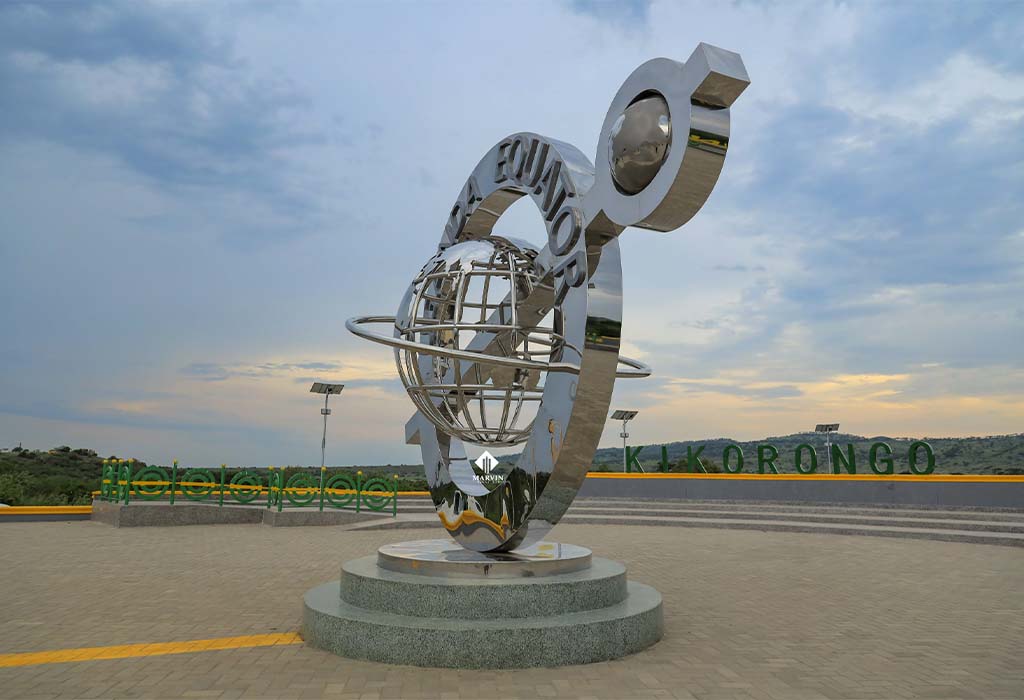
Which Equator Point is Most Beautiful in Uganda?
April 18, 2026
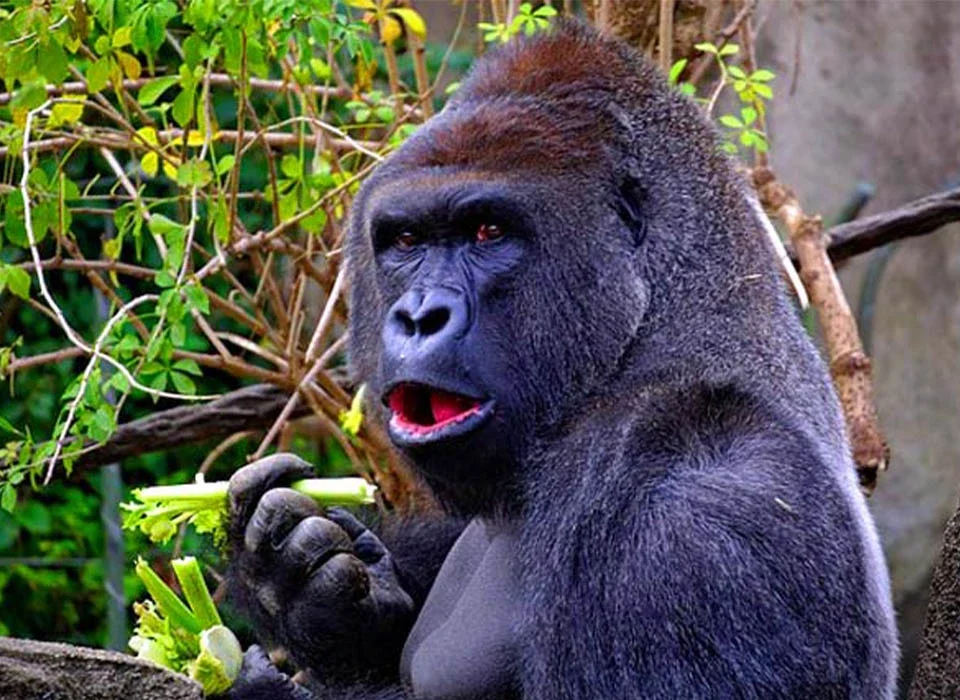
Gorilla trekking ranks among the most powerful wildlife experiences on Earth. Walking through misty forests and coming face to face with mountain gorillas feels both thrilling and deeply humbling. Naturally, many travelers ask an important question before planning the journey: which country is the safest for gorilla trekking?
The honest answer is this: both Rwanda and Uganda offer exceptionally safe, well-managed, and highly organized gorilla trekking experiences. Rather than one clearly outperforming the other, each country provides a secure environment shaped by strong conservation policies, trained ranger teams, and structured tourism systems. The better choice often depends on your travel style, comfort level, and budget.
Understanding Safety in Gorilla Trekking
Safety in gorilla trekking doesn’t happen by chance. It results from careful planning, strict regulation, and years of conservation experience. In both Rwanda and Uganda, trekking takes place only in protected national parks under close supervision.
Before entering the park, every group receives a detailed briefing. Guides explain how to behave around gorillas, what to expect during the trek, and how to respond in different situations. This preparation builds confidence and minimizes risk.
Once the trek begins, armed rangers accompany every group. Their presence ensures safety from wildlife and adds an extra layer of reassurance. At the same time, the number of visitors allowed to see each gorilla family remains strictly limited. This controlled approach prevents overcrowding and keeps encounters calm and predictable.
Communication systems are also in place. Guides stay connected to park headquarters, allowing for quick coordination in case of emergencies. As a result, travelers can focus on the experience rather than worrying about safety.
Why Rwanda Feels Especially Safe
Rwanda has earned a strong reputation for efficiency, cleanliness, and security. For many travelers, it feels like the most straightforward and comfortable option.
One major advantage is accessibility. After landing at Kigali International Airport, you can reach Volcanoes National Park in just a few hours. Shorter travel times reduce fatigue and limit exposure to long road journeys.
In addition, Rwanda maintains a visible security presence and invests heavily in tourism infrastructure. Roads are well maintained, park operations run on tight schedules, and trekking routes are clearly organized. Everything feels structured and predictable, which can be reassuring, especially for first-time visitors to Africa.
Because of this, Rwanda often appeals to travelers who prefer a seamless, high-end experience with minimal logistical complexity.
Why Uganda Is Equally Safe—and More Adventurous
Uganda, on the other hand, offers a slightly more rugged but equally secure experience. The country has decades of experience in gorilla tourism and continues to improve its infrastructure year after year.
Bwindi Impenetrable National Park hosts a large number of habituated gorilla families. This increases your chances of a successful sighting while maintaining safe, controlled interactions. Ranger teams here are highly experienced and skilled at navigating dense forest terrain.
Although travel distances can be longer than in Rwanda, journeys are well organized and handled by professional drivers. Along the way, you gain a deeper sense of the landscape and local life, which adds richness to the overall experience.
Uganda also stands out for offering more budget-friendly permits. For many travelers, this makes gorilla trekking more accessible without compromising safety or quality.
Staying Safe During Gorilla Encounters
Safety doesn’t end once you find the gorillas it becomes even more important. Fortunately, encounters follow strict guidelines designed to protect both humans and wildlife.
Trekkers must keep a safe distance at all times, usually about seven meters. Guides closely monitor the group and the gorillas’ behavior, stepping in when necessary. Because the gorilla families are habituated, they are accustomed to human presence and rarely show aggression.
Even so, visitors must follow instructions carefully. Avoid sudden movements, keep voices low, and never attempt to touch the animals. These simple actions help maintain a respectful environment.
Pre-trek briefings reinforce these rules, ensuring everyone understands how to behave. When followed correctly, these guidelines make gorilla encounters remarkably safe and deeply rewarding.
Beyond Trekking: Safe Experiences Around the Parks
Gorilla trekking may be the highlight, but it’s far from the only activity available. Both Rwanda and Uganda offer a range of experiences that are equally safe and enriching.
Near Bwindi, visitors can explore local communities, watch traditional dance performances, or learn about crafts and storytelling. In Rwanda, cultural visits around Volcanoes National Park provide insight into local traditions and daily life.
For those seeking gentler adventures, guided nature walks, birdwatching, and golden monkey tracking offer excellent alternatives. These activities take place under supervision and follow the same safety standards as gorilla trekking.
The Role of Conservation in Safety
Interestingly, conservation plays a direct role in safety. The more protected and stable the environment, the safer the experience becomes for visitors.
Permit fees contribute to anti-poaching efforts, habitat protection, and community development. As local communities benefit from tourism, they become active partners in conservation. This reduces conflict and supports long-term stability in trekking areas.
That said, challenges such as climate change and increasing tourism demand require ongoing management. Authorities continue to enforce strict rules, limit visitor numbers, and adapt strategies to protect both gorillas and travelers.
Getting There and Getting Around Safely
Travel logistics in both countries are reliable and well organized. Most international visitors arrive through Kigali or Entebbe, where guided transfers are arranged to the trekking.
In Rwanda, the short drive to Volcanoes National Park offers convenience and efficiency. In Uganda, longer drives provide scenic views but require more time. In both cases, vehicles are well maintained, and drivers are experienced.
Having a knowledgeable guide throughout the journey adds another layer of security. You’re never navigating unfamiliar terrain alone.
Safe and Comfortable Accommodation
Accommodation around gorilla trekking meets international safety standards. Lodges and camps are carefully managed, with trained staff, secure environments, and modern amenities.
Whether you choose a luxury lodge or a mid-range eco-camp, you can expect comfort, good hygiene, and attentive service. Many places also incorporate cultural elements, offering local cuisine and guided community visits in a safe setting.
When Is the Safest Time to Go?
Timing can influence both comfort and safety. Dry seasons generally provide the best trekking conditions. Trails are less slippery, and visibility is clearer, which makes hiking easier and reduces the risk of accidents.
Rainy seasons, however, bring fewer crowds and a quieter atmosphere. Although trails can be more challenging, proper gear and preparation make trekking manageable and safe.
Both Rwanda and Uganda remain open year-round, giving you flexibility to plan based on your preferences.
Final Answer: Which Country Is Safest?
So, what is the safest country for gorilla trekking?
Both Rwanda and Uganda offer outstanding levels of safety, professionalism, and organization. You won’t go wrong with either choice.
If you value convenience, shorter travel times, and a polished experience, Rwanda may feel like the safer and more comfortable option. If you prefer affordability, variety, and a deeper sense of adventure, Uganda delivers just as much safety with added richness.
In the end, safety depends less on the country and more on proper planning, choosing experienced guides, and following park regulations. With the right preparation, gorilla trekking becomes not only safe but truly unforgettable.