Why Choose Uganda for a Wildlife Safari?
April 13, 2026
Can Gorilla Habituation Be Done Year-Round?
April 13, 2026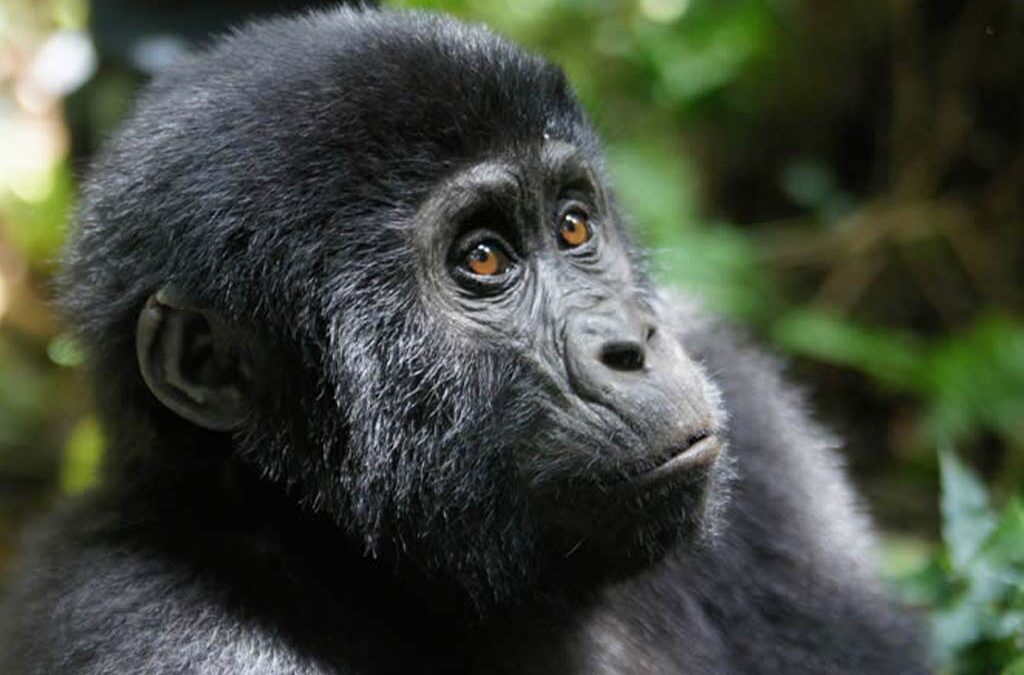
Gorilla trekking during the low season is often misunderstood. Many travelers automatically aim for peak months, assuming better conditions and superior experiences. However, the opposite is frequently true. The rainy season, typically from March to May and October to November, unlocks a richer, more immersive, and more affordable way to encounter mountain gorillas in their natural habitat.
Rather than being a compromise, low-season trekking offers a powerful combination of value, intimacy, and natural beauty that can easily surpass peak-period safaris.
A More Affordable Path to a Bucket-List Experience
To begin with, the financial advantage is undeniable. Gorilla trekking is one of Africa’s most sought-after wildlife experiences, yet it often comes with a high price tag. During the low season, however, that barrier becomes significantly lower.
Permit costs, which usually account for the largest portion of a trekking budget, are often discounted. Authorities frequently introduce promotional rates, reducing prices by as much as 20 to 40 percent. As a result, travelers can save hundreds of dollars per person, an especially meaningful difference for couples, families, or small groups.
At the same time, accommodation providers adjust their pricing to match the slower season. Luxury lodges that might feel out of reach during peak months suddenly become accessible. Many offer attractive packages that include meals, guided activities, and transfers, allowing travelers to enjoy high-end comfort at a fraction of the usual cost.
In addition, transport costs tend to drop. Flights, both international and regional, are often cheaper, and local safari logistics become more flexible and affordable. When planned through Experiya Tour Company, these combined savings can transform a once-expensive dream into an achievable journey.
Fewer Crowds, Deeper Wildlife Connections
Equally important is the shift in atmosphere. During peak season, gorilla trekking routes can feel busy, with multiple groups navigating the forest at once. In contrast, the low season offers a quieter, more personal experience.
With fewer visitors in the parks, the forest regains its natural rhythm. The sounds of birds, rustling leaves, and distant primate calls replace the noise of large groups. This calm environment not only enhances your own experience but also positively influences the gorillas.
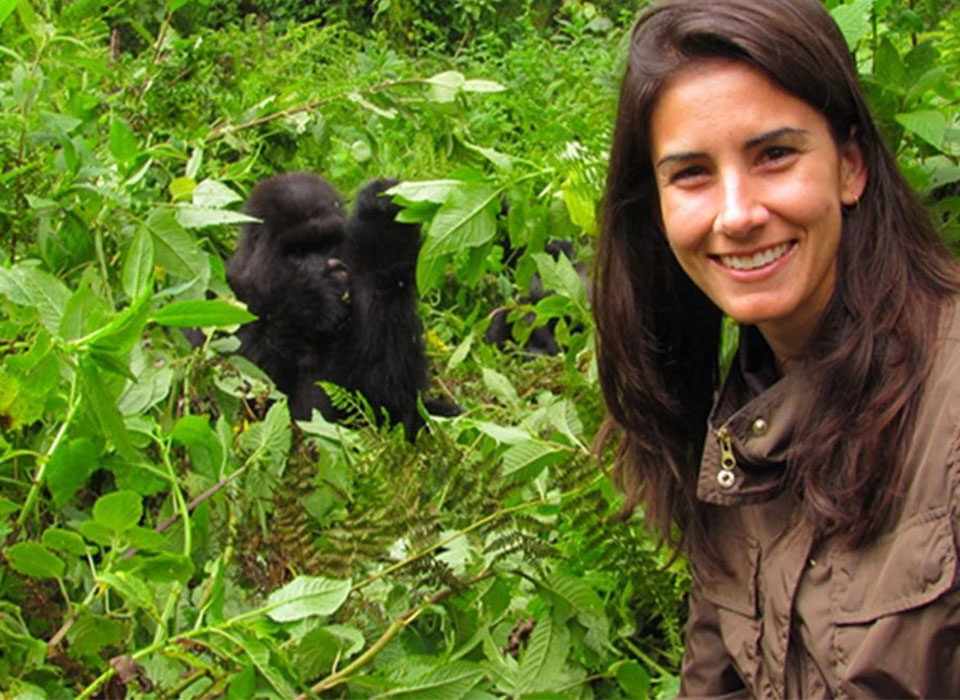
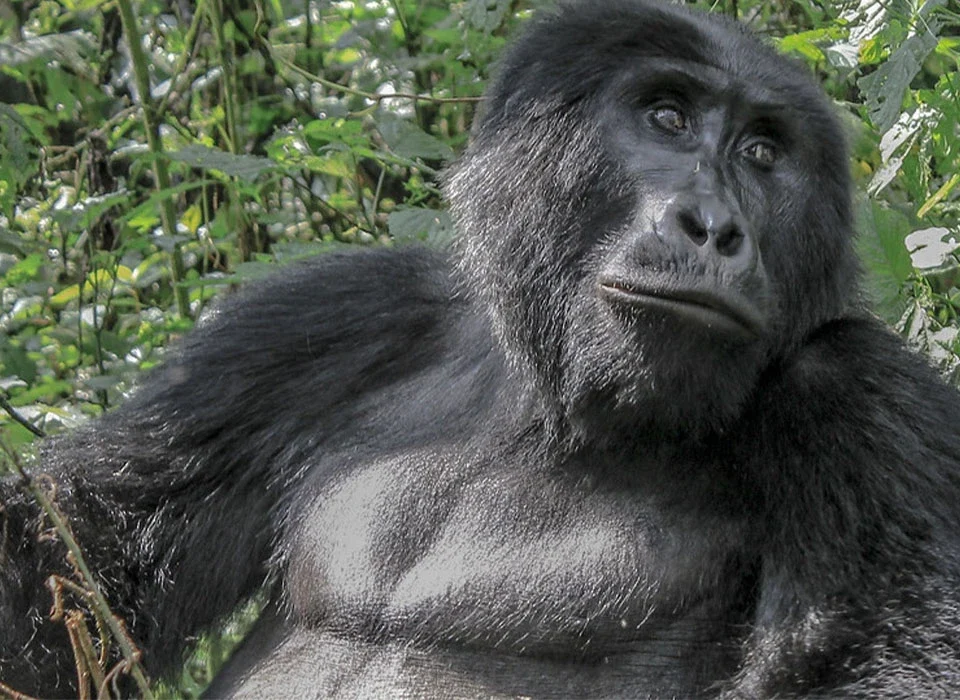
Although gorillas are habituated to human presence, they respond more naturally in less crowded conditions. Consequently, visitors often witness more authentic behaviors, playful juveniles, relaxed feeding, and genuine social interactions within the family group.
Moreover, the one-hour viewing window feels far more meaningful. Without the need to compete for space or angles, each moment becomes immersive and unhurried. Guides and rangers, no longer stretched by large numbers, can also share deeper insights into gorilla behavior, family dynamics, and conservation efforts. This transforms the trek from a simple sighting into a truly educational and emotional encounter.
A Landscape Transformed by Rain
Another compelling reason to travel during the low season is the dramatic transformation of the environment. The rains breathe life into the forest, turning it into a lush, vibrant ecosystem.
Hillsides shift from dusty browns to rich shades of green, creating breathtaking scenery at every turn. For photographers and nature lovers, this is a dream setting. The mist that often drifts through the forest adds a sense of mystery, while the soft, diffused light improves image quality by reducing harsh shadows.
At the same time, the abundance of vegetation benefits the gorillas directly. With plenty of food available, they remain active, healthy, and visibly energetic. Young gorillas, in particular, become more playful, offering captivating moments that are both entertaining and photogenic.
Beyond gorillas, the forest comes alive with biodiversity. Birds, butterflies, and other wildlife flourish during this period, enriching the trekking experience with unexpected encounters along the trail.
Easier Tracking and More Predictable Encounters
Interestingly, the rainy season can also make gorilla tracking more manageable. With food readily available at lower elevations, gorilla families tend to stay within more accessible areas.
As a result, treks are often shorter and less physically demanding than during the dry season, when gorillas may roam further in search of food. This makes the experience more inclusive, especially for travelers who may be concerned about strenuous hikes.
In addition, gorilla groups move less frequently during the rainy months. This stability allows guides to locate them more efficiently, increasing the likelihood of successful and timely encounters.
More Personalized Service and Authentic Cultural Experiences
Low-season travel also enhances the human side of the journey. With fewer guests to attend to, lodges and guides can focus more on individual needs and preferences.
Service becomes more attentive, flexible, and personalized. Whether it’s tailoring a meal, adjusting a schedule, or offering deeper storytelling, the overall experience feels more thoughtful and less rushed.
Likewise, cultural interactions become more genuine. Local communities are less overwhelmed by visitor numbers, which creates space for meaningful engagement. Travelers can take part in traditional activities, ask questions, and connect on a more personal level.
When arranged through Experiya Tour Company, these moments are carefully curated to ensure respectful, enriching, and memorable cultural exchanges.
Understanding the Rainy Season Reality
Of course, low-season travel comes with its own considerations. Rain is part of the experience, but it rarely falls all day. Showers are often brief and followed by clear skies.
That said, preparation is essential. Waterproof clothing, sturdy hiking boots, and protective gear for cameras or phones will make a significant difference. Trails can become muddy and slippery, adding a layer of challenge to the trek. However, for many travelers, this only enhances the sense of adventure.
A Different Kind of Safari And Often a Better One
Ultimately, gorilla trekking in the low season is not a second-best option. On the contrary, it offers a unique blend of affordability, tranquility, and authenticity that peak season often cannot match.
With fewer crowds, richer landscapes, more natural gorilla behavior, and better value for money, the experience becomes deeper and more rewarding. For travelers willing to embrace a bit of rain, the payoff is extraordinary, a rare chance to connect with nature in its most vibrant and intimate form.