
How Gorilla Trekking Differs from Game Drive Safaris
April 1, 2026
Queen Elizabeth National Park Safari: An Unforgettable Ugandan Adventure
April 1, 2026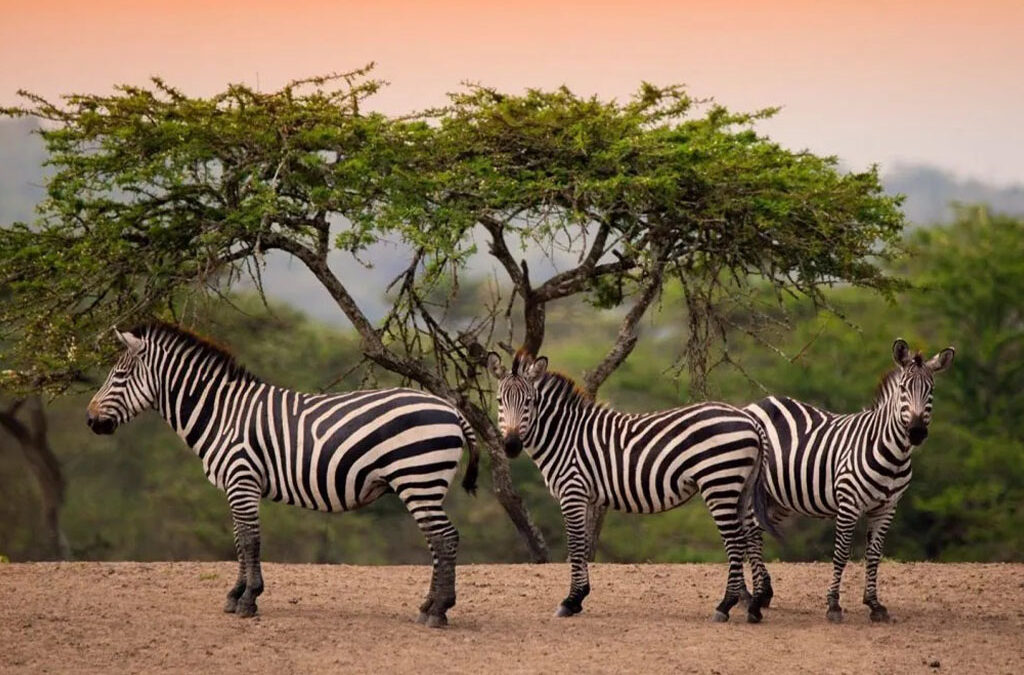
Uganda, often called the “Pearl of Africa,” is a land of extraordinary wildlife, stunning landscapes, and unforgettable safari experiences. From misty mountain forests to wide-open savannas, the country offers something for every type of traveler. Whether you dream of tracking mountain gorillas, spotting tree-climbing lions, or photographing rare birds, Uganda’s national parks deliver. Here’s a closer look at the top safari parks and what makes each one special.
Bwindi Impenetrable National Park: Home of the Mountain Gorillas
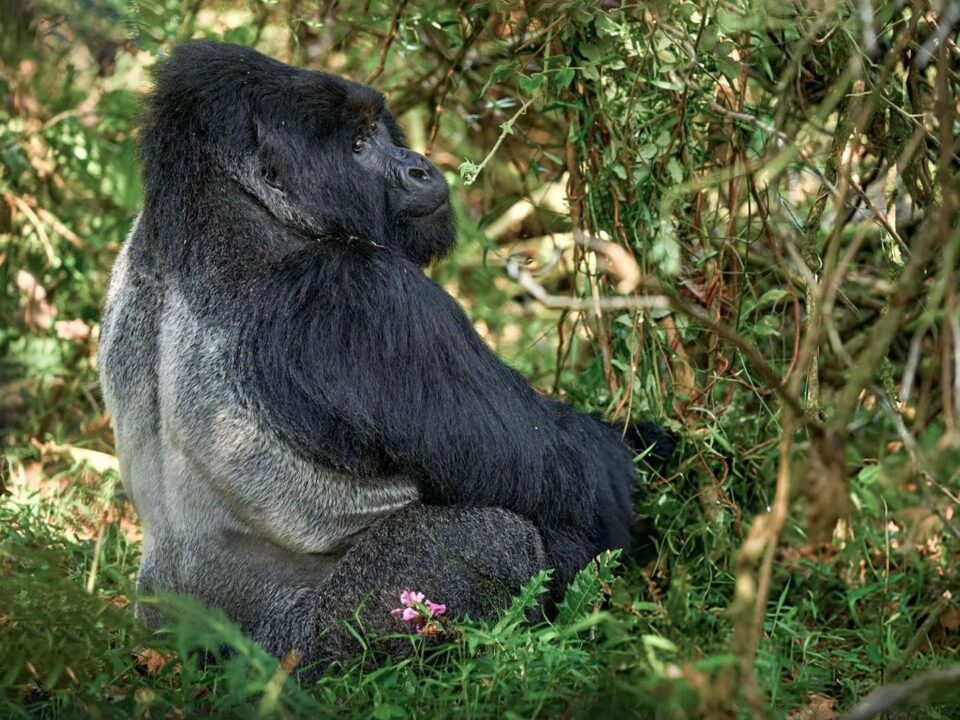
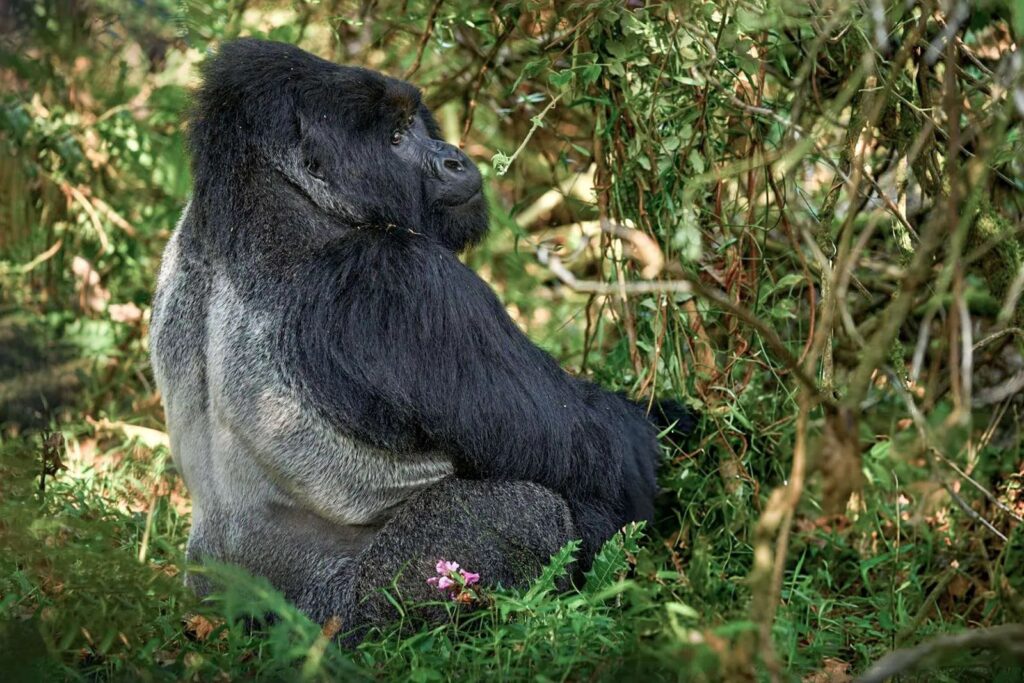
Bwindi Impenetrable National Park is Uganda’s crown jewel. A UNESCO World Heritage Site, it shelters nearly half of the world’s remaining mountain gorillas, making it a must-visit for wildlife lovers.
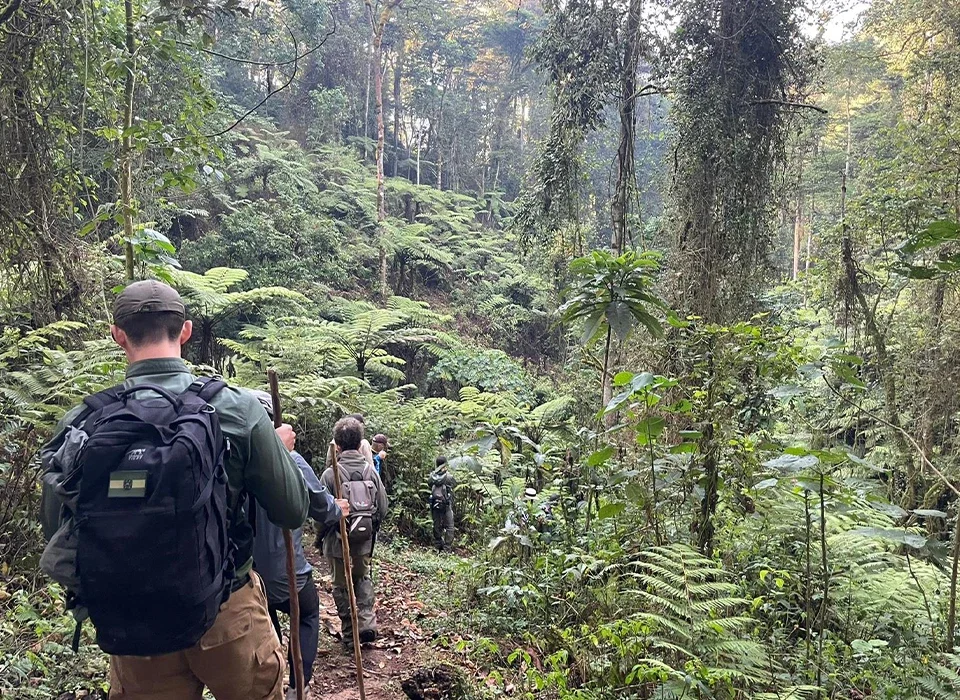
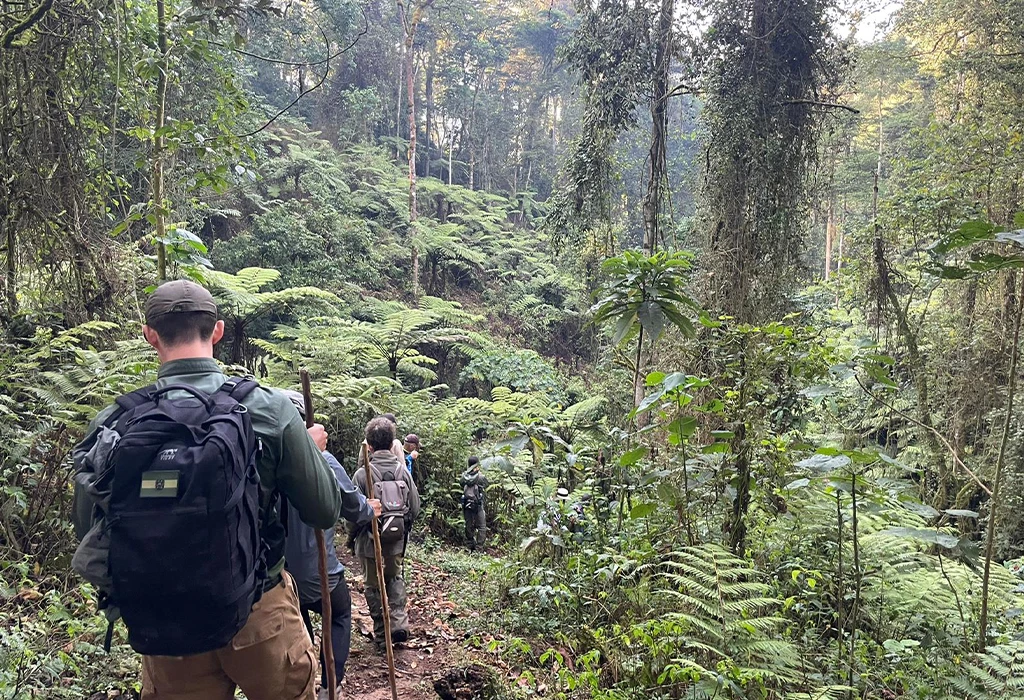
Trekkers can follow ten habituated gorilla families across four sectors: Buhoma, Ruhija, Rushaga, and Nkuringo. Treks vary from an hour to six or more hours over steep, muddy terrain—but the moment you meet these gentle giants, every step feels worthwhile.
Beyond gorillas, Bwindi is a biodiversity hotspot, home to 120 mammal species and 350 birds, including 23 species found nowhere else on Earth. Walking through its dense forests feels like stepping back in time, surrounded by towering ferns, moss-covered trees, and vibrant orchids.
Why visit: For a deeply personal and unforgettable wildlife encounter.
Queen Elizabeth National Park: A Complete Safari Experience
Queen Elizabeth National Park is Uganda’s most visited park, and for good reason. Stretching from the Rwenzori foothills to Lake Edward, it offers breathtaking landscapes and rich biodiversity.
The park is famous for its tree-climbing lions in the Ishasha sector a rare sight worldwide. Visitors can also spot four of the Big Five: elephants, lions, leopards, and buffalo. Over 95 mammal species and 600 bird species make it a paradise for wildlife enthusiasts.
The Kazinga Channel, connecting two lakes, offers perfect boat safari opportunities. Hippos, crocodiles, and thousands of waterbirds populate the waters, creating unforgettable wildlife scenes.
Why visit: For diverse wildlife, iconic experiences, and the rare chance to see lions in trees.
Murchison Falls National Park: Where the Nile Thunders
Murchison Falls National Park is Uganda’s largest park, covering 3,840 square kilometers. Its highlight is the spectacular Murchison Falls, where the Nile forces its way through an 8-meter-wide gorge before plunging 43 meters in a thunderous cascade.
The park hosts four of Africa’s Big Five (missing only rhinoceros) and offers classic savanna landscapes filled with elephants, giraffes, buffalo, and antelopes. Boat cruises along the Nile let visitors observe hippos, crocodiles, and elephants up close. Birders can also spot the prehistoric-looking shoebill stork, a true rarity.
Why visit: For dramatic scenery, river safaris, and a mix of forested and savanna wildlife experiences.
Kibale National Park: The Primate Capital of the World
Kibale Forest National Park is a must for primate lovers. Its 795 square kilometers of lush rainforest and grassland host 13 primate species, including around 1,500 chimpanzees. Chimpanzee tracking here has a success rate of over 90%, making encounters almost guaranteed.
Visitors may also see red colobus monkeys, L’Hoest’s monkeys, grey-cheeked mangabeys, and the rare Uganda mangabey. Kibale is also a birdwatcher’s haven, with 375 recorded species, including several Albertine Rift endemics. Nature walks reveal butterflies, insects, and countless forest creatures, making every step an adventure.
Why visit: For up-close chimpanzee encounters and unmatched primate diversity.
Kidepo Valley National Park: Uganda’s Remote Wilderness
Kidepo Valley National Park is Uganda’s most isolated park, located in the northeastern corner bordering South Sudan and Kenya. Its remoteness preserves pristine landscapes and offers a sense of discovery rare in Africa.
Kidepo’s semi-arid savannas and valleys host cheetahs, caracals, aardwolves, ostriches, and other unique species not commonly found in Uganda. Its dramatic scenery mountain ranges, valleys, and seasonal rivers creates unforgettable photo opportunities. Fewer tourists mean visitors can enjoy wildlife almost entirely to themselves.
Why visit: For off-the-beaten-path adventure in untouched wilderness.
Lake Mburo National Park: Compact Beauty Close to Kampala
Lake Mburo National Park is Uganda’s smallest savanna park, covering 370 square kilometers. Despite its size, it offers unique experiences, including walking safaris and horseback safaris perfect for getting close to wildlife.
It’s the only park in Uganda with impalas and also hosts zebras, topis, and elands. Boat cruises on Lake Mburo reveal hippos, crocodiles, and abundant birdlife. Its proximity to Kampala makes it ideal for a short safari or a weekend getaway.
Why visit: For accessible, intimate safari experiences with walking or horseback options.
Mgahinga Gorilla National Park: Small but Extraordinary
At just 33.7 square kilometers, Mgahinga is Uganda’s smallest park but full of surprises. It protects part of the Virunga Mountains and offers gorilla trekking with smaller groups, often over gentler terrain than Bwindi.
Mgahinga is also Uganda’s only destination for golden monkey trekking these striking primates live in bamboo forests along volcanic slopes. The park features three extinct volcanoes, offering excellent hiking and panoramic views across the region.
Why visit: For golden monkeys, manageable gorilla treks, and scenic mountain hikes.
Rwenzori Mountains National Park: Africa’s Alpine Wonder
Rwenzori Mountains National Park protects the legendary “Mountains of the Moon.” Known for its alpine scenery, it attracts hikers more than wildlife seekers.
Trails range from day hikes in lower montane forests to challenging expeditions to Margherita Peak, Africa’s third-highest summit at 5,109 meters. Giant lobelias and groundsels create surreal landscapes that feel otherworldly.
Why visit: For trekking adventures, dramatic alpine scenery, and unforgettable mountain vistas.
Uganda’s national parks each offer unique experiences from intimate encounters with endangered primates to classic African savanna safaris. Whether it’s your first trip or a return adventure, exploring these parks promises memories that last a lifetime.