Best Time to Visit Uganda for Wildlife
March 31, 2026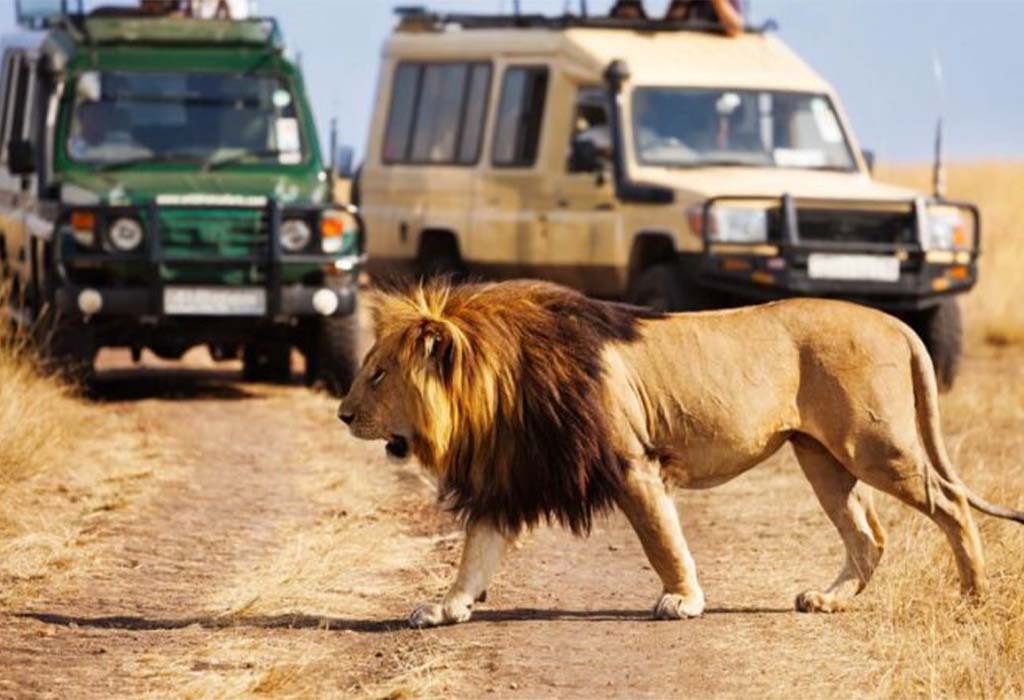
How Long Does a Typical Game Drive Last?
April 1, 2026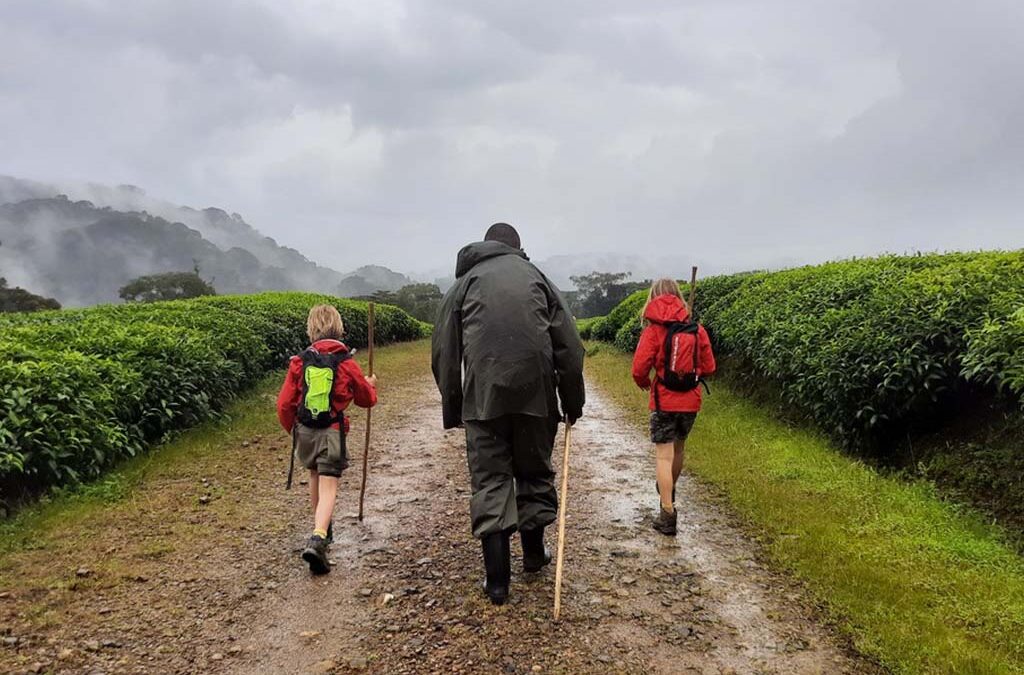
The answer is a confident yes. Rwanda stands out as one of Africa’s safest and most family-friendly destinations, offering an exceptional blend of security, cleanliness, political stability, and warm hospitality. As a result, families can travel with peace of mind while enjoying a wide range of enriching experiences from thrilling wildlife encounters to meaningful cultural connections.
Moreover, Rwanda’s low crime rates, well-maintained infrastructure, and strong government commitment to tourism create a secure and welcoming environment. Although a few activities, such as gorilla trekking, come with age restrictions, and basic health precautions are necessary, the country remains well-equipped to host families with children of all ages. Increasingly, travelers are choosing Rwanda for unforgettable family adventures and for good reason.
Understanding Rwanda’s Safety Profile
Over the years, Rwanda has built a reputation as one of the safest countries in Africa. This transformation reflects consistent investment in governance, infrastructure, and national security. Importantly, safety measures extend across the country, especially in major tourist destinations and national parks.
Violent crime against visitors is extremely rare. At the same time, a visible yet unobtrusive security presence in cities and attractions reassures travelers without creating discomfort. Consequently, families can explore confidently, knowing that safety remains a national priority.
That said, it is still wise to stay alert. Like anywhere in the world, petty theft such as pickpocketing can occur in crowded areas like markets or bus parks. Therefore, families should keep valuables secure, use hotel safes for important documents, and avoid walking alone in unfamiliar places at night. With these simple precautions, your experience in Rwanda is likely to remain smooth and stress-free.
The Remarkable Cleanliness Factor
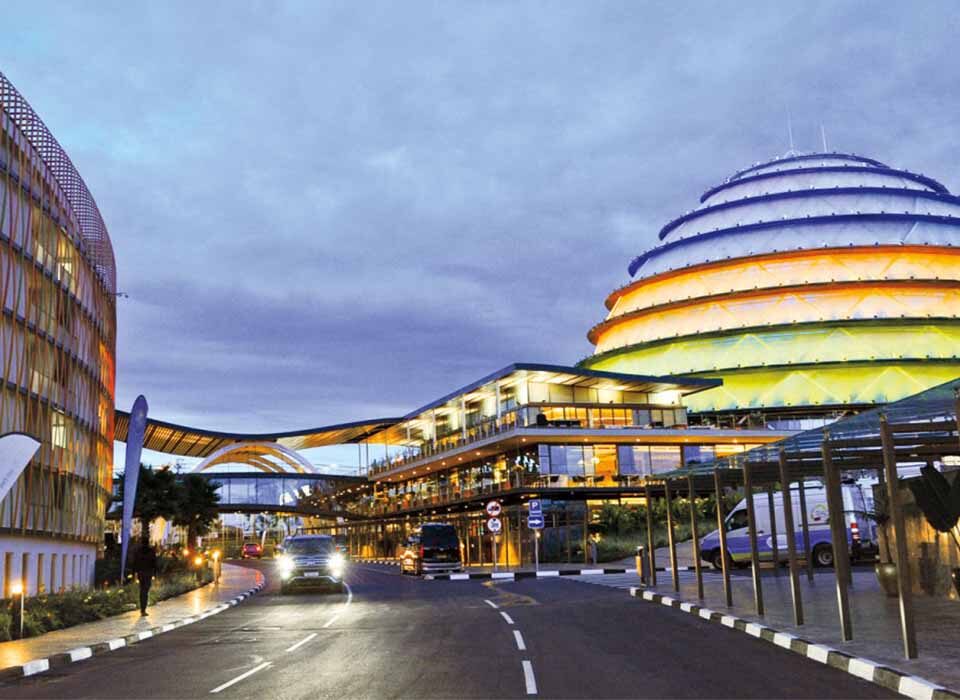
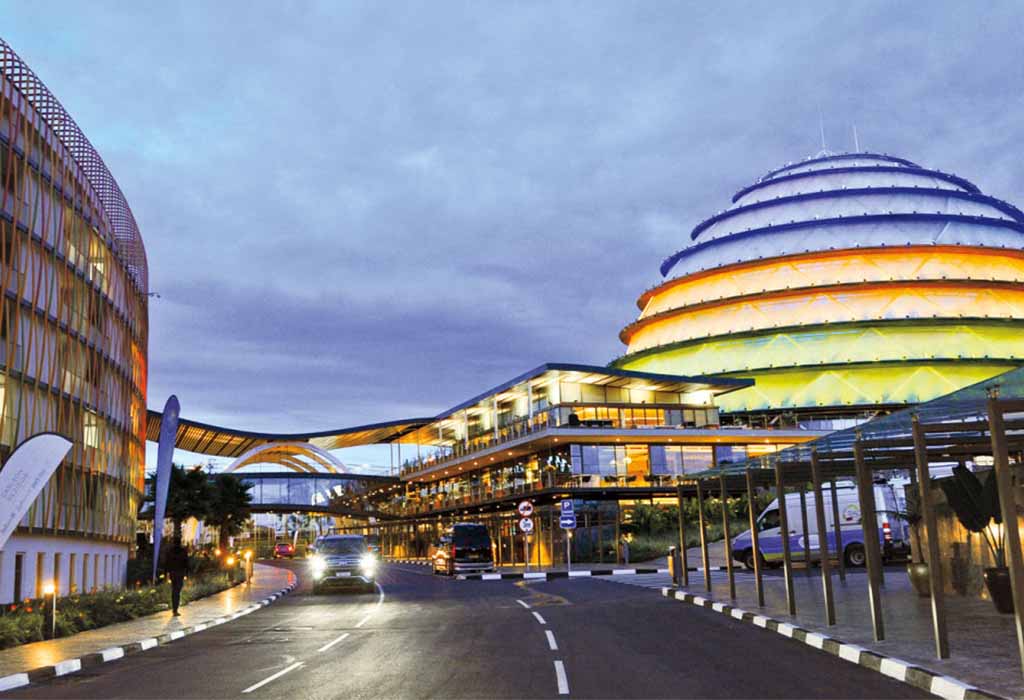
One of the first things families notice upon arrival in Rwanda is its exceptional cleanliness. Kigali, in particular, is often ranked among Africa’s cleanest cities. This is no coincidence.
On one hand, cultural values emphasize community responsibility. On the other, government policies reinforce environmental care. For example, the nationwide initiative known as Umuganda brings citizens together on the last Saturday of every month to clean neighborhoods and maintain public spaces. In addition, Rwanda’s ban on single-use plastic bags and strict anti-littering laws further enhance environmental standards.
For families traveling with children, this cleanliness translates into safer surroundings, lower health risks, and an overall more pleasant experience.
Political Stability and Regional Awareness
In addition to its cleanliness, Rwanda benefits from strong political stability. Compared to many regions, this stability provides a predictable and secure environment for tourism. The government actively supports the tourism sector, investing in infrastructure and safety to meet international standards.
However, it is important to stay informed. Border areas near the Democratic Republic of Congo and Burundi can experience occasional instability and are best avoided. Fortunately, Rwanda’s main tourism hubs including Kigali, Volcanoes National Park, Nyungwe Forest, and Akagera National Park are all secure and closely monitored.
Security personnel, including park rangers, operate professionally and discreetly. As a result, families can enjoy their adventures without feeling restricted.
Health Considerations for Traveling Families
Before traveling, families should prioritize proper health preparation. Ideally, parents should consult a healthcare provider four to six weeks before departure. This allows enough time to receive recommended vaccinations such as Hepatitis A and Typhoid. Additionally, a Yellow Fever vaccination may be required depending on your travel history.
Malaria Prevention
Malaria risk varies depending on location. For instance, lower-altitude areas like Akagera National Park and Lake Kivu carry higher risk, whereas higher-altitude regions such as Volcanoes National Park and Nyungwe Forest have significantly lower risk.
To stay protected, families should combine preventive medication with practical measures. Use insect repellent, wear long clothing in the evenings, and sleep under treated mosquito nets. Fortunately, most accommodations provide these essentials, making prevention much easier.
Water and Food Safety
Equally important, families should take precautions with food and water. Tap water is not recommended for drinking, so always use bottled water even for brushing teeth. Thankfully, bottled water is widely available.
When dining, choose reputable restaurants and lodges that maintain high hygiene standards. Stick to freshly prepared meals, avoid raw or unpeeled foods, and ensure meats are thoroughly cooked. By following these guidelines, families can significantly reduce the risk of illness.
Family Activities and Age Considerations
Rwanda offers a variety of experiences suitable for families. However, understanding age restrictions helps set realistic expectations.
Activities with Age Limits
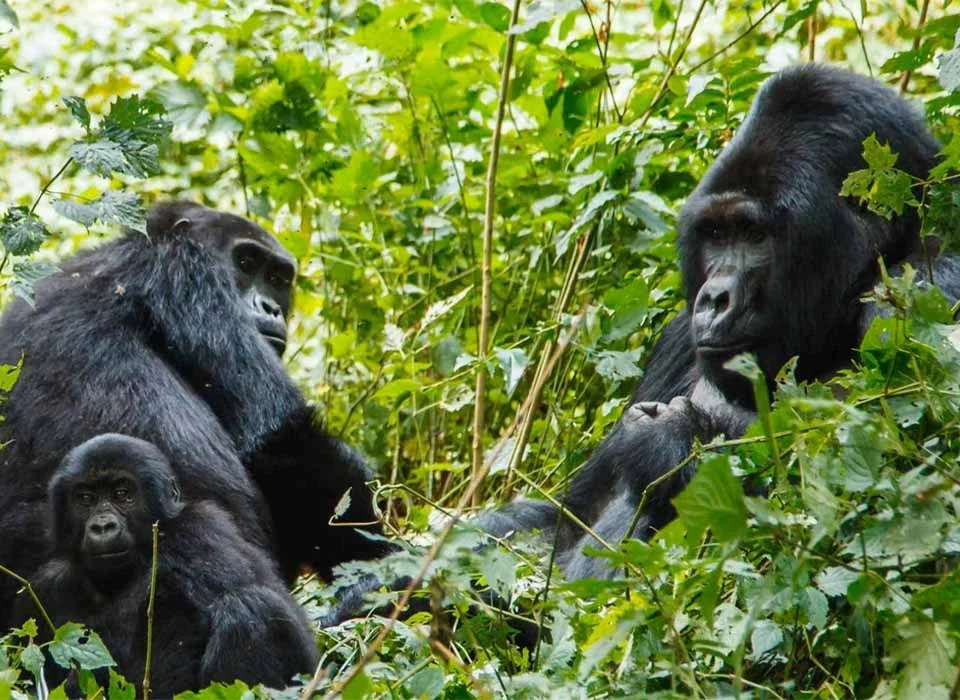
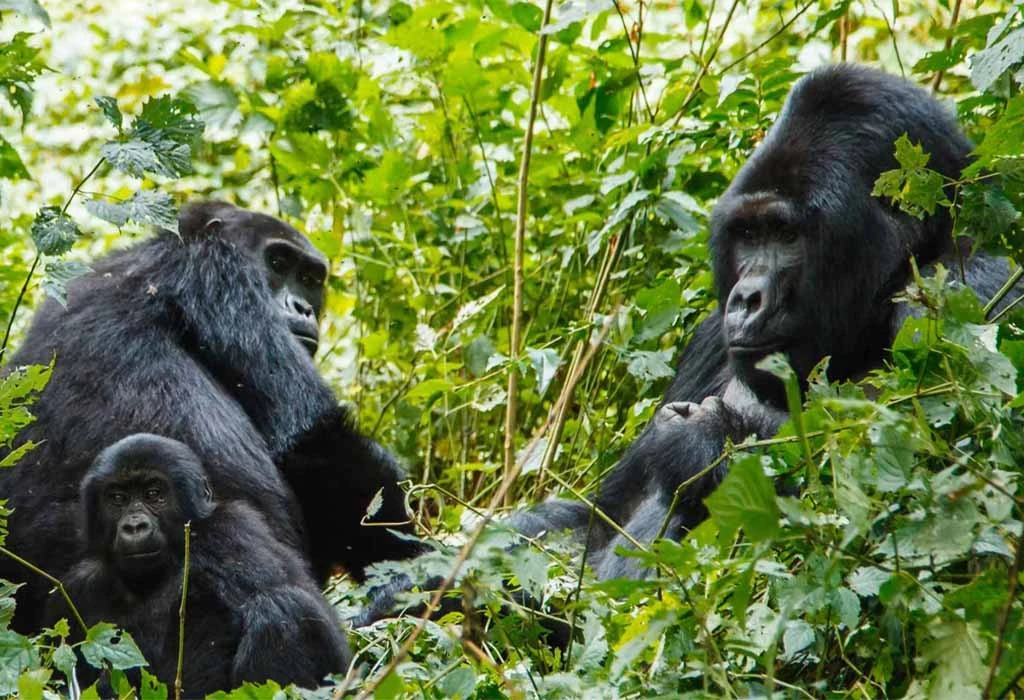
Gorilla and chimpanzee trekking are restricted to visitors aged 15 and above. These rules are strictly enforced to ensure safety, maintain discipline during treks, and protect primates from disease transmission.
Child-Friendly Alternatives
Fortunately, younger children still have plenty to enjoy. Akagera National Park is a fantastic option for family safaris. Game drives allow children to spot lions, elephants, giraffes, zebras, and more in a safe and exciting setting. In addition, boat trips on Lake Ihema offer a relaxed way to see wildlife up close.
Meanwhile, Kigali provides engaging city experiences. Families can explore local markets, parks, and cultural sites. For older children, the Kigali Genocide Memorial offers important historical insights, though parents should assess suitability based on age and sensitivity.
Cultural visits also add depth to the journey. Children can enjoy traditional dance performances, drumming, and village experiences that are both fun and educational.
For relaxation, Lake Kivu is ideal. Its calm beaches, scenic views, and family-friendly resorts provide the perfect setting to unwind after safari adventures.
Practical Travel Tips for Families
Planning well can make all the difference when traveling with children.
Choosing the Right Tour Operator
Working with a trusted and experienced operator like Experiya Tour Company ensures a smoother experience. They design family-friendly itineraries, provide safe transportation, and balance activities with enough rest time. As a result, your trip feels enjoyable rather than exhausting.
Respecting Local Culture
Rwanda values modesty and respect. Therefore, families should dress appropriately, especially in rural areas. Clothing that covers shoulders and knees is recommended. At the same time, teaching children to be respectful and calm in public spaces enhances interactions with locals.
Travel Insurance
Finally, comprehensive travel insurance is essential. It should include emergency medical evacuation coverage, as advanced care may require transfer to another country. While Rwanda’s healthcare system continues to improve, having insurance offers critical peace of mind.
Final Thoughts
So, is Rwanda safe for families with children? Absolutely. With thoughtful planning and basic precautions, Rwanda offers a secure, enriching, and deeply rewarding travel experience.
From its clean cities and welcoming people to its breathtaking landscapes and diverse activities, Rwanda consistently exceeds expectations. Whether your family is exploring wildlife, connecting with local cultures, or simply relaxing by Lake Kivu, you will discover a destination that perfectly balances adventure, education, and safety.
With the right guidance from Experiya Tour Company, your family journey to Rwanda can become not just a trip but a collection of lifelong memories.