Things You Should Never Do Around Mountain Gorillas
February 25, 2026
The Wonders of Mount Elgon – Adventure at Its Best
February 25, 2026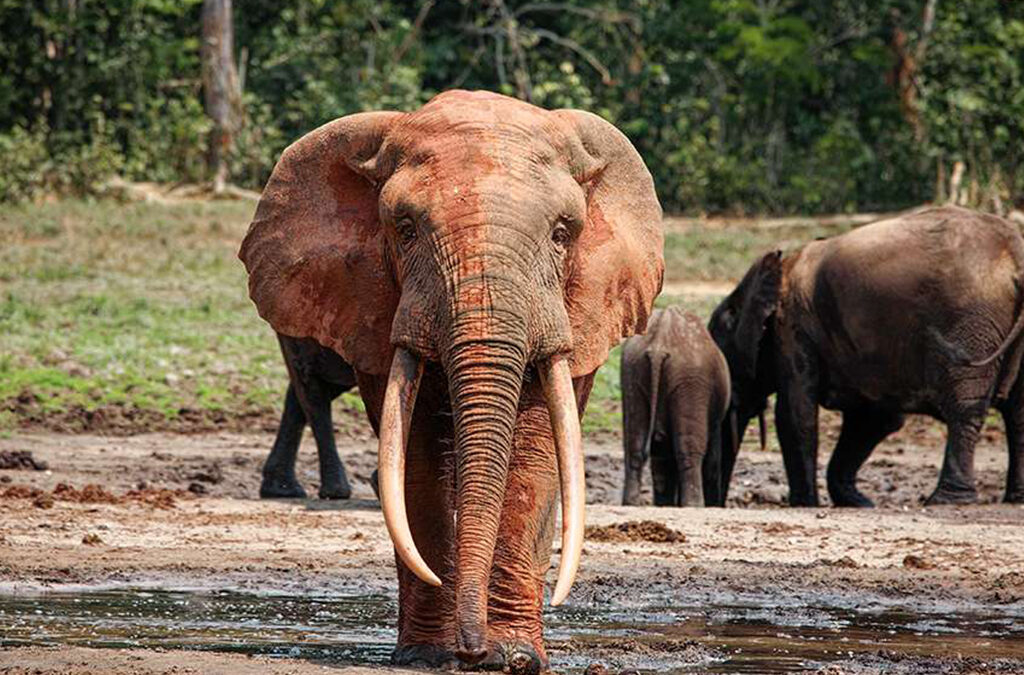
Are forest elephants different from bush elephants? What is the difference between savanna and forest elephants?
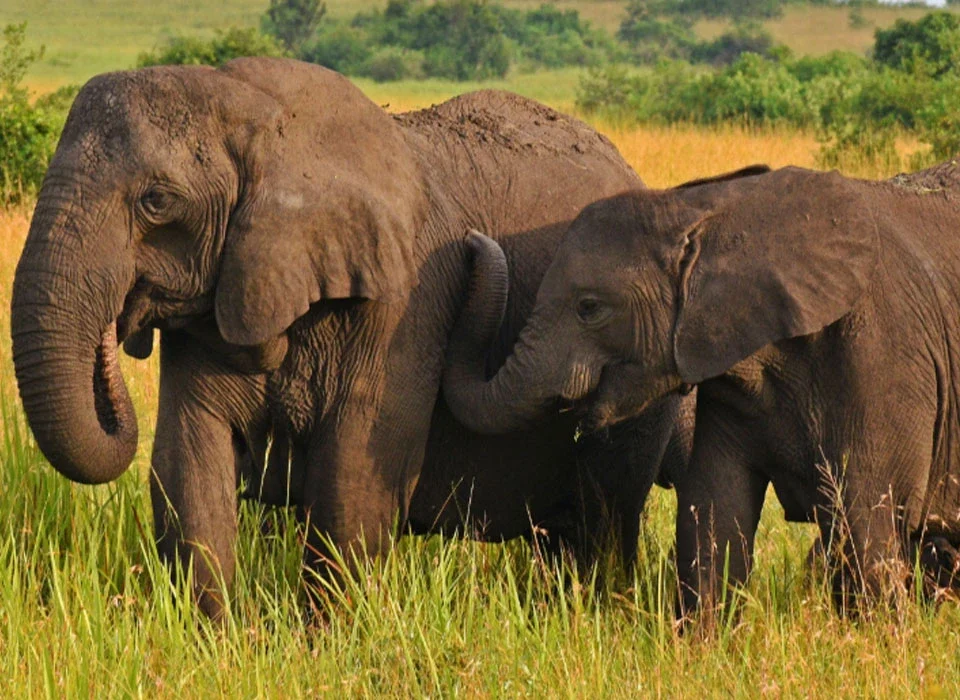
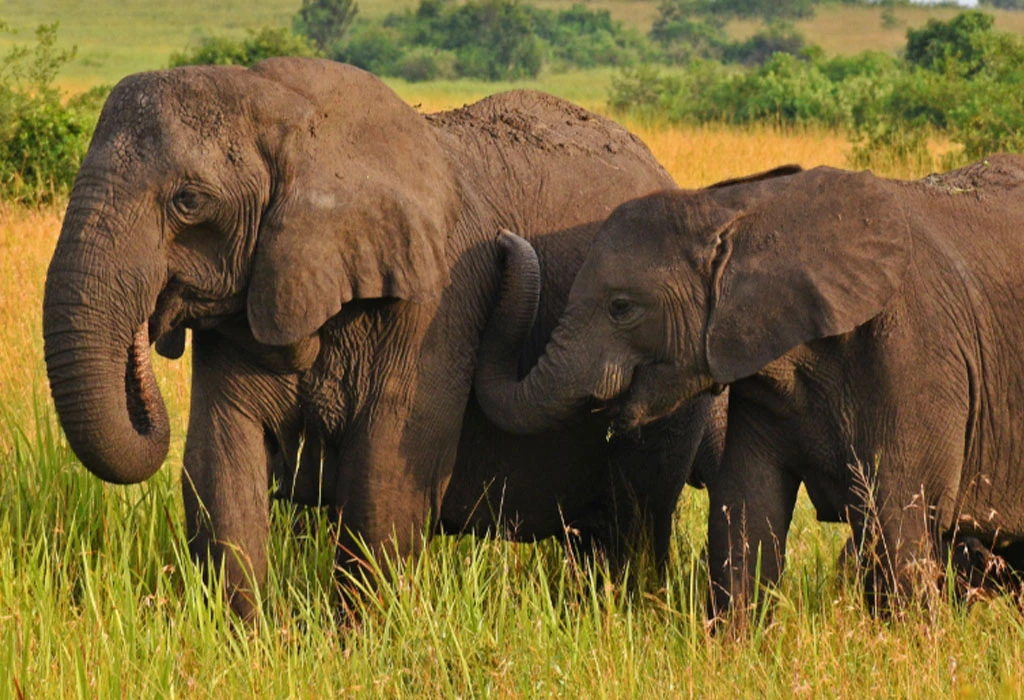
For many years, elephants in Africa were broadly grouped as one species. However, recent scientific research has confirmed that Africa is home to two distinct elephant species: the African savanna elephant (Loxodonta africana) and the African forest elephant (Loxodonta cyclotis). These are different from the Asian elephant (Elephas maximus), which is found in Asia.
Although African forest and savanna elephants share certain similarities, they differ in size, shape, habitat, behavior, and even genetics. Understanding these differences not only enriches your safari experience but also highlights the importance of conservation across Africa.
African Forest Elephants
The African forest elephant (Loxodonta cyclotis) inhabits the dense tropical rainforests of West and Central Africa. Countries such as Gabon, the Republic of Congo, Central African Republic, Cameroon, Ghana, Côte d’Ivoire, Liberia, and Equatorial Guinea host significant populations.
Interestingly, Uganda is one of the few countries where visitors may encounter elephants with forest characteristics, especially in habitats like Kibale National Park, Bwindi Impenetrable National Park, and Budongo Forest in Murchison Falls National Park.
Size and Physical Features
Forest elephants are smaller than their savanna relatives. On average, they stand between 8 and 10 feet tall at the shoulder, making them more compact and adapted to maneuver through thick vegetation.
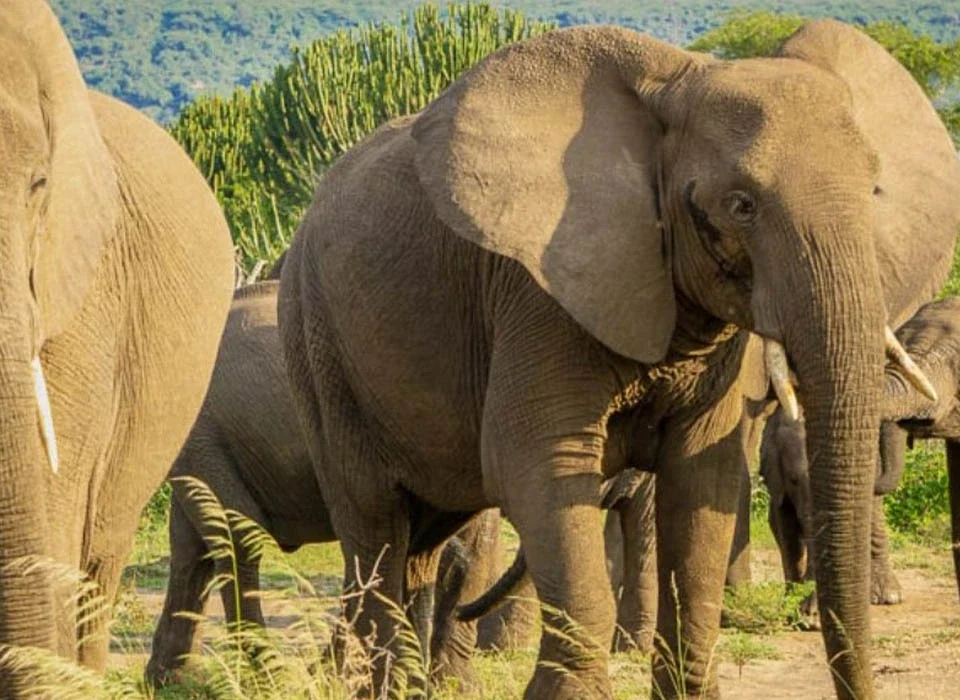
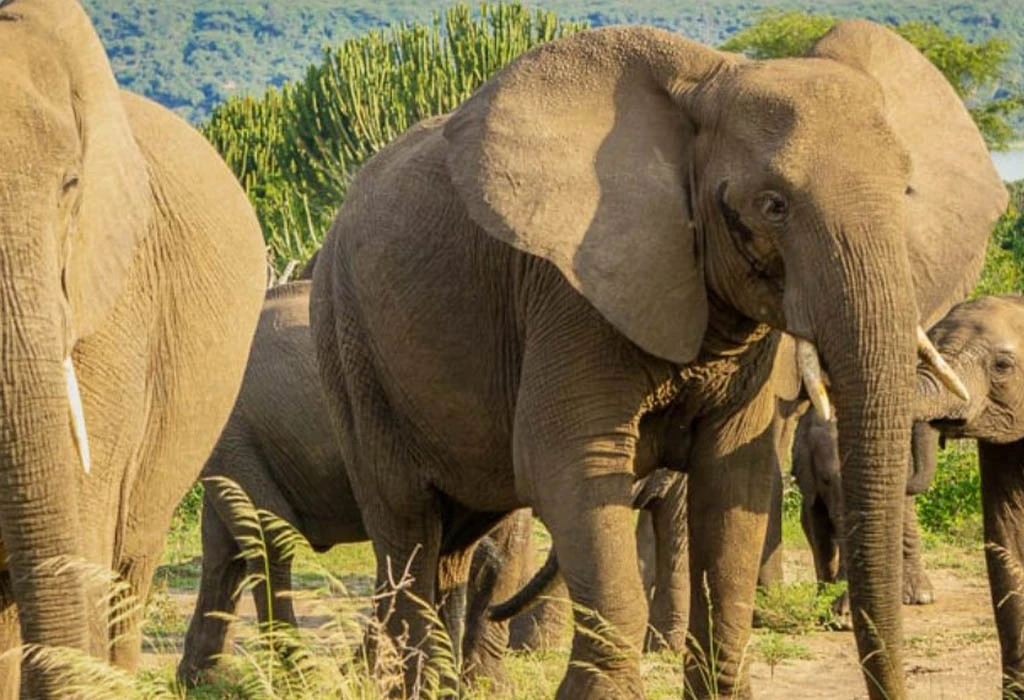
In addition, their ears are more oval-shaped compared to the larger, fan-shaped ears of savanna elephants. Their tusks are straighter and point downward, which helps them move easily through dense forest undergrowth. These tusks are also harder and more pinkish in tone, a feature that unfortunately made them prime targets for ivory poachers.
Habitat and Diet
As their name suggests, forest elephants thrive in tropical rainforests. Unlike savanna elephants that roam open plains, forest elephants prefer thick canopies and shaded environments.
They primarily feed on tree leaves, bark, fruits, and shrubs. In fact, they play a crucial ecological role by dispersing seeds across vast forest areas. Without them, many forest plant species would struggle to regenerate. Therefore, forest elephants are not only wildlife icons but also essential ecosystem engineers.
Social Structure
Forest elephants typically live in smaller family groups compared to savanna elephants. A forest elephant herd may consist of about 10 to 20 individuals, usually led by a matriarch. Because of the dense habitat, their social interactions are often quieter and less visible than those of their savanna counterparts.
African Savanna Elephants
The African savanna elephant (Loxodonta africana) is the largest land mammal on Earth. These giants dominate the open grasslands, savannas, and lightly wooded areas across sub-Saharan Africa.
You will commonly spot them during game drives in iconic safari destinations such as Chobe National Park, Amboseli National Park, Tsavo National Parks, Masai Mara National Reserve, Serengeti National Park, Tarangire National Park, Kruger National Park, and Addo Elephant National Park. In Uganda, visitors encounter large herds in Murchison Falls National Park, Queen Elizabeth National Park, and Kidepo Valley National Park. Rwanda’s Akagera National Park also offers excellent sightings.
Size and Physical Features
Savanna elephants are significantly larger than forest elephants. Adult males can reach up to 13 feet at the shoulder and weigh up to 6–7 tons. Their massive size allows them to thrive in open landscapes.
Moreover, their ears are much larger and shaped like the African continent. These large ears help regulate body temperature in hot climates. Their tusks curve outward and can grow impressively long, especially in mature bulls.
Habitat and Diet
Savanna elephants prefer open grasslands and scattered woodland areas. Because they live in hotter and drier climates, they rely heavily on tall grasses, shrubs, and scattered trees for food.
They consume vast amounts of vegetation daily and can eat up to 150 kilograms of plant matter in a single day. Consequently, they significantly shape their environment by knocking down trees, opening pathways, and creating watering holes used by other wildlife species.
Social Structure and Reproduction
Savanna elephants usually live in larger herds than forest elephants. A typical herd consists of related females and their calves, led by an experienced matriarch. Meanwhile, adult males either roam alone or form small bachelor groups.
Importantly, savanna elephants generally have a slightly faster reproductive rate compared to forest elephants. However, both species reproduce slowly overall, which makes population recovery difficult when numbers decline.
Major Differences Between Forest and Savanna Elephants
Although both species belong to the genus Loxodonta, several differences clearly distinguish them.
First, size remains the most obvious contrast. Savanna elephants are much larger and heavier, whereas forest elephants are smaller and more compact.
Second, their tusks differ in shape. Forest elephants have straighter tusks that point downward, while savanna elephants have outward-curving tusks.
Third, their ears vary in shape and size. Savanna elephants have larger ears adapted for heat regulation, while forest elephants have smaller, oval-shaped ears suited to shaded environments.
Finally, their habitats define their lifestyles. Forest elephants navigate dense rainforests, whereas savanna elephants roam open plains and grasslands.
Are Elephants Endangered?
Yes, both African forest and African savanna elephants are endangered. According to the International Union for Conservation of Nature (IUCN), forest elephants are classified as Critically Endangered, while savanna elephants are listed as Endangered.
Over the decades, elephant populations have drastically declined due to poaching for ivory, habitat loss caused by deforestation, agricultural expansion, settlement, charcoal burning, and increasing human-wildlife conflict.
Today, an estimated 415,000 elephants remain in Africa, while about 40,000 Asian elephants survive in Asia. These numbers represent a sharp drop from historical populations that once roamed the continent in the millions.
Fortunately, conservation efforts, anti-poaching patrols, and community-based tourism initiatives are helping stabilize some populations. Responsible travel with operators such as Experiya Tour Company supports conservation programs and local communities that protect these majestic animals.
Where to See African Elephants
Africa offers remarkable destinations to observe elephants in their natural habitats.
In Botswana, Chobe National Park and Mashatu Game Reserve provide unforgettable encounters with massive herds. Kenya’s Amboseli National Park offers iconic views of elephants against the backdrop of Mount Kilimanjaro. Tanzania’s Tarangire National Park is famous for its large elephant concentrations, particularly during the dry season.
In Uganda, visitors can experience exceptional sightings in Murchison Falls, Queen Elizabeth, and Kidepo Valley National Parks. Rwanda’s Akagera National Park offers impressive savanna elephant encounters. Meanwhile, Gabon and Congo provide rare opportunities to see forest elephants in dense jungle settings.
Experiya Tour Company carefully designs safari experiences that allow travelers to witness these giants while respecting wildlife and conservation guidelines.
When Is the Best Time to See Elephants?
Although elephants can be seen throughout the year, the best time for viewing is generally during the dry seasons. From June to September and from December to February, water sources shrink, and elephants gather around rivers and watering holes. As a result, sightings become more predictable and dramatic.
During these months, vegetation is also thinner, which improves visibility during game drives. Nevertheless, forest elephant sightings remain more challenging due to dense vegetation, regardless of the season.
Final Thoughts
African forest elephants and African savanna elephants may appear similar at first glance. However, they are distinct species with unique physical features, habitats, and ecological roles.
Whether you encounter a massive herd crossing the plains of the Serengeti or catch a rare glimpse of a forest elephant moving quietly through a rainforest clearing, each experience feels unforgettable.
By choosing responsible safari experiences and supporting conservation-driven tourism through Experiya Tour Company, travelers contribute directly to protecting these magnificent giants for future generations.