3 Days Rwanda Gorilla Trekking Safari
February 13, 2026
Uganda Fishing Adventures on Lake Albert: A Fisherman’s Paradise
February 14, 2026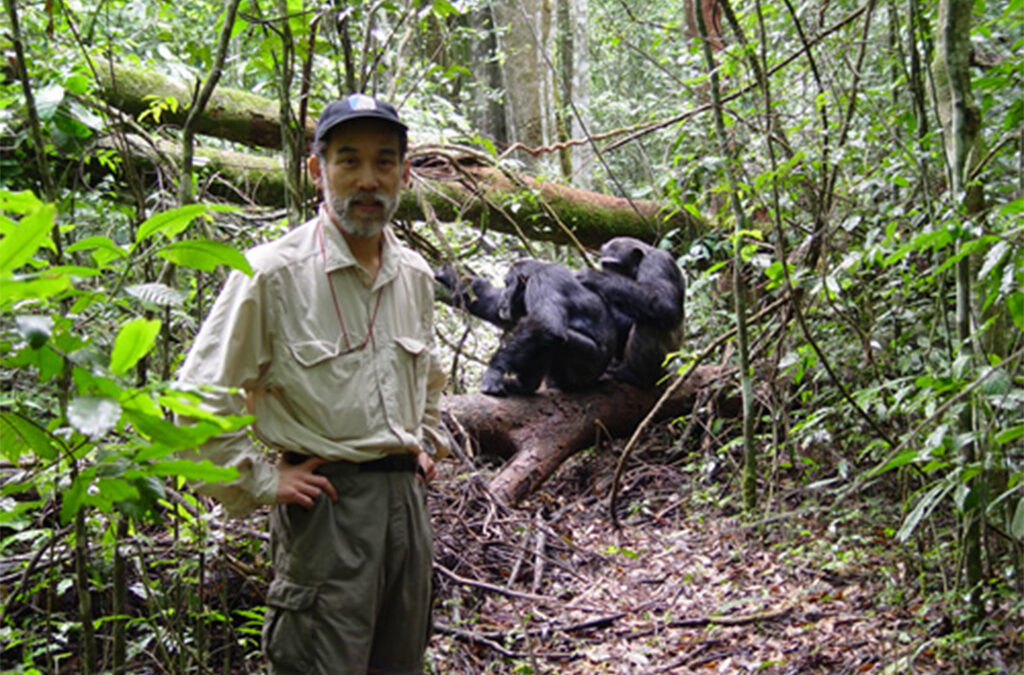
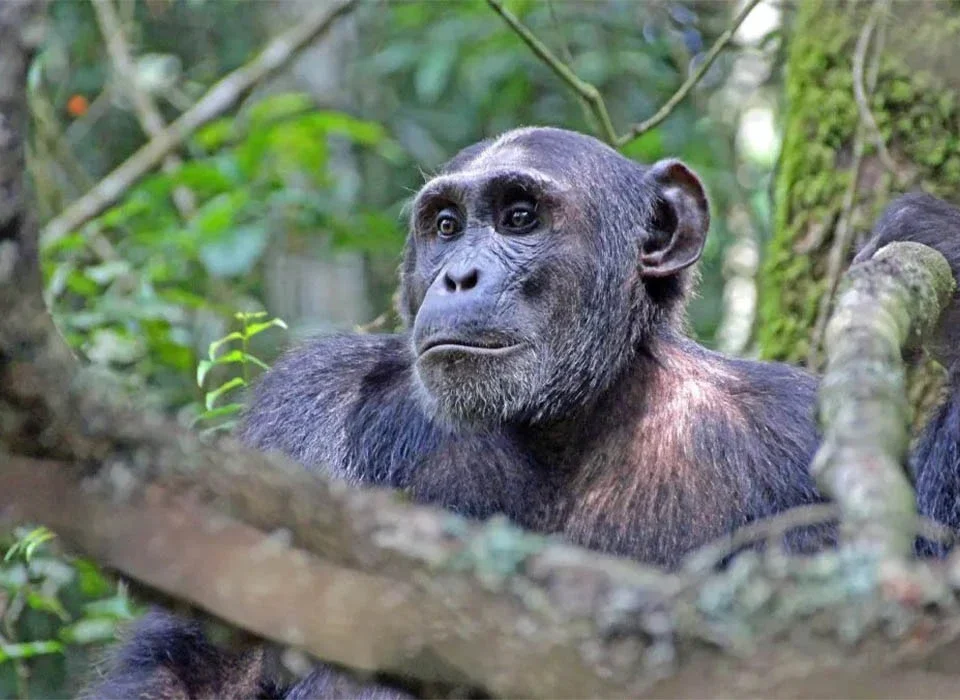
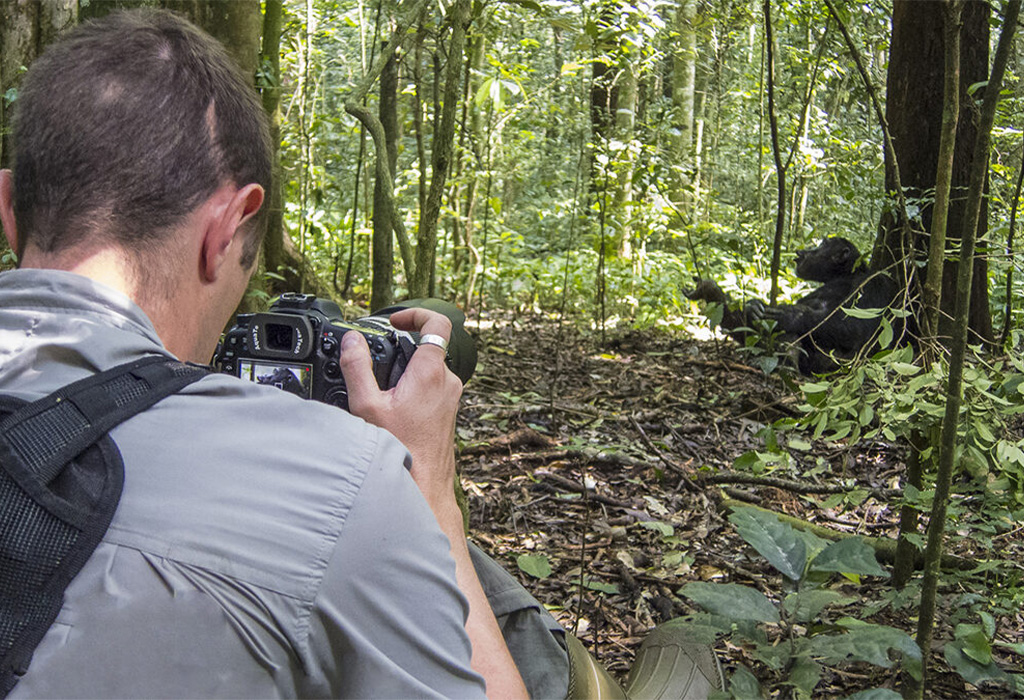
Kibale National Park, established in 1993, quickly became a leading destination for primate research and eco-tourism. The Uganda Wildlife Authority (UWA), working alongside international conservation partners, successfully habituated several chimpanzee communities. As a result, visitors can now observe chimpanzees at close range without disrupting their natural behavior.
Today, Kibale hosts one of the highest densities of chimpanzees in Africa. The park maintains an impressive over 90% success rate for sightings during trekking experiences. This remarkable consistency, combined with expert guides and well-managed tourism practices, makes Kibale the best destination for chimpanzee trekking in Uganda.
At the same time, permit revenues directly fund conservation programs and support surrounding communities. Therefore, every trek contributes to protecting wildlife and improving local livelihoods.
Best Time for Chimpanzee Trekking in Kibale
You can enjoy chimpanzee trekking in Kibale National Park throughout the year. However, the dry seasons offer the most comfortable conditions:
- December to February
- June to September
During these months, forest trails remain less slippery, and trekking becomes easier. Wildlife viewing also improves as animals concentrate around available food sources.
On the other hand, the wet seasons (March to May and October to November) bring heavier rains. Although trekking can be more challenging, the forest looks lush and vibrant. Additionally, fewer tourists visit during this period, making the experience more intimate and adventurous.
Regardless of the season, skilled trackers locate chimpanzees daily, ensuring high chances of success.
Understanding Chimpanzee Social Life
Chimpanzees live in complex social systems known as fission-fusion societies. Unlike primates that move as a single cohesive group, chimpanzees frequently split into smaller subgroups and later reunite. These changes depend on food availability, social relationships, and mating opportunities.
A chimpanzee community can include anywhere from 20 to over 150 individuals. Within these communities:
- Males maintain a strict dominance hierarchy.
- The alpha male leads and secures priority access to food and mating.
- Females also form hierarchies, though they tend to be less rigid.
Chimpanzees display remarkable intelligence. They use tools, such as sticks to extract termites and stones to crack nuts. Moreover, they communicate using vocalizations, gestures, facial expressions, and even drumming on tree trunks.
Observing these behaviors in the wild feels both humbling and deeply fascinating.
The Reproductive System of Chimpanzees
Chimpanzees follow a multi-male, multi-female mating structure. Females typically reach sexual maturity between 8 and 12 years, while males mature slightly later, between 9 and 15 years.
The female’s estrous cycle lasts about 35 days. During her most fertile phase, a noticeable genital swelling signals readiness to mate. Interestingly, females mate with multiple males during this period. This strategy increases genetic diversity and reduces the risk of infanticide, since males may not know which offspring belongs to them.
Gestation lasts approximately 230 days (around 7.5 months). Most births result in a single infant, though twins occasionally occur.
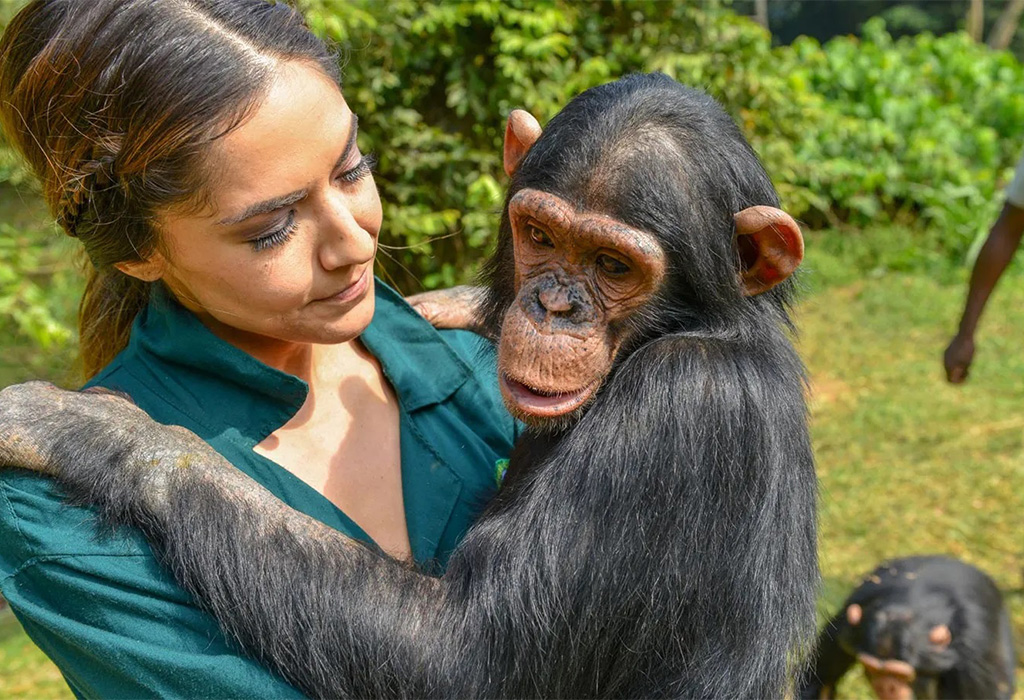
Chimpanzee mothers show extraordinary care and devotion. They carry infants constantly for the first six months and maintain a strong bond for several years. Even after weaning, which typically happens between 3 and 5 years, the maternal connection remains strong.
The Value of Chimpanzee Trekking in Kibale National Park
- Educational and Emotional Impact
Chimpanzee trekking offers more than just photography opportunities. It allows visitors to witness complex social behavior, intelligence, and emotional bonds firsthand. Consequently, many travelers leave with a deeper appreciation for wildlife conservation.
- Conservation Benefits
Permit fees directly support:
- Anti-poaching patrols
- Habitat restoration projects
- Scientific research
- Ranger training and monitoring
Additionally, the presence of tourists discourages illegal activities such as logging and poaching.
- Community Empowerment
Chimpanzee trekking creates employment for guides, trackers, rangers, and hospitality providers. Local businesses, from lodges to craft shops, benefit from tourism revenue. As a result, communities recognize the economic value of preserving wildlife and forests.
This positive relationship encourages long-term conservation success.
Conservation Challenges and Ongoing Efforts
Despite these achievements, chimpanzees still face serious threats:
- Habitat loss due to agriculture and settlement
- Illegal logging
- Poaching and bushmeat trade
- Capture for the illegal pet market
To address these challenges, Kibale National Park implements strong conservation strategies. Authorities conduct regular anti-poaching patrols, restore degraded habitats, and run community awareness programs. Meanwhile, researchers monitor chimpanzee health, genetics, and behavior to guide evidence-based conservation planning.
Through collaboration between conservationists, local communities, and responsible tourism operators like Experiya Tour Company, Kibale continues to protect its chimpanzee populations.
Practical Information for Chimpanzee Trekking
If you are planning your chimpanzee trekking adventure, keep the following details in mind:
Trekking Permits
A permit is mandatory. The cost is typically USD $200 per person for foreign non-residents (subject to change by UWA).
Group Size
Each trekking group is limited to a maximum of eight visitors to minimize disturbance.
Duration
Treks usually last 2 to 4 hours, depending on chimpanzee movements and terrain conditions.
What to Wear and Bring
- Sturdy hiking boots
- Long-sleeved shirt and long trousers
- Rain jacket
- Hat and sunscreen
- Insect repellent
- Drinking water
- Camera (without flash)
Professional Guides
Experienced guides and trackers lead every trek. They interpret chimpanzee behavior, ensure visitor safety, and promote responsible wildlife viewing practices.
Why Book with Experiya Tour Company?
Planning a chimpanzee trekking safari requires expert coordination, proper permits, and seamless logistics. Experiya Tour Company ensures a well-organized, responsible, and unforgettable experience in Kibale National Park.
From permit processing to accommodation arrangements and knowledgeable safari guides, Experiya Tour Company prioritizes comfort, safety, and authentic wildlife encounters. Most importantly, the company supports sustainable tourism practices that benefit both conservation and local communities.
Final Thoughts
Chimpanzee trekking in Kibale National Park is truly life-changing. Standing just meters away from a wild chimpanzee as it calls, grooms, or feeds creates a powerful connection between humans and nature.
Beyond the excitement, your visit supports conservation, scientific research, and community development. With responsible planning and continued protection efforts, Kibale will remain a sanctuary for chimpanzees and a dream destination for wildlife lovers.
If you are planning your next adventure in Uganda, choose chimpanzee trekking in Kibale National Park and let Experiya Tour Company guide you through an unforgettable journey into the heart of Africa’s rainforest.