
Inspiring Day Trips in Uganda with Experiya Tour Company
February 23, 2026
Why Bwindi Is the Ultimate Destination for Gorilla Trekking
February 23, 2026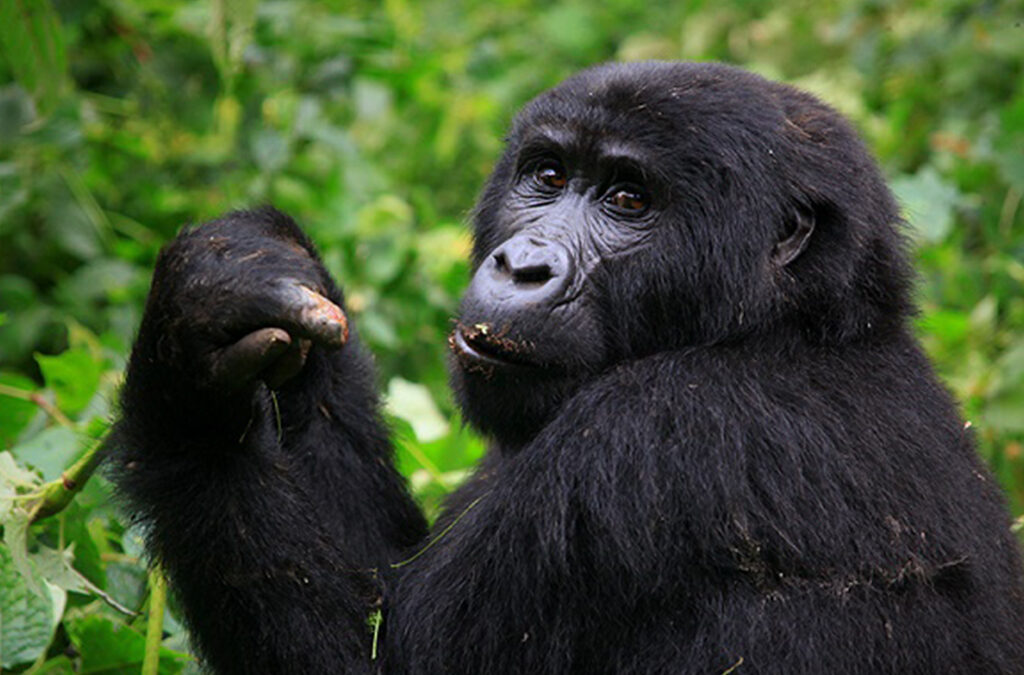
Imagine stepping into the misty forests of East Africa, where the earthy aroma of leaves and soil fills the air. Ahead, a family of mountain gorillas rests among the dense foliage, their deep, knowing eyes locking with yours in a moment that feels almost sacred. Just a few days before, you were following a lively troop of chimpanzees swinging through the canopy, their playful calls echoing like laughter. It sounds like a dream, doesn’t it? Yet, this is entirely possible.
The answer to the question, “Can you go on a gorilla and chimpanzee trekking safari together?” is an enthusiastic yes. With Experiya Tour Company, you can combine adventure, nature, and conservation into a single, seamless journey. This extraordinary safari allows you to witness two of Africa’s most iconic great apes in one unforgettable trip, creating a story that will stay with you long after your boots leave the forest floor.
This guide will cover everything you need to know about organizing a combined gorilla and chimpanzee trekking safari from top locations and sample itineraries to practical advice, costs, and the compelling reasons this experience belongs on your bucket list.
Experiencing Gorillas Up Close: The Gentle Giants
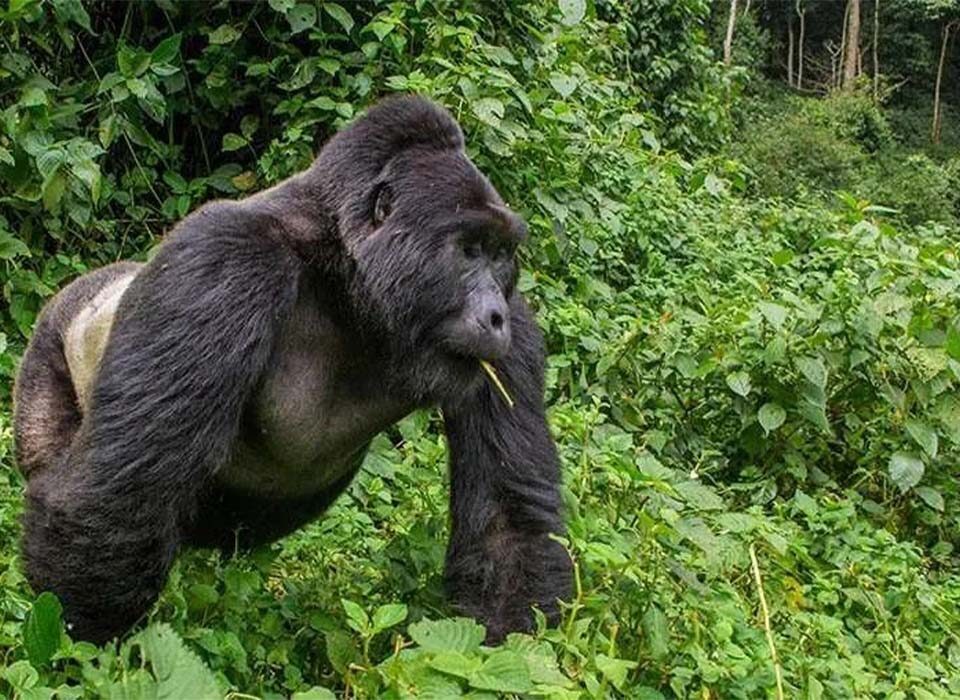
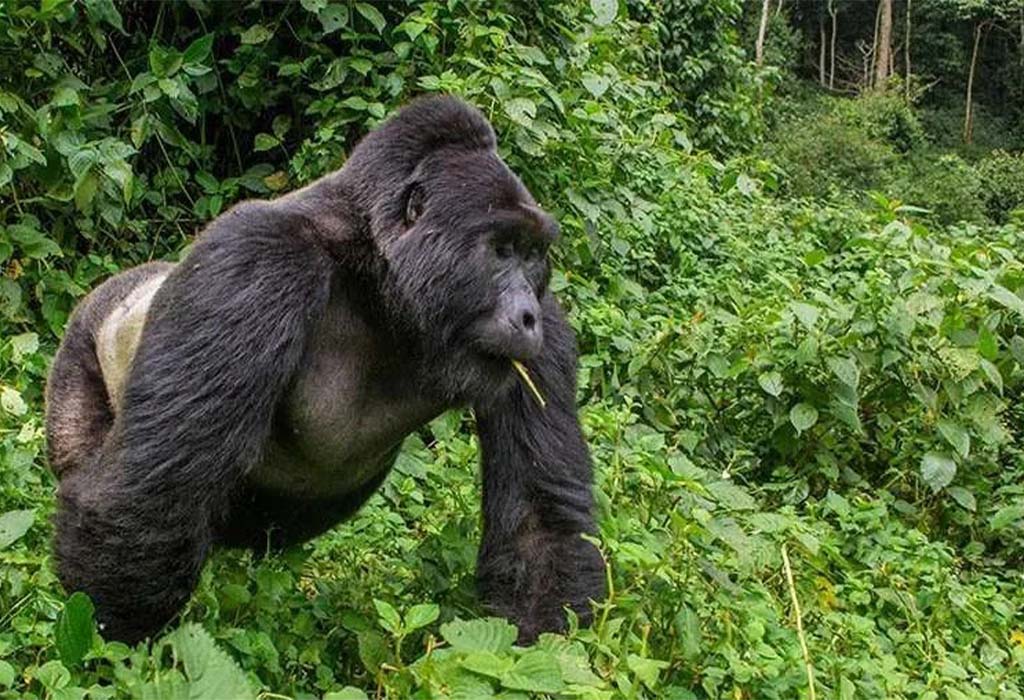
Gorilla trekking is widely regarded as one of the most intimate wildlife encounters on Earth. Mountain gorillas, our gentle relatives who share roughly 98% of our DNA, inhabit deep, hilly forests. Trekking to find them involves following expert rangers who monitor habituated gorilla families daily.
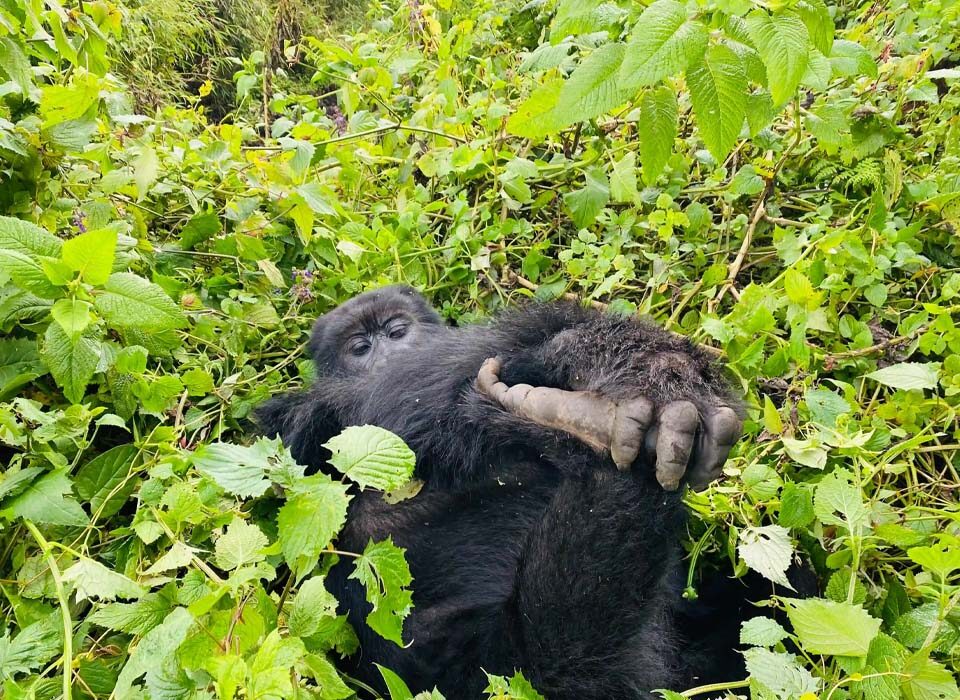
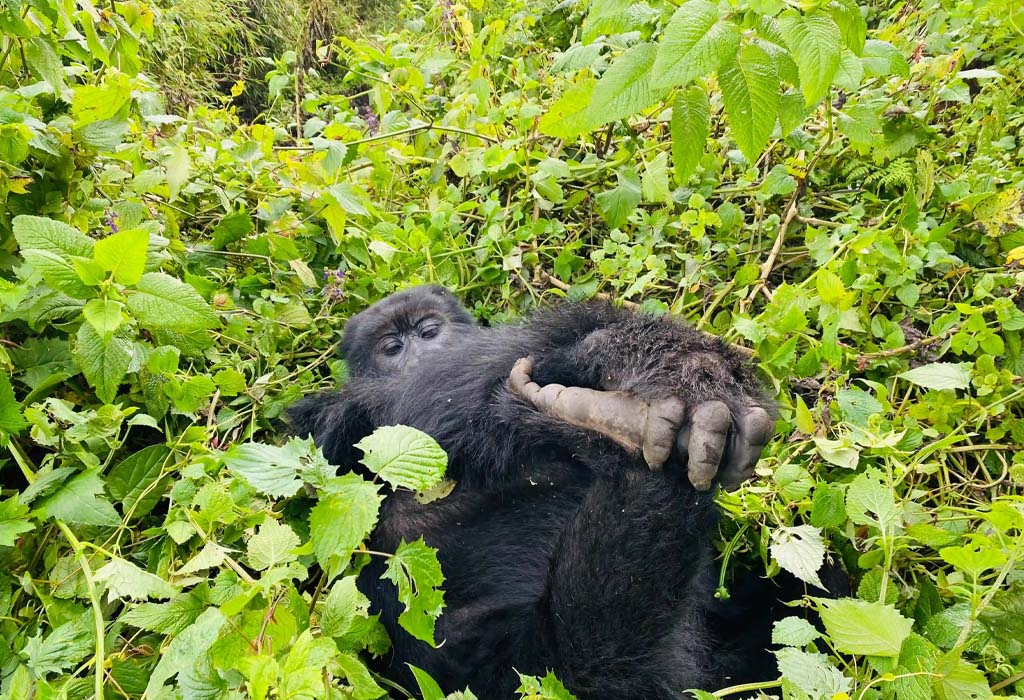
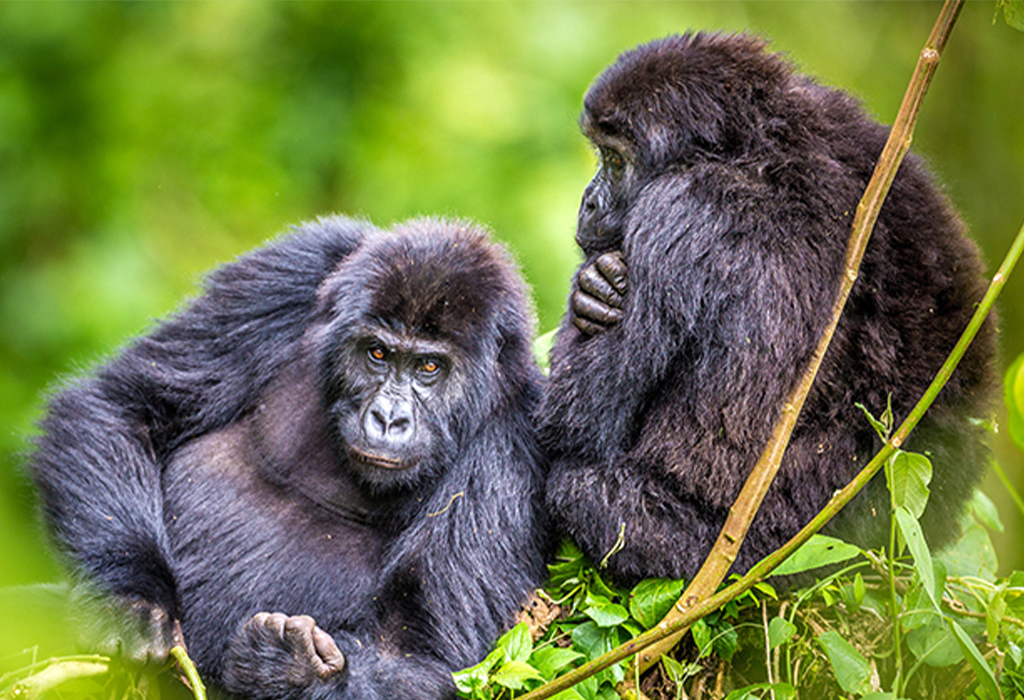
Once located, you can spend up to an hour observing these magnificent creatures in their natural habitat. You will witness the tender bond between mothers and infants, youngsters playing with unrestrained energy, and silverbacks vigilantly protecting their family. Every glance, every movement reveals the complexity and intelligence of these incredible animals.
Mountain gorillas exist only in the wild within the Democratic Republic of Congo (DRC), Rwanda, and Uganda. Uganda alone is home to more than half of the world’s remaining gorillas, primarily in Bwindi Impenetrable National Park and Mgahinga Gorilla National Park. Rwanda’s Volcanoes National Park offers a more managed trekking experience, while the DRC’s Virunga National Park presents a wilder, occasionally riskier option. Because permits are strictly limited to safeguard these creatures, booking well in advance is essential.
Following Chimpanzees: A Lively Adventure
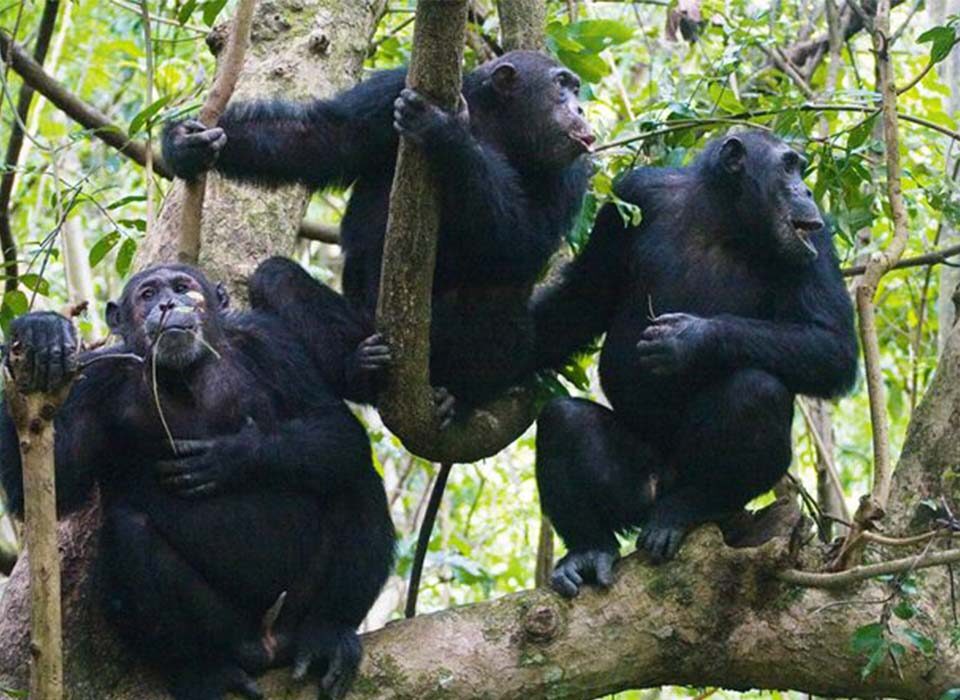
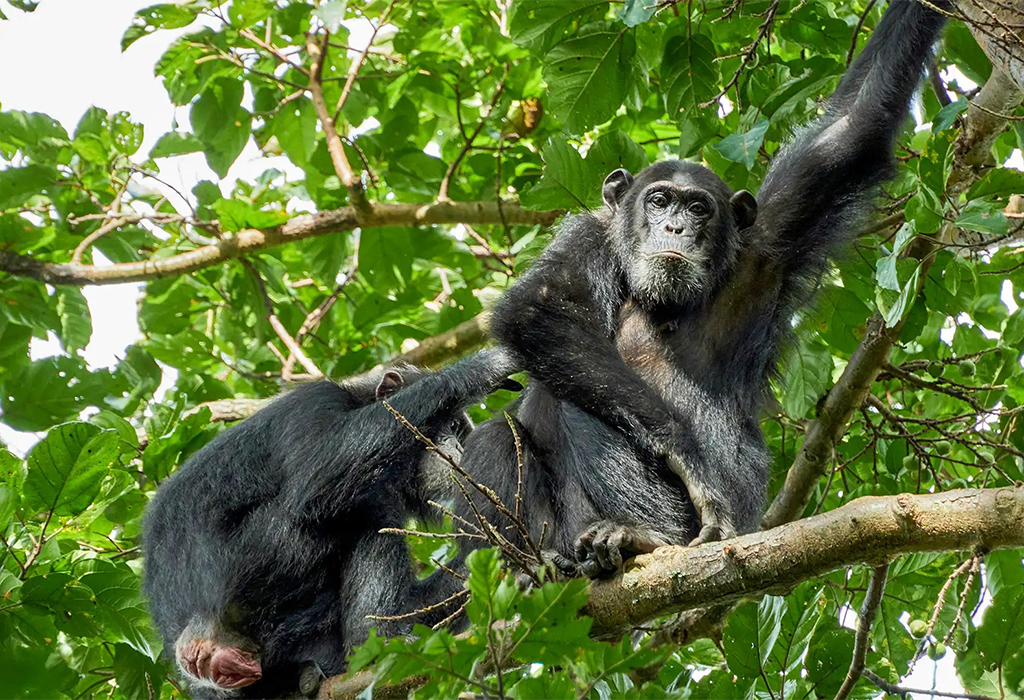
Chimpanzee trekking, in contrast, immerses you in an exuberant display of primate intelligence and social behavior. Chimpanzees, our closest living relatives, live in dynamic communities and are known for their remarkable tool use, problem-solving skills, and playful antics.
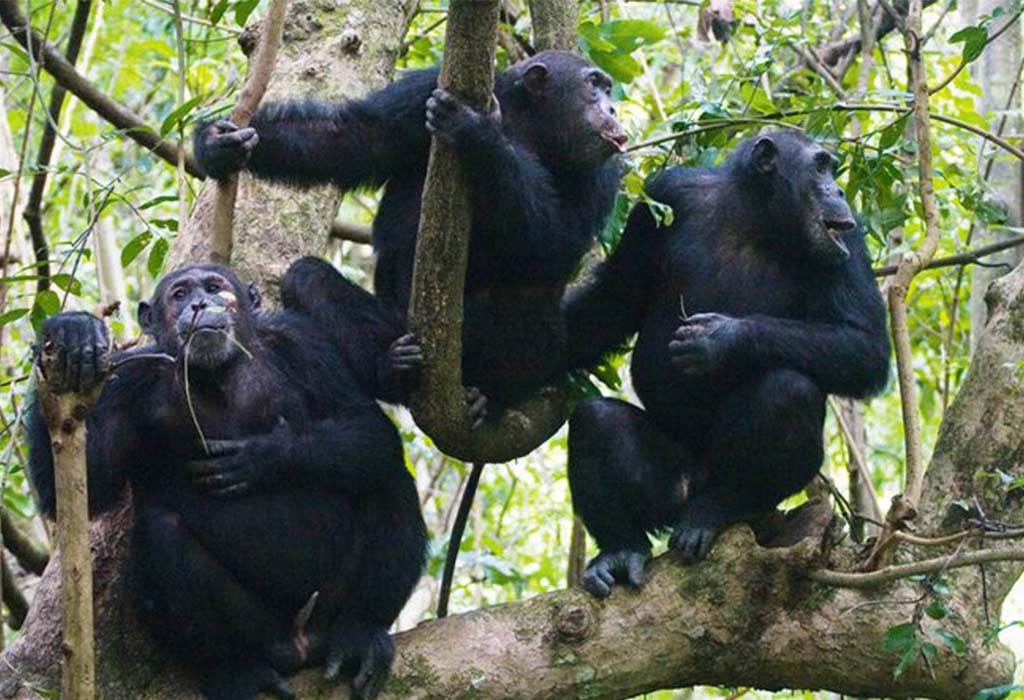
Trekking with chimps involves trailing these curious and energetic animals through tropical jungles. You may observe them hunting, grooming, or constructing nests high in the trees. Unlike the serene atmosphere of gorilla encounters, chimpanzee treks are lively, sometimes noisy, and full of surprises. Typically, treks last two to five hours, allowing ample time to absorb the thrill of seeing our closest relatives at work and play.
Uganda’s Kibale National Park, often called the “Primate Capital of the World,” is a prime destination for chimpanzee trekking. Home to over 1,500 chimpanzees, the park offers rich biodiversity, scenic forest trails, and optional excursions through the Bigodi Wetlands, where birdwatchers can spot over 375 species. Rwanda’s Nyungwe Forest National Park and Tanzania’s Mahale Mountains National Park also provide exceptional chimp trekking experiences in more remote settings.
Why Combine Gorilla and Chimpanzee Treks on One Safari?
Combining these two extraordinary encounters elevates your safari from remarkable to life-changing. Chimpanzees offer playful energy, while gorillas provide a calm, contemplative presence. Experiencing both highlights the incredible diversity of primate behavior and deepens your understanding of our evolutionary kinship.
Uganda, in particular, is ideal for this combined safari. Its parks are easily accessible by road or charter flight, allowing you to maximize your time in the wild. Adding a gorilla and chimpanzee trek to a safari that includes cultural experiences, game drives, and boat excursions like on the Kazinga Channel in Queen Elizabeth National Park creates a well-rounded, immersive adventure.
Beyond convenience, your participation directly contributes to conservation. Trekking fees support anti-poaching initiatives, habitat protection, and local communities, helping ensure that these incredible species continue to thrive.
Best Locations for a Combined Gorilla and Chimpanzee Trek
Uganda: The Primate Paradise
Uganda offers unparalleled access to both gorillas and chimpanzees. Bwindi Impenetrable National Park guarantees sightings of mountain gorillas, while Kibale National Park provides a lively chimpanzee experience. The proximity of these parks allows for seamless travel, either by scenic drive or short charter flight.
Adding visits to Queen Elizabeth National Park and the Kazinga Channel enhances your safari with lions, elephants, and hippos, creating a complete wildlife and cultural immersion.
Rwanda: Luxury and Efficiency
Rwanda combines comfort with adventure. Volcanoes National Park provides accessible gorilla treks along well-maintained trails with spectacular volcanic scenery. Nyungwe Forest National Park offers pristine chimpanzee encounters and a variety of other primates, including golden monkeys. Rwanda’s lodges and services lean toward luxury, making it an efficient option for those seeking shorter treks and premium experiences.
Other Options
For more intrepid travelers, Tanzania’s Mahale Mountains and the DRC’s Virunga National Park offer alternative combined trekking experiences. These are less frequented, creating a sense of true wilderness, though logistics and safety considerations may be more challenging.
Planning Your Safari: Costs and Logistics
Budgeting for a combined trek requires understanding permit and accommodation fees. Gorilla permits are the largest cost (Uganda: $800 per person; Rwanda: $1,500 per person), while chimpanzee permits range from $100 to $250 depending on the country. Lodging can vary widely, from $100 per night in basic lodges to $500+ for luxury accommodations. Transportation, including charter flights or 4×4 rentals, adds another $150–500 per day.
Preparation is essential. Treks often involve steep trails and elevations up to 9,600 feet, so a moderate level of fitness is recommended. Vaccinations and malaria prophylaxis are advised, and if you are unwell, it is best to postpone trekking to protect the primates from human-borne illnesses.
Bring sturdy hiking boots, gaiters, rain gear, insect repellent, binoculars, a zoom lens, water, snacks, and neutral-colored clothing to blend into the forest. During treks, follow your ranger’s instructions, maintain a respectful distance of seven meters, and avoid flash photography. Hiring a local porter not only eases the trek but supports the community.
Conservation Matters: Why Your Trek Makes a Difference
Mountain gorillas and chimpanzees have faced habitat loss, poaching, and disease. Tourism has played a crucial role in their recovery. In Uganda, the gorilla population has grown from 650 in 2006 to over 1,000 today, thanks to responsible trekking. Your participation directly funds anti-poaching programs, supports local communities, and helps protect these species for generations to come.
Begin Your Safari Adventure
So yes, you can go on a trekking safari that includes both chimpanzees and gorillas. Uganda is the most accessible and rewarding place to experience this primate doubleheader. The adventure begins long before you enter the forest, with knowledgeable guides, breathtaking scenery, and life-changing encounters that linger in your memory.
With Experiya Tour Company, you can plan your journey with care, secure permits well in advance, and experience the magic of Africa’s great apes firsthand. From the joyful chaos of chimpanzees to the soul-stirring gaze of a silverback, this safari is more than a trip—it’s an encounter with our closest evolutionary relatives. Reserve your gorilla and chimpanzee trekking safari today, and prepare for an adventure that will stay with you forever.