
Best 5 Gorilla Trekking Inspirations for First-Timers
February 19, 2026
Weather and Climate in Queen Elizabeth National Park
February 19, 2026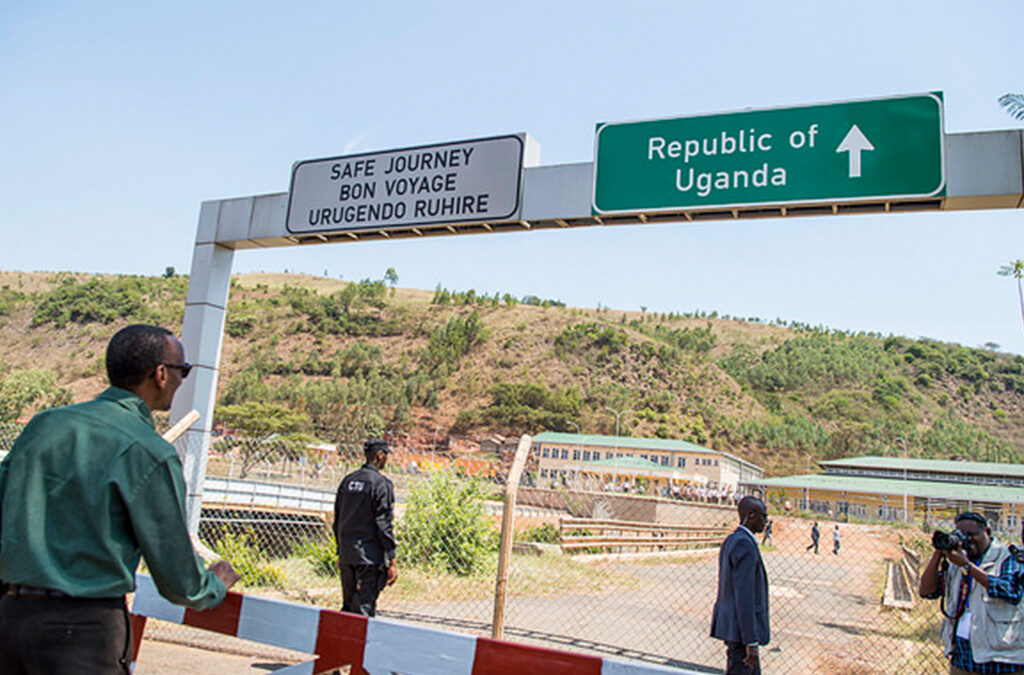
Crossing the border from Rwanda to Uganda for gorilla trekking is a popular choice for travelers who want to combine Kigali’s modern infrastructure with Uganda’s more budget-friendly gorilla permit prices. This journey transforms a simple transit into a scenic road trip, moving from Rwanda’s “Land of a Thousand Hills” to Uganda’s “Pearl of Africa.”
Here’s everything you need to know to make your border crossing smooth and your gorilla trekking adventure unforgettable.
Planning the Logistics of Your Border Crossing
To move from Rwanda to Uganda for your trek, you must navigate the customs and immigration protocols of both countries. The most efficient route starts at Kigali International Airport. From there, it’s approximately a four- to five-hour drive to Bwindi Impenetrable National Park or Mgahinga Gorilla National Park in Uganda.
Required Documents
The key document is the East African Tourist Visa. Priced at $100 USD, it allows multiple entries into Rwanda, Uganda, and Kenya, making it much cheaper and more convenient than separate visas. You must apply for this visa through the consulate of the country serving as your first point of entry. If flying into Kigali, you apply through the Rwanda Directorate General of Immigration and Emigration.
In addition to your passport and visa, you must carry a valid Yellow Fever Vaccination Certificate, which is mandatory for entry into Uganda. Border officials will check this before you can proceed to the visa counter. Finally, have your gorilla trekking permits printed and ready. In Uganda, permits currently cost $800 USD per person, compared to Rwanda’s $1,500 USD, and showing your permit confirmation can justify your travel plans to immigration officers.
Choosing Your Border: Cyanika vs. Gatuna
The border you choose depends on which gorilla trekking sector you are visiting.
- Cyanika Border: Located in the southwest near Musanze, this crossing is ideal for trekkers heading to Rushaga or Nkuringo sectors of southern Bwindi or Mgahinga Gorilla National Park. From Cyanika, the drive to southern Bwindi is short, typically one to two hours, depending on road conditions.
- Gatuna (Katuna) Border: This main crossing connects Kigali to Kabale and suits travelers heading to the Ruhija or Buhoma sectors of Bwindi. Roads on the Ugandan side are paved and well-maintained, offering a smooth journey into the heart of the Kigezi highlands.
A Suggested Four-Day Gorilla Trekking Itinerary
Day One: Arrival in Kigali and Transfer to Uganda
After landing at Kigali International Airport and clearing customs, meet your driver guide. If time allows, visit the Kigali Genocide Memorial to gain insight into Rwanda’s history. After lunch, begin the scenic three-hour drive to the border. Crossing in the late afternoon, you’ll transition from Rwanda’s rolling hills to Uganda’s steep, terraced mountains. Check into your lodge in Bwindi for dinner and an early night, resting up for the trek ahead.
Day Two: The Gorilla Trekking Experience
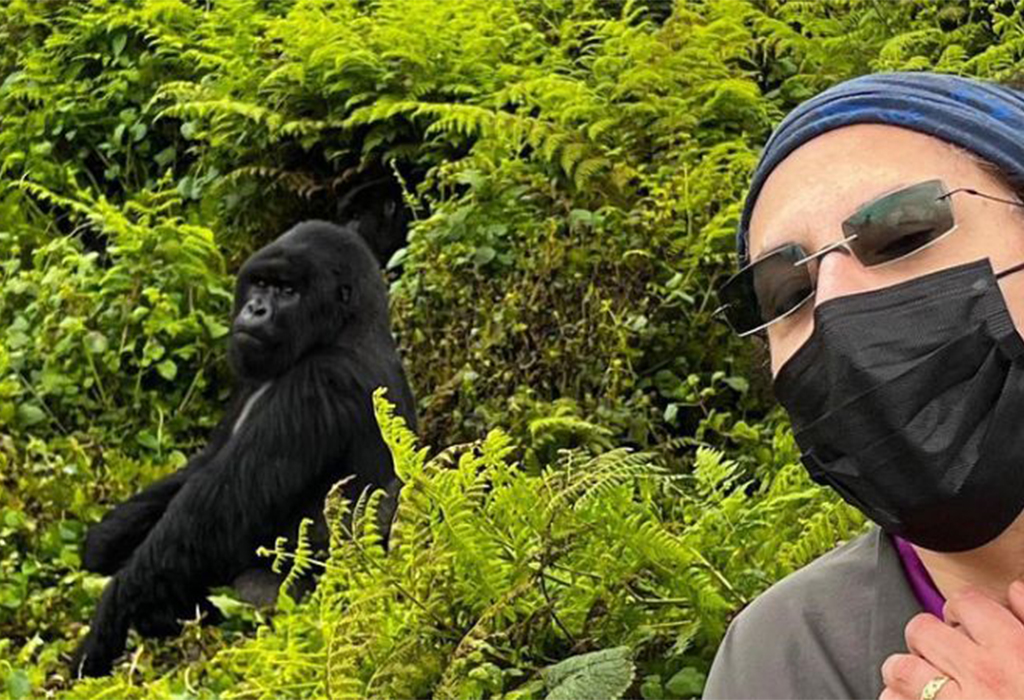
Wake up early for a 7:30 AM briefing at the park headquarters. Rangers divide trekkers into groups of eight, assigning each a habituated gorilla family. Treks can last anywhere from two to seven hours depending on the gorillas’ location the previous night. Once you find your family, enjoy one hour of observation from about ten meters away. Watch them feed, play, and groom each other before returning to headquarters for your trekking certificate. End the day at your lodge with a relaxed evening.
Day Three: Cultural Immersion or Batwa Trail
After the intensity of the trek, explore the local community. You can join the Batwa Cultural Experience, where indigenous “People of the Forest” demonstrate how they lived before the national park existed. Alternatively, take a guided village walk to visit a traditional healer, a primary school, or a community banana beer brewery. This experience highlights how tourism supports conservation and local livelihoods.
Day Four: Return Transfer to Kigali
After breakfast, start the journey back across the border. Keep your East African Tourist Visa ready for re-entry into Rwanda. The drive through scenic highlands brings you to Kigali by early afternoon, giving you time for last-minute souvenirs at Kimironko Market or a final coffee at a local café before your flight
Best Time to Visit
Timing affects both your trekking experience and border crossing ease.
- Dry Seasons (June–August and December–February): Trails are less slippery, and rain is minimal. These months are peak season, so book permits at least six months in advance.
- Rainy Seasons (March–May and September–November): The forest is lush, and lodges may offer discounts. Trekking is more physically demanding, and a sturdy 4×4 is essential as dirt roads can become challenging.
Essential Packing List
To handle both the border crossing and jungle trekking, pack the following:
- Long trousers and long-sleeved shirts – protection from nettles and insects
- Waterproof hiking boots with ankle support – non-negotiable for steep terrain
- Gardening gloves – for holding branches and vines without scratches
- Rain poncho – sudden showers are common, even in dry seasons
- Waterproof bags – safeguard your camera and passport
Currency and Connectivity
While Rwanda uses the Rwandan Franc (RWF) and Uganda uses the Ugandan Shilling (UGX), US Dollars are widely accepted in both countries for tourism activities. Ensure your bills are printed after 2006 and in good condition, as older or torn notes are often rejected.
For connectivity, buy a local SIM card at the border or in Kigali. MTN and Airtel offer the best coverage in mountainous regions. Most lodges provide Wi-Fi in common areas, though signals may be intermittent.
Final Considerations
Always confirm border operating hours. While Gatuna and Cyanika are generally open 24 hours, smaller crossings may close at night. Crossing during daylight is safer, especially on winding mountain roads.
By following these border crossing basics, your transition from Rwanda’s efficiency to Uganda’s wild beauty will become a seamless and unforgettable part of your African adventure. Experiya Tour Company can assist in planning your gorilla trekking journey from Kigali and guide you through all border crossing logistics.
