Why Gorilla Trekking Permits Are Required in Rwanda
February 10, 2026
Wildlife Education Activities for Children on Safari
February 11, 2026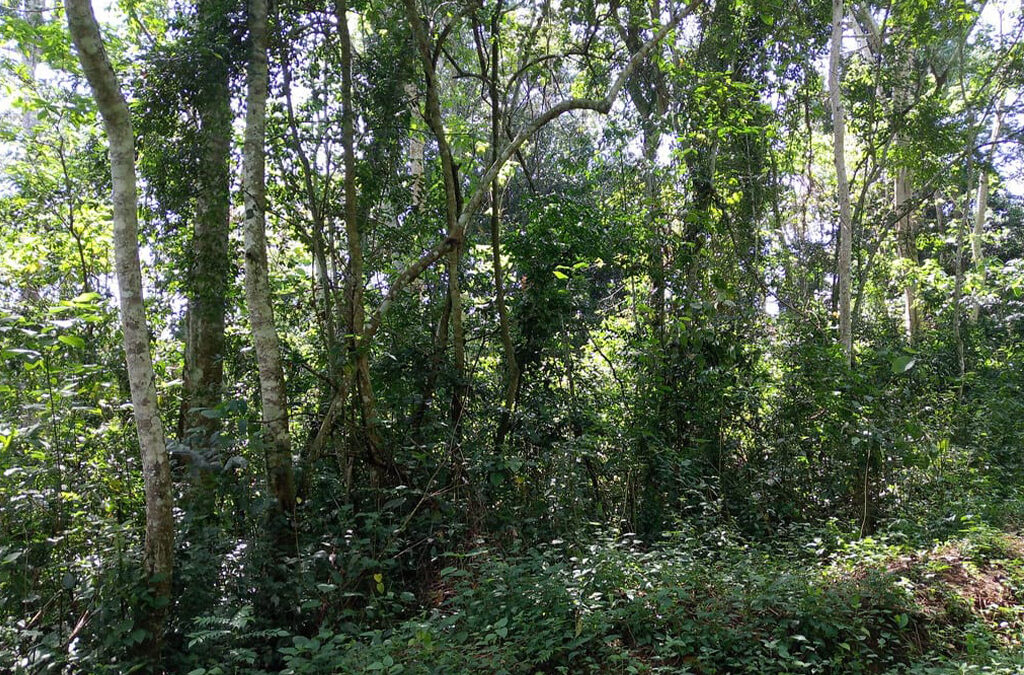
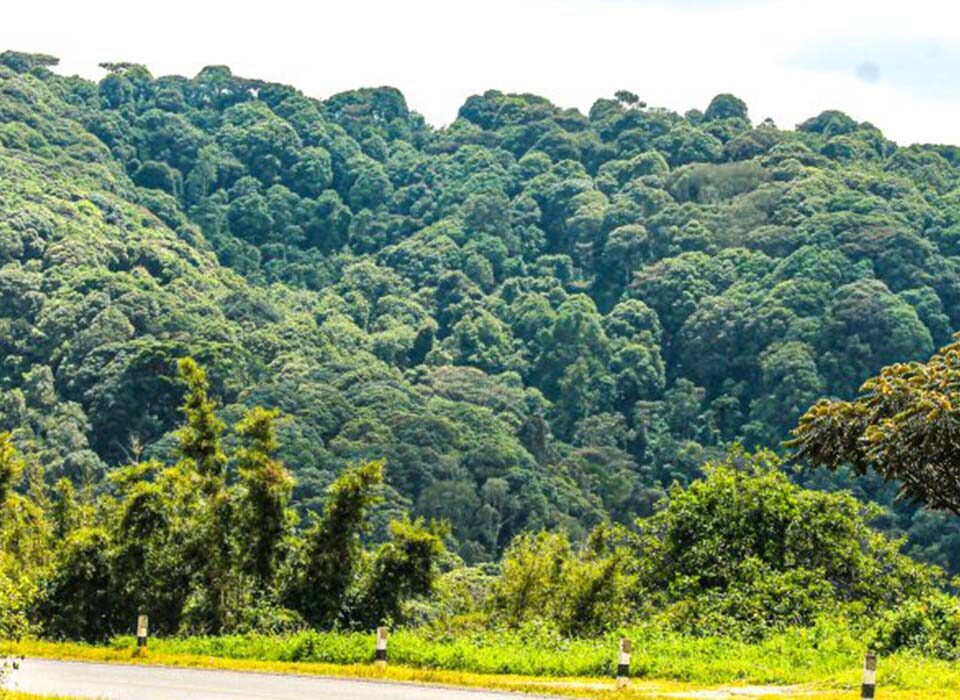
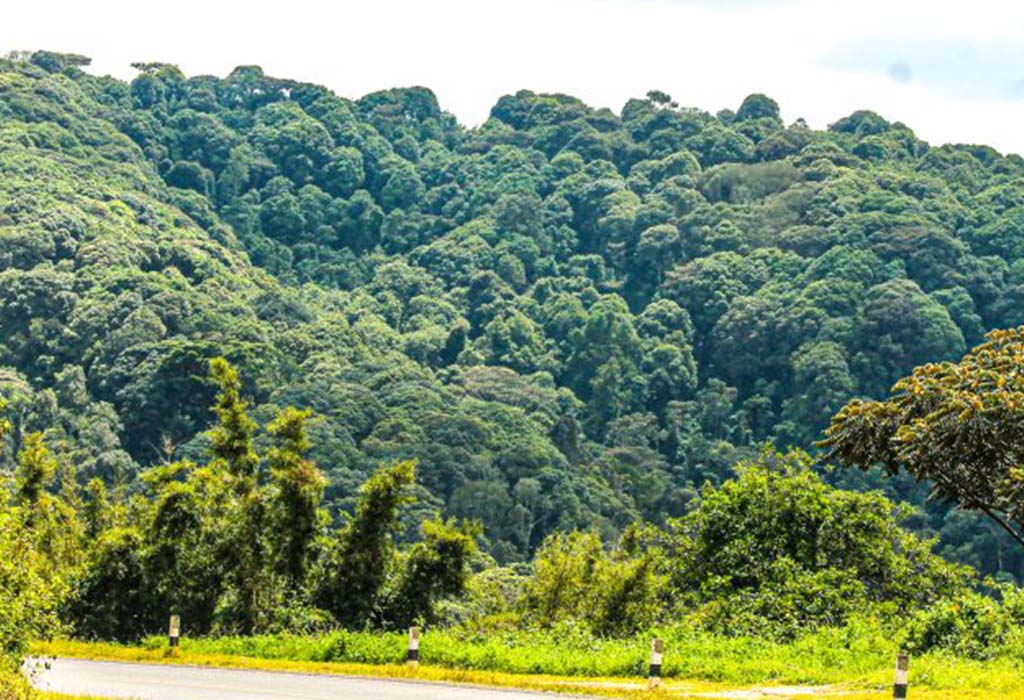
Mabira Forest is one of Uganda’s most accessible and rewarding birding destinations. Nestled between Kampala and Jinja, this vast tropical rainforest offers travelers a unique chance to encounter Uganda’s rich birdlife without venturing deep into remote national parks. Planning a birding safari here requires thoughtful preparation, as forest birding differs greatly from savannah or wetland experiences it rewards patience, careful observation, and expert guidance.
Understanding Mabira’s Birding Appeal
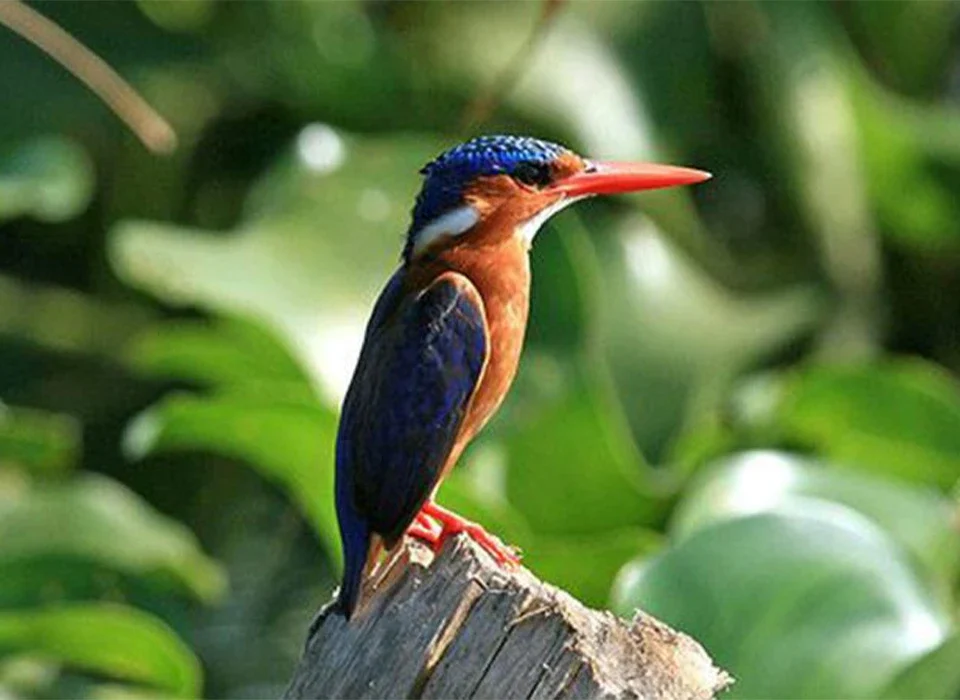
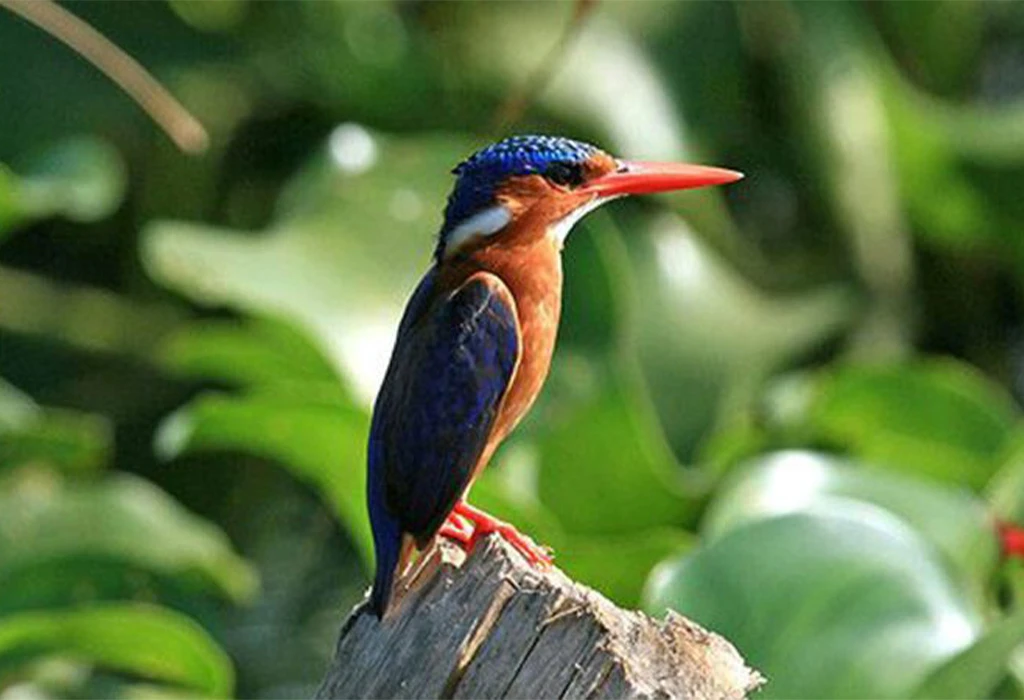
Mabira Forest hosts over 300 recorded bird species, including forest specialists and regional endemics. Its dense canopy, swampy valleys, and forest edges create diverse habitats, each supporting a wide variety of birds. Unlike open landscapes where birds are easily spotted, forest birding relies heavily on listening to calls, watching subtle movements in the foliage, and understanding daily activity patterns.
This makes preparation essential for a successful and enjoyable safari. Knowing when and where to look and having the right guidance can dramatically enhance your experience.
Choosing the Best Time to Visit
Birding in Mabira Forest is possible year-round, but certain periods offer distinct advantages.
-
Dry months: Trails are easier to navigate, walking conditions are comfortable, and forest access is simpler.
-
Wet months: Lush vegetation and increased insect activity attract breeding birds and migratory species. Though trails can be muddy, bird diversity and activity are at their peak.
No matter the season, early mornings are the most productive time for birding. Birds are more vocal and active shortly after sunrise, so planning your day around these hours significantly improves your chances of memorable sightings.
The Importance of a Local Birding Guide
Hiring an experienced local birding guide is one of the smartest steps you can take. Forest birds are often heard before they are seen, and guides can identify species by call and subtle movement.
Their knowledge of territories, nesting sites, and seasonal behaviors ensures you spot more birds in less time. Guides also navigate forest trails efficiently, taking you to the most productive areas while explaining the forest’s ecology and the vital role birds play in it.
Preparing for Forest Birding Conditions
Forest birding requires a different approach than game drives or wetland excursions. To make the most of your experience:
-
Footwear: Wear comfortable shoes with good grip for uneven or slippery trails.
-
Clothing: Choose neutral-colored clothes to avoid disturbing wildlife, and pack lightweight rain gear even during drier months.
-
Equipment: Binoculars with strong low-light performance are essential, as the forest interior can be dim.
-
Mindset: Practice patience. Forest birds often appear briefly, so spending more time in one spot typically yields better results than moving quickly.
Structuring Your Birding Safari Experience
A successful birding safari in Mabira Forest emphasizes slow, deliberate exploration. Walk established trails, visit forest edges, and explore swampy areas where bird activity is highest.
Revisiting the same spots over one or two days can be surprisingly productive, as different species become active at different times. Combining early morning birding with a midday break and a short afternoon session allows you to observe changing behaviors without fatigue. This rhythm suits both serious birders and casual nature enthusiasts.
Combining Birding with Other Experiences
Mabira Forest’s location makes it easy to combine birding with other activities. Nature walks, butterfly watching, and visits to nearby cultural or recreational sites complement a birding-focused itinerary.
Its accessibility also allows for inclusion at the start or end of a longer Uganda safari, providing a gentle yet enriching introduction to the country’s extraordinary birdlife.
Practicing Responsible Birding
A birding safari in Mabira Forest is also an opportunity to support conservation. The forest faces pressures from human activity, and responsible tourism helps protect it.
-
Follow your guide’s instructions.
-
Stay on trails.
-
Avoid misuse of bird calls.
-
Respect wildlife.
Supporting local guides and services contributes directly to conservation and helps preserve the forest for future generations.
- Making the Most of Mabira Forest
Birding in Mabira Forest is less about ticking off species on a list and more about immersing yourself in the forest’s sounds, rhythms, and hidden beauty. With careful planning, the right timing, and expert guidance, Mabira offers an intimate and rewarding birding experience.
For anyone seeking a forest-focused adventure that is accessible, enriching, and deeply memorable, Mabira Forest stands out as a destination where patience and preparation are richly rewarded.