
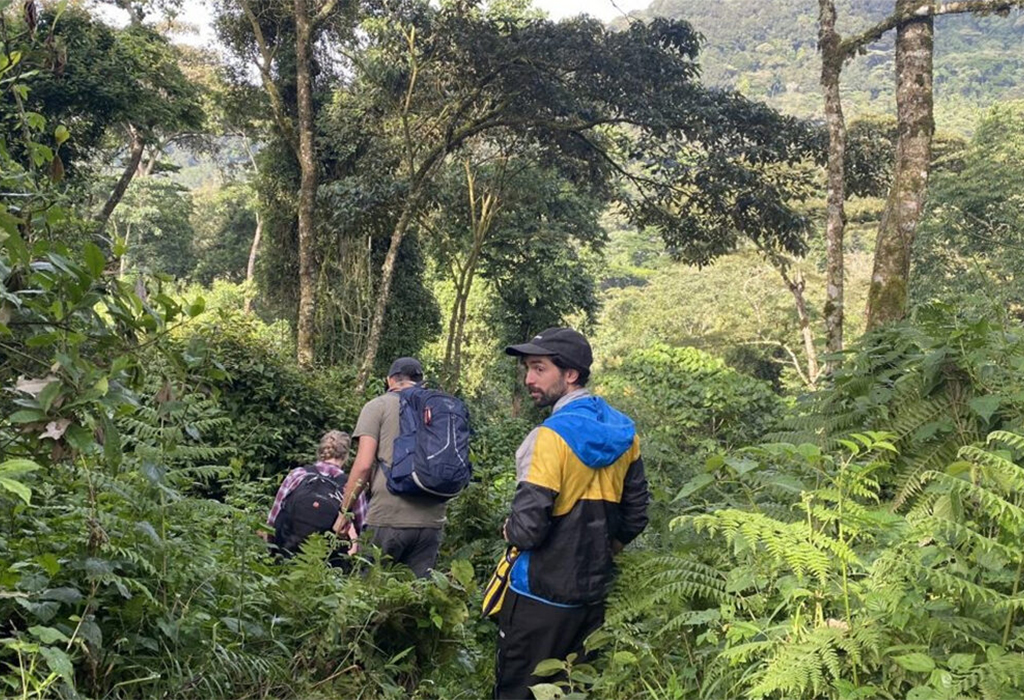
One-Day Nature Walk to Bayenda Waterfalls in Bwindi Impenetrable National Park
January 30, 2026
What Languages Are Spoken in Rwanda and Uganda?
January 31, 2026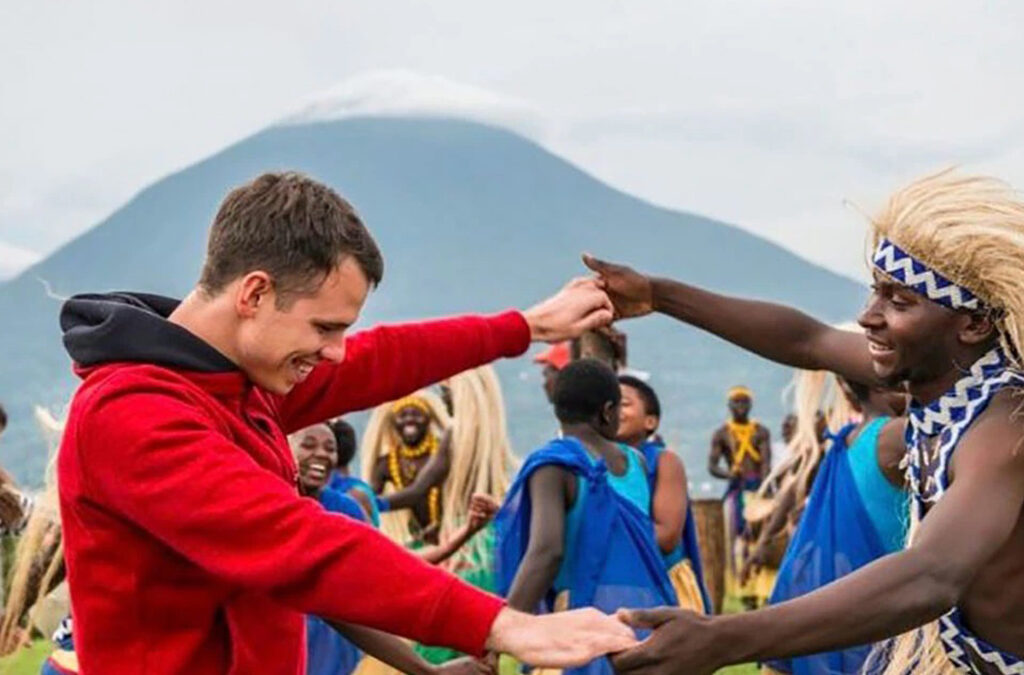
Uganda and Rwanda, two remarkable East African nations nestled within breathtaking landscapes and the Great Lakes region, offer a deep and colorful cultural heritage waiting to be discovered. Although many travelers come for wildlife safaris and gorilla trekking, cultural tours reveal an equally powerful side of these destinations one shaped by tradition, resilience, music, art, and strong community bonds.
Through well-curated cultural experiences, visitors connect directly with local people, gain insight into their history, and witness traditions that have been passed down through generations. From royal legacies and ceremonial dances to village life and storytelling, cultural tours in Uganda and Rwanda go far beyond ordinary sightseeing.
Cultural Diversity in Uganda and Rwanda
To begin with, both countries are home to diverse ethnic communities whose customs enrich the region’s cultural fabric.
In Rwanda, cultural identity reflects a strong sense of unity rooted in shared language and traditions. This identity is further shaped by an ancient monarchy and a powerful journey of resilience following tragic historical events. In contrast, Uganda’s cultural landscape is broader and more varied. Groups such as the Baganda, Bakiga, Basoga, Banyankole, and Batwa each express their heritage through distinctive music, dance, crafts, and oral traditions.
Together, Bantu, Nilotic, and Indigenous forest communities form a vibrant cultural mosaic that visitors can experience firsthand through guided cultural encounters organized by operators such as Experiya Tour Company.
What to Expect on a Cultural Safari in Uganda and Rwanda
A cultural safari offers an immersive journey into everyday life, traditional values, and artistic expression. As you move through villages and cultural centers, you will hear the rhythmic beat of drums, watch energetic dance performances, and listen to stories shared by elders and community guides.
In addition, visits to homesteads provide insight into farming practices, family structures, and traditional lifestyles. Meanwhile, colorful markets and artisan workshops create opportunities to admire handmade crafts while learning directly from local creators.
Equally important, food plays a central role in the cultural experience. From tasting Rwandan brochettes to enjoying Uganda’s famous Rolex, local flavors add depth to every encounter. By participating in ceremonies, music sessions, and community celebrations, travelers form meaningful connections and develop a deeper appreciation of each country’s heritage.
Cultural Safari Experiences in Rwanda
Royal Palace Visit (Nyanza)
To start your Rwandan cultural journey, visit the Royal Palace in Nyanza. This historic site offers valuable insight into Rwanda’s traditional monarchy. As you explore the grounds, you’ll see royal artifacts, traditional architecture, and learn how kings once ruled and lived.
Imigongo Art Workshops
Next, experience Rwanda’s unique Imigongo art, a traditional painting technique made using cow dung and natural pigments. During hands-on workshops, local artists guide you through the process, allowing you to create your own artwork while understanding the cultural meaning behind each design.
Traditional Dance and Music
In addition, enjoy captivating cultural dance performances accompanied by traditional instruments such as the inanga. Through graceful movements and vibrant costumes, performers narrate stories of Rwanda’s history, values, and celebrations.
Village and Community Tours
Visiting rural communities offers a closer look at everyday Rwandan life. You can interact with residents, explore traditional homes, and learn about agriculture, family life, and long-held customs.
Genocide Memorial Sites
Although emotionally challenging, visits to genocide memorial sites such as those in Kigali provide essential historical context. These visits help travelers understand Rwanda’s painful past while highlighting its remarkable journey toward reconciliation and unity.
Local Markets
Finally, a walk through local markets introduces you to Rwanda’s lively trade culture. Here, you can shop for handmade crafts, fabrics, and souvenirs while observing negotiation traditions and everyday interactions among vendors.
Cultural Safari Experiences in Uganda
Kasubi Tombs
One of Uganda’s most significant cultural landmarks is the Kasubi Tombs, a UNESCO World Heritage Site. Serving as the burial grounds for kings of the Buganda Kingdom, this sacred place offers insight into traditional leadership, spiritual beliefs, and architectural heritage.
Traditional Dance and Music Performances
Across the country, cultural performances showcase energetic dances, storytelling, and live music from different regions. Each performance reflects the values, history, and rhythm of a specific community.
Cultural Dance Workshops
For a more interactive experience, visitors can take part in dance workshops to learn traditional dances such as Bakisimba. Guided by local dancers and musicians, these sessions provide hands-on cultural engagement.
Guided Village Walks
Meanwhile, guided village walks allow travelers to observe daily life up close. You’ll learn about farming methods, food preparation, and traditional crafts while interacting directly with local families.
Batwa Cultural Experience
In southwestern Uganda, you can meet the Batwa community and learn about their former hunter-gatherer lifestyle. Through storytelling, demonstrations, and shared activities, they offer valuable insight into their traditions and deep connection to the forest.
Storytelling and Oral History
Traditional storytelling sessions led by elders reveal myths, legends, and historical events from Uganda’s many ethnic groups. These narratives preserve cultural knowledge and bring history vividly to life.
Handicraft Markets
Additionally, craft markets offer opportunities to purchase handmade jewelry, baskets, wood carvings, and artwork. Buying directly from artisans supports local livelihoods and helps preserve traditional skills.
Traditional Music Workshops
Music workshops introduce visitors to indigenous instruments such as drums and xylophones. These interactive sessions explain the role of music in ceremonies, celebrations, and community life.
Best Time to Plan a Cultural Safari in Uganda and Rwanda
Generally, the best time to plan a cultural safari in both countries is during the dry seasons, when travel conditions are favorable and outdoor activities are more enjoyable.
June to September
This is the main dry season and ideal for village visits, cultural events, and combining cultural tours with wildlife safaris. The weather is pleasant, with lower humidity and minimal rainfall.
December to February
This shorter dry season also offers excellent conditions. Landscapes remain green, temperatures are comfortable, and cultural festivals are easier to attend.
Final Thoughts
In conclusion, a cultural safari in Uganda or Rwanda goes beyond observation it invites participation, understanding, and genuine connection. Whether you are exploring royal history, learning traditional dances, sharing meals with local families, or listening to ancestral stories, each experience reveals the soul of these nations.
For travelers seeking authenticity and meaningful encounters, cultural tours in Uganda and Rwanda carefully arranged by specialists such as Experiya Tour Company uncover hidden treasures and leave lasting impressions rooted in humanity, heritage, and hope.
