
Village Walk Experiences in Uganda: A Journey into Local Life
January 20, 2026
The best time to visit Rushaga Sector for Gorilla Trekking
January 20, 2026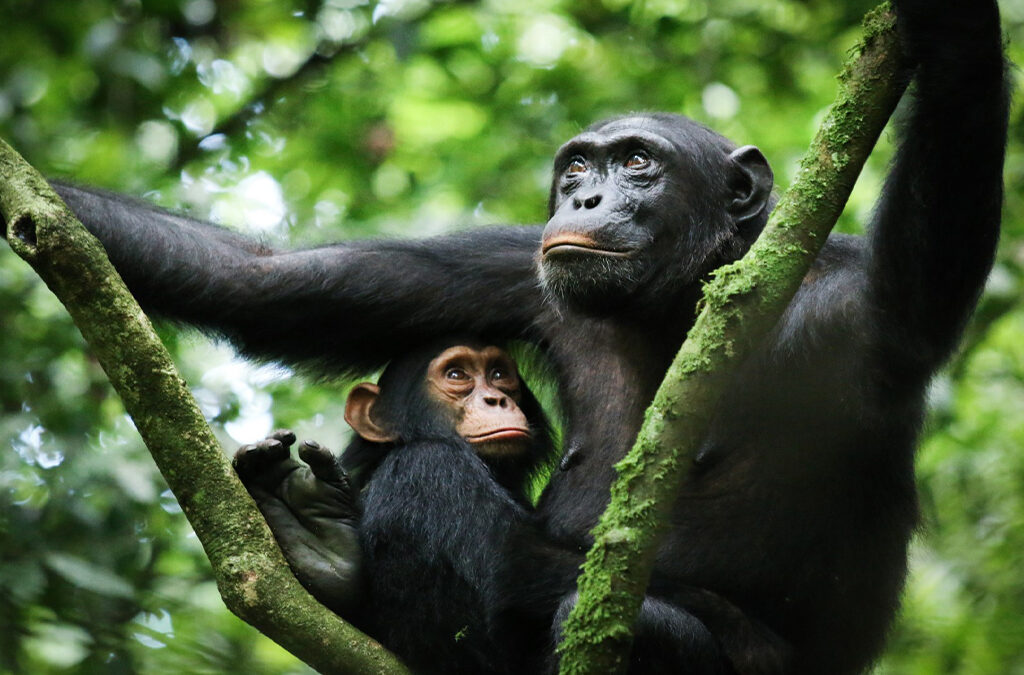
Nestled in the rolling hills of western Uganda, Kibale Forest National Park is often called Africa’s Primate Capital. Covering nearly 800 square kilometers, this lush rainforest is renowned for its exceptional primate encounters and is home to the highest diversity and density of primates in East Africa. Wildlife enthusiasts flock here to witness over 1,500 chimpanzees thriving in their natural habitat, making Kibale one of the most rewarding destinations for a Uganda safari. The park offers experiences that few places in the world can match.
Yet, Kibale’s appeal goes far beyond chimpanzees. Towering tropical hardwoods shelter forest elephants, rare antelopes, and more than 375 bird species, creating a paradise for both wildlife lovers and birdwatchers. Beyond its rich wildlife, Kibale stands as a global model for eco-tourism and conservation, successfully balancing visitor experiences with forest protection. Many travelers combine a visit to Kibale with iconic destinations such as Queen Elizabeth National Park and Bwindi Impenetrable Forest, crafting a safari itinerary that is both diverse and unforgettable. Whether your interest lies in photography, primate research, or cultural exploration, Kibale offers an intimate window into Uganda’s natural and cultural heritage.
Where Is Kibale Forest Located?
Kibale Forest National Park lies approximately 320 kilometers from Kampala, Uganda’s bustling capital. By road, the journey takes about 7 to 8 hours, winding through scenic hills, tea plantations, and rural villages. For travelers with limited time, charter flights from Entebbe International Airport or Kajjansi Airfield can land at nearby Fort Portal or Kasese, convenient gateways to the park.
Kibale sits at the heart of Uganda’s famous safari circuit. To the south lies Queen Elizabeth National Park, famous for tree-climbing lions and boat safaris along the Kazinga Channel. Southwest, Bwindi Impenetrable Forest shelters the endangered mountain gorillas, while the Rwenzori Mountains National Park to the north showcases snowcapped peaks. Nearby Semuliki National Park is home to hot springs and unique Congo Basin forest species. This central location makes Kibale easy to include in multi-destination safari itineraries, allowing visitors to combine chimpanzee trekking with other unforgettable experiences.
Primate Diversity in Kibale Forest
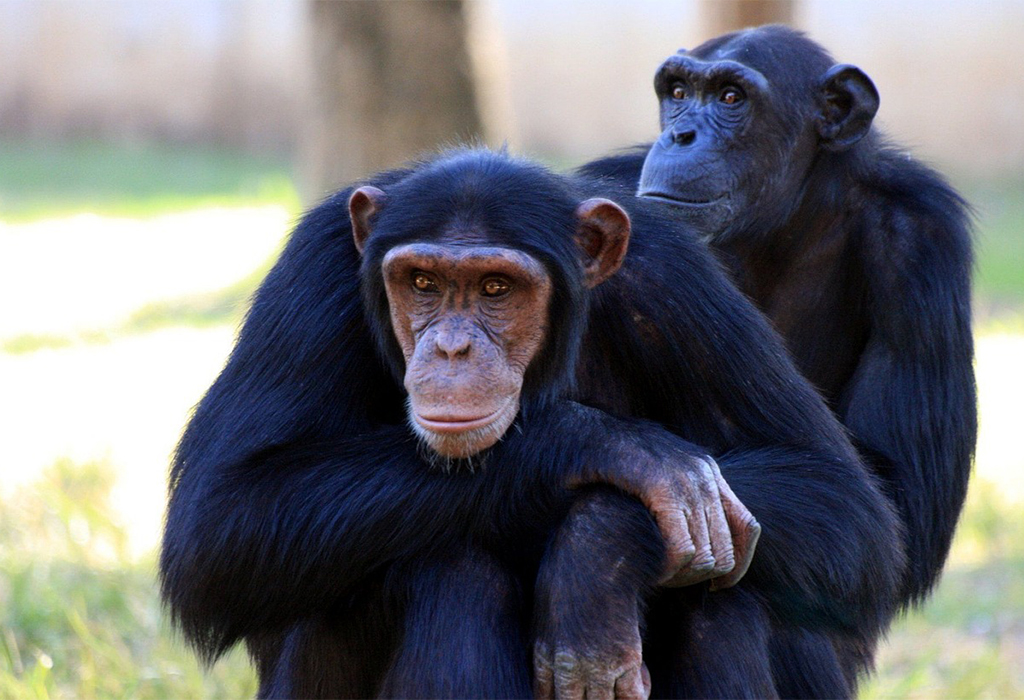
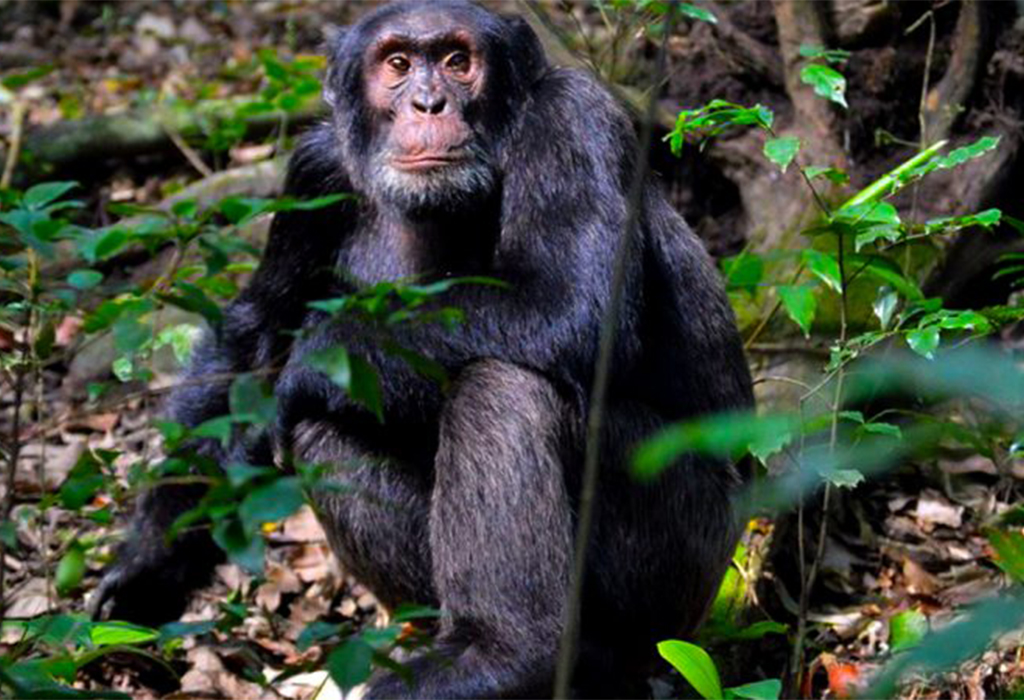
Kibale Forest hosts an extraordinary 13 primate species the highest number in East Africa. Chimpanzees dominate, with over 1,500 individuals living freely in the dense rainforest. Guided treks offer reliable sightings of these intelligent animals, giving visitors an unforgettable wildlife experience.
Beyond chimpanzees, the forest is alive with red colobus monkeys, L’Hoest’s monkeys, blue monkeys, and black-and-white colobus monkeys, adding color and motion to the forest canopy. Vervet monkeys, olive baboons, and the endemic Uganda mangabey are commonly spotted, while nocturnal species such as the potto and Demidoff’s galago provide rare glimpses during night walks.
This incredible primate diversity positions Kibale as the premier destination for primate trekking in Uganda. Each visit supports conservation and research efforts, connecting travelers to the forest’s wildlife heritage in a meaningful way.
Chimpanzee Trekking and Habituation
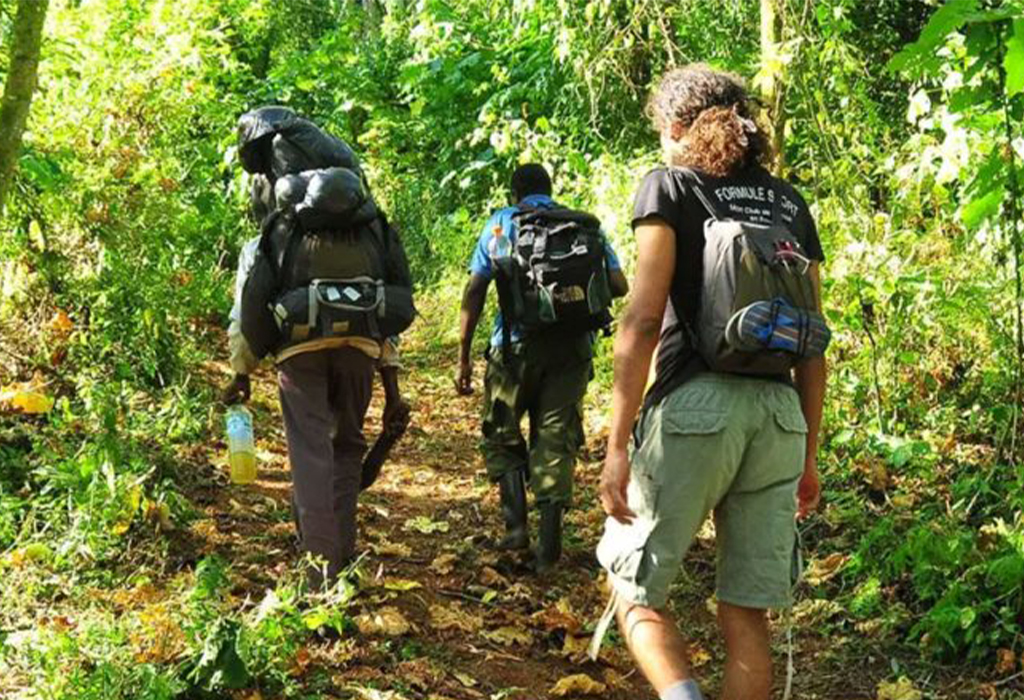
Chimpanzee trekking is undoubtedly the highlight of any visit to Kibale. Treks begin early, with guides providing briefings about forest safety and chimpanzee behavior. Groups then follow trails through lush greenery, accompanied by the calls of birds and the distant pant-hoots of chimpanzees. Treks can last 2–5 hours, culminating in a one-hour observation session with the chimpanzees once they are located.
For a more immersive experience, the Chimpanzee Habituation Experience (CHEX) allows travelers to spend up to four hours with a community of chimpanzees as they gradually adjust to human presence. This offers an unparalleled opportunity to observe primate social dynamics and behaviors up close.
Trekking permits are limited to protect both the animals and their habitat. Securing a permit ensures responsible wildlife tourism while contributing to ongoing conservation efforts. This careful management has helped Kibale become a global model for sustainable eco-tourism.
Wildlife Beyond Primates
Kibale’s richness extends well beyond primates. Forest elephants roam the dense undergrowth alongside buffaloes and giant forest hogs. Antelopes, such as bushbucks and duikers, move quietly through the shadows, while elusive predators like the African golden cat occasionally make appearances. Reptiles, amphibians, and a dazzling array of butterflies further enrich the forest’s magic, making every trek a journey of discovery for wildlife enthusiasts.
Birdlife in Kibale Forest
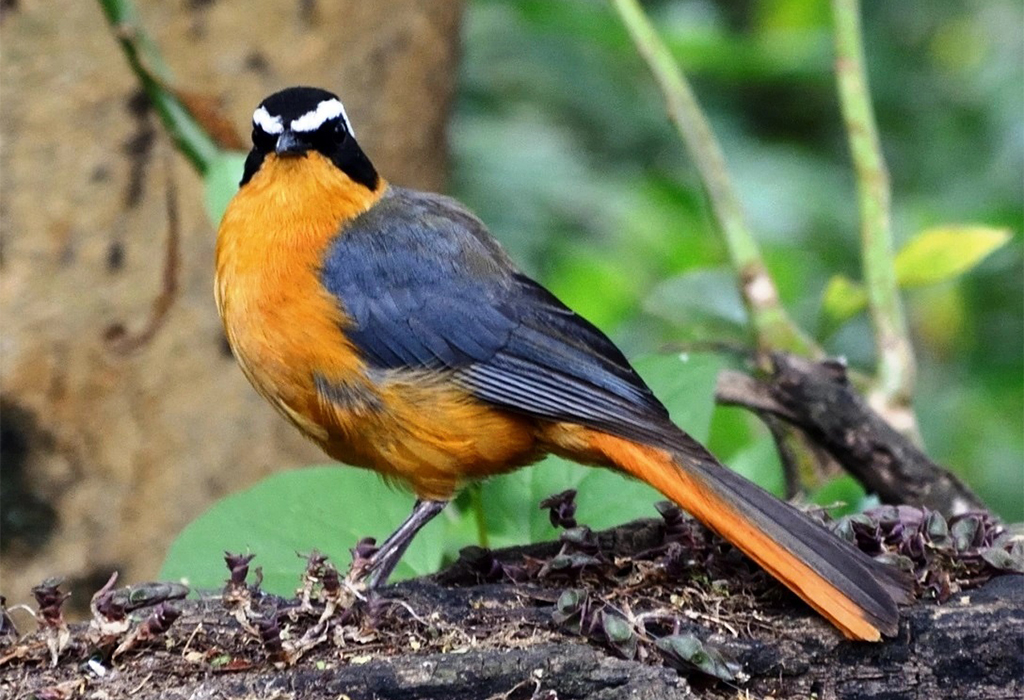
Birdwatchers are equally captivated by Kibale, which hosts over 375 species of birds. From the colorful African pitta to the vibrant great blue turaco and the rare green-breasted pitta, the forest provides endless opportunities to spot both resident and migratory species. Guided birding tours offer unforgettable experiences, making Kibale a top destination for bird watching safaris in Uganda.
Best Time to Visit Kibale
The dry seasons, from June to September and December to February, are ideal for chimpanzee trekking, with less muddy trails and more predictable sightings. The wet seasons, from March to May and October to November, bring lush greenery, flowing waterfalls, and excellent birding opportunities, although trekking can be more challenging. Regardless of the season, Kibale rewards adventurous travelers with unique encounters in a vibrant rainforest ecosystem.
Top Safari Lodges in Kibale
Kibale offers a range of accommodations to suit every traveler, from luxury lodges to cozy forest camps. Some popular options include Kyaninga Lodge, Ndali Lodge, Kibale Forest Camp, Chimpundu Lodge, and Turaco Treetops. Staying in these lodges places visitors in close proximity to the forest while ensuring comfort and immersion in nature.
Conservation and Research
Kibale is not just a tourist destination; it is also a hub for scientific research. The long-term Kibale Chimpanzee Project studies chimpanzee behavior, ecology, and health, contributing valuable insights to conservation strategies. Local communities participate in eco-tourism and agroforestry projects, ensuring that conservation efforts benefit both the forest and the people who live nearby.
Activities in Kibale Forest
Visitors to Kibale can enjoy a variety of experiences, including guided forest hikes, bird watching tours, nocturnal primate walks, crater lake explorations, and community village visits. Each activity offers a deeper connection to the forest and its inhabitants, providing rich and memorable safari experiences.
How to Include Kibale in Your Safari Itinerary
Kibale’s central location allows travelers to combine it with other highlights of Uganda safaris. Nearby destinations include Queen Elizabeth National Park for game drives and boat safaris, Bwindi Impenetrable Forest for gorilla trekking, Murchison Falls National Park for Nile cruises, and Lake Bunyonyi for serene relaxation and scenic views. A safari itinerary that includes Kibale ensures a balance of primate encounters, wildlife exploration, and breathtaking landscapes.
Why Kibale Must Be on Your Safari Bucket List
Kibale Forest National Park stands out as one of the last remaining tracts of pre-montane forest in East Africa. It offers the best chance to see chimpanzees in the wild, serves as a model for sustainable eco-tourism, and is easily combined with Uganda’s other iconic destinations. Accessible, safe, and rich in biodiversity, Kibale promises unforgettable encounters for any traveler.
Final Thoughts
Kibale National Park rightly earns its title as Africa’s Primate Capital. Its unparalleled chimpanzee encounters, incredible primate diversity, and commitment to conservation make it more than a destination it is a conservation success story and a window into Africa’s rich natural heritage. A visit to Kibale leaves travelers with memories of awe, discovery, and a deeper connection to the natural world.
