Why Kibale Forest Is Africa’s Primate Capital
January 20, 2026
How to Book Rushaga Gorilla Habituation Permits
January 20, 2026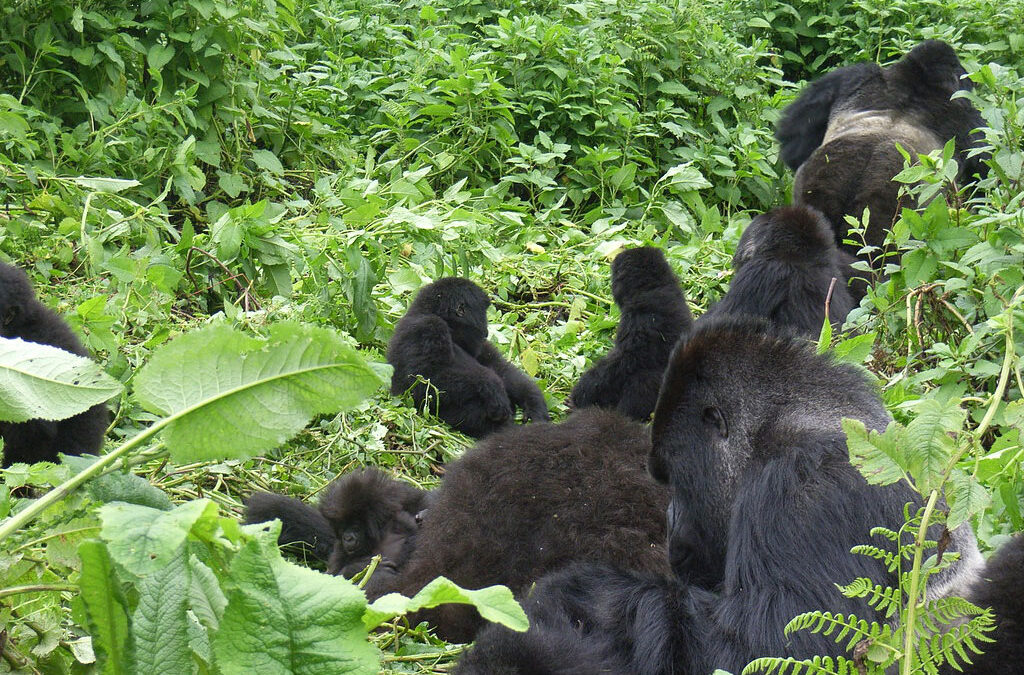
The dry seasons from June to September and December to February offer the best time to visit Rushaga Sector for Gorilla Trekking. Trails remain firm underfoot during these months, making your uphill climbs significantly easier and less exhausting. Clear skies reveal sweeping forest views while thinner vegetation lets you observe gorillas with remarkable clarity. Sunlight filters through the canopy as mountain gorillas emerge to warm themselves on exposed branches. However, these popular months demand early planning, so secure your permits 6 to 12 months ahead through Uganda Wildlife Authority or Experiya Tour Company.
The wet season from March to May and October to November brings frequent afternoon showers. Steep forest paths transform into slippery mud channels that test even experienced hikers’ endurance and balance. Rain-soaked vegetation grows thick and lush, sometimes obscuring your view of gorilla families below. Yet this challenging period rewards budget travelers with significantly lower accommodation rates and quieter forest trails. Birdwatchers flock here during breeding season when colorful species fill the misty air with song. Year-round trekking remains possible if you prepare properly for whichever conditions you’ll face during visit.
The Gorilla Families You’ll Track in Rushaga
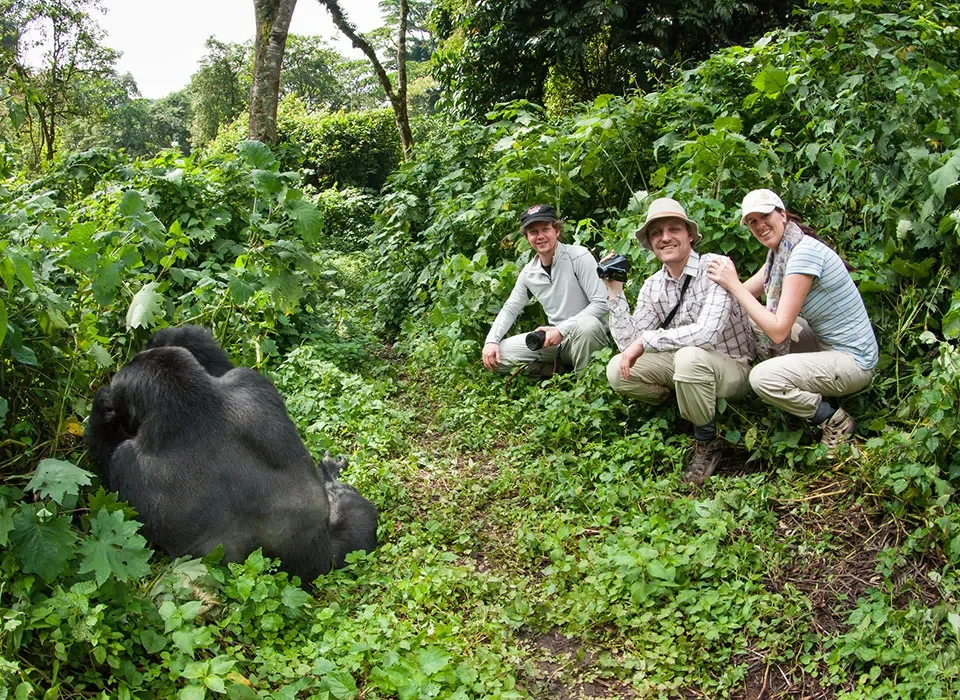
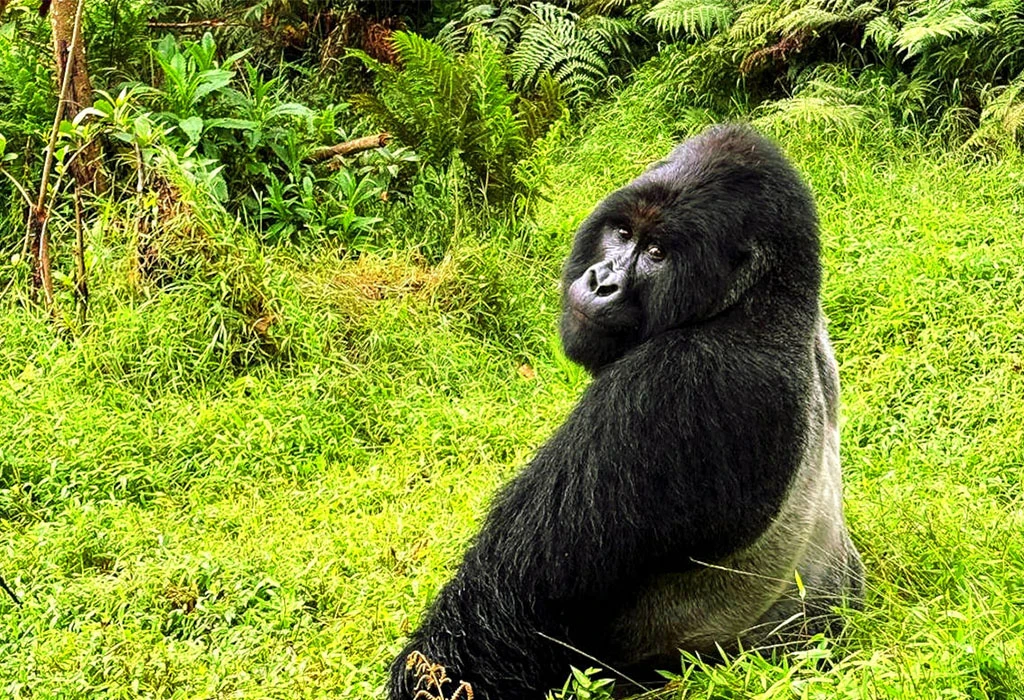
Rushaga Sector hosts more habituated gorilla families than any other area in Uganda’s Bwindi Forest. Each family group displays unique personalities, leadership styles, and fascinating behaviors you’ll witness up close. Eight families welcome standard 1-hour visits while 2 groups participate in the extended habituation experience.
- Nshongi Family once numbered over 30 members, making it the largest habituated group ever recorded. Today, silverback Bweza leads approximately 8 to 11 remaining gorillas after several family splits occurred.
- Bweza Family formed in 2013 when members broke away, and silverback Kakono now guides 11 to 12 gorillas. They frequently venture onto community farmland just beyond the park’s misty forest boundaries to forage.
- Kahungye Family contains roughly 13 to 17 members under powerful silverback Ruziika’s watchful protection and guidance. Social dynamics shift constantly within this group, habituated back in 2011 for tourist encounters.
- Busingye Family split from Kahungye in 2012, and despite his name meaning “peace,” silverback Busingye aggressively expanded. He now commands approximately 9 to 12 gorillas through dense bamboo groves and steep valleys.
- Mishaya Family reformed after its original leader died, with silverback Tinfayo inheriting leadership responsibilities recently. The group numbers around 8 to 10 members who move through mid-altitude forest zones.
- Mucunguzi Family consists of roughly 12 gorillas, predominantly females that silverback Mucunguzi claimed strategically. He broke from Bweza’s group and recruited females from neighboring Bikingi to build his family.
- Rwigi Family represents one of Rushaga’s newer trekking options with 10 members following their split. Young silverback Rwigi leads this energetic group through challenging terrain with growing confidence and strength.
- Kutu Family, among the most recently habituated, ranges from 8 to 20 members under silverback Ndugu.
- Tindatine Family also split recently from Kahungye with approximately 8 members forging their independent path.
The Extended Habituation Experience
Rushaga stands as Uganda’s only sector offering the remarkable 4-hour Gorilla Habituation Experience with semi-habituated families.
- Bikingi Family consists of 10 to 18 members led by a formerly solitary silverback. You’ll observe researchers and trackers working alongside these gorillas, gradually building their comfort with humans.
- Bushaho Family sometimes participates in habituation programs despite associations with neighboring Nkuringo Sector boundaries.
This extended encounter lets you witness intimate behaviors: grooming sessions, playful juveniles tumbling, silverbacks chest-beating warnings. You’ll watch researchers collect behavioral data while gorillas feed on wild celery and bamboo shoots. The morning mist burns off slowly as you follow the family through their territory. These precious extra hours create memories far beyond standard treks, though only 4 permits issue daily.
Permits and Practical Details
Foreign non-residents pay $800 per standard trekking permit while foreign residents pay $700 per visit. East African citizens enjoy significantly reduced pricing at UGX 300,000 for identical gorilla encounters. The habituation experience costs $1,500 per person regardless of your residency status or nationality.
Rushaga issues approximately 64 standard trekking permits daily, with 8 visitors assigned to each family. Only 4 habituation permits become available each day, making advance booking absolutely critical for participation.
Most visitors reach Rushaga by road from Kampala in approximately 9 hours through Uganda’s rolling countryside. However, flying into Kigali, Rwanda offers a more convenient 5-hour drive via Cyanika border crossing. The shorter Rwanda route saves precious vacation time while delivering stunning views of terraced hillsides.
Pack waterproof hiking boots, long pants, gardening gloves, and rain gear regardless of season chosen. Early morning departures mean cool temperatures before strenuous uphill climbs warm you through forest undergrowth. Porters assist with backpacks and provide stability on muddy slopes for reasonable fees and tips.
Meeting a gorilla family in their misty mountain home creates profound connections you’ll treasure forever always.