
Why Uganda Is Still the Best Gorilla Trekking Destination
January 8, 2026
Chimpanzee Trekking in Uganda and Rwanda Which Is Better?
January 8, 2026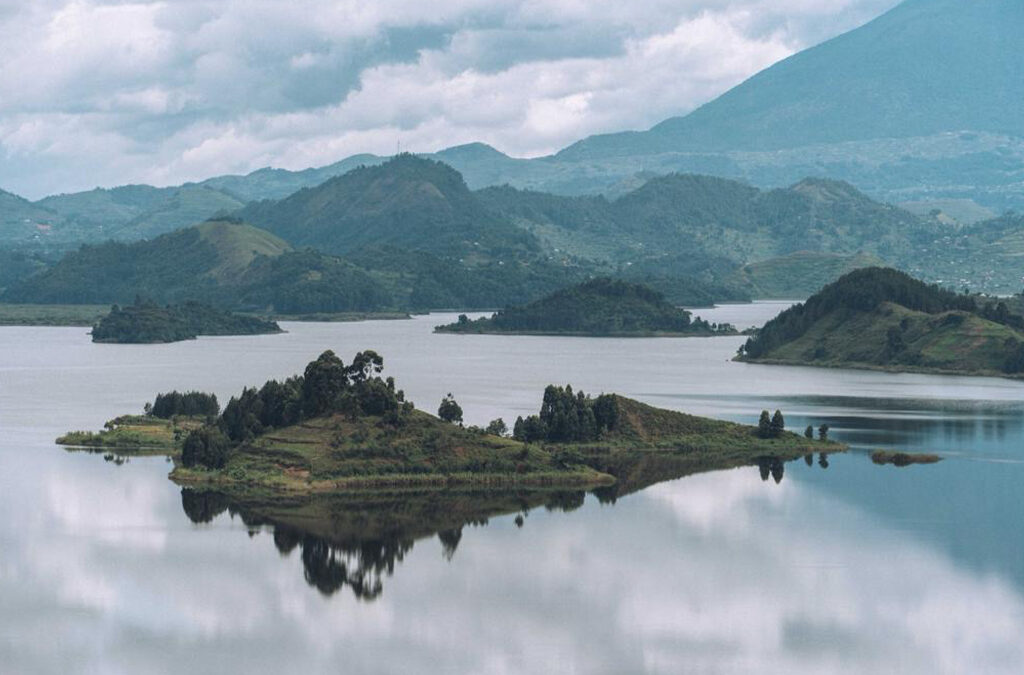
Are you dreaming of a Uganda experience that blends heart-pounding wildlife encounters with moments of pure calm? If so, imagine yourself gliding across the crystal-clear waters of Lake Mutanda, where the towering Virunga Volcanoes reflect perfectly on the lake’s glassy surface. Then, picture trekking through the mist-filled rainforest of Bwindi Impenetrable National Park and coming face to face with the majestic mountain gorillas of the Nkuringo Sector.
Together, canoeing on Lake Mutanda and gorilla trekking in Nkuringo create a rare balance of adventure and relaxation, wilderness and serenity, challenge and reward. This journey doesn’t just show you Uganda—it connects you deeply to its landscapes, people, and wildlife.
Canoeing on Lake Mutanda: A Gentle Beginning or a Well-Earned Reward
Nestled at the foothills of the Virunga Mountains in southwestern Uganda, Lake Mutanda offers a peaceful retreat that perfectly complements the intensity of gorilla trekking. From the moment you arrive, calm waters reflect the peaks of Mount Muhabura, Mount Sabinyo, and Mount Gahinga, creating breathtaking scenery at every turn.
Whether you choose to canoe before your gorilla trek or unwind afterward, the lake sets a soothing rhythm. Unlike many African lakes, Lake Mutanda is safe for canoeing and swimming, as it has no crocodiles or other dangerous wildlife. Traditional wooden dugout canoes glide quietly across the water, allowing you to fully absorb the silence and beauty around you.
As you paddle, you may spot African spotted-necked otters playing near the shore. Meanwhile, vibrant birdlife fills the air. Grey-crowned cranes call from nearby islands, malachite kingfishers dart across the water, and the cool mountain breeze refreshes your spirit. Altogether, the gentle splash of the paddle, rising morning mist, and distant bird songs create an almost meditative experience.
What to Do During Your Stay at Lake Mutanda
Although canoeing remains the highlight, Lake Mutanda offers much more to explore. Guided community walks take you to small island villages, where local residents warmly welcome you and share stories of daily life, traditions, and folklore. In particular, tales surrounding Punishment Island bring history and culture vividly to life.
For nature lovers, the area is also ideal for birdwatching and scenic nature walks, with an impressive diversity of species. Most canoe trips last one to two hours and cost approximately USD 25–30 per person. Meanwhile, longer excursions that include island visits or cultural experiences range between USD 30–50, depending on duration and activities.
Additionally, many lodges organize sunrise and sunset canoe trips. During these golden hours, the lake transforms into a living painting framed by volcanoes and forested hills—an absolute favorite for photographers.
Where to Stay: Comfort Between the Lake and the Forest
Both Lake Mutanda and Nkuringo offer accommodation options for every travel style and budget. Luxury travelers often choose Lake Mutanda Resort or Nkuringo Gorilla Lodge, both renowned for spectacular views and seamless access to activities. Gorilla Heights Lodge, in particular, stands out for its panoramic scenery, refined comfort, and exceptional service—ideal for travelers seeking elegance in the wild.
Meanwhile, mid-range and budget travelers can find excellent options in Kisoro town and the Rushaga area, both conveniently located near gorilla trekking points and the lake. Staying in Kisoro provides flexibility, especially for late arrivals or early departures. Notably, many lodges here embrace eco-friendly designs and local materials, actively supporting conservation and community development.
The drive between Lake Mutanda and Nkuringo takes about one hour. Along the way, you pass rolling hills, terraced farms, and rural villages—making the journey itself a memorable part of the experience.
Gorilla Trekking in Nkuringo Sector: A Challenge Worth Every Step
Located in the southern part of Bwindi Impenetrable National Park, Nkuringo Sector delivers one of Uganda’s most challenging yet deeply rewarding gorilla trekking experiences. The terrain is steep, the vegetation dense, and the views sweeping—stretching toward the Virunga Volcanoes and the border with the Democratic Republic of Congo.
Nkuringo is home to several habituated gorilla families, including the Nkuringo (Posho) family, Bushaho family, and Christmas family. Treks usually last between two and six hours, depending on where the gorillas move that day. Although physically demanding, every step through tangled roots and misty forest heightens the sense of adventure.
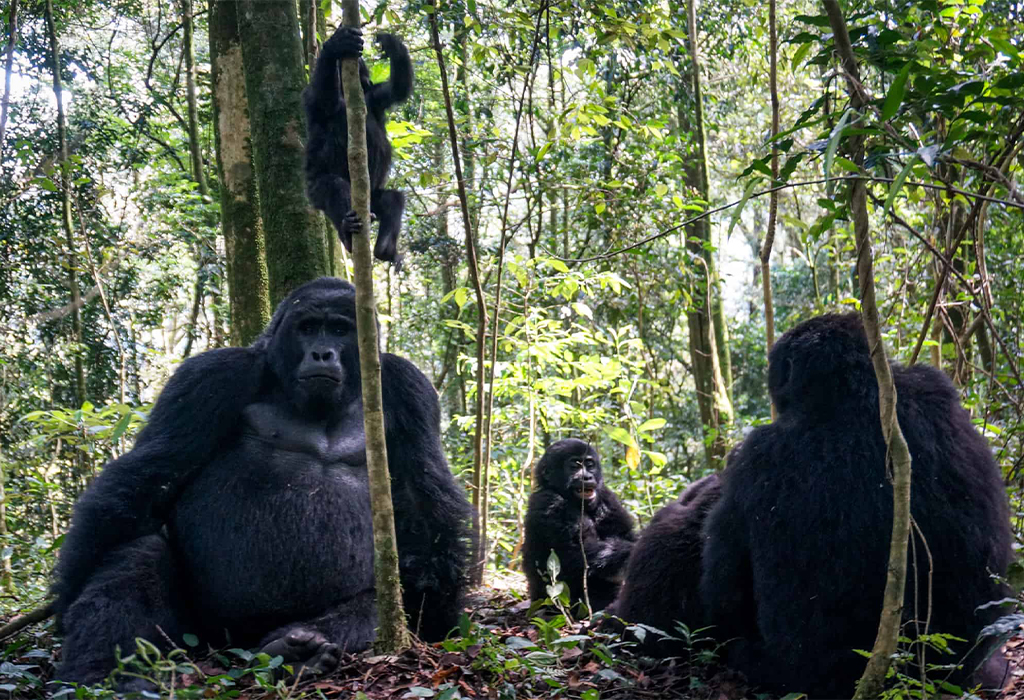
Then comes the unforgettable moment. Standing quietly as a gorilla family emerges from the forest, you witness their calm presence, expressive eyes, and gentle interactions. That single hour spent observing them in their natural habitat often becomes the most powerful wildlife encounter of a lifetime.
Why Nkuringo Offers a Special Gorilla Trekking Experience
What truly sets Nkuringo apart is its seclusion. With fewer visitors and limited permits issued daily, treks feel intimate and personal. Additionally, the dramatic terrain adds a strong sense of accomplishment, making encounters here especially meaningful.
Good physical fitness is important, and hiring a porter is highly recommended. Not only do porters make the trek easier, but they also directly support local livelihoods. Be sure to come prepared with sturdy hiking boots, rain gear, gloves, water, and snacks.
Each trek begins with a detailed briefing at the Nkuringo Visitor Centre. Here, experienced rangers explain safety rules and conservation guidelines before guiding you into bamboo zones, moss-covered trees, and vine-filled forest corridors alive with birdsong and mystery.
Essential Information: Permits, Best Time to Visit & Access
A Uganda gorilla trekking permit costs USD 800 per person and includes guides, rangers, trackers, and one hour with a gorilla family. Because permits are limited, booking three to four months in advance is strongly advised, especially during peak seasons.
The best trekking months fall during the dry seasons—from June to September and December to February—when trails are less muddy. That said, Bwindi remains lush year-round, and even the rainy months reward visitors with dramatic scenery and excellent photography.
Nkuringo is accessible from Kampala or Entebbe, or via the shorter route through Kigali, Rwanda, which many travelers prefer for convenience.
How to Combine Lake Mutanda Canoeing and Gorilla Trekking Seamlessly
With proper planning, combining canoeing on Lake Mutanda with Nkuringo gorilla trekking is effortless. Many travelers spend their first night near the lake or Nkuringo to relax and acclimatize. Gorilla trekking takes place early the next morning and often finishes by midday or early afternoon.
After the trek, returning to Lake Mutanda allows your body and mind to recover. A gentle canoe trip the following morning provides the perfect contrast to the demanding hike. Alternatively, starting with canoeing helps you ease into the adventure before tackling the forest.
Experienced operators such as Experiya Tour Company take care of permits, transport, accommodation, and activities, allowing you to focus entirely on the experience.
Useful Packing Tips for Comfort and Safety
For gorilla trekking, pack:
-
Sturdy hiking boots
-
Long trousers and socks
-
Rain jacket and gloves
-
Hat, sunscreen, and insect repellent
-
Small waterproof backpack
For Lake Mutanda, bring:
-
Sandals or flip-flops
-
Swimwear
-
Light clothing for relaxation
Additionally, always carry a reusable water bottle and protect electronics from humidity. Life jackets are provided for canoeing, and trained guides accompany every trip.
Beyond the Lake and Forest: More Experiences to Add
To enrich your journey, consider visiting the Batwa community, where you learn about ancient forest traditions and survival skills. Adventurous travelers can also hike from Nkuringo to Lake Mutanda—a scenic four- to five-hour walk that ends with a canoe transfer across the lake.
Others choose to continue to Mgahinga Gorilla National Park for golden monkey trekking or gentle volcano hikes. Evenings often end with outdoor dining under the stars, sharing stories of gorilla encounters and peaceful moments on the lake.
Departure: Leaving Uganda with a Full Heart
As your adventure comes to an end, you return to Entebbe or Kigali along scenic roads lined with tea plantations, rolling hills, and lively markets. For many travelers, even the drive becomes part of the journey.
In the end, you leave with more than photographs. You carry the memory of a gorilla’s gaze, the rhythm of your paddle on calm water, and the echo of birdsong drifting across the lake. This is more than a safari—it is a deep, soulful connection to Uganda’s wild heart.
