Exploring Rubuguri Village Walk in Bwindi Impenetrable National Park
January 7, 2026
How to Choose the Right Trekking Route in the Rwenzori Mountains
January 7, 2026What Is the Difference Between Gorilla Trekking and Gorilla Tracking?
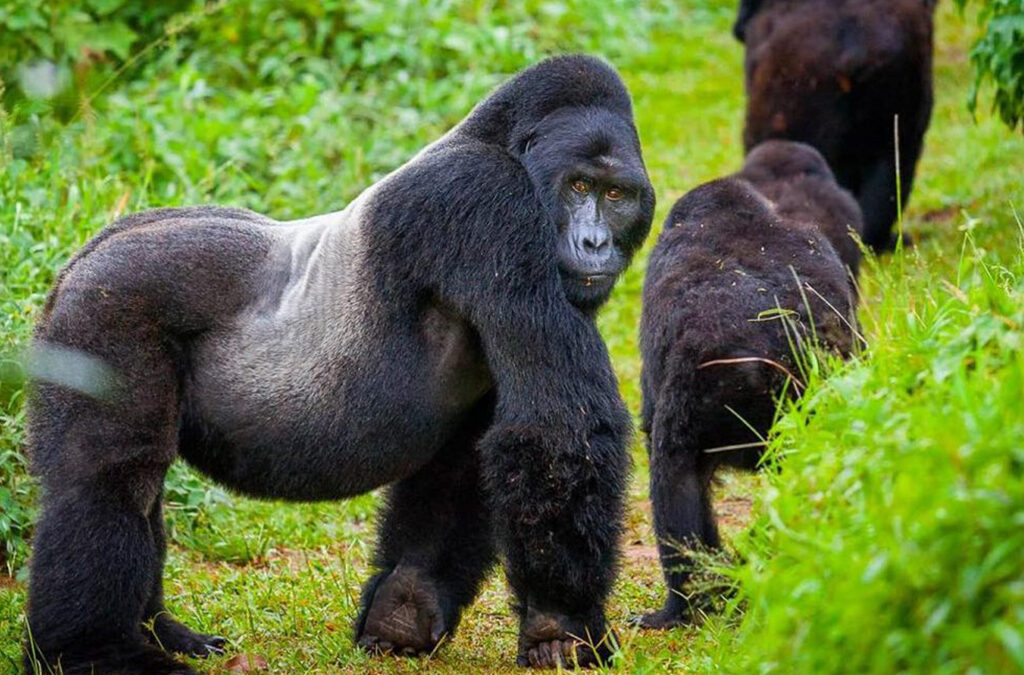
Many travelers, bloggers, and even seasoned safari enthusiasts often use the terms gorilla trekking and gorilla tracking interchangeably. At first glance, this confusion is understandable because both activities involve mountain gorillas and take place in the same protected forests.
However, despite sharing the same magnificent primates, these activities play very different roles within gorilla conservation and tourism. Understanding the distinction between gorilla trekking and gorilla tracking helps travelers appreciate how gorilla tourism operates so smoothly and why encounters with mountain gorillas rank among Africa’s greatest conservation success stories.
Although closely connected, each activity serves a unique purpose, and together they create one of the most unforgettable wildlife experiences on Earth.
What Is Gorilla Tracking?
The Foundation of Gorilla Tourism
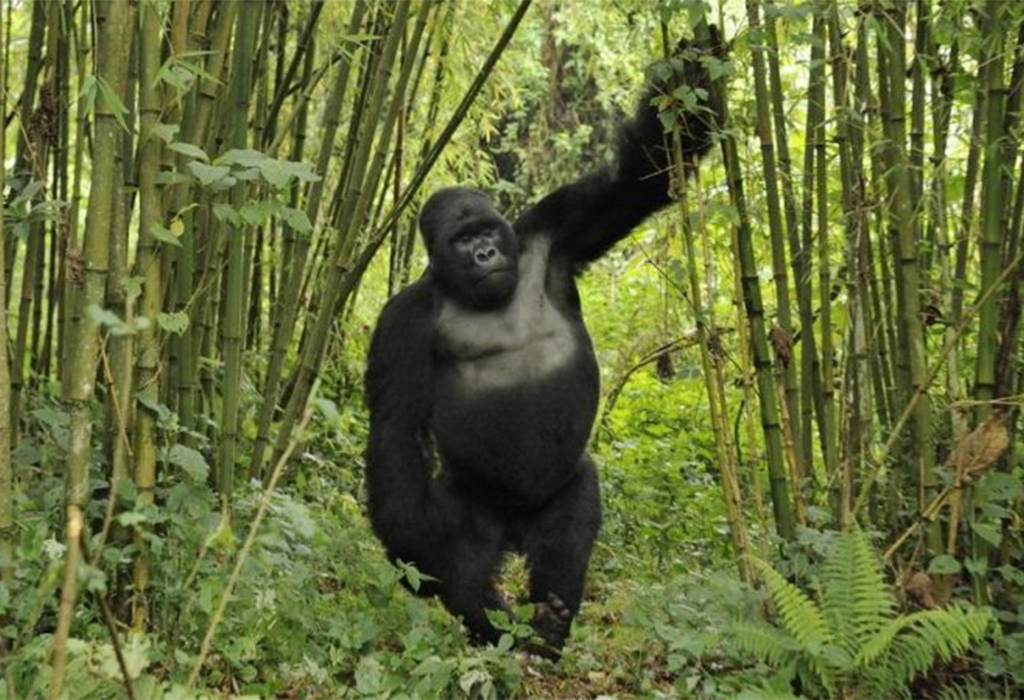
Gorilla tracking is a professional conservation activity, not a tourist experience. Highly trained ranger guides, trackers, park staff, and researchers conduct it daily, often starting deep in the forest long before visitors arrive.
During tracking, teams locate specific gorilla families by following fresh signs such as the gorillas’ last known location, overnight nesting sites, feeding trails, footprints, and broken vegetation. Because mountain gorillas constantly move in search of food, trackers must find them from scratch every single morning.
As a result, gorilla tracking demands extensive forest knowledge, a deep understanding of gorilla behavior, and exceptional physical endurance.
Why Gorilla Tracking Is Essential
First and foremost, gorilla tracking plays a critical role in conservation and research. Scientists and park authorities rely on tracking data to study gorilla behavior, monitor health conditions, observe family dynamics, and conduct population censuses. These insights directly support the long-term survival of endangered mountain gorillas.
In addition, tracking makes gorilla trekking highly reliable. Because trackers locate gorilla families in advance, visitors enjoy an exceptionally high chance—often exceeding 99 percent—of seeing gorillas during their trek. Without this behind-the-scenes work, gorilla tourism would be unpredictable and far more challenging.
In short, gorilla tracking forms the backbone of responsible gorilla tourism, ensuring both conservation success and visitor satisfaction.
Where Gorilla Tracking Takes Place
Although terrain varies slightly, gorilla tracking follows the same methods across all major mountain gorilla destinations. These include:
-
Bwindi Impenetrable National Park (Uganda)
-
Mgahinga Gorilla National Park (Uganda)
-
Volcanoes National Park (Rwanda)
-
Virunga National Park (Democratic Republic of Congo)
Regardless of location, trackers share the same goal: to locate and monitor gorilla families safely while minimizing human impact on their natural environment.
What Is Gorilla Trekking?
The Visitor Experience
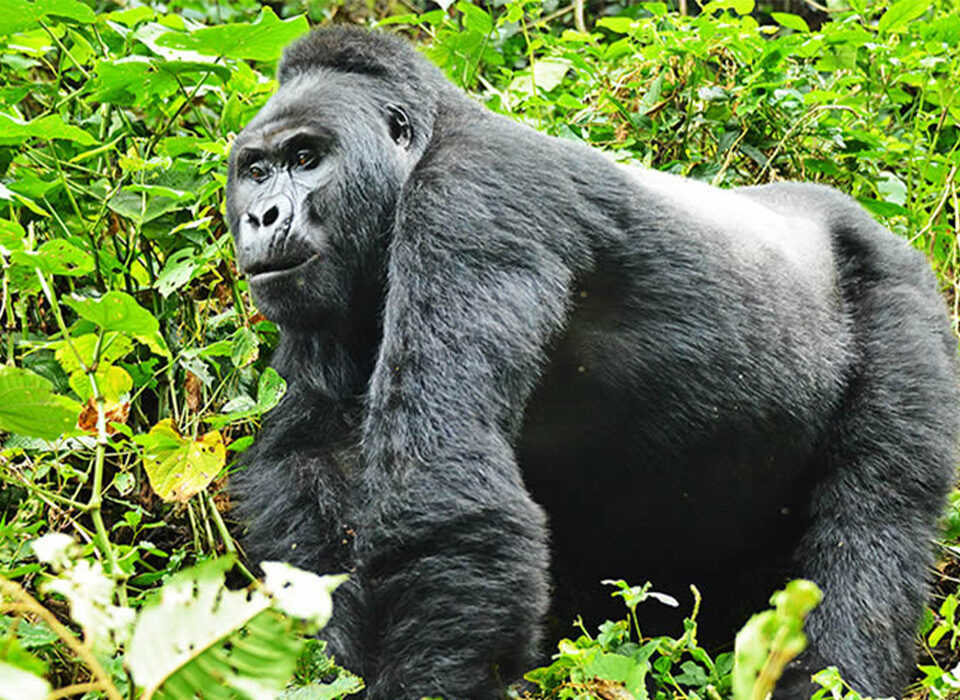
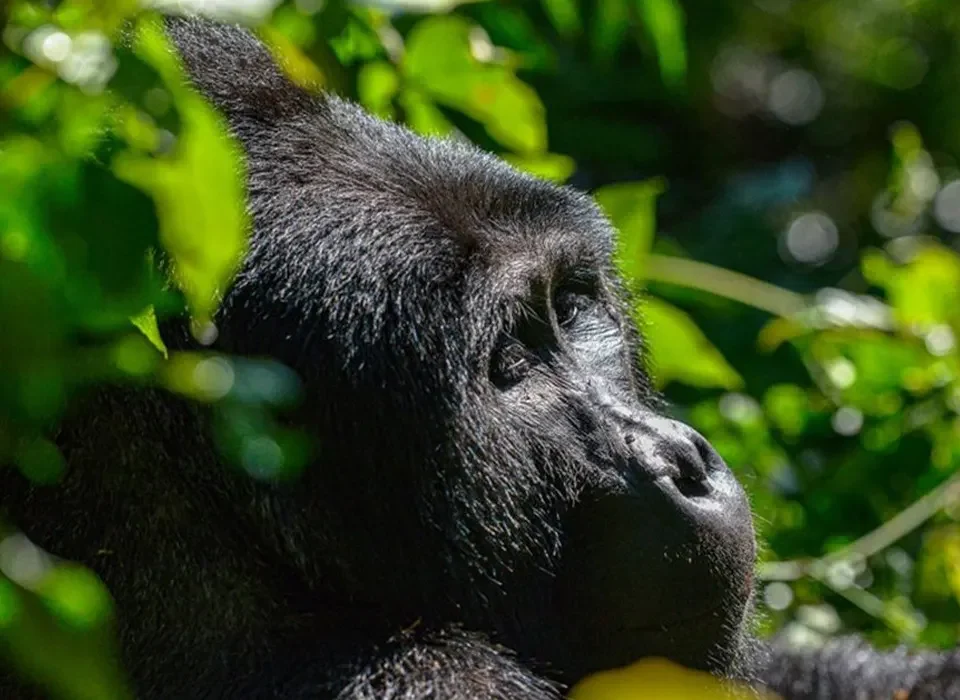
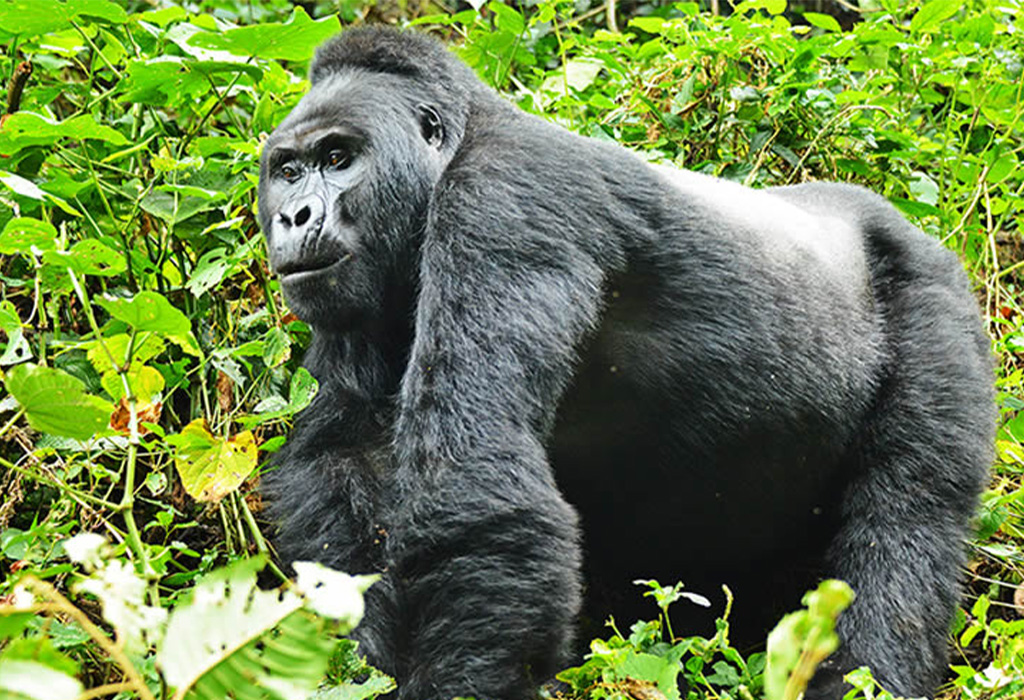
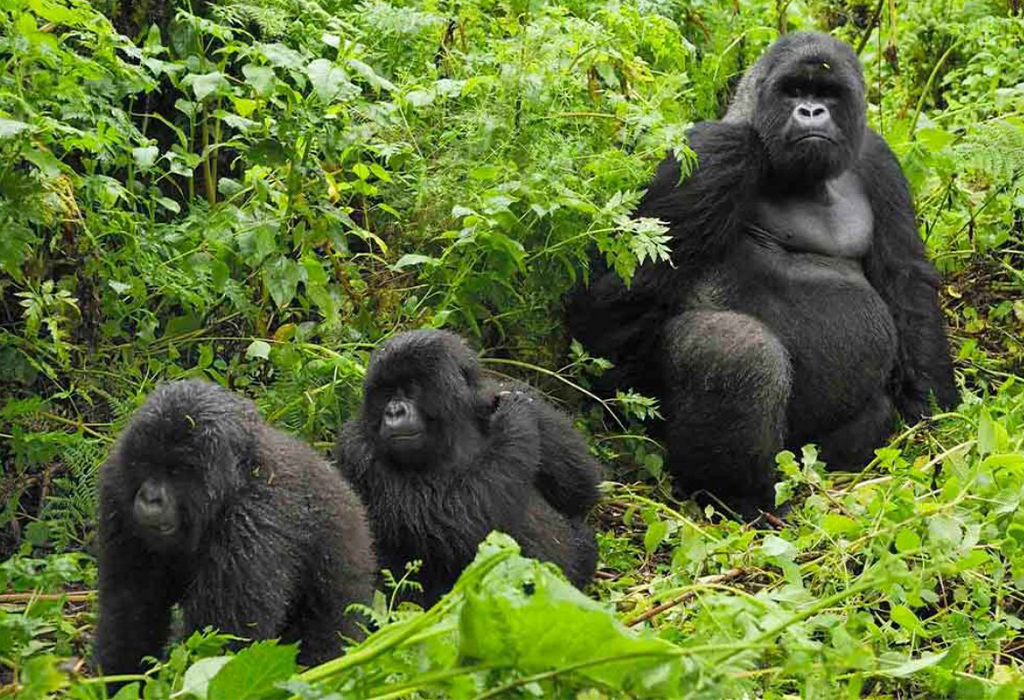
In contrast, gorilla trekking is the tourist activity that allows travelers to enter the forest and observe mountain gorillas in their natural habitat. This is the experience most people imagine when planning a gorilla safari.
Accompanied by experienced ranger guides, visitors hike through dense rainforests, bamboo zones, and mountainous terrain to reach a gorilla family already located by trackers. While the hike can be physically demanding, anticipation builds with every step, making the final encounter deeply rewarding.
Where Gorilla Trekking Happens
Gorilla trekking takes place in the same four protected areas where tracking occurs: Bwindi, Mgahinga, Volcanoes, and Virunga National Parks.
Although each park has its own character, all feature thick tropical vegetation, rugged landscapes, and varying altitudes. Consequently, the overall experience remains similar, with differences mainly in terrain steepness and elevation, particularly within the Virunga Massif.
A Typical Gorilla Trekking Day
Gorilla trekking begins early in the morning. After breakfast, visitors report to the park briefing point by around 7:30 a.m. During this session, rangers explain gorilla behavior, safety guidelines, and conservation rules to protect both visitors and gorillas.
Next, park staff assign each group to a specific gorilla family. To minimize stress on the animals and preserve the quality of the experience, each group includes no more than eight visitors.
How Long Does a Gorilla Trek Last?
The duration of a gorilla trek varies widely. Depending on terrain difficulty, weather conditions, gorilla movement, and visitor fitness, a trek may last from one to eight hours.
Some treks are short and gentle, while others involve steep climbs and dense vegetation. Nevertheless, regardless of the effort required, meeting mountain gorillas face-to-face makes every step worthwhile.
The One-Hour Gorilla Encounter
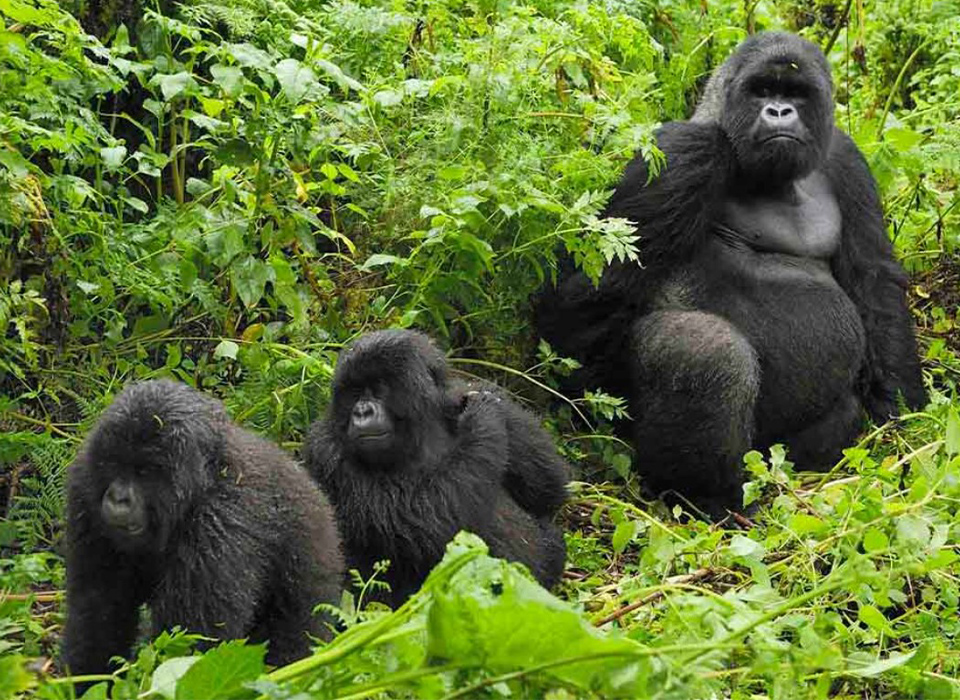
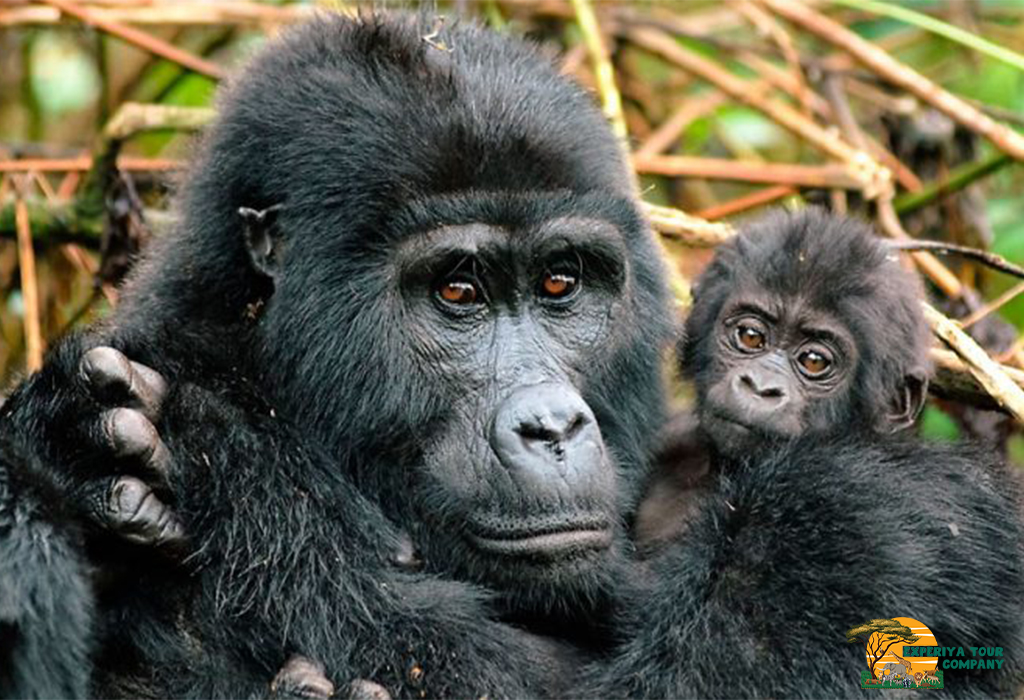
Once visitors reach the gorilla family, they spend exactly one hour in their presence. During this time, travelers observe gorillas feeding, grooming, resting, and playing, while silverbacks quietly guard their families.
Meanwhile, guides share fascinating insights into gorilla behavior, social structures, and conservation challenges. For many travelers, this calm and intimate hour becomes the emotional highlight of their entire African safari.
Afterward, visitors hike back to the starting point and reunite with their driver-guide before returning to their lodge or continuing their journey.
Gorilla Trekking Difficulty Levels
Choosing the Right Trek for You
Not all gorilla treks are the same. Some travelers prefer shorter and less demanding hikes, while others seek longer and more adventurous routes. Therefore, age, fitness level, and medical considerations play an important role in determining the most suitable trek.
Personalized Trek Assignments with Experiya Tour Company
At Experiya Tour Company, planning begins as soon as a traveler makes an inquiry. The team carefully gathers information about fitness levels, preferences, and expectations to ensure a comfortable and enjoyable experience.
Through close coordination with park wardens and ranger teams, Experiya Tour Company helps assign guests to gorilla families that best match their abilities. This may include shorter treks for elderly travelers, moderate hikes for casual adventurers, or challenging routes for those seeking a physical test.
As a result, every traveler enjoys gorilla trekking safely while maximizing comfort and satisfaction.
Gorilla Tracking vs. Gorilla Trekking: Key Differences Explained
Although closely linked, gorilla tracking and gorilla trekking serve distinct purposes. Professionals conduct gorilla tracking for conservation, research, and visitor preparation, while travelers participate in gorilla trekking to observe gorillas in the wild.
Tracking occurs daily, even when no tourists are present, whereas trekking only takes place when visitors arrive. In essence, tracking works quietly behind the scenes, while trekking delivers the emotional and unforgettable encounter.
Together, these activities form a carefully coordinated system that protects gorillas while allowing responsible tourism to thrive.
Booking Gorilla Trekking Tours
Plan Your Gorilla Safari with Experts
Experiya Tour Company offers expertly crafted gorilla trekking experiences in Uganda, Rwanda, and the Democratic Republic of Congo. Each itinerary prioritizes conservation, comfort, and authentic wildlife encounters.
Travelers can explore available packages, request a personalized itinerary, and receive prompt responses often within one hour along with detailed pricing and expert guidance.
Final Thoughts
In conclusion, while gorilla trekking and gorilla tracking share the same forests and the same incredible animals, they play very different but equally important roles. Gorilla tracking lays the foundation through research and conservation, while gorilla trekking delivers one of the most powerful wildlife experiences on the planet.
By understanding this distinction, travelers gain deeper appreciation for the dedication, expertise, and coordination behind every successful gorilla encounter.
If you are ready to meet Africa’s gentle giants, Experiya Tour Company is perfectly positioned to guide you every step of the way.

Related posts