What’s the Best Safari in Uganda?
October 13, 2026
Can You Trek Gorillas Year-Round in Uganda?
October 13, 2026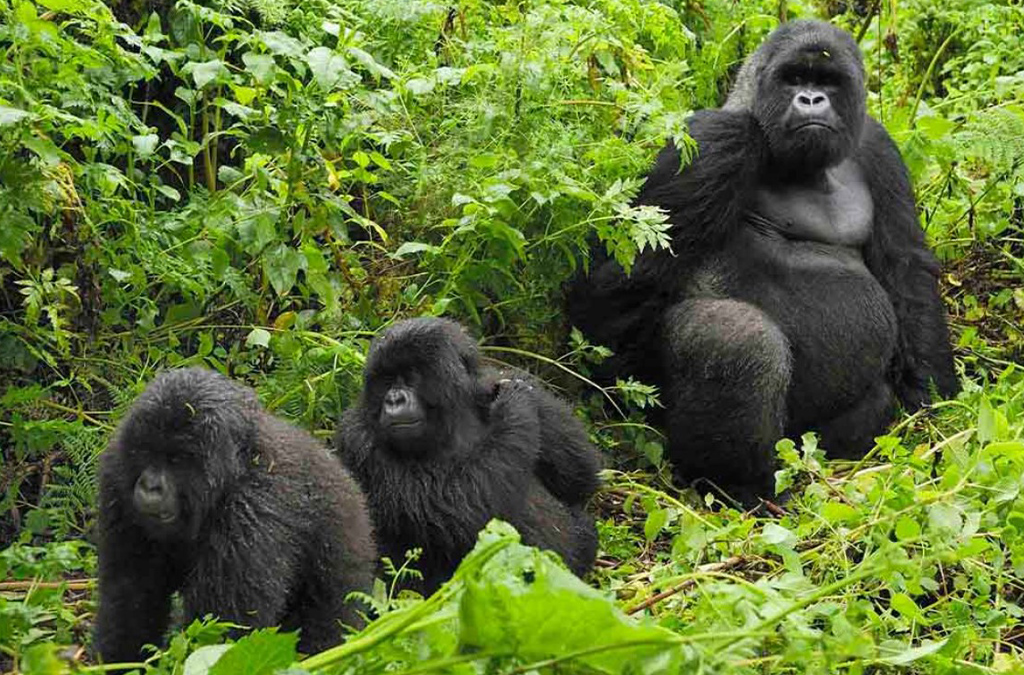
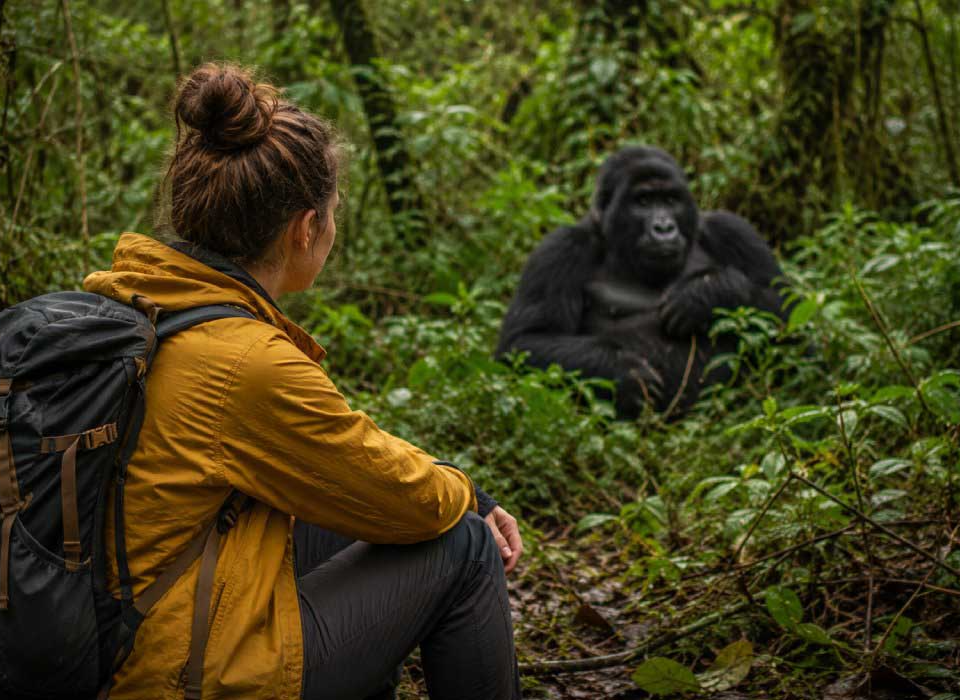
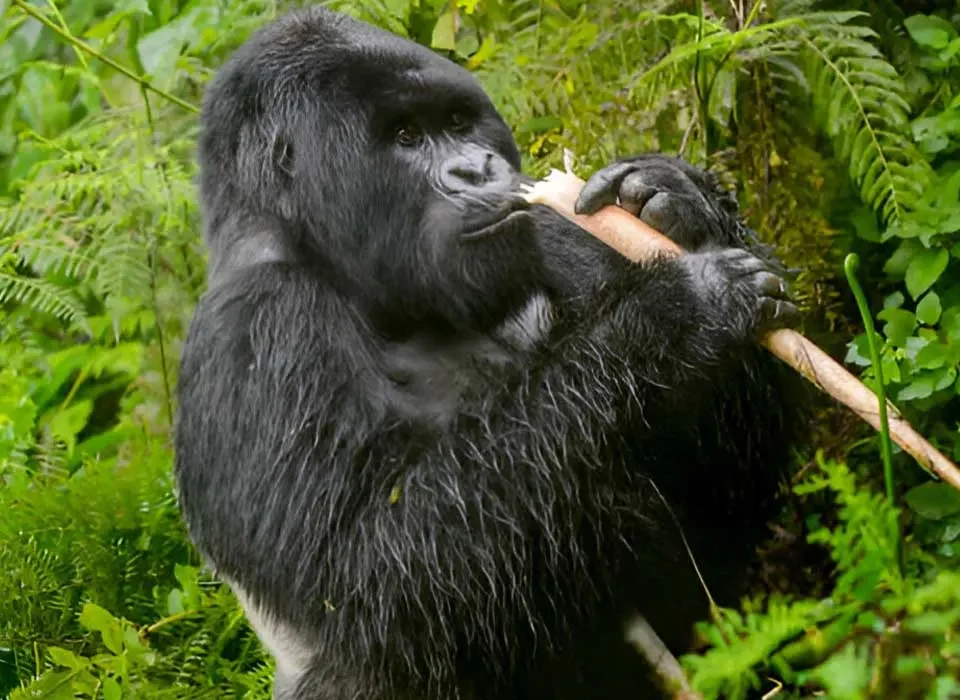
Gorilla trekking in Uganda offers one of Africa’s most unforgettable wildlife experiences. Deep in the misty rainforests of Bwindi Impenetrable National Park and Mgahinga Gorilla National Park, visitors can observe endangered mountain gorillas in their natural habitat. However, this remarkable encounter comes with important responsibilities.
Understanding the Uganda gorilla trekking rules and regulations helps protect these endangered primates, keeps visitors safe, and supports sustainable tourism. From maintaining a safe distance to following ranger instructions, every rule plays an essential role in conservation.
Whether you are planning your first gorilla safari or returning to Uganda for another adventure, this guide explains the essential requirements, permit conditions, health precautions, and responsible trekking practices you should know before travelling.
1. Where Can You Go Gorilla Trekking in Uganda?
Uganda offers mountain gorilla trekking in two protected national parks, each providing a unique forest experience.
Bwindi Impenetrable National Park
Bwindi is Uganda’s most popular gorilla trekking destination. Its dense rainforest, steep hills, and rich biodiversity provide a natural home for numerous habituated gorilla families.
The park has four main trekking sectors:
- Buhoma
- Ruhija
- Rushaga
- Nkuringo
Your gorilla permit usually corresponds to a specific trekking date and location. Therefore, book accommodation near your assigned sector to avoid unnecessary travel on the morning of your trek.
Mgahinga Gorilla National Park
Located in southwestern Uganda near Kisoro, Mgahinga forms part of the wider Virunga Conservation Area. It features volcanic landscapes, bamboo forests, golden monkeys, and mountain gorillas.
Gorilla trekking generally begins at the Ntebeko Visitor Centre. Because permits are limited, arrange your trek early through Uganda Wildlife Authority (UWA) or a trusted operator such as Experiya Tour Company.
2. Uganda Gorilla Trekking Rules and Regulations You Must Follow
Before entering the forest, every visitor must understand and respect the official trekking guidelines. These rules protect both people and wildlife.
Follow the Minimum Age Requirement
Uganda generally requires gorilla trekkers to be at least 15 years old on the trekking date. Park officials may check your passport or other accepted identification before departure.
Families travelling with younger children should arrange alternative activities rather than assume that an exception will be granted. Any exception must receive official approval from UWA.
Attend the Ranger Briefing
Every trek begins with a briefing led by park staff. Rangers explain the safety procedures, gorilla behaviour, health precautions, and rules for approaching the animals.
Arrive early, register, and listen carefully. Additionally, inform your ranger if you have mobility concerns or feel unwell before the trek begins.
Maintain the Required Distance
Visitors should follow the separation distance specified in current UWA guidance and reinforced by their ranger. Published guidance has referred to a minimum distance of 10 metres, although visitors should confirm the latest instructions before travelling.
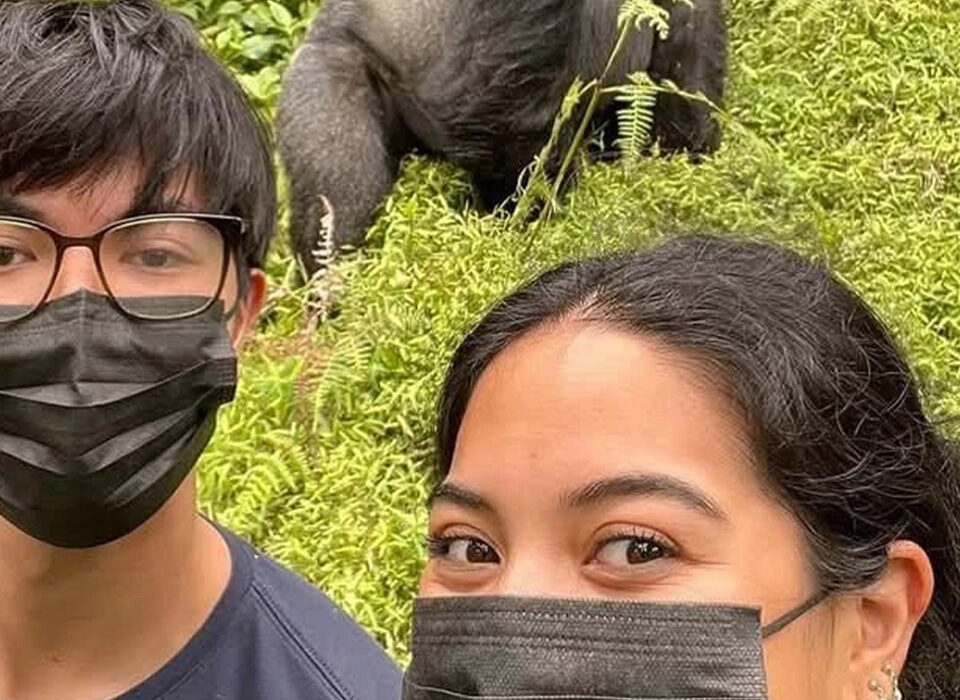
If a gorilla approaches you, remain calm and follow the ranger’s directions. Never reach out to touch it or attempt to move closer for a photograph.
Keep Your Group Together
A standard gorilla trekking group normally includes no more than eight tourists visiting one habituated gorilla family. Trained rangers and trackers lead the activity and manage the encounter.
Stay with your assigned group throughout the trek. Furthermore, never chase gorillas, surround them, or block their movement through the forest.
3. Health Rules for Gorilla Trekking in Uganda
Health precautions are among the most important gorilla trekking requirements because mountain gorillas can catch certain human illnesses, particularly respiratory infections.
Even a mild cold could expose an endangered gorilla family to disease. Therefore, visitors should never enter the forest when they have a potentially infectious illness.
Follow these essential precautions:
- Inform your guide or ranger if you feel unwell.
- Cover your mouth and nose when coughing or sneezing.
- Keep your hands clean before the trek.
- Follow any temporary health measures introduced by park authorities.
- Avoid touching gorillas, their food, or nearby objects unnecessarily.
Rangers may prevent an unwell visitor from trekking to protect the gorillas. Although missing the experience can be disappointing, conservation must always come first.
4. How Long Can You Stay With the Gorillas?
A standard Uganda gorilla trekking permit normally allows visitors to spend up to one hour observing a habituated gorilla family.
The viewing period begins when the ranger determines that the group has reached the gorillas. However, finding the family can take several hours, depending on its location, weather, terrain, and forest conditions.
Uganda also offers a gorilla habituation experience in selected areas of Bwindi, subject to availability and current UWA procedures. This experience may allow up to four hours with the gorillas.
Regardless of your permit type, respect the ranger’s instructions and leave when the permitted viewing period ends. Rangers may also shorten an encounter if safety concerns or gorilla behaviour require it.
5. Photography Rules During Gorilla Trekking
Photographing mountain gorillas creates lasting memories. Nevertheless, visitors must capture these moments without disturbing the animals.
Flash photography is prohibited. Turn off your camera flash before approaching the gorillas, and check your phone or camera settings to ensure the flash cannot activate automatically.
In addition, follow these photography guidelines:
- Move slowly when raising your camera.
- Keep your voice low while taking pictures.
- Avoid pushing past other visitors.
- Do not block the ranger’s view.
- Lower your camera immediately when instructed.
Drones are not permitted without the necessary official authorization. Similarly, commercial filming and aerial photography may require additional approvals beyond an ordinary trekking permit.
6. What to Wear for Gorilla Trekking in Uganda
Bwindi and Mgahinga have rugged terrain, dense vegetation, and unpredictable weather. Consequently, appropriate clothing and footwear can make your trek more comfortable.
Pack the following essentials:
- Hiking boots: Choose sturdy, waterproof footwear with reliable grip.
- Long trousers: Protect your legs from mud, insects, and vegetation.
- Long-sleeved shirts: Reduce scratches from branches and undergrowth.
- Waterproof jacket: Prepare for sudden rainforest showers.
- Gardening or trekking gloves: Protect your hands when navigating difficult sections.
- Small daypack: Carry water, lunch, identification, and personal essentials.
Wear your hiking boots before the safari to reduce the risk of blisters. Moreover, avoid carrying unnecessary equipment because steep, muddy trails can make heavy bags uncomfortable.
Hiring a porter is also worthwhile. Porters help carry bags, provide practical assistance on challenging terrain, and earn income from tourism.
7. Food, Smoking, and Environmental Protection Rules
Visitors may carry drinking water and a packed lunch for the forest trek. However, they must follow ranger instructions about where to take breaks and must not eat or drink near the gorillas.
Never feed wildlife or leave food waste behind. Even fruit peels and biodegradable materials can affect animal behaviour and introduce unwanted substances into the ecosystem.
Smoking and vaping should never take place near the gorillas and may be restricted elsewhere in the park.
Furthermore, keep the forest clean by carrying out all rubbish, including:
- Plastic bottles and food wrappers
- Tissues and personal hygiene products
- Used batteries and packaging
- Face masks and other disposable items
Do not pick plants, remove stones, damage trees, or collect natural objects as souvenirs. If you need to use the toilet during the trek, notify your ranger and follow the official waste-disposal procedure.
8. What Should You Do if a Gorilla Charges?
A mountain gorilla may beat its chest, vocalise, move vegetation, or approach visitors rapidly. Although such displays can feel frightening, they do not always indicate an imminent attack.
Your response matters. Stay calm and allow the trained ranger to manage the situation.
Remember these essential safety steps:
- Do not run or scream.
- Avoid sudden movements.
- Remain quiet and listen to your ranger.
- Lower your body or move back if instructed.
- Never imitate gorilla calls or chest beating.
- Allow the gorilla a clear route to pass.
Additionally, never position yourself between a mother and her infant or attempt to challenge a silverback. Following ranger instructions helps protect both visitors and the gorilla family.
9. Uganda Gorilla Trekking Permits, Prices, and Rescheduling
Every visitor must have a valid gorilla trekking permit issued through the appropriate official channels. Because daily visitor numbers are limited, booking well in advance is advisable, especially during busy travel periods.
Before paying, confirm your:
- Full name and passport details
- Trekking date and national park
- Assigned Bwindi sector, where applicable
- Permit category and total cost
- Booking reference and payment confirmation
Permit prices and conditions can change. The published UWA tariff for July 2024 to June 2026 listed a standard foreign non-resident gorilla permit at USD 800 and a habituation permit at USD 1,500. However, these rates covered a period that has ended. Travellers planning a trek from July 2026 onward should confirm the applicable tariff directly with UWA.
Check the official Uganda Wildlife Authority rates page for current information.
Can You Reschedule or Cancel a Gorilla Permit?
Yes, a rescheduling request may be considered, but approval depends on the current UWA policy, availability, timing, and circumstances. Fees or other conditions may apply.
If illness, flight delays, or an emergency affects your travel plans, contact your tour operator as soon as possible. Do not assume that a permit can automatically be transferred, rescheduled, or refunded.
Experiya Tour Company can help travellers understand the booking process and coordinate communication with the relevant authorities. Nevertheless, final decisions remain subject to the applicable official rules.
Travel insurance that covers trip cancellation, illness, and missed connections can also provide valuable protection.
10. How to Prepare for a Successful Gorilla Trek
Gorilla trekking does not require you to be a professional athlete. However, you should prepare for uneven paths, steep slopes, muddy trails, and several hours of walking.
Before travelling, build your stamina through regular walks and hill training. Also, inform your tour operator about mobility concerns so the team can discuss suitable arrangements with park staff. An easy trek cannot be guaranteed because gorillas move freely through the forest.
On the trekking morning, carry your original identification, confirm your permit details, attend the briefing, and report any illness. Most importantly, remain patient and follow your ranger throughout the experience.
11. Frequently Asked Questions About Uganda Gorilla Trekking Rules
What is the minimum age for gorilla trekking in Uganda?
The minimum age is generally 15 years. Confirm eligibility before purchasing a permit.
How many people can visit a gorilla family?
A standard trekking group normally includes a maximum of eight tourists per habituated gorilla family.
Can I touch a mountain gorilla?
No. Visitors must never touch gorillas, even if an animal approaches them.
Is flash photography allowed?
No. Flash photography is prohibited because it can disturb the gorillas.
Are gorilla sightings guaranteed?
Trackers work hard to locate habituated families, but sightings cannot be guaranteed absolutely because gorillas are wild animals.
Should I hire a porter?
Yes. A porter can carry your belongings, assist on difficult trails, and benefit directly from tourism employment.
Conclusion: Trek Responsibly and Protect Uganda’s Mountain Gorillas
Following the Uganda gorilla trekking rules and regulations helps preserve one of Africa’s most extraordinary wildlife experiences. By maintaining the required distance, observing health precautions, respecting ranger instructions, and leaving no litter, you contribute to the long-term protection of mountain gorillas.
With proper preparation and responsible planning, your journey through Bwindi or Mgahinga can become a deeply meaningful adventure.
Ready to plan your Uganda gorilla trekking safari? Contact Experiya Tour Company for help organising your permits, accommodation, transport, and personalised itinerary. Prepare well, travel responsibly, and discover the remarkable beauty of Uganda’s mountain gorillas while supporting their conservation.