

How Convenient Is a Fishing Safari in Uganda?
December 30, 2025
Gorilla Viewing Time in Rwanda
December 30, 2025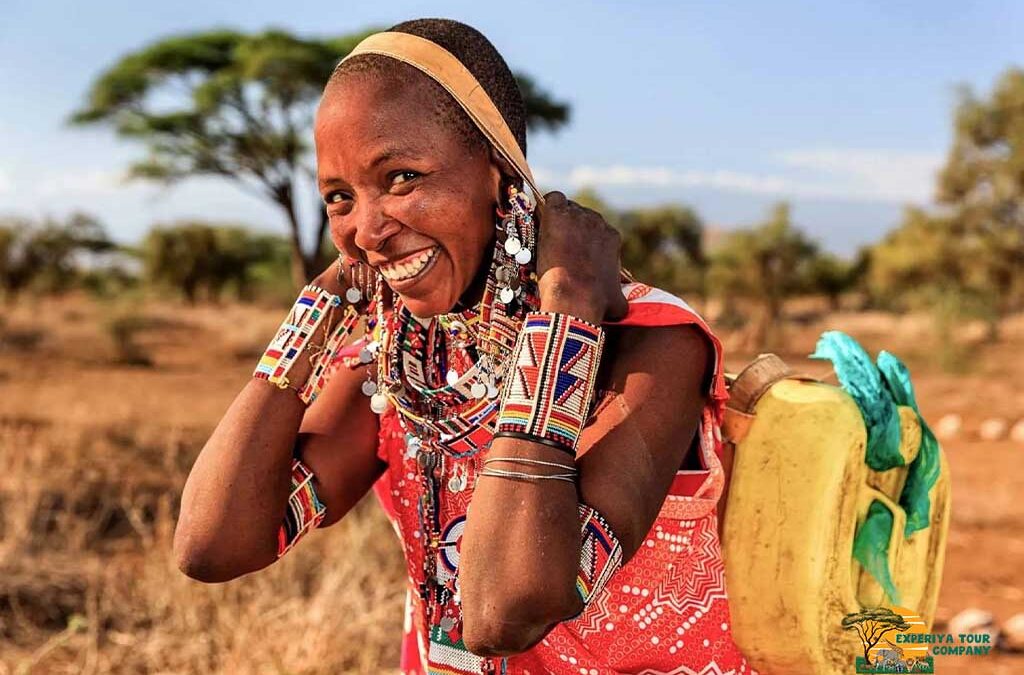
East Africa is celebrated worldwide for its extraordinary wildlife and dramatic landscapes. However, beyond the savannas, forests, and coastlines lies another treasure just as powerful—its deeply rooted cultural heritage. Across the region, communities continue to preserve ancient traditions, beliefs, and ways of life passed down through generations.
Cultural experiences in East Africa invite travelers to do more than observe; they offer the chance to connect, listen, and learn. From forest-dwelling hunter-gatherers and proud pastoralists to historic island towns and royal kingdoms, these encounters reveal the human stories that shape the region.
Below are the best cultural experiences in East Africa that no traveler should miss.
The Batwa Pygmy Culture in Uganda
The Batwa people are among the oldest indigenous communities in East Africa. For centuries, they lived in harmony with the dense rainforests of southwestern Uganda, especially in what is now Bwindi Impenetrable Forest and Mgahinga Gorilla National Park. The forest provided everything—food, medicine, shelter, and spiritual guidance.
However, the creation of protected areas in the early 1990s, aimed at conserving endangered mountain gorillas, forced the Batwa out of their ancestral lands. As a result, many families lost not only their homes but also their traditional way of life, leading to long-term social and economic challenges.
Despite this painful history, the Batwa have shown remarkable resilience. Today, visitors can take part in Batwa cultural encounters led by community members themselves. During these visits, elders share oral histories, demonstrate traditional hunting methods, perform ancestral songs and dances, and explain their deep spiritual connection to nature.
Spirit worship remains central to Batwa belief systems. Traditionally, elders performed rituals in sacred forest huts to honor ancestral spirits and Mother Nature, whom they believed offered protection and balance. Through storytelling and performances, the Batwa continue to preserve their heritage while educating visitors about their rich cultural identity.
Maasai Village Experiences in Kenya and Tanzania
Few African cultures are as globally recognized as the Maasai. Known for their vibrant red attire, intricate beadwork, and strong warrior traditions, the Maasai inhabit parts of southern Kenya and northern Tanzania. At the heart of their culture lies cattle, which they believe God entrusted to them.
The Maasai live as semi-nomadic pastoralists, moving with their herds in search of fresh grazing land. Their villages, called manyattas, consist of circular huts built from mud, cow dung, and wooden poles, all arranged carefully and protected by thorn fences.
A visit to a Maasai village offers an authentic and welcoming experience. Community members greet guests with traditional songs and dances, including the famous jumping dance performed by warriors. During the visit, hosts explain their social structure, rites of passage, marriage customs, and daily life.
In addition, visitors can tour the manyattas, learn about traditional medicine, and see how the Maasai balance modern influences with deeply held traditions. These visits promote cultural understanding while directly supporting local communities.
Zanzibar Stone Town: A Cultural Melting Pot
Zanzibar’s Stone Town stands as one of East Africa’s most fascinating cultural landmarks. Located on the western coast of Zanzibar Island, the town reflects centuries of trade and cultural exchange between Africa, Arabia, Persia, India, and Europe.
Constructed mainly from coral stone, Stone Town’s narrow alleys, carved wooden doors, and historic buildings tell powerful stories of its past. The architecture, largely dating back to the 19th century, blends Swahili, Arab, Indian, and European styles.
As you wander through Stone Town, you encounter lively markets, ancient mosques, grand palaces, and sites linked to the spice and Indian Ocean slave trades. Landmarks such as the former Sultan’s Palace and old merchant houses highlight Zanzibar’s political and economic significance.
Today, Stone Town remains a living cultural center. Locals continue to practice traditional crafts, music, and cuisine, allowing visitors to experience authentic Swahili culture. Its preservation ensures that this unique heritage continues to inspire future generations.
The Buganda Kingdom in Uganda
The Buganda Kingdom is one of the most influential traditional monarchies in East Africa. It emerged along the shores of Lake Victoria in the late 14th century and developed into a powerful, well-organized state by the 19th century.
According to legend, the kingdom traces its origins to Kabaka Kintu, the first king of Buganda. Over time, Buganda established a centralized political system, strong cultural institutions, and elaborate ceremonial traditions that remain relevant today.
The kingdom covers 26 districts in central Uganda, including Kampala, the capital city. It is divided into 18 counties, known as masaza. Cultural life revolves around royal customs, clan systems, music, dance, storytelling, and the Luganda language.
Visitors can explore Buganda’s heritage through cultural sites, royal history narratives, traditional performances, and guided storytelling sessions. These experiences reveal how the kingdom continues to thrive while honoring its past.
Coffee Plantation Experiences in Tanzania
Coffee farming provides one of Tanzania’s most immersive cultural experiences, especially on the fertile slopes of Mount Kilimanjaro and Mount Meru. For generations, coffee cultivation has shaped local traditions and sustained rural livelihoods.
Tanzania primarily produces Arabica coffee, prized for its bright acidity and complex flavor profile. High altitudes, volcanic soils, and favorable climate conditions contribute to its exceptional quality.
During a coffee plantation visit, travelers actively participate in every stage of production—from planting and harvesting to drying, roasting, and brewing. Farmers explain each step using traditional methods, often accompanied by songs, storytelling, and shared meals.
These experiences create genuine cultural exchanges while helping visitors appreciate the skill, patience, and heritage behind every cup of Tanzanian coffee.
Why Cultural Experiences Matter in East Africa
Cultural tourism in East Africa goes far beyond sightseeing. It fosters mutual respect, supports community development, and helps preserve endangered traditions. When travelers engage responsibly, they contribute to cultural pride and sustainable tourism.
Whether learning forest wisdom from the Batwa, sharing laughter with Maasai elders, wandering through Zanzibar’s historic streets, exploring royal heritage in Buganda, or harvesting coffee with Tanzanian farmers, these moments leave lasting impressions.
Ultimately, East Africa’s cultural richness transforms every journey into a deeply human experience one that stays with travelers long after they return home.
