What Can I Expect from a Safari in Rwanda?
December 22, 2025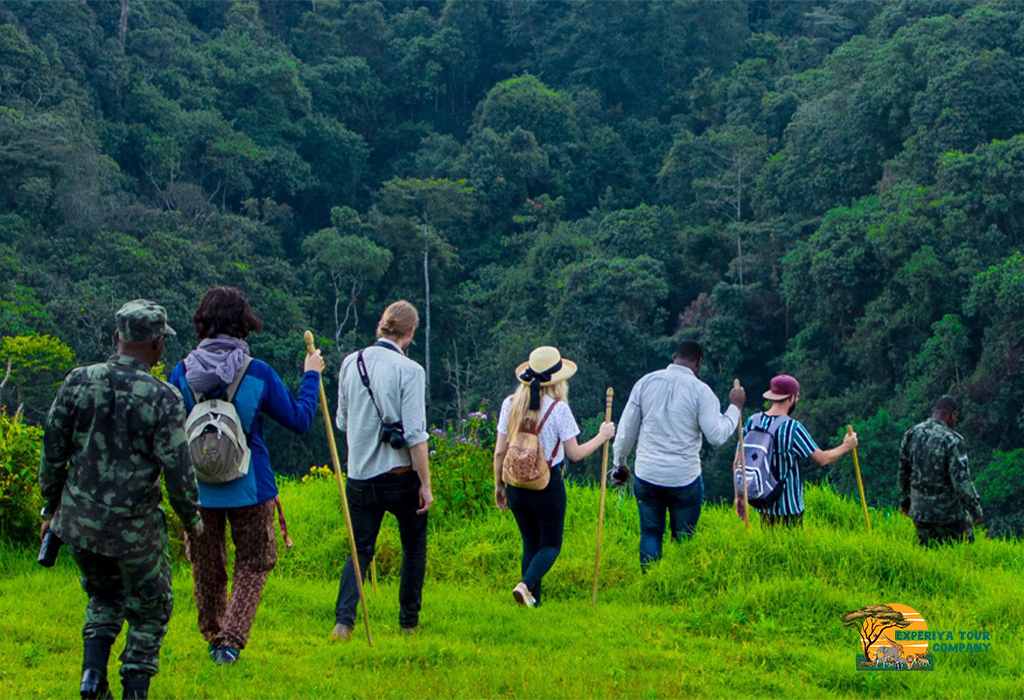
How Safe Is Rwanda for Tourists?
December 22, 2025
Uganda and Rwanda are among East Africa’s most rewarding travel destinations. With breathtaking landscapes, diverse wildlife, rich cultures, and warm hospitality, both countries offer unforgettable experiences for nature lovers, adventure seekers, and cultural explorers alike.
Major Attractions in Uganda
Gorilla Trekking
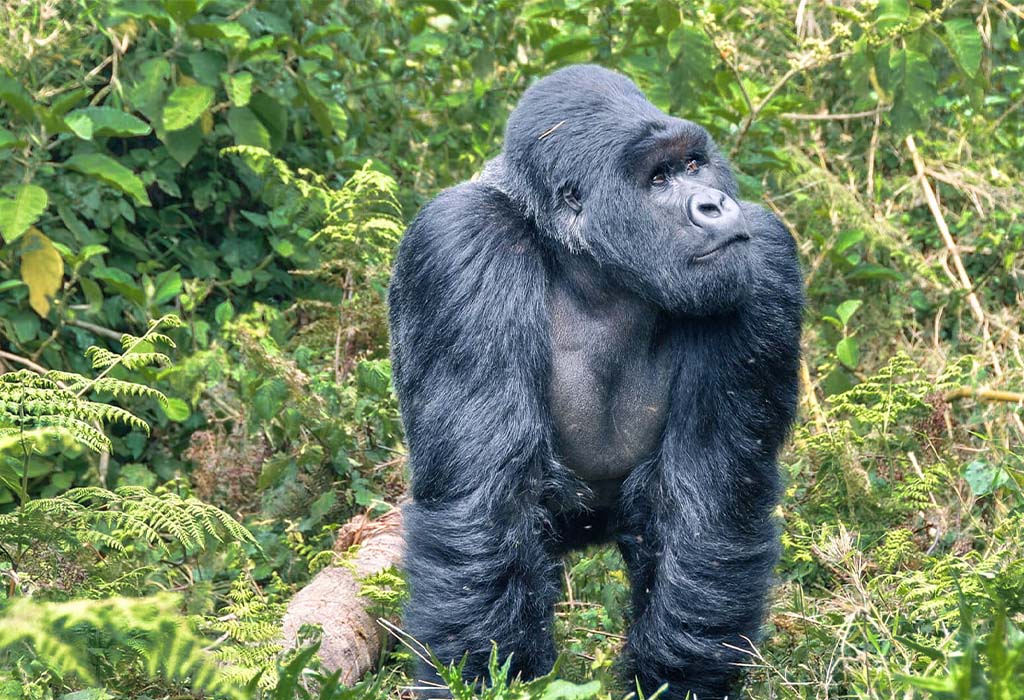
Uganda is one of the best places in the world to see mountain gorillas in their natural habitat. Bwindi Impenetrable National Park and Mgahinga Gorilla National Park are home to several habituated gorilla families, offering life-changing trekking experiences through dense rainforest.
Wildlife Safaris
Uganda’s national parks provide exceptional game-viewing opportunities. Queen Elizabeth National Park is famous for its tree-climbing lions in Ishasha and boat safaris along the Kazinga Channel. Murchison Falls National Park combines dramatic scenery with abundant wildlife, while Kidepo Valley National Park offers remote, untouched savannahs and rare species.
Kibale National Park – Chimpanzee Trekking
Kibale National Park is renowned for having one of the highest concentrations of chimpanzees in Africa. Guided chimpanzee trekking allows visitors to observe these intelligent primates up close, alongside other primate species and rich forest biodiversity.
Other Popular Attractions in Uganda
- Lake Bunyonyi – Known for its peaceful atmosphere and scenic islands
- Rwenzori Mountains National Park – Famous for snow-capped peaks and hiking adventures
- Lake Mburo National Park – Ideal for walking safaris, cycling, and birdwatching
Major Attractions in Rwanda
Volcanoes National Park
Rwanda is equally famous for gorilla trekking, particularly in Volcanoes National Park. Set within the Virunga Mountains, the park also offers golden monkey tracking and stunning volcanic scenery.
Akagera National Park
Akagera National Park is Rwanda’s premier safari destination. It features savannah plains, lakes, and wetlands, and it is home to the Big Five as well as a remarkable diversity of bird species.
Nyungwe Forest National Park
Nyungwe Forest is a biodiversity hotspot known for chimpanzee trekking, canopy walks, and exceptional birdlife. It is one of Africa’s oldest montane rainforests.
Lake Kivu
Lake Kivu offers a relaxing contrast to wildlife adventures. Visitors can enjoy boat cruises, swimming, kayaking, and scenic lakeside towns surrounded by rolling hills.
Kigali
Kigali, Rwanda’s capital, is a clean, modern, and vibrant city. Major attractions include cultural centers, art galleries, and the Kigali Genocide Memorial, which provides an important historical and educational experience.
Similarities Between Uganda and Rwanda
Uganda and Rwanda share several geographic and cultural similarities. Both countries feature rolling hills, fertile landscapes, and a mild climate, especially in the southwest of Uganda and throughout Rwanda. They also share the Virunga Mountains, known for volcanic peaks and gorilla habitats. In addition, Lake Mburo National Park in Uganda closely resembles Akagera National Park in Rwanda in terms of landscape and wildlife.
Rwanda–Uganda Border Crossing
The main border crossing between Uganda and Rwanda is known as Katuna in Uganda and Gatuna in Rwanda. This border post serves as a key entry and exit point for travelers and goods moving between the two countries, including cargo transported from Kenya to Rwanda.
What Uganda’s Tourism Industry Is Known For
Uganda is especially renowned for game viewing and birdwatching. The country is home to iconic wildlife such as elephants, lions, white rhinoceros, and the rare tree-climbing lions of Ishasha. Additionally, Uganda hosts approximately 11% of the world’s bird species, with over 1,060 recorded species, making it a paradise for bird enthusiasts.
A Famous Tourist Destination in Uganda
Queen Elizabeth National Park is one of Uganda’s most popular tourist destinations. Its diverse ecosystems ranging from savannah grasslands and forests to wetlands and crater lakes support an impressive variety of wildlife and scenic beauty.
Which Is a Better Destination: Uganda or Rwanda?
Both Uganda and Rwanda are considered safe and rewarding travel destinations. Rwanda is often praised for its strong infrastructure and political stability, while Uganda stands out for its diversity of landscapes and wildlife experiences. Ultimately, the better destination depends on personal travel preferences and interests.
Most Popular Tourist Cities in Uganda
Fort Portal is often referred to as the “Tourist City of Uganda” due to its proximity to attractions such as Kibale Forest, Semliki National Park, and nearby crater lakes. Meanwhile, Kampala, the capital city, and Entebbe, home to the international airport, are also major tourist hubs.
Why Rwanda Is Called the Land of a Thousand Hills
Rwanda is famously known as the “Land of a Thousand Hills” because of its endless rolling hills and lush, undulating landscapes that stretch across the entire country.
Famous Volcanoes in Rwanda and Uganda
Mount Karisimbi
Mount Karisimbi is the highest volcano in Rwanda and the tallest in the Virunga range. It stands along the border with the Democratic Republic of the Congo and is Rwanda’s highest peak.
Mount Muhavura
Mount Muhavura is an extinct volcano located on the border between Rwanda and Uganda. It lies at the eastern edge of the Virunga Mountains and is a prominent landmark for hikers and trekkers.
River Between Rwanda and Uganda
The Kagitumba River, part of the upper Nile headwaters, flows along sections of the Rwanda–Uganda border. It is the final stretch of the Muvumba River before it joins the Akagera River and plays an important role in the region’s hydrology.