What You Need to Know About Ngorongoro Conservation Area
December 11, 2025
Threats to the Mountain Gorilla Population
December 11, 2025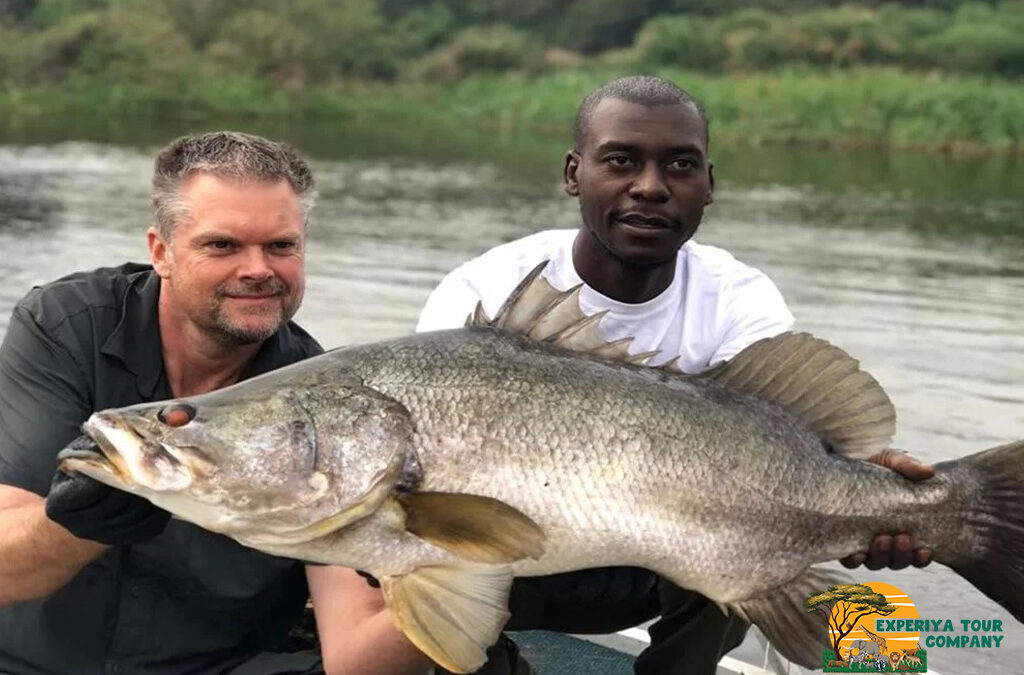
What Is Sport Fishing in Murchison Falls National Park?
Sport fishing in Murchison Falls National Park is an exciting recreational activity that allows anglers to target large freshwater species along the Nile River. Located in northwestern Uganda, the park is known for its dramatic waterfalls, diverse wildlife, and rich aquatic ecosystems. Fishing takes place along the riverbanks, from boats, and on designated platforms, offering visitors both adventure and breathtaking scenery.
Fish Species You Can Catch
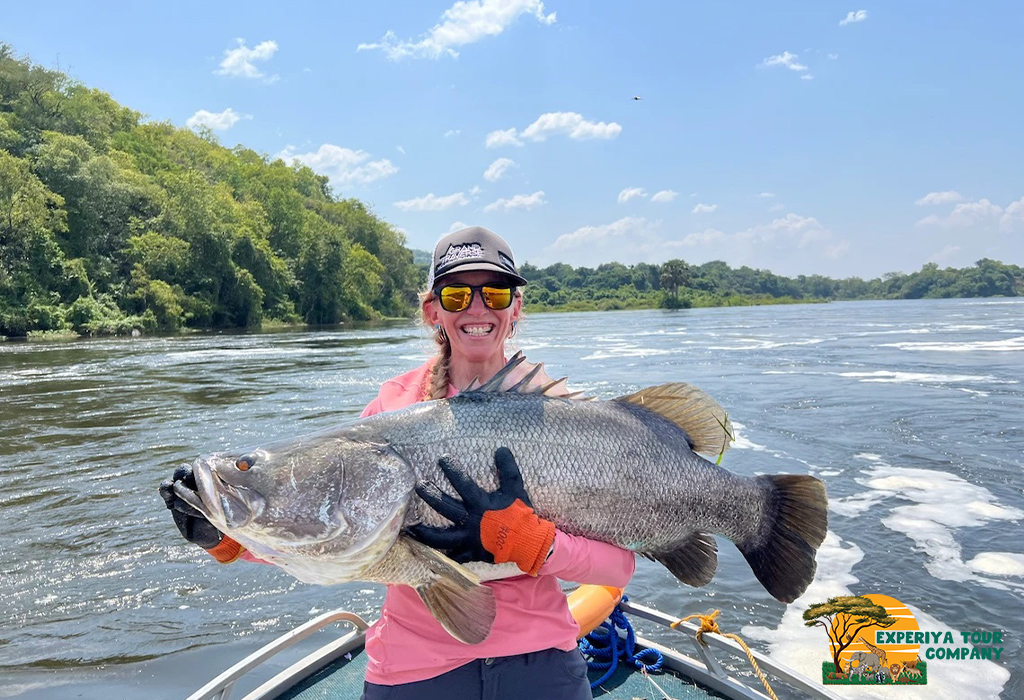
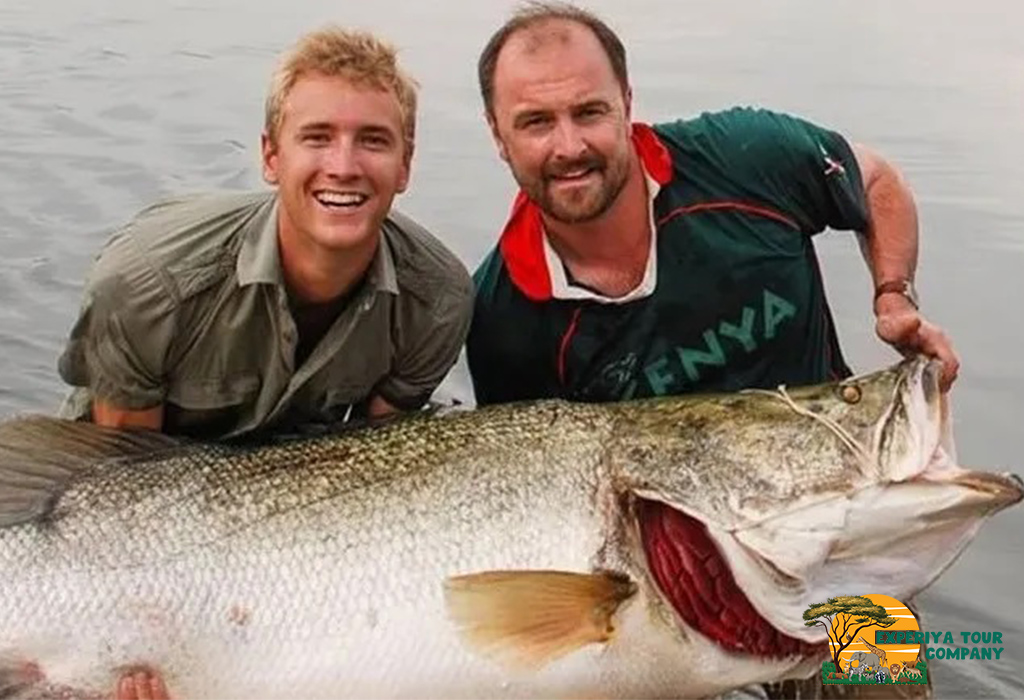
The waters of Murchison Falls teem with several thrilling species. Anglers frequently catch Nile perch, tilapia, tigerfish, catfish, and lungfish. The Nile perch stands out as the most sought-after trophy fish because it can grow to enormous sizes, sometimes exceeding 200 pounds. Tigerfish provide a challenging fight with their sharp teeth and aggressive behavior, while tilapia and catfish offer reliable catches for beginners and seasoned anglers alike.
Best Fishing Locations in the Park
Most anglers concentrate on the Nile River and the Albert Nile section, where deep pools, river bends, and rapids attract large fish. Paraa and the area below the falls—often referred to as the Kabalega Falls section—remain particularly productive for giant Nile perch. Lodges located along the river sometimes have private fishing access, while experienced local guides can lead visitors to secluded spots where fish tend to concentrate.
Ideal Season for Sport Fishing
Fishing takes place throughout the year, but two dry seasons offer the best conditions. From December to February and June to August, the waters remain calm, visibility improves, and boats navigate easily. Although the rainy seasons of March to May and September to November raise water levels and occasionally boost fish activity in deeper channels, most anglers still prefer the dry months for comfort, accessibility, and more predictable results.
Essential Fishing Equipment
Anglers need sturdy rods for large freshwater species, reels with strong drag systems, and durable lines. Lures, hooks, bait, pliers, gloves, and a landing net help handle powerful fish safely. Some lodges and operators offer rental gear, making it easy for visitors traveling light. For comfort under the tropical sun, wearing sunscreen, a hat, polarized sunglasses, and water-resistant clothing makes a significant difference during long hours on the river.
Can Beginners Join Sport Fishing?
Beginners can fully enjoy the experience with the help of skilled guides who teach casting techniques, fish handling, and safety practices. Many first-time anglers start with species like tilapia and catfish before progressing to the more demanding Nile perch or tigerfish. Guided support ensures that even novice participants feel confident throughout their trip.
Availability of Guided Fishing Tours
Guided sport fishing tours are widely available within the park. Professional guides understand fish behavior, seasonal patterns, and the best spots for big catches. They also manage boat operations and ensure visitors follow park regulations. Trips may last half a day, a full day, or several days depending on the visitor’s schedule and interests.
Regulations Governing Sport Fishing
The Uganda Wildlife Authority enforces strict regulations to protect aquatic life and maintain sustainable fishing practices. Anglers must respect catch limits, size restrictions, and restricted zones. The use of unsafe or illegal gear is prohibited, and rangers patrol the river to ensure compliance. Observing these rules helps protect the long-term health of the river ecosystem.
Need for a Fishing Permit
All anglers must secure a sport fishing permit from the Uganda Wildlife Authority. These permits can be purchased directly from UWA or arranged through lodges and operators. The permit authorizes legal access to designated fishing areas and ensures proper management of the resource.
Accommodation Near Fishing Spots
Several lodges and campsites sit near prime fishing areas. They offer comfortable stays, river views, and easy access to the Nile. Many accommodations provide fishing boats, guides, and gear rentals, ensuring convenience for anglers planning early-morning or multi-day excursions. Campsites also cater to visitors who prefer to stay close to the river.
Catch-and-Release Practices
Most guides encourage catch-and-release, especially for large Nile perch and tigerfish. Handling fish gently, minimizing the time they spend out of water, and releasing them safely ensures that the fish population remains healthy for future generations. This conservation-minded approach has helped maintain Murchison Falls as a premier sport fishing destination.
Conservation Benefits of Sport Fishing
Sport fishing contributes significantly to conservation efforts in Murchison Falls National Park. Revenue from permits and guided trips supports wildlife protection, river ecosystem management, and community development programs. Local residents benefit from employment opportunities in guiding, hospitality, and equipment maintenance, helping strengthen community support for conservation.
Combining Sport Fishing With a Safari
Visitors often combine sport fishing with traditional wildlife safaris. Many anglers spend the morning fishing along the Nile before heading out for afternoon game drives, where they encounter lions, elephants, buffaloes, giraffes, and antelopes. Boat safaris complement the experience by providing close views of hippos, crocodiles, and abundant birdlife along the riverbanks.
Safety Precautions for Anglers
Safety remains essential on the river. Anglers should always wear life jackets, follow guide instructions, and remain alert to the presence of hippos and crocodiles. Staying hydrated, applying sunscreen, and using insect repellent helps prevent common tropical health concerns. Proper handling tools reduce the risk of injury from sharp teeth or spines.
How Local Communities Benefit
Fishing tourism brings direct and indirect economic benefits to nearby communities. Locals earn income through guiding, boat operations, craft sales, and lodge employment. Tourism also stimulates demand for agricultural products and inspires community-based projects, such as education and clean-water initiatives funded partly through tourism revenue.
Restrictions on Fish Types and Sizes
The Uganda Wildlife Authority enforces restrictions on fish size and species to prevent depletion. Nile perch and tigerfish regulations ensure smaller juveniles remain in the river to mature. Adhering to these limitations maintains a balanced ecosystem and guarantees sustainable fishing opportunities.
Duration of a Typical Fishing Trip
Fishing excursions vary widely. A half-day outing lasts about four hours, while a full-day trip takes six to eight hours. Multi-day safaris allow anglers to explore different stretches of the Nile and enjoy repeated sessions with improved chances of landing trophy fish.
How to Book a Fishing Adventure
Booking a sport fishing trip is easy through lodges, tour operators, or directly via UWA offices. Online reservations help secure availability, especially during peak travel seasons. Many packages include everything from boats and equipment to guides and accommodation, creating a smooth and enjoyable experience.
Day Trips and Multi-Day Excursions
Visitors can choose either a short day trip or an extended fishing expedition. Day trips work well for travelers with tight schedules, while multi-day packages offer deeper exploration of the Nile and allow anglers to combine fishing with game drives and relaxation. Both options provide rewarding, memorable experiences in one of Uganda’s most extraordinary national parks.