Why Visit Community Projects in Rushaga on Your Honeymoon Gorilla Trek
March 11, 2026
Ishasha Sector in Queen Elizabeth National Park
March 11, 2026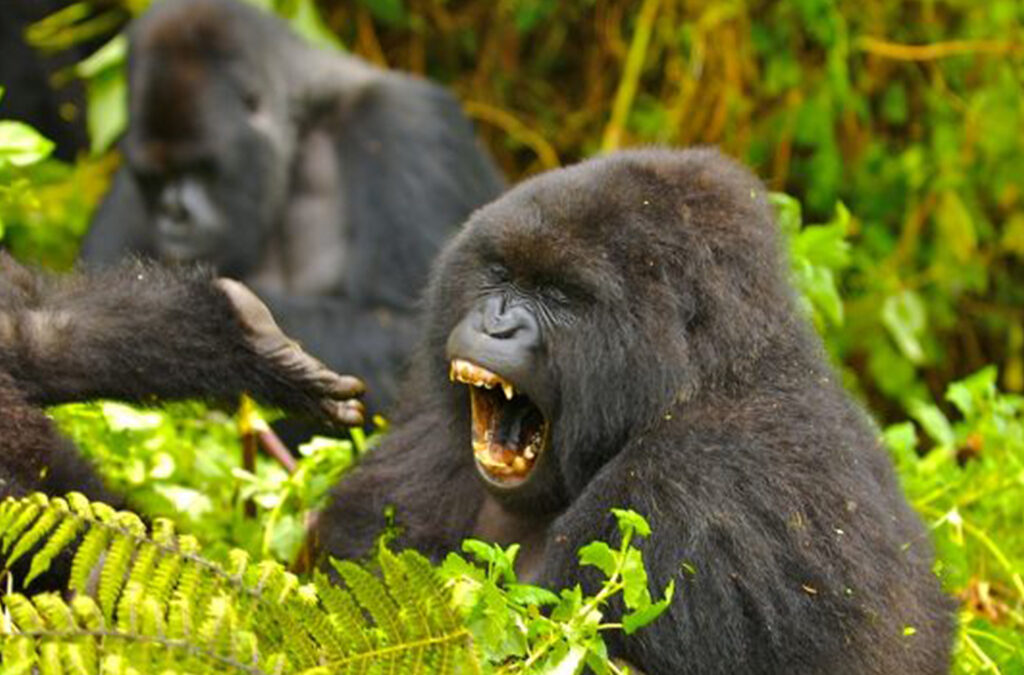
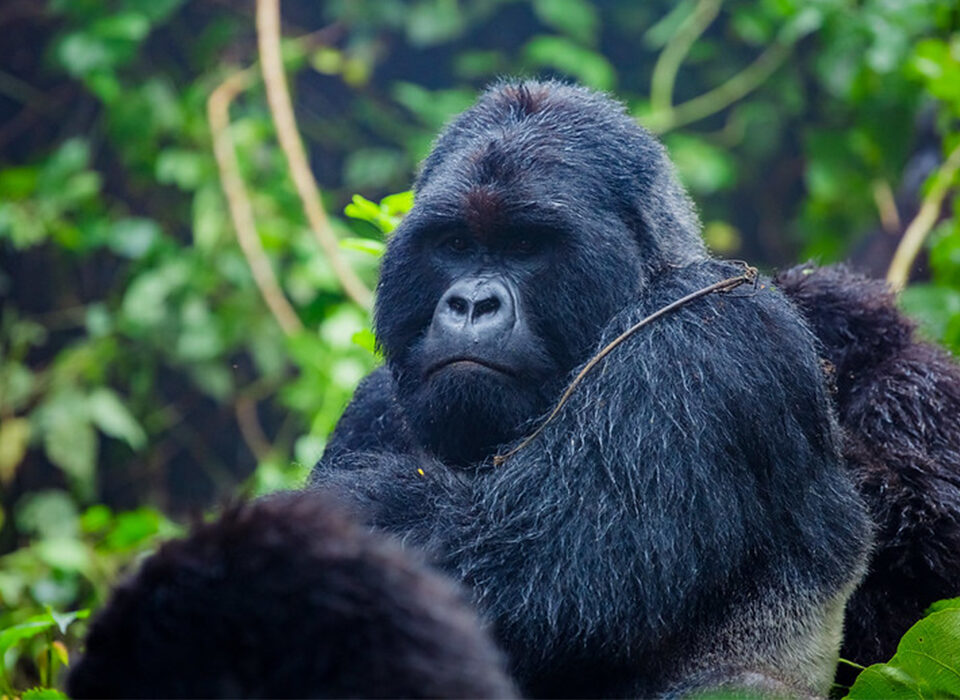
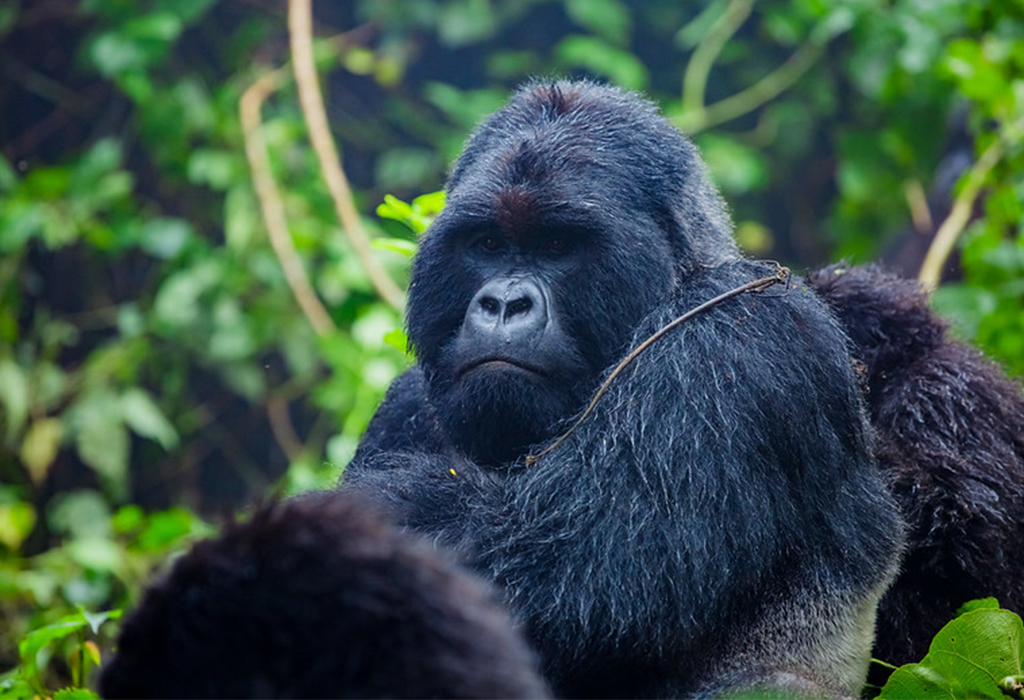
Tracking mountain gorillas in the Rushaga sector of Bwindi Impenetrable National Park offers one of the most extraordinary wildlife experiences in Africa. This southern section of the forest hosts a high population of habituated mountain gorillas, which significantly increases your chances of encountering these gentle giants in their natural habitat.
Because several gorilla families live in this area, visitors often enjoy close and memorable sightings during their trek.
Rushaga sits in the southern part of Bwindi and ranks among the best places for gorilla trekking in Uganda. The sector hosts many habituated gorilla families and issues dozens of trekking permits each day, which makes it easier for travelers to secure permits.
Rushaga also stands out as the only place in the world where visitors can participate in the gorilla habituation experience, an activity that allows a longer and more immersive encounter with mountain gorillas.
Below are the main reasons why trekking mountain gorillas in Rushaga is highly recommended.
High Population of Habituated Gorilla Families
Rushaga attracts many travelers because it hosts one of the largest numbers of habituated gorilla families in Bwindi. This high concentration greatly increases the chances of seeing gorillas during your trek.
Bweza Gorilla Family
The Bweza gorilla family split from the famous Nshongi group after leadership conflicts. The silverback Kakono leads the group. Today the family includes several adult females, juveniles, and infants.
Mishaya Gorilla Family
The Mishaya gorilla family also originated from the Nshongi group. The dominant silverback Mishaya became famous for his strength and frequent battles with other gorillas. Over time, he attracted females from different groups and expanded his family.
Nshongi Gorilla Family
The Nshongi gorilla family once ranked among the largest gorilla groups in Bwindi. Although some members later split away, births within the group helped it grow again. Researchers named the group after the nearby Nshongi River, where they first observed it.
Kahungye Gorilla Family
The Kahungye gorilla family opened to tourists in 2011. The silverback Rumanzi leads the group, which includes several adult females and young gorillas. Internal conflicts later caused some members to split and form another group.
Busingye Gorilla Family
The Busingye gorilla family emerged from the Kahungye group. The dominant silverback Busingye leads the family and is known for his energetic and sometimes aggressive behavior. Visitors often describe this group as playful and active during trekking encounters.
Rwigi Gorilla Family
The Rwigi gorilla family is one of the newest groups in Rushaga. It separated from the Kahungye family and opened for trekking in 2024. The silverback Rwigi leads the group, which includes several females, juveniles, and infants.
Bikingi Gorilla Family
The Bikingi gorilla family began as a breakaway group from the Mishaya family. Researchers later started the habituation process so that tourists could eventually visit the group. Today the family includes several adult females and young gorillas.
Mucunguzi Gorilla Family
The Mucunguzi gorilla family formed after the silverback Mucunguzi left the Bweza group following a serious conflict. After living alone for some time, he attracted several females and created his own family group.
Tindatine Gorilla Family
The Tindatine gorilla family opened to tourists in 2024. Conflicts among dominant silverbacks led to its formation. Today the group consists of several members led by a single silverback.
Gorilla family sizes often change over time due to births, migrations, conflicts, and natural deaths.
Experience the Unique Gorilla Habituation Experience
Rushaga offers the only gorilla habituation experience in the world. This special activity allows visitors to spend up to four hours with a semi-habituated gorilla family.
Habituation refers to the gradual process through which wild gorillas become comfortable with human presence without feeling threatened.
During this experience, visitors join researchers, trackers, and rangers who actively participate in the habituation process.
The activity begins early in the morning with a briefing at the park headquarters. After the briefing, the group enters the forest to locate the gorillas and observe their behavior.
Unlike standard gorilla trekking, which allows only one hour with the gorillas, the habituation experience offers four hours for observation, photography, and learning.
Only four visitors per day can participate in this activity. This small group size creates a more personal and educational experience.
Visitors can observe gorilla interactions, watch them feed, and learn about the unique personalities within the group.
Although gorilla habituation permits cost more than regular trekking permits, many travelers consider the experience one of the most rewarding wildlife encounters in Africa. Experiya Tour Company can help arrange these permits when planning your gorilla trekking safari.
Easy Accessibility to the Rushaga Sector
Rushaga is relatively accessible by both road and air, making travel convenient for visitors.
Traveling by road from Kampala takes about eight to nine hours via the Masaka–Mbarara–Kabale route. Although the journey is long, it offers beautiful views of Uganda’s countryside, rolling hills, farmlands, and small towns.
Travelers who prefer a faster option can take domestic flights from Entebbe International Airport or Kajjansi Airstrip to nearby airstrips such as Kisoro or Kihihi. From there, a short road transfer takes visitors to Rushaga.
Some travelers also choose to access Rushaga through Kigali in Rwanda. The drive from Kigali to Rushaga takes approximately four to five hours, making it a shorter option than traveling from Kampala. However, visitors must carry the required documents to cross the Rwanda–Uganda border.
Wide Range of Accommodation Options
Rushaga offers a wide range of accommodation options suitable for different budgets. Visitors can choose from budget lodges, comfortable mid-range facilities, or luxury safari lodges.
Staying near the trekking starting point is highly recommended. It allows visitors to reach the park headquarters easily for the early morning briefing.
Because the area receives many visitors during peak seasons, travelers should book accommodation in advance.
Popular lodges in the Rushaga area include:
- Ichumbi Gorilla Lodge
- Gahiza Island Retreat
- Bwindi Jungle Lodge
- Karungi Camp
- Gorilla Leisure Lodge
- Four Gorillas Lodge
- Gorilla Hills Eco Lodge
The Gorilla Trekking Experience in Rushaga
Gorilla trekking in Rushaga begins early in the morning at the park headquarters.
Park rangers first conduct a briefing where they explain trekking rules, safety guidelines, and what visitors should expect in the forest.
After the briefing, guides assign each group a specific gorilla family. Experienced guides and armed rangers then lead the trek into the forest.
The trek may take two to several hours, depending on the gorillas’ location, the terrain, and the group’s pace.
Because gorillas move frequently while searching for food, trackers may need time to locate them. Weather conditions can also influence the length of the trek, especially during rainy periods when trails become slippery.
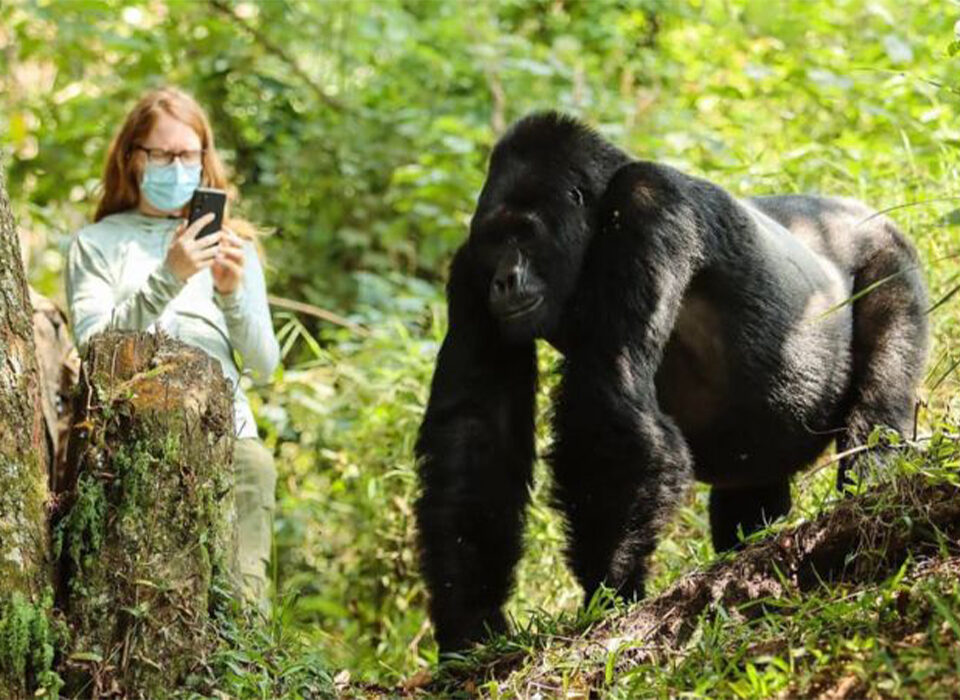
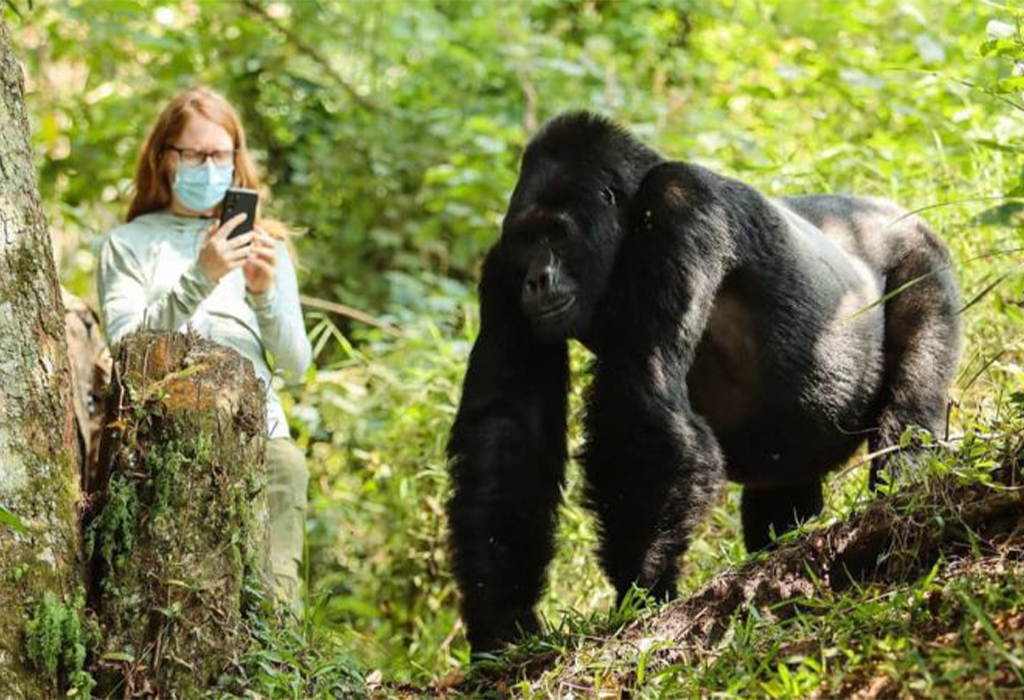
Once visitors locate the gorilla family, they spend one unforgettable hour observing them. During this time, you may watch the gorillas feed, groom each other, play, or rest quietly in the forest.
Cost of a Gorilla Safari in Rushaga
Several factors influence the total cost of a gorilla safari in Rushaga. These include accommodation type, number of travelers, travel season, and additional activities included in the itinerary.
The gorilla trekking permit represents the main cost. Currently, the permit costs:
- USD 800 for foreign non-residents
- USD 700 for foreign residents with work permits
- UGX 300,000 for East African citizens or residents
Transportation, accommodation, guiding services, and extra activities such as cultural visits, nature walks, or birdwatching can also affect the final safari cost.
Traveling in a group can reduce expenses because travelers share transportation and guiding costs.
Gorilla Trekking Rules in Rushaga
Gorilla trekking follows strict conservation rules designed to protect both visitors and gorillas.
Visitors must keep a minimum distance of seven meters from the gorillas to reduce the risk of disease transmission. Anyone who feels sick should not participate in the trek.
Feeding gorillas is strictly prohibited because they must remain wild and independent.
Visitors should also avoid littering, damaging vegetation, or making loud noises in the forest.
Trekkers should speak quietly and avoid sudden movements that might disturb the gorillas. Flash photography is not allowed, and visitors must stay with their guide at all times.
Only visitors aged 12 years and above can participate in gorilla trekking. Once trekkers locate the gorillas, they can spend a maximum of one hour observing them.
Best Time to Visit the Rushaga Sector
Visitors can go gorilla trekking in Rushaga throughout the year, but the dry seasons offer the most comfortable trekking conditions.
The best months include:
- June to September
- December to February
During these months, forest trails remain drier and easier to navigate. Thinner vegetation also improves visibility when observing gorillas.
The rainy seasons, which usually occur from March to May and around November, can make trekking more challenging. Trails often become muddy and slippery.
However, some travelers prefer the rainy season because the forest appears lush and green, and visitor numbers are lower.
Plan Your Gorilla Trekking Adventure
The Rushaga sector remains one of the most exciting destinations for gorilla trekking in Bwindi Impenetrable National Park. Its high number of habituated gorilla families, the unique gorilla habituation experience, good accessibility, and diverse accommodation options make it an exceptional safari destination.
Planning your trip early is essential because gorilla permits are limited and highly sought after.
Experiya Tour Company can help you organize a well-planned gorilla trekking safari to Rushaga, ensuring a memorable and life-changing encounter with the endangered mountain gorillas.