Best Time to Visit Virunga National Park
March 11, 2026
Why You Should Track Mountain Gorillas in the Rushaga Region of Bwindi
March 11, 2026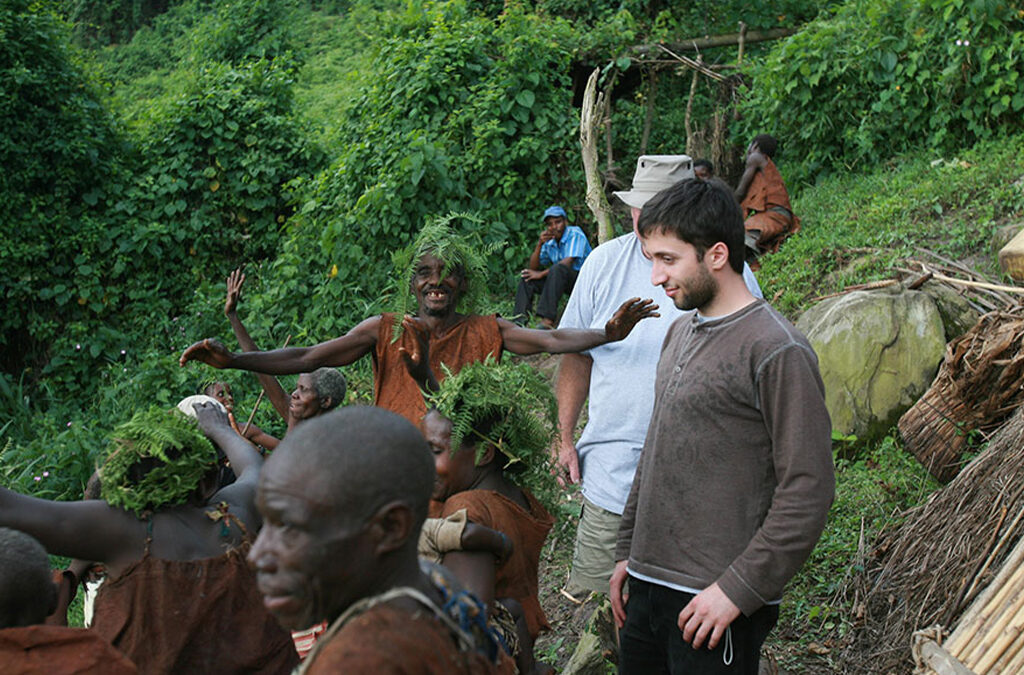
When your honeymoon gorilla trekking permits are booked for the Rushaga sector of Bwindi Impenetrable National Park, you can enrich your safari experience by visiting nearby community projects. These initiatives allow travelers to connect with local people while supporting conservation efforts around the park.
Community projects around Bwindi play a vital role in encouraging local communities to protect wildlife, especially the endangered mountain gorillas. By participating in these projects, visitors contribute to community development while gaining a deeper understanding of the lives of people who live near the forest.
Bwindi Impenetrable National Park is large and diverse. For easier administration and tourism management, the park is divided into four main sectors. Rushaga and Nkuringo are located in the southern part of the park, while Buhoma and Ruhija lie in the northern region.
Several community initiatives around Bwindi are recognized by the Uganda Wildlife Authority as part of a broader strategy to ensure that local communities benefit from conservation. When visitors engage with these projects, they help strengthen community awareness and support for wildlife protection.
In Rushaga, travelers can participate in several meaningful projects such as education support programs, healthcare outreach, water initiatives, and infrastructure improvement activities.
Supporting Local Schools in Rushaga
Many rural schools around Bwindi still require support to meet modern educational standards. Visitors interested in helping local schools near the Rushaga sector should first seek permission from relevant authorities and coordinate with the school administration.
Some schools in these remote areas face shortages of scholastic materials, clean water sources, and school feeding programs. By offering support, visitors can make a meaningful contribution to improving education opportunities for children living near Bwindi Impenetrable National Park.
Healthcare Support Projects in Rushaga
Healthcare outreach programs are another impactful way to support communities around Rushaga. Organizing a medical camp to diagnose and treat illnesses can significantly benefit residents who have limited access to healthcare facilities.
Many people living near Bwindi struggle to reach health centers due to distance, difficult terrain, or financial limitations. As a result, healthcare outreach initiatives can help address urgent medical needs.
However, anyone planning to organize a health-related community project must coordinate with responsible authorities. The Uganda Ministry of Health must be notified, and all necessary approvals and protocols must be followed before conducting such activities.
Social Development Projects in the Rushaga Area
Water access remains a major challenge in communities around Bwindi. Due to the mountainous terrain, distributing clean water to higher elevations can be difficult. Supporting water projects in Rushaga therefore makes a significant difference in improving daily life for local residents.
Road infrastructure also requires continuous improvement. Many roads around Rushaga become especially difficult to use during the rainy season. Although local authorities use available funds to maintain roads, additional support can help strengthen the transportation network and improve accessibility for both communities and visitors.
Visiting the Batwa Community
Rushaga is home to some settlements of the Batwa people, an indigenous community that once lived inside Bwindi Forest before it became a protected national park.
Historically, the Batwa depended entirely on the forest for survival. They hunted small animals, gathered wild honey, and collected herbs and other natural resources from the forest.
Today, visitors can learn about the Batwa’s traditional lifestyle through guided cultural experiences. During a visit, the Batwa may demonstrate their former forest survival techniques, perform cultural dances, and share stories about their heritage.
These visits require prior arrangement and are usually organized with the help of local guides. Supporting Batwa cultural experiences helps create alternative income sources for the community while promoting conservation awareness.
Nkuringo Community Walk
Because Rushaga lies close to the Nkuringo sector, travelers can also participate in the Nkuringo community walk. This guided experience introduces visitors to the daily life of local residents.
During the walk, visitors may meet traditional blacksmiths, explore local homesteads, and observe small-scale local brewing practices. The community walk offers authentic cultural interactions while supporting local livelihoods.
The funds collected from these walks contribute to community development projects and provide income opportunities for local families.
What to Expect During a Community Project Visit
Rushaga lies within a mountainous landscape typical of the Bwindi region. As a result, visitors should expect a combination of driving, walking, and hiking when traveling between communities.
Roads and trails can be rough, especially during the rainy season when surfaces become muddy and slippery. The terrain may therefore require moderate physical effort.
Language barriers can sometimes arise since many local residents primarily speak local languages. Hiring a knowledgeable local guide helps bridge communication gaps and ensures smoother interactions.
Visitors should also respect community norms. Always ask for permission before taking photographs or recording videos, as some residents may feel uncomfortable being photographed without consent.
Sanitation facilities in rural communities are often basic, so visitors should prepare accordingly. It is also advisable to carry any supplies needed for community projects because business centers in remote areas are limited.
Most community restaurants serve local dishes, and international cuisine may not always be available. Visitors can either enjoy traditional Ugandan meals or request packed lunches from their lodge.
Best Time to Combine Gorilla Trekking with a Community Visit
Gorilla trekking in Bwindi is possible throughout the year. However, most travelers prefer visiting during the dry seasons from June to September and December to January.
During these months, rainfall is generally lower, which makes forest trails easier to navigate. Community paths around Rushaga also become easier to explore because many activities involve walking.
Although rain can occur at any time in Bwindi, the dry season usually brings fewer weather disruptions to safari activities.
However, visiting during the wet season from March to May and in November can also be rewarding. These months mark the low tourism season in Uganda, meaning fewer visitors in the park.
Couples on a honeymoon safari may therefore enjoy more privacy and a more exclusive experience during this quieter period.
Safety During Gorilla Trekking and Community Visits
Rushaga is considered safe for gorilla trekking and community visits. However, travelers should always take basic safety precautions.
Visitors should keep valuable items secure and pack appropriate safari gear for their trip. Attending the gorilla trekking briefing is also essential because rangers provide important guidelines and updates about the forest.
Uganda Wildlife Authority ranger guides regularly patrol the forest to protect wildlife. Security teams also work together with other national security agencies to maintain law and order in communities surrounding Bwindi.
Travelers should respect local cultural norms and follow instructions from guides to ensure a safe and respectful experience.
Cost of a Community Visit in Rushaga
The cost of visiting community projects in Rushaga depends on the type of activity chosen. Hiring a local guide is recommended because guides understand the area well and help visitors communicate with residents.
Guide fees typically start from about 30 USD, although prices may vary depending on the length and nature of the activity.
Walking remains the main way to explore most community areas around Rushaga due to the rugged terrain created by ancient volcanic activity.
In some cases, visitors can request a basket stretcher service to reach difficult locations. This service is similar to the sedan chair used during gorilla trekking and helps travelers navigate steep terrain comfortably.
How to Reach Community Projects in Rushaga
Road transport is the primary way to reach Bwindi Impenetrable National Park. However, travelers should expect winding mountain roads.
A reliable 4×4 vehicle is highly recommended because volcanic soils can become slippery, especially after rainfall.
Many community projects are located on hilltops or deep valleys where vehicles cannot reach easily. In such cases, walking becomes the best option.
Travelers who prefer additional support can also hire a basket stretcher service to access difficult locations.
Benefits of Visiting Community Projects in Rushaga
Visiting community projects during your honeymoon gorilla safari allows you to contribute directly to the sustainability of local initiatives. These projects help strengthen conservation awareness among communities living near Bwindi.
Local residents also benefit economically through the sale of handmade crafts and souvenirs. When visitors purchase these items, they encourage local artisans to continue producing traditional crafts.
Financial contributions to education and healthcare projects further support community development. Many children in rural areas lack access to education due to limited resources. External support can therefore help provide scholarships, learning materials, and improved school facilities.
Community visits also offer a unique opportunity to experience rural Ugandan life. Visitors can observe daily activities such as farming, harvesting crops, and preparing food.
Most importantly, choosing to go gorilla trekking in Uganda contributes directly to mountain gorilla conservation. A portion of the park revenue supports a profit-sharing program through which the Uganda Wildlife Authority allocates funds to surrounding communities.
What to Pack for a Honeymoon Gorilla Trek and Community Visit
The Bwindi region experiences cool temperatures throughout much of the day. Travelers should therefore pack warm clothing suitable for the forest environment.
Preparing a detailed packing list for your gorilla trekking safari helps ensure that you carry all essential items for both the trek and community visits.