
Top 10 Essential Tips for a Seamless Trip to Rwanda in 2026
January 13, 2026
Tarangire National Park: The Soul of Tanzania’s Wild
January 13, 2026
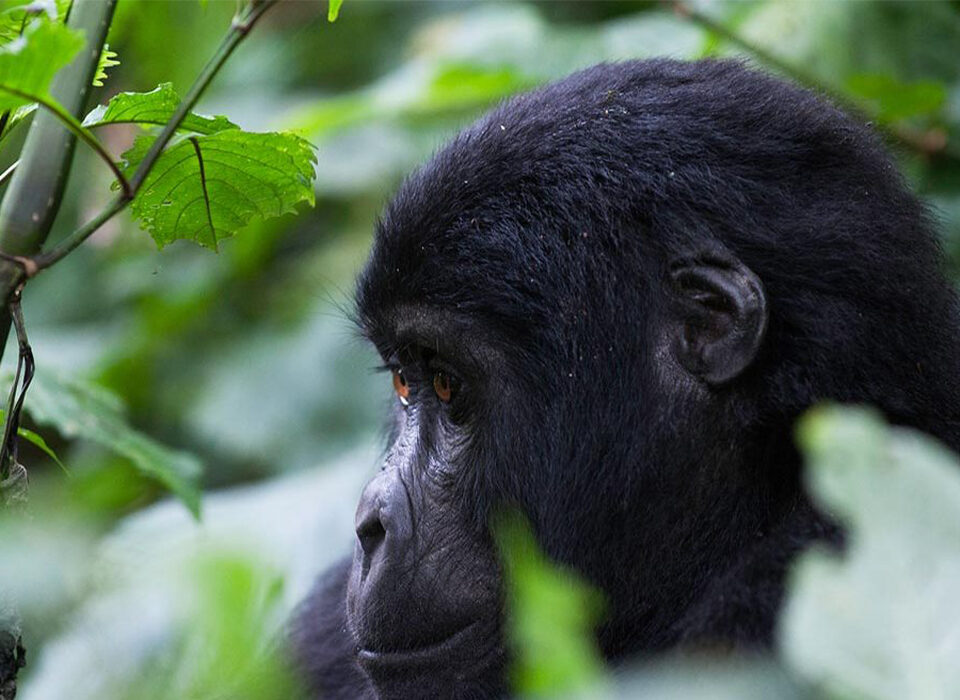
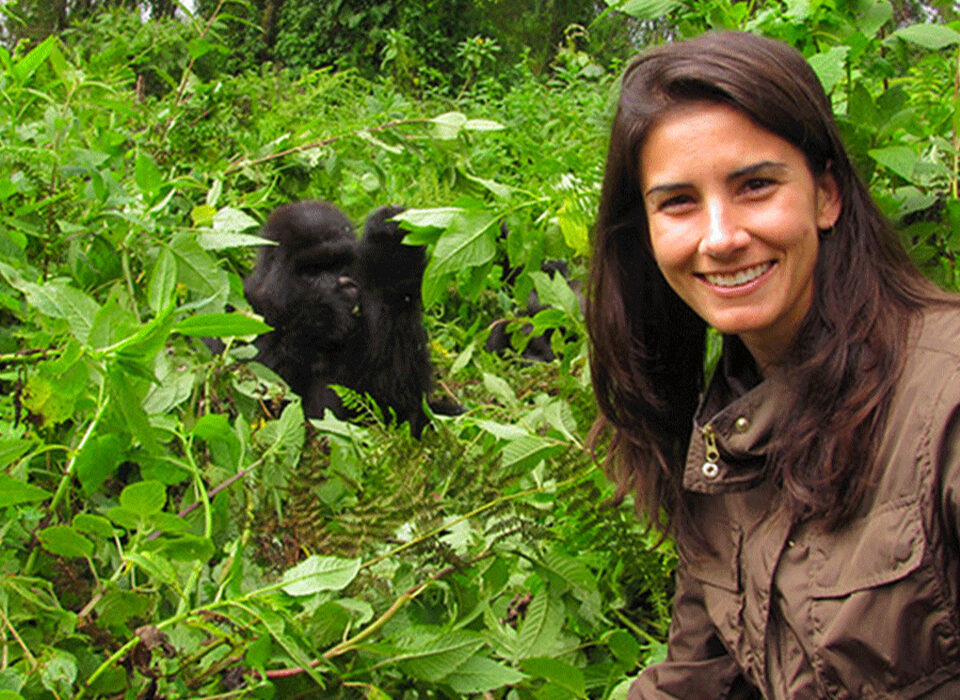
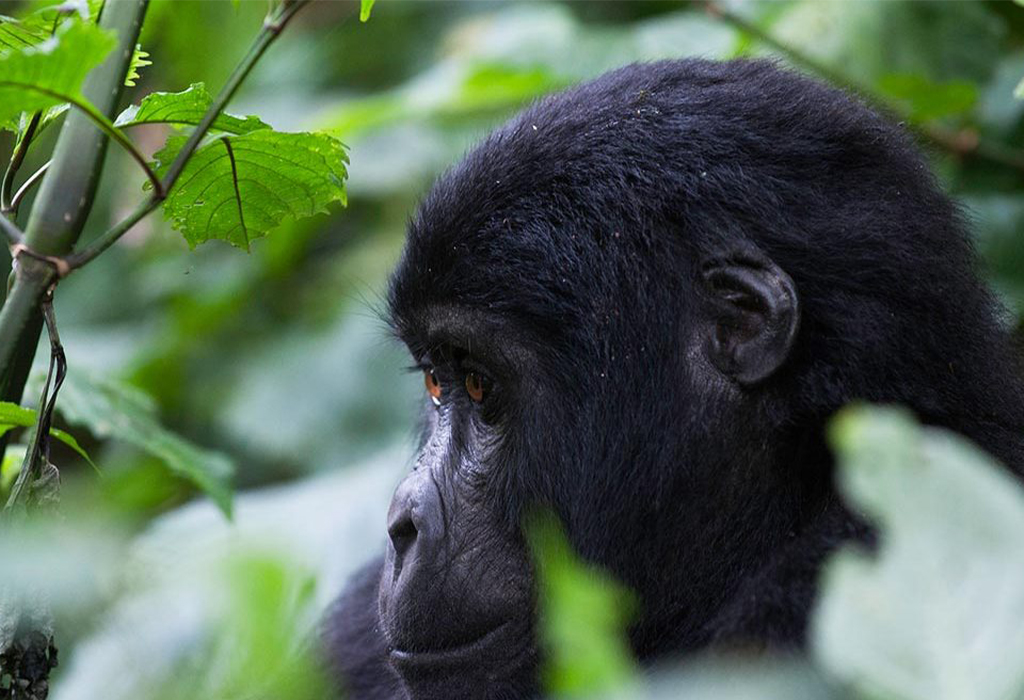
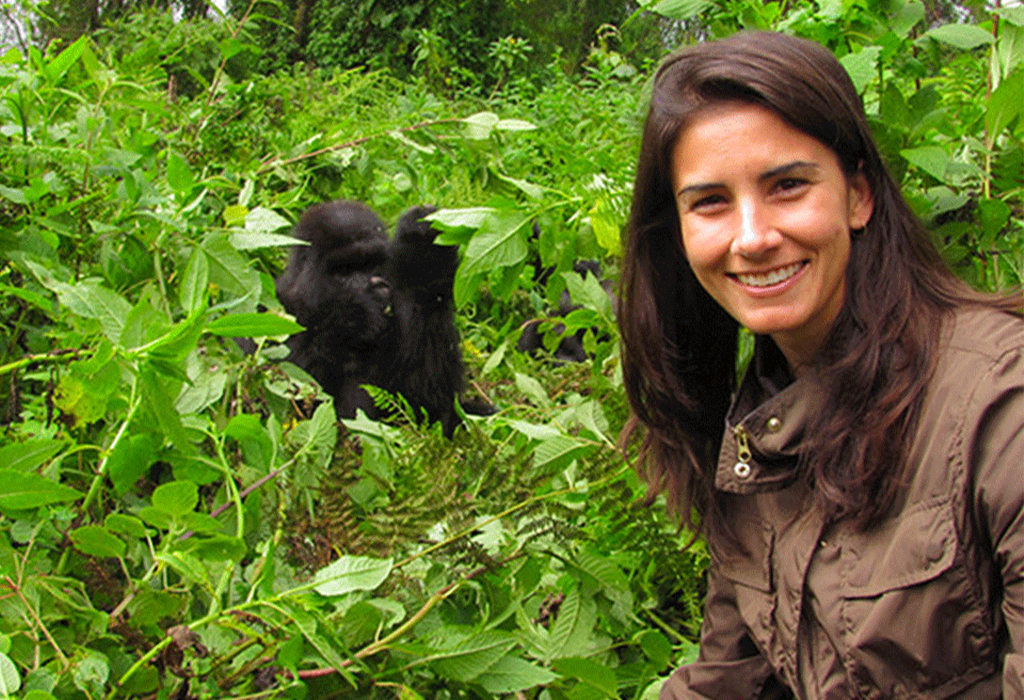
Seeing mountain gorillas in the wild is one of Africa’s most life-changing wildlife experiences. In Uganda and Rwanda, travelers enjoy one of the highest wildlife sighting success rates in the world, estimated at about 99%. This remarkable success is no accident it is the result of decades of conservation investment, careful planning, and professional guiding.
Well-Habituated Gorilla Families
One of the main reasons gorilla sightings are so reliable in Uganda and Rwanda is the presence of well-habituated gorilla families. These gorillas have undergone a long, carefully managed process that allows them to become accustomed to human presence without altering their natural behavior. As a result, they do not flee when visitors approach, allowing for calm, close, and respectful encounters.
Highly Trained Trackers and Ranger Guides
Both countries have heavily invested in training professional trackers and ranger guides. Every morning before trekking begins, trackers head into the forest to locate each gorilla family. They then communicate the exact location to ranger guides, who lead visitors directly to the gorillas.
Because of this system, trekking does not involve wandering blindly through the forest. Instead, it becomes a guided journey with expert knowledge, increasing efficiency and greatly improving your chances of success.
Trekking at a Comfortable Pace for Everyone
In Uganda and Rwanda, gorilla trekking operates at the pace of the slowest person in the group. Ranger guides ensure that no one is rushed or left behind. This inclusive approach allows travelers of different fitness levels to enjoy the experience comfortably and confidently.
Additionally, gorilla family allocation often considers visitors’ physical ability and preferences. If you request a more accessible gorilla family, ranger teams do their best to assign one that requires a shorter or less demanding hike.
Support from Porters and Sedan Chairs
Hiring a porter significantly improves your trekking experience. Porters help carry backpacks and provide physical support during steep or muddy sections of the trail. Their assistance not only makes trekking easier but also supports local livelihoods.
For elderly travelers or those with limited mobility, sedan chairs or stretchers are available at an additional cost. These services allow guests to be carried safely to and from the gorillas, ensuring that physical limitations do not prevent anyone from experiencing this extraordinary wildlife encounter.
Best Places to See Mountain Gorillas in Uganda and Rwanda
Bwindi Impenetrable National Park, Uganda
Bwindi Impenetrable National Park lies in southwestern Uganda and is home to nearly half of the world’s remaining mountain gorillas. The park hosts 18 habituated gorilla families open for tourism, distributed across Buhoma, Rushaga, Nkuringo, and Ruhija trekking sectors.
Beyond gorillas, Bwindi boasts incredible biodiversity. The forest is over 30,000 years old and survived the Ice Age, allowing it to accumulate an extraordinary range of flora and fauna. Visitors may encounter chimpanzees, olive baboons, grey-cheeked mangabeys, red-tailed monkeys, and more than 350 bird species, including Albertine Rift endemics and IUCN-listed species. Ruhija and the Mubwindi Swamp remain premier birding areas.
Mgahinga Gorilla National Park, Uganda
Mgahinga Gorilla National Park lies in southern Uganda within the Virunga Mountains and covers about 33.7 square kilometers. Although smaller, the park hosts the Nyakagezi gorilla family, which is open for trekking.
Because fewer visitors come here, Mgahinga retains a pristine, untouched feel. The park also offers volcano hikes, where travelers can stand at the meeting point of Uganda, Rwanda, and the Democratic Republic of Congo. Golden monkeys, black-and-white colobus monkeys, and over 115 bird species further enrich the experience.
Volcanoes National Park, Rwanda
Volcanoes National Park in northwestern Rwanda is the only place to see mountain gorillas in Rwanda. The park currently has 15 habituated gorilla families available for tourism, with more expected as conservation continues.
In addition to gorillas, the park hosts golden monkeys and several other primates. Bird enthusiasts can spot over 300 bird species, including Albertine Rift endemics such as the Rwenzori Turaco and Shelley’s Crimsonwing. The dramatic backdrop of five volcanoes Karisimbi, Bisoke, Muhabura, Gahinga, and Sabyinyo adds to the park’s breathtaking scenery.
Gorilla Trekking Permits and Why Sightings Are Almost Guaranteed
To trek gorillas, travelers must obtain a gorilla trekking permit from the Uganda Wildlife Authority or the Rwanda Development Board. Each gorilla family receives only eight visitors per day, a strict conservation measure that prevents overcrowding and minimizes stress on the gorillas.
Mountain gorillas live within defined home ranges and move relatively slowly due to their large body size. Unlike many wild animals, they do not migrate long distances daily, which makes locating them far more predictable.
Gorilla Trekking Permit Costs in Uganda and Rwanda
Uganda charges USD 800 per person per trek, while Rwanda charges USD 1,500 per person per trek. These permit fees apply across all safari styles, whether luxury, midrange, or budget.
Several factors influence the overall safari cost when booking through Experiya Tour Company. These include the number of days spent on safari, the season of travel, the number of people sharing the tour, and whether additional activities such as chimpanzee trekking, game drives, boat cruises, or mountain hikes are included.
What the Gorilla Permit Fee Covers
The gorilla permit fee supports ranger guide services, gorilla health monitoring, and habituation programs. Veterinary teams routinely conduct health checks and laboratory testing to protect the gorillas from disease.
Permit revenue also supports surrounding communities. When gorillas occasionally wander into farmland, compensation funds help affected locals. Community projects such as schools, roads, and water sources benefit directly from tourism, encouraging conservation and coexistence.
How Difficult Is Gorilla Trekking?
Gorilla trekking takes place in rugged, volcanic terrain with steep slopes and dense vegetation. During rainy seasons, gorillas may move to higher ground, making some treks more demanding. While a basic level of fitness helps, travelers do not need extreme physical training.
Ranger guides use machetes to clear vegetation, ensuring safe passage. With patience, professional guidance, and optional porter support, most travelers successfully complete the trek.
Best Time to Book Gorilla Trekking Safaris
Gorilla trekking operates year-round in both Uganda and Rwanda. However, permits are limited and sell out quickly during peak seasons from June to September and December to January. Booking at least six months in advance is highly recommended.
Dry months offer easier hiking conditions, although wildlife remains active throughout the year. Prices for accommodation and services tend to rise during peak seasons due to demand.
What to Pack for Gorilla Trekking in Uganda and Rwanda
Packing wisely enhances comfort and safety during your trek. Bring neutral-colored safari clothing, sturdy hiking boots, rain protection, warm layers for early mornings, and insect repellent. A camera, binoculars, extra batteries, and garden gloves are also useful. Masks are mandatory when approaching gorillas to protect both visitors and wildlife.
Final Thoughts
Uganda and Rwanda offer one of the most reliable wildlife experiences on Earth. Thanks to expert tracking, strict conservation policies, and thoughtful visitor management, gorilla trekking achieves an extraordinary success rate. With careful planning and the guidance of Experiya Tour Company, your journey to meet mountain gorillas becomes not just a safari, but a once-in-a-lifetime encounter with one of humanity’s closest relatives.