Religious Tourism in Uganda: Exploring the Country’s Spiritual Heritage
March 7, 2026
3 Days Rwanda Gorilla Safari and Golden Monkey
March 7, 2026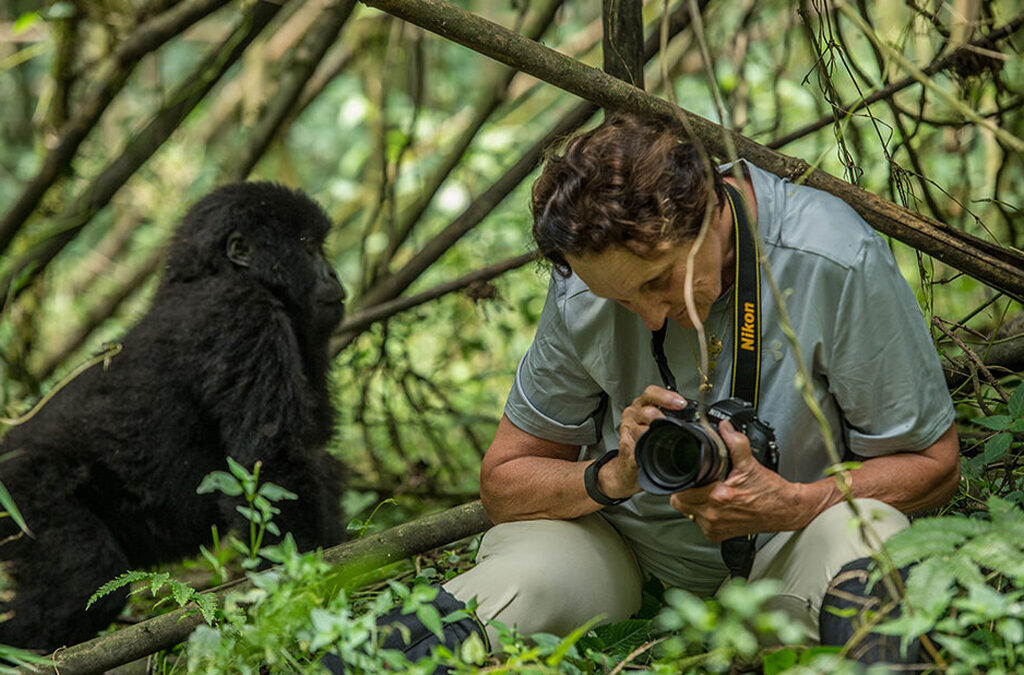
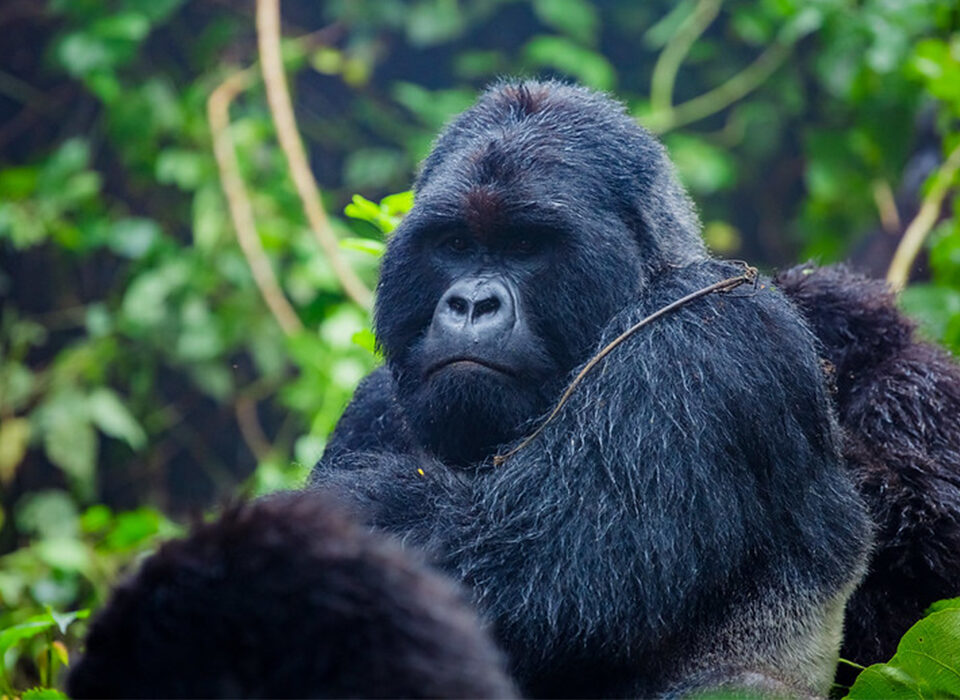
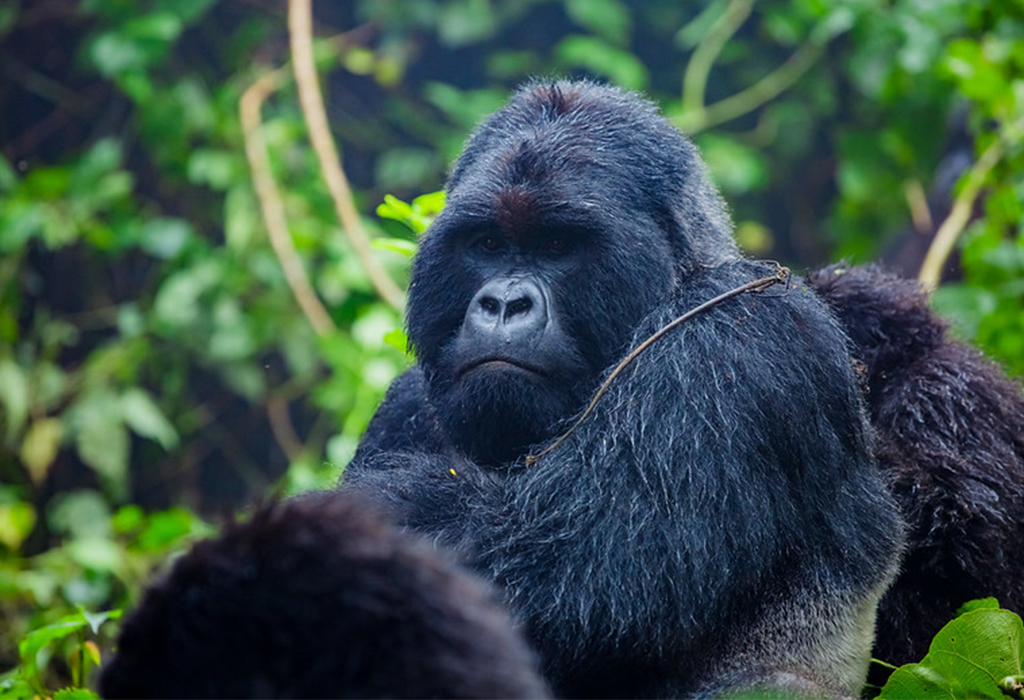
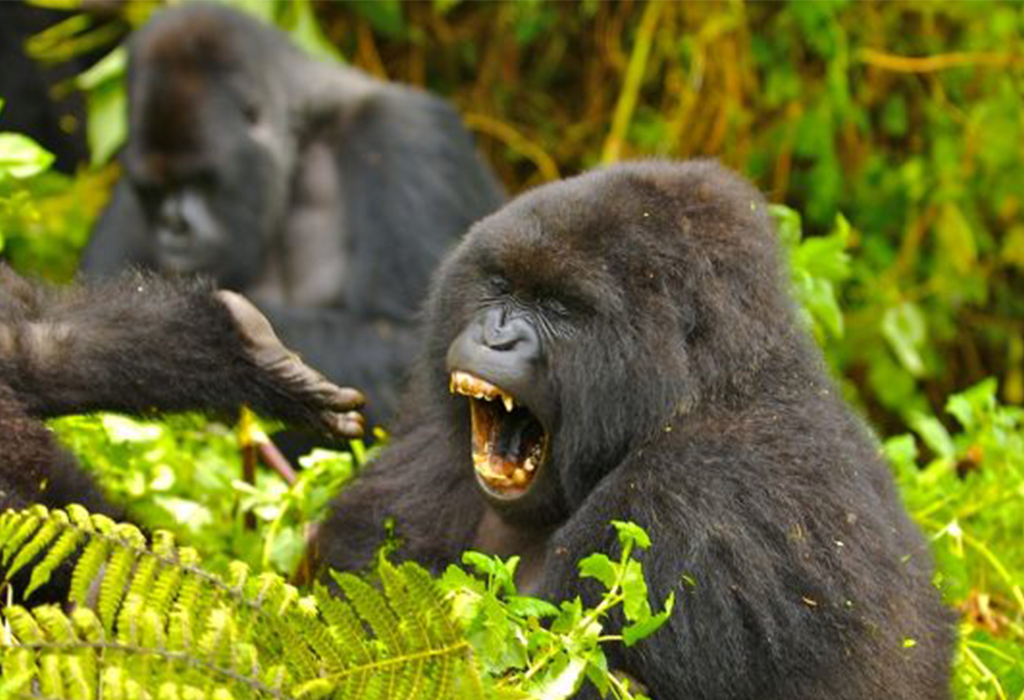
Why Most Visitors Prefer Bwindi Over Mgahinga for Gorilla Trekking comes down to three key factors: scale, variety, and opportunity. While both parks protect the endangered mountain gorilla and lie within Uganda’s lush southwestern highlands, Bwindi Impenetrable National Park offers a far broader and more flexible trekking experience.
Bwindi hosts more than 25 habituated gorilla families spread across four trekking sectors. Because of this, the park accommodates significantly more visitors and provides greater flexibility for travel planning. In contrast, Mgahinga Gorilla National Park is home to only one habituated gorilla family, the Nyakagezi group.
Although both destinations promise an unforgettable encounter with mountain gorillas, most travelers, safari planners, and conservation experts consistently choose Bwindi. The reasons are clear when you examine the experience more closely.
Permit Availability and Flexibility
One of the most practical reasons why most visitors prefer Bwindi over Mgahinga for gorilla trekking is the availability of permits. Since Bwindi hosts more than 25 habituated gorilla families, each visited by a maximum of eight trekkers per day, the park can issue a large number of daily trekking permits.
As a result, travelers find it much easier to secure permits that match their preferred travel dates. Whether someone books months in advance or searches for last-minute availability, Bwindi offers far greater flexibility.
Mgahinga, on the other hand, issues only a few permits per day because it has a single habituated gorilla family. Furthermore, the Nyakagezi gorilla family occasionally moves across borders into Rwanda or the Democratic Republic of Congo. When this happens, trekking becomes temporarily unavailable in the park. For visitors who have invested heavily in flights, accommodation, and safari planning, that uncertainty can create significant risk.
Another advantage of Bwindi lies in its structure. The park divides into four trekking sectors: Buhoma in the north, Ruhija in the east, and Rushaga and Nkuringo in the south. This geographic distribution allows travelers to choose a sector that fits perfectly with their itinerary. Whether visitors arrive from Kampala, Kigali, or other parts of East Africa, one of Bwindi’s sectors usually offers the most convenient access.
Experiya Tour Company often recommends Bwindi for this reason, as it gives travelers more reliable scheduling options when planning their gorilla trekking safari.
Exclusive Experiences Found Nowhere Else
Beyond permit availability, Bwindi offers an experience that no other gorilla destination in the world provides: the Gorilla Habituation Experience.
Available only in the Rushaga sector, this unique activity allows a small group of visitors to spend up to four hours with a gorilla family that is still becoming accustomed to human presence. In comparison, standard gorilla trekking permits visitors to spend just one hour with a fully habituated gorilla family.
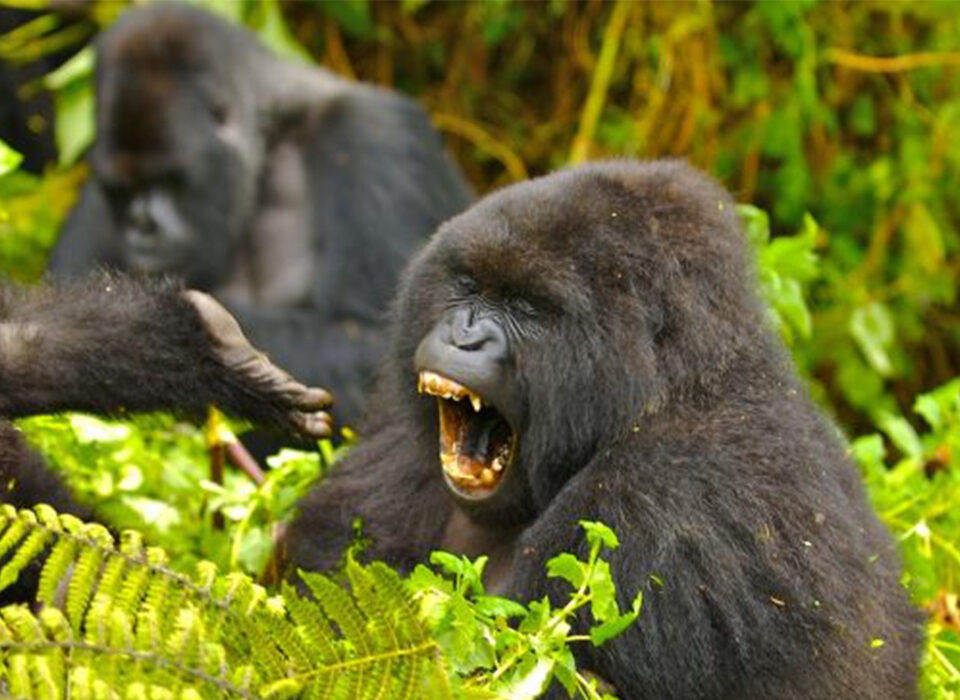
The difference is remarkable. During the habituation experience, visitors observe gorillas as they feed, rest, groom one another, play with their young, and interact socially. Researchers and park rangers guide the process while explaining gorilla behavior in detail.
For wildlife photographers, researchers, and passionate nature lovers, four uninterrupted hours in the presence of mountain gorillas creates a far deeper and more immersive wildlife encounter. This exclusive opportunity elevates Bwindi from a great gorilla trekking destination to one of the most extraordinary wildlife experiences in the world.
Exceptional Biodiversity and Global Recognition
Bwindi’s appeal extends far beyond its gorilla population. The park is a UNESCO World Heritage Site, a recognition that highlights its global ecological importance.
The forest protects one of Africa’s richest ecosystems. Within its boundaries live more than 120 mammal species, including forest elephants and several primates. The park also shelters over 350 bird species, making it a dream destination for birdwatchers. In addition, hundreds of butterfly species and ancient tree varieties thrive within the dense rainforest.
Because of this extraordinary biodiversity, Bwindi attracts not only gorilla trekkers but also researchers, conservationists, and nature enthusiasts from around the world. Visitors quickly realize that the park is far more than a gorilla trekking destination; it is one of Africa’s most important ecological treasures.
Experiya Tour Company often includes Bwindi as a centerpiece in Uganda safari itineraries because the park offers such a rich combination of wildlife, scenery, and conservation significance.
Safari Logistics and Infrastructure
From a travel planning perspective, Bwindi also enjoys a strategic location within Uganda’s safari circuit. The park lies relatively close to Queen Elizabeth National Park, one of East Africa’s most celebrated wildlife reserves. This park is famous for its tree-climbing lions in the Ishasha sector and the wildlife-rich Kazinga Channel.
Additionally, Kibale Forest National Park, widely recognized as the chimpanzee trekking capital of Africa, sits within reachable distance. This proximity allows travelers to combine gorilla trekking in Bwindi with chimpanzee tracking in Kibale and a classic wildlife safari in Queen Elizabeth National Park.
As a result, visitors can experience a diverse range of Uganda’s wildlife without unnecessary travel time or backtracking. Experiya Tour Company frequently designs itineraries that link these destinations together to create a complete and rewarding safari journey.
Accommodation options around Bwindi further strengthen its popularity. Across the four trekking sectors, visitors find a wide variety of lodges and guesthouses that suit every budget and travel style. Some travelers stay in simple community guesthouses that support local conservation initiatives. Others prefer comfortable mid-range safari lodges perched along the forest edge. Luxury travelers, meanwhile, can choose world-class eco-lodges offering spectacular views and sustainable design.
Mgahinga’s smaller size and lower visitor numbers mean that its accommodation infrastructure remains more limited by comparison.
A Note on Mgahinga
Although Bwindi dominates the conversation, Mgahinga Gorilla National Park still holds its own unique charm. The park’s dramatic volcanic scenery creates a landscape very different from Bwindi’s dense rainforest. The towering peaks of the Virunga Volcanoes form an unforgettable backdrop for wildlife experiences.
Mgahinga also offers visitors the chance to track golden monkeys, a rare and endangered primate species found only in the Albertine Rift region. For travelers seeking solitude, fewer crowds, and spectacular volcanic scenery, Mgahinga can provide a peaceful and rewarding experience.
Nevertheless, when comparing the two destinations directly, Bwindi continues to stand out. It offers more permits, exclusive experiences like the Gorilla Habituation Experience, easier safari logistics, and a wider range of accommodation choices. Its UNESCO recognition and remarkable biodiversity further reinforce its global appeal.
For these reasons, most visitors ultimately choose Bwindi for gorilla trekking.
Bwindi does more than simply offer more options. It delivers a deeper, richer, and more reliable wildlife experience. Above all, it brings travelers face to face with one of the most extraordinary animals on Earth in one of the most remarkable forests in Africa.