The Best of Rwanda Safaris
March 20, 2026
Why Choose Golden Monkey Trekking in Uganda?
March 20, 2026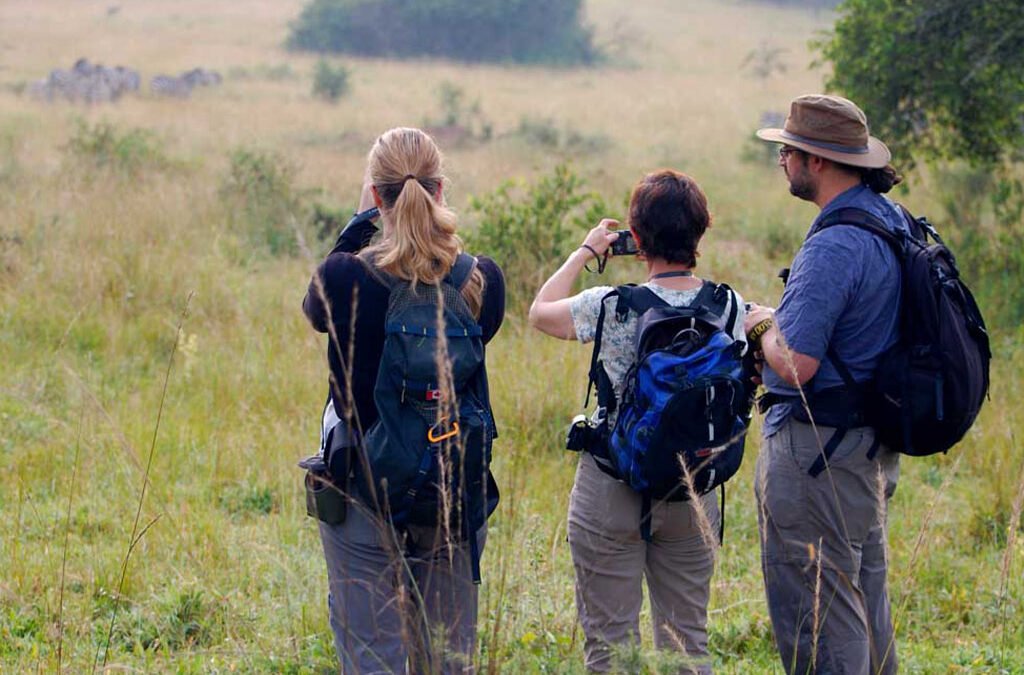
When most people imagine a safari in Uganda, they picture a vehicle rolling across vast plains as wildlife moves in the distance. However, Lake Mburo National Park offers something far more immersive. Here, you step out of the vehicle, lace up your boots, and walk straight into the wild. There is no engine noise and no metal barrier just you, your ranger, and the living bush surrounding you.
Because of this unique experience, Lake Mburo has earned its place as Uganda’s top destination for walking safaris. The reasons are not only compelling but also practical and deeply rewarding.
A Safe Environment for Exploring on Foot
To begin with, safety makes all the difference. Lake Mburo stands out because it does not host lions or elephants, which are typically the biggest risks in savannah parks. As a result, walking safaris here feel far more accessible and less intimidating.
In contrast, parks with large predators restrict walking activities to tightly controlled areas. At Lake Mburo, rangers can guide visitors across much broader sections of the park while maintaining a safe environment. This flexibility allows more freedom to explore and enjoy the landscape.
Consequently, families, elderly travelers, and first-time safari-goers can all participate comfortably. It becomes one of the few places in Uganda where walking safaris are not just an add-on activity but a central experience.
Unique Wildlife Encounters at Ground Level
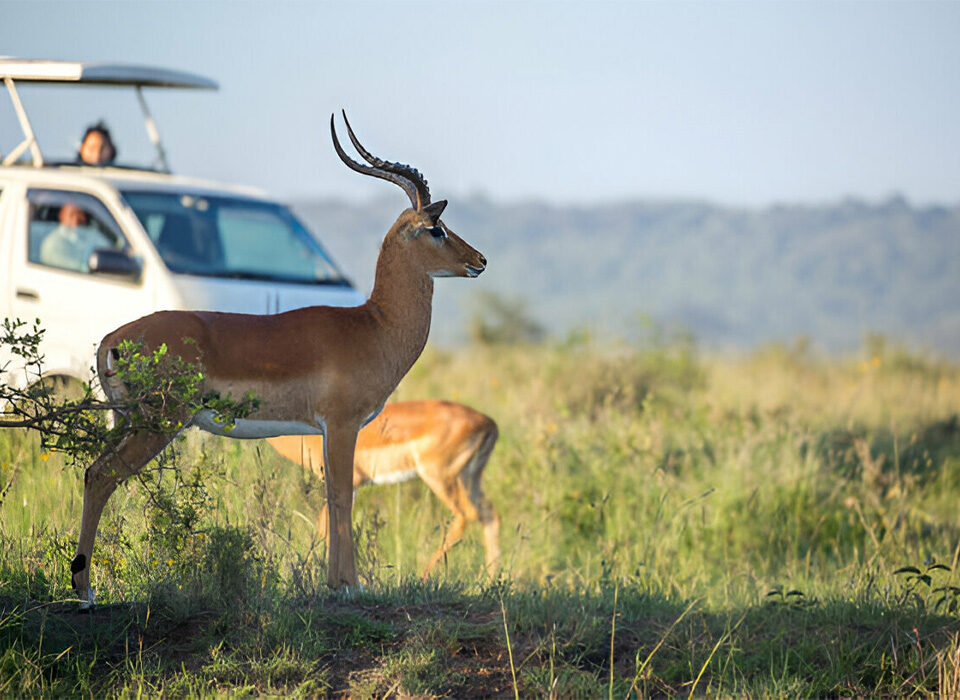
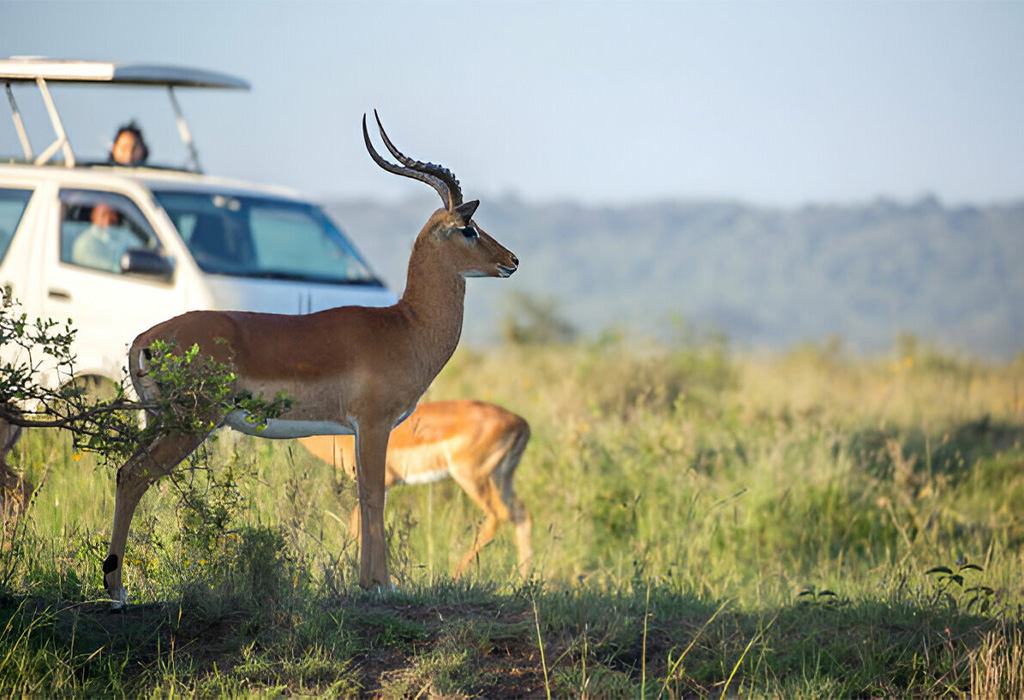
Beyond safety, Lake Mburo captivates visitors with its distinctive wildlife. Notably, it is the only park in southern and western Uganda where you can see impalas. These graceful antelopes move in elegant herds, and observing them on foot reveals behaviors you would easily miss from a vehicle.
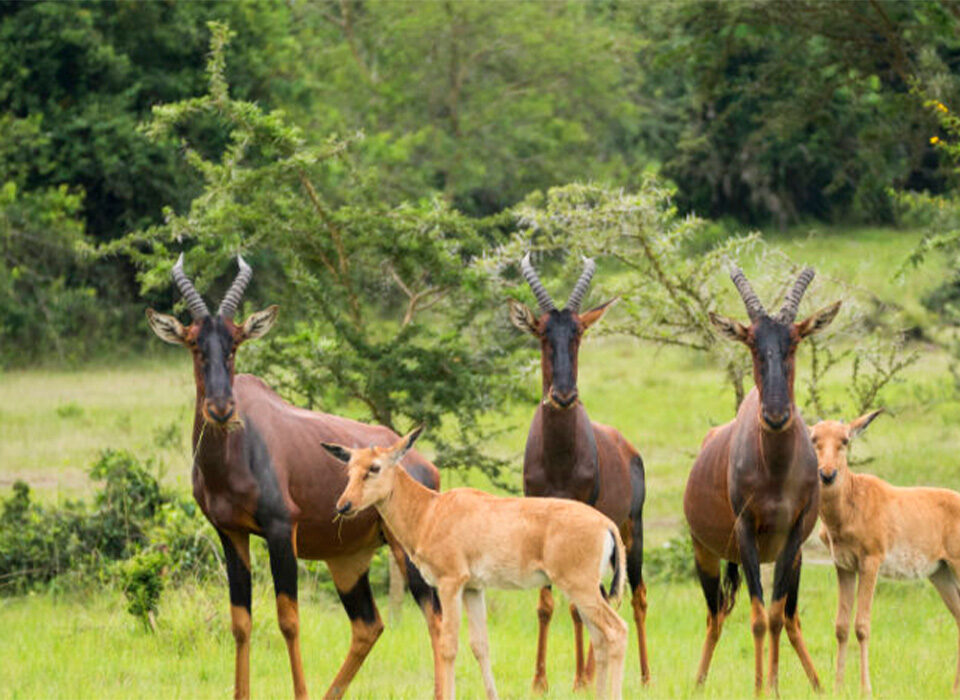
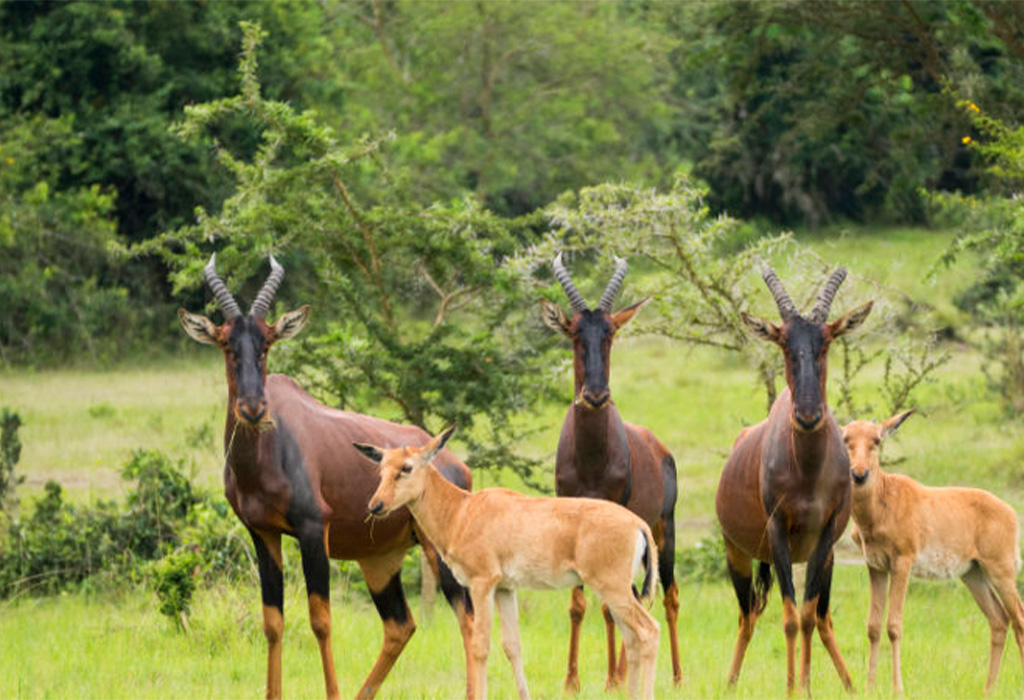
At the same time, the park supports strong populations of Burchell’s zebra and eland Africa’s largest antelope. On foot, you can approach these animals more quietly, allowing for closer and more meaningful encounters.
Additionally, Rothschild’s giraffes now roam the park after their reintroduction. Standing on the same ground as these towering animals creates a powerful sense of scale and connection that no vehicle safari can replicate.
Ever-Changing Landscapes That Keep You Engaged
Although Lake Mburo is relatively compact, its terrain feels surprisingly diverse. As you walk, the scenery shifts continuously. One moment, you cross open savannah dotted with acacia trees; the next, you enter dense woodland where filtered sunlight and birdsong surround you.
Moreover, the park features wetlands and rolling hills, ensuring that no two walks ever feel the same.
Two highlights stand out. Kazuma Hill rewards those who make the climb with breathtaking panoramic views, where you can see up to fourteen lakes shimmering in the distance. Meanwhile, the salt licks attract a steady stream of wildlife. These mineral-rich patches draw zebras and antelopes, especially in the early morning, offering exceptional viewing opportunities without disturbing the animals.
Learn to Read the Bush with Expert Rangers
Every walking safari in Lake Mburo takes place under the guidance of an armed Uganda Wildlife Authority ranger. Yet their role goes far beyond ensuring safety.
As you walk, rangers actively teach you how to interpret the environment. For instance, they show you how to identify animals through footprints and droppings. They also help you recognize bird calls and explain the behaviors behind them. In addition, they introduce you to medicinal plants that local communities have relied on for generations.
Because of this, the experience becomes more than just wildlife viewing. It transforms into a deeper understanding of how the ecosystem works, something that is difficult to achieve from inside a vehicle.
A Full Sensory Safari Experience
Perhaps the most remarkable aspect of walking safaris is how they engage all your senses. Without the noise of an engine, the bush comes alive in new ways.
You hear the gentle rustle of grass in the wind and the sharp crack of a twig beneath your feet. At the same time, birdsong builds into a natural chorus, especially in the early morning hours. You begin to notice the scent of the earth after rain and feel subtle temperature changes as you move between open savannah and shaded woodland.
In essence, walking brings you closer to nature in a way that a vehicle simply cannot.
Practical Tips for Planning Your Walking Safari
Planning a walking safari in Lake Mburo is refreshingly straightforward. Guided walks organized by the Uganda Wildlife Authority remain affordable, costing approximately $25 for foreign non-residents, $20 for foreign residents, and UGX 20,000 for East African residents.
Most walks begin around 7:00 AM, when temperatures are cooler and wildlife is more active. Late afternoon walks also provide excellent conditions for exploration.
Furthermore, visiting during the dry seasons from June to August and December to February improves visibility due to shorter grass and makes trails easier to navigate.
Experience Lake Mburo with Experiya Tour Company
Lake Mburo does not require you to be an experienced hiker or a seasoned traveler. Instead, it invites you to slow down, observe carefully, and connect with nature at a deeper level.
With thoughtful planning and expert guidance from Experiya Tour Company, your walking safari becomes more than just an activity it becomes a memorable journey into the heart of the wild. From safety and unique wildlife to immersive learning and sensory richness, Lake Mburo truly stands above every other destination in Uganda for walking safaris.