
Top Activities & Attractions in Rwanda
September 10, 2025
Best 2 Places To See Gorillas In Uganda
September 12, 2025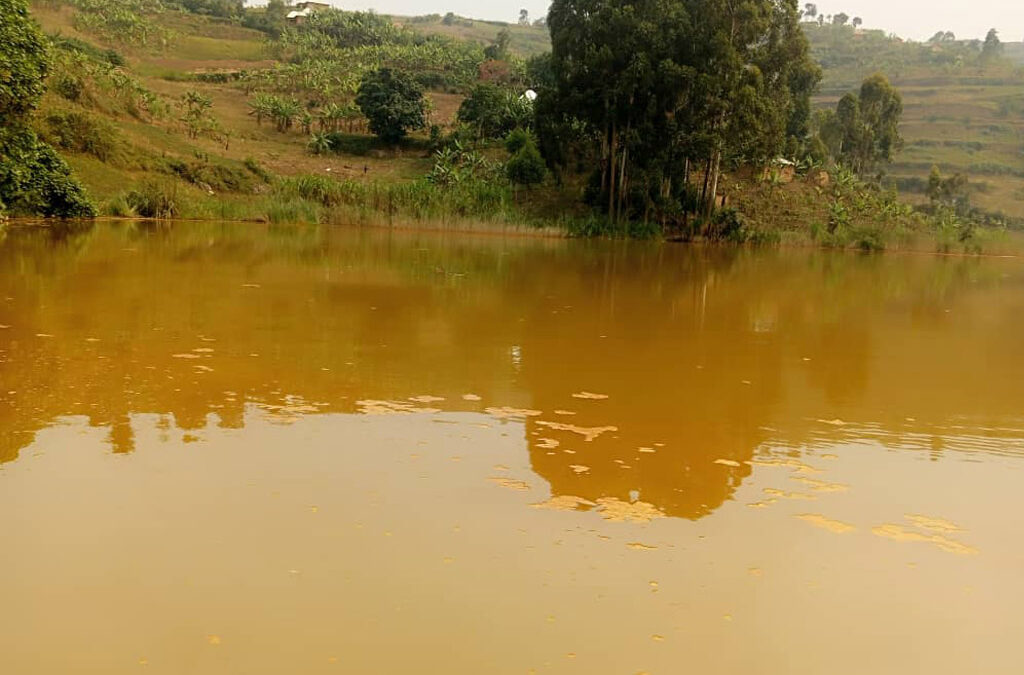
Lake Bunyonyi, often called the Switzerland of Africa for its scenic beauty and tranquil waters, has long been a symbol of natural splendor in southwestern Uganda. Known for its picturesque islands, abundant birdlife, and cultural heritage, the lake draws both local visitors and international travelers seeking a serene escape. However, recent observations have raised concern: the lake’s normally clear waters have turned brown and developed a foul odor, signaling potential threats to its ecosystem.
Understanding the Discoloration
The browning of Lake Bunyonyi’s waters is more than just a cosmetic change—it reflects underlying ecological challenges. Heavy rains often wash soil, sediments, and organic matter from surrounding hills into the lake. This process is natural but has been amplified by human activity.
The steep terraced slopes surrounding Lake Bunyonyi are heavily farmed. Without proper soil management practices, erosion intensifies, carrying nutrients and sediments into the water. These sediments reduce water clarity and impact aquatic life, including fish and amphibians. In some cases, the foul odor may come from decaying vegetation or pollutants entering the lake, such as agricultural runoff or waste from nearby settlements.
Impact on Local Communities
For those living near the lake, the issue is more than aesthetic. Lake Bunyonyi provides water, fish, and income from tourism. Many families depend on fishing for their livelihoods, while small businesses—guesthouses, restaurants, and boat rentals—rely on visitors drawn to the lake’s beauty.
When water quality declines, the local economy suffers. Fish populations may decrease, tourism may decline, and daily life becomes more challenging. This illustrates how closely the community’s wellbeing is tied to the health of the lake.
Causes of the Browning
Experts point to several contributing factors. Farming practices on the hills are a major concern. Terraced slopes, while visually striking, often lack adequate soil conservation measures. Without buffer zones, cover crops, or vegetation along waterways, heavy rains carry topsoil into the lake.
This influx of nutrients can fuel algae growth. When algae die and decompose, they release unpleasant odors and further degrade water quality. In addition, settlements without proper sanitation contribute pollutants such as detergents and waste, which can accelerate the problem.
Steps Toward Conservation
Addressing these challenges requires a coordinated approach:
- Sustainable Farming Practices: Techniques such as contour farming, agroforestry, and organic composting reduce soil erosion and nutrient runoff.
- Vegetation Restoration: Planting trees and grasses along the lake’s catchment acts as a natural filter for sediments and pollutants.
- Community Awareness: Educating local residents about proper waste disposal, eco-friendly farming, and the impacts of pollution is critical.
- Policy Enforcement: Local and national authorities must regulate construction, monitor water quality, and restrict unsustainable practices.
- Support Conservation Initiatives: Backing local environmental groups and research projects helps provide data to guide targeted interventions.
By combining these efforts, it is possible to restore and protect Lake Bunyonyi while supporting local livelihoods.
The Lake’s Ecological and Cultural Importance
Despite recent challenges, Lake Bunyonyi remains a remarkable natural treasure. Its calm waters are dotted with over 29 islands and provide habitat for numerous bird species, amphibians, and endemic fish. Cultural traditions, such as island rituals and fishing methods passed through generations, add another layer of significance.
Protecting the lake preserves both biodiversity and cultural heritage. Sustainable practices ensure that future generations can continue to enjoy the lake’s serene beauty, abundant wildlife, and rich history.
How Visitors Can Help
Tourists play a role in conservation as well. Simple actions, such as avoiding littering, respecting local regulations, and supporting eco-conscious accommodations, help safeguard the lake. Experiencing the lake responsibly encourages a deeper connection to its natural and cultural value.
A Shared Responsibility
The recent browning of Lake Bunyonyi’s waters is a wake-up call. It reminds us that conservation is not optional it is a shared responsibility. Protecting the lake ensures the health of its ecosystem, supports local communities, and preserves cultural traditions. With proper farming practices, vegetation restoration, community engagement, and policy enforcement, Lake Bunyonyi can continue to thrive.
By acting now, we safeguard a natural wonder that serves as both a lifeline for people and a sanctuary for wildlife. The lake’s future depends on the choices we make today.