Top 5 Tourist Attractions in Rwanda You Must Visit Now
March 26, 2026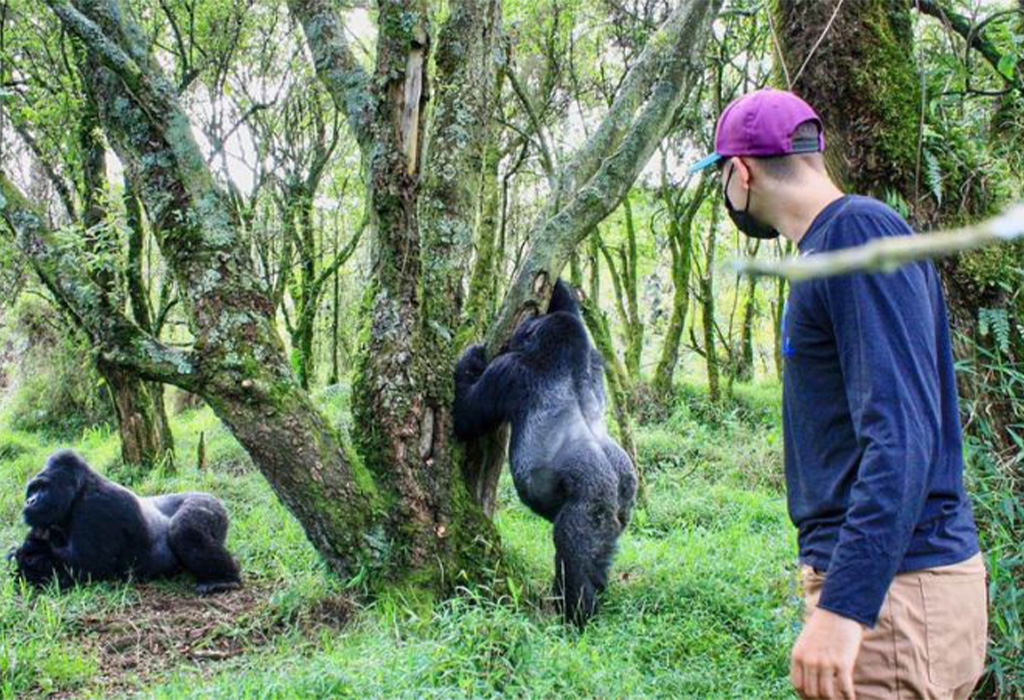
Why Is Gorilla Trekking in Uganda Cheaper During the Low Season?
March 27, 2026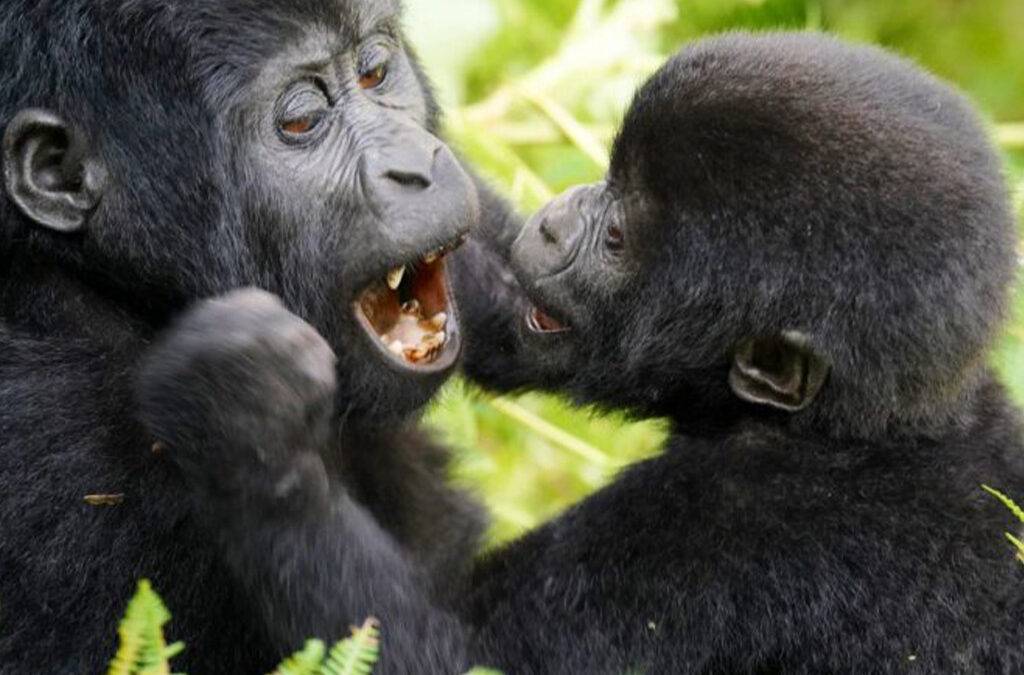
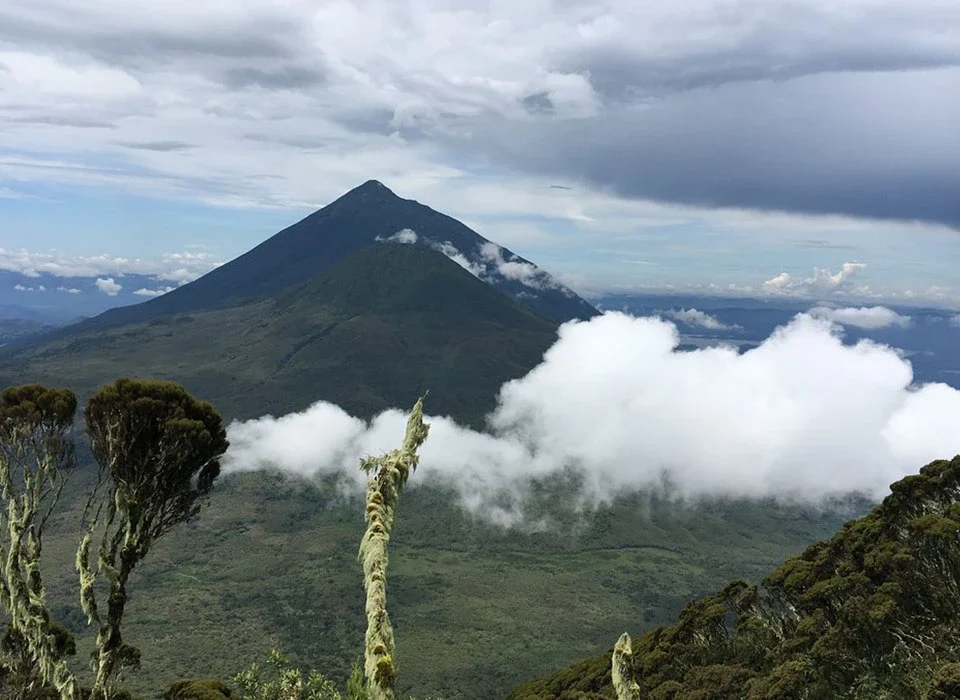
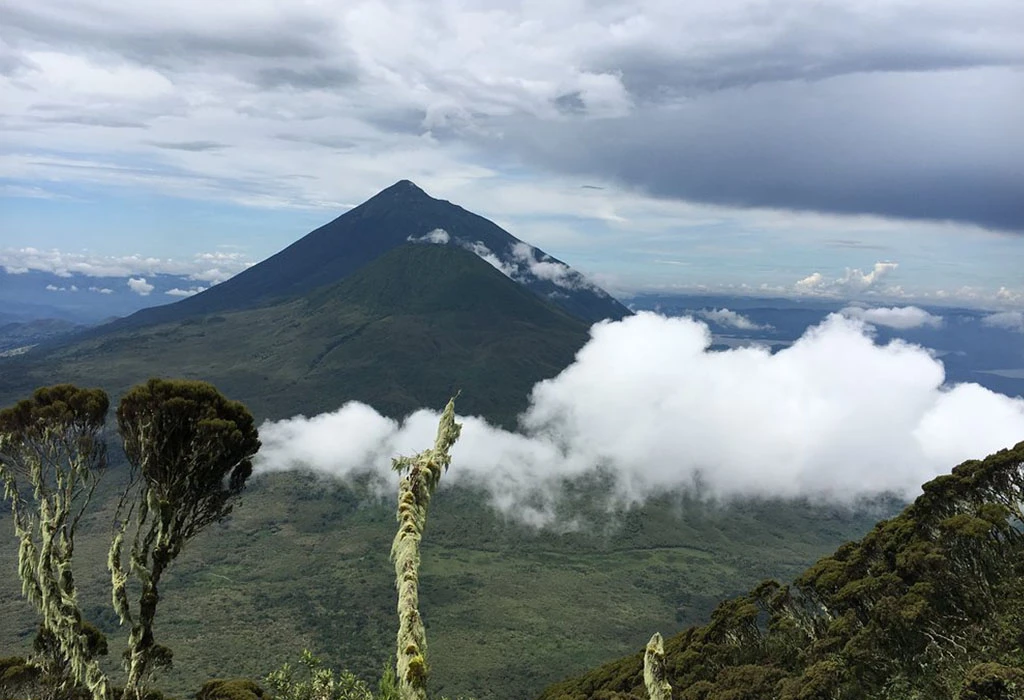
Mgahinga Gorilla National Park sits in the southwestern corner of Uganda, tucked into the dramatic Virunga Volcanoes. Mist drifts across forested slopes, volcanic peaks rise into the clouds, and every trail feels alive with possibility. It is one of the most breathtaking landscapes in Africa. Yet, despite its beauty and rich biodiversity, Mgahinga is home to just one habituated mountain gorilla family.
Naturally, many travelers ask the same question: why only one? The answer is not simple. Instead, it reflects a combination of the park’s small size, its trans boundary nature, and a history of movement and uncertainty that has only recently stabilized.
A Park That Can Barely Hold One Family
To understand the situation, you first need to consider scale. Mgahinga covers only 33.9 square kilometres, making it Uganda’s smallest national park. At first glance, that may not seem unusually small until you compare it to the needs of mountain gorillas.
A single gorilla family typically ranges across about 20 to 30 square kilometers in search of food, nesting sites, and security. This means Mgahinga can realistically support just one group at a time. If a second family attempted to settle permanently, the two groups would immediately compete for limited resources.
Although gorillas are generally calm and social animals, they are also highly territorial when necessary. Dominant silverbacks defend their families with strength and determination. When space becomes limited, encounters between groups can escalate into aggressive displays or even physical conflict. Because of this, the park simply does not provide enough room for multiple families to coexist peacefully over the long term.
In short, the land itself sets the limit.
Gorillas Do Not Recognize Borders
However, size alone does not tell the full story. Mgahinga is part of the larger Virunga Conservation Area, a vast ecosystem that stretches across Uganda, Rwanda, and the Democratic Republic of Congo. These forests connect seamlessly, forming one continuous habitat for mountain gorillas.
Importantly, gorillas do not recognize political boundaries. They move freely across borders, following food availability, seasonal changes, and natural instincts. As a result, a gorilla family seen in Uganda today might cross into Rwanda or Congo tomorrow.
This constant movement creates challenges for conservation and tourism. Habituating a gorilla family for trekking takes years of careful, consistent tracking. Rangers must locate the group daily, gradually building trust until the gorillas accept a human presence.
When families frequently cross borders, maintaining that consistency becomes difficult. For Mgahinga, this means it is far easier to manage and protect one stable, habituated group than to attempt establishing multiple groups within such a small and shared landscape.
A History of Movement and Uncertainty
For many years, Mgahinga did not even have a reliable gorilla family to visit. The now-famous Nyakagezi group moved unpredictably across the Virunga range, often disappearing into Rwanda or the Democratic Republic of Congo for extended periods.
During those times, Uganda could not offer consistent gorilla trekking in Mgahinga. Visitors would arrive with hope, only to learn that the gorillas were across the border. This uncertainty made it difficult to promote the park as a dependable destination.
The constant movement reflected the limitations of the habitat. With such a small area, the gorillas naturally searched beyond Mgahinga for better feeding grounds and security.
Then, around 2012, a turning point came. The Nyakagezi family gradually reduced its cross-border movements and began to settle more permanently within Uganda. Since then, the Uganda Wildlife Authority has maintained consistent tracking, and travelers can now enjoy reliable gorilla trekking experiences in Mgahinga.
Today, Experiya Tour Company confidently includes Mgahinga in carefully designed itineraries, knowing that the experience is both stable and deeply rewarding.
Meet the Remarkable Nyakagezi Family
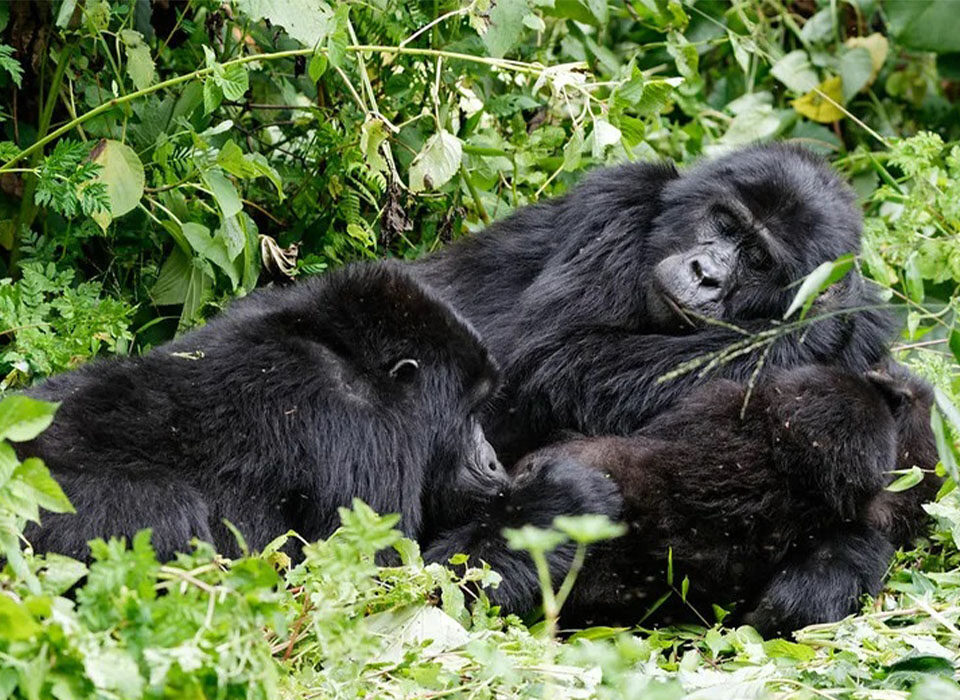
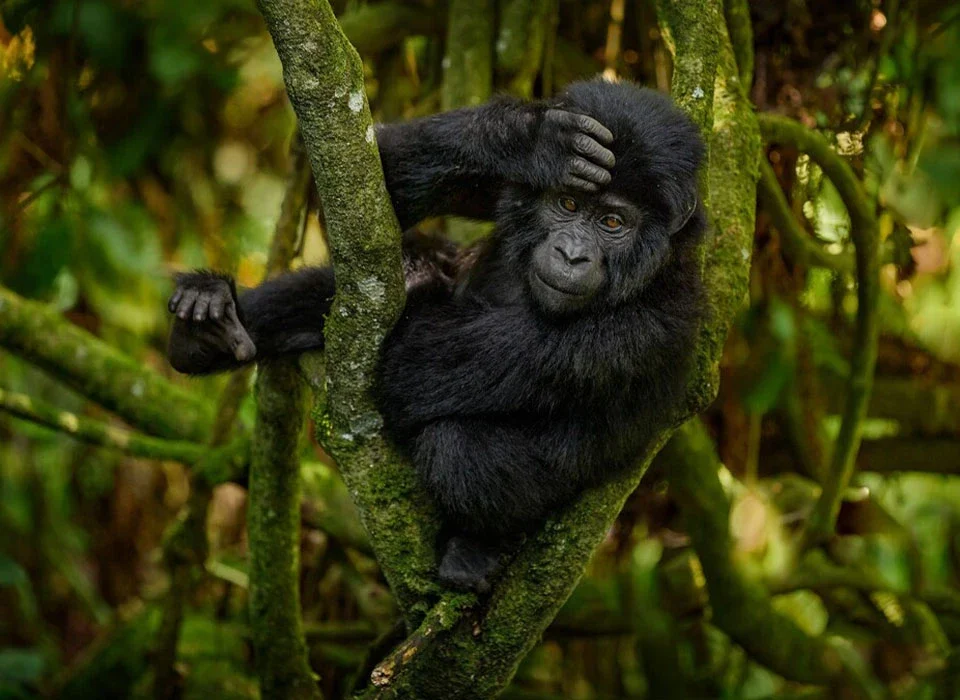
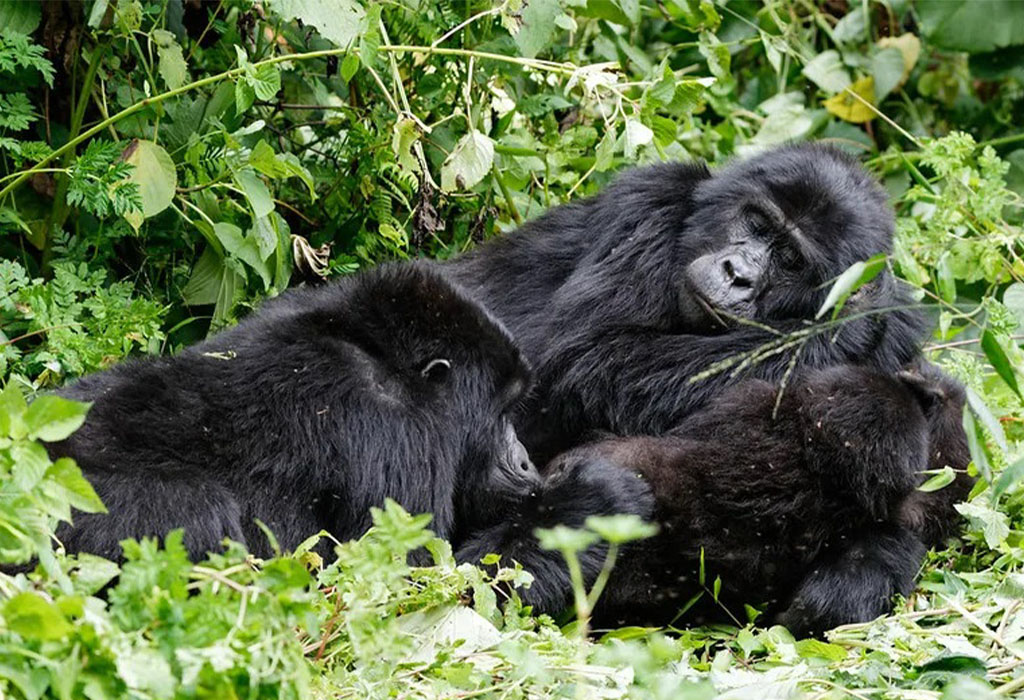
Today, the Nyakagezi family stands as the heart and soul of Mgahinga Gorilla National Park. As of early 2026, the group consists of approximately 10 to 13 members, and it continues to thrive.
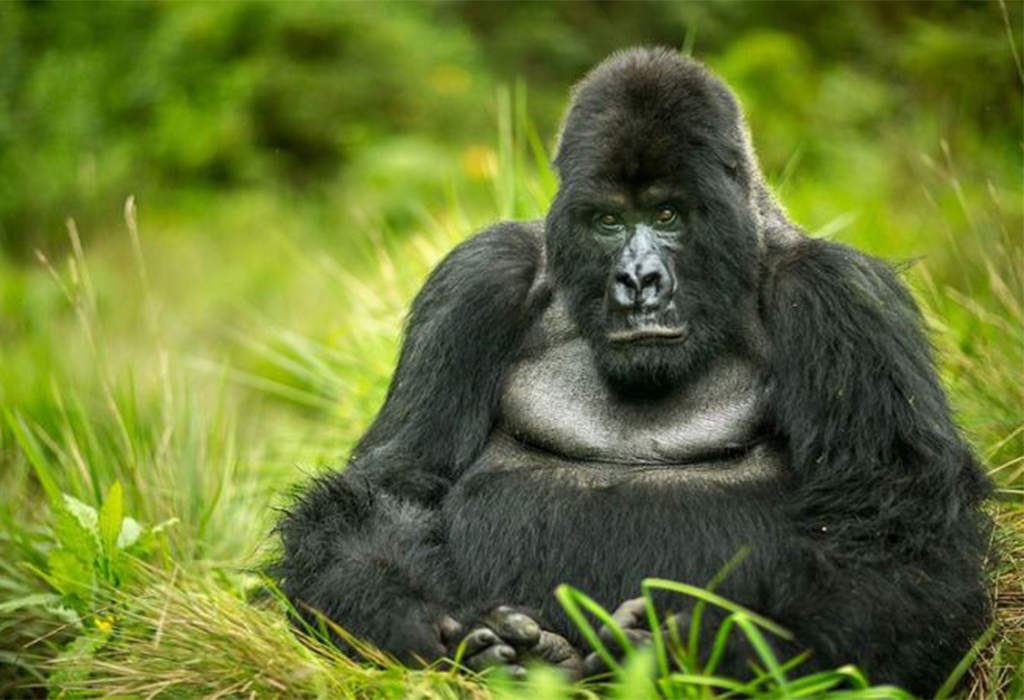
At its center is Mark, the dominant silverback. He leads with calm authority, having taken over from his father, Bugingo, in a rare and peaceful transition. Unlike many gorilla takeovers, which can be tense and violent, this shift in leadership happened with remarkable stability.
What makes this family truly exceptional, however, is Bugingo himself. Estimated to be around 54 years old, he is considered one of the oldest mountain gorillas alive today. Instead of leaving the group after losing dominance, Bugingo remains within the family as a respected elder.
This arrangement is extremely rare. In most cases, former leaders either depart or face ongoing tension. Here, however, father and son coexist peacefully, offering researchers and visitors a unique glimpse into gorilla social dynamics.
Additionally, the family includes several silverbacks an unusual sign of strength and stability. Their presence reflects a healthy structure and strong genetic future.
An Intimate and Accessible Trekking Experience
Because Mgahinga has only one habituated family, the trekking experience feels exclusive and personal. Only eight visitors are allowed to visit the Nyakagezi group each day. This limit ensures minimal disturbance and protects the gorillas’ natural behavior.
At the same time, trekking in Mgahinga is often considered more accessible than in Bwindi Impenetrable National Park. The Nyakagezi family tends to stay on the lower slopes of the volcanoes, where the terrain is less dense and less steep. As a result, many travelers find the hike more manageable while still adventurous.
With Experiya Tour Company, visitors not only witness these incredible animals up close but also gain a deeper appreciation for the delicate balance that sustains them.
A Small Park with a Powerful Story
Ultimately, Mgahinga’s single gorilla family is not a limitation it is a reflection of nature’s balance. The park’s size, its shared ecosystem, and its history have all shaped what exists today.
Rather than competing with larger destinations, Mgahinga offers something different. It provides a quieter, more intimate encounter, where every moment feels meaningful. Standing in the presence of the Nyakagezi family, surrounded by volcanic peaks and ancient forest, you quickly realize that one family is more than enough.