Facts About the Bwenge Gorilla Family
January 27, 2026
Walking Safaris in Lake Mburo National Park
January 27, 2026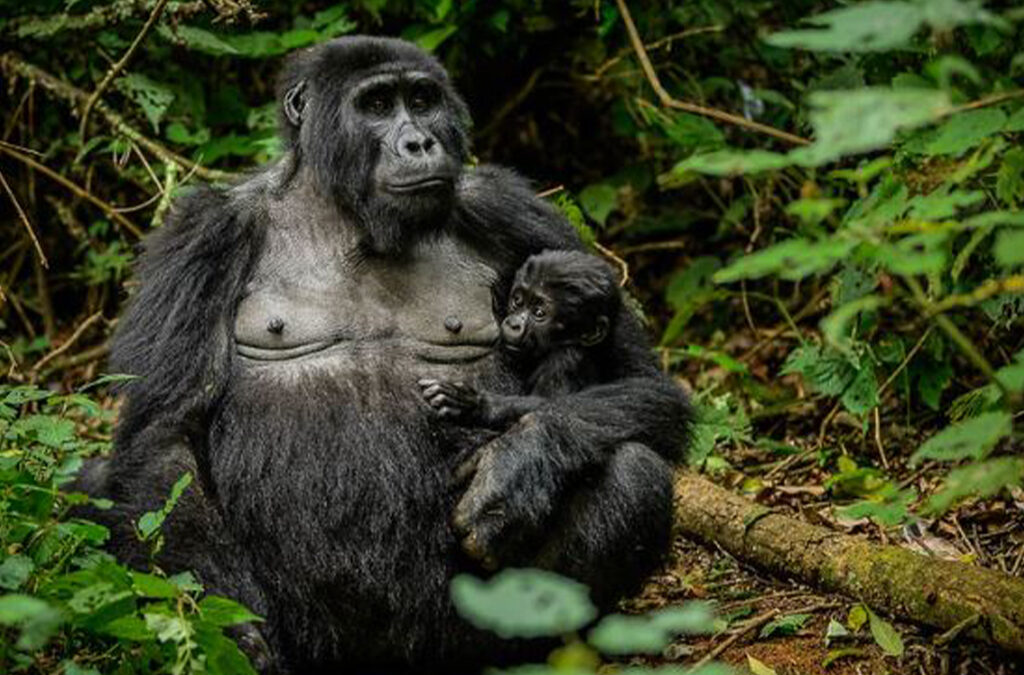
For anyone dreaming of a close encounter with one of the most iconic creatures on Earth, the mountain gorillas of Bwindi Impenetrable Forest in Uganda present an experience unlike any other. These gentle giants, with their expressive eyes and intricate social dynamics, attract wildlife enthusiasts, photographers, and adventurers from across the globe. However, when planning your visit, you might wonder: should you go for the classic gorilla trekking experience, or opt for the more immersive and intimate gorilla habituation? While both offer incredible opportunities, they provide vastly different experiences. Understanding the differences can help you choose an adventure that aligns with your curiosity, time, and desire to connect with nature.
Understanding Gorilla Trekking
Gorilla trekking is the more familiar and widely practiced of the two activities in Bwindi Impenetrable National Park. It involves hiking through dense forest trails in search of habituated gorilla groups those gorillas that have been gradually acclimated to human presence over time. The process of habituation ensures that gorillas remain comfortable and unthreatened during human encounters, allowing visitors to observe them without causing undue stress or disruption.
A typical gorilla trekking experience begins early in the morning. Visitors, guided by experienced park rangers, follow winding forest paths that may range from gentle trails to challenging climbs, depending on the location of the gorilla group. The thrill of trekking lies not only in the possibility of spotting the gorillas but also in the immersive journey through one of Africa’s most biodiverse rainforests. Along the way, hikers may encounter a variety of wildlife species, from colorful birds and elusive monkeys to unique plant life that paints the forest with vibrant hues.
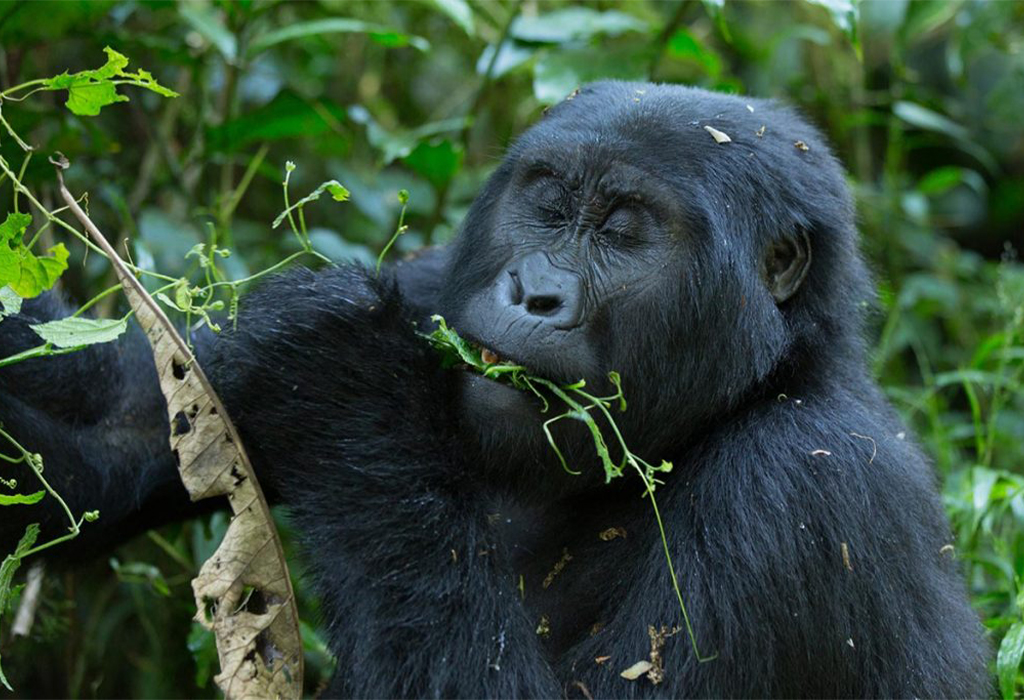
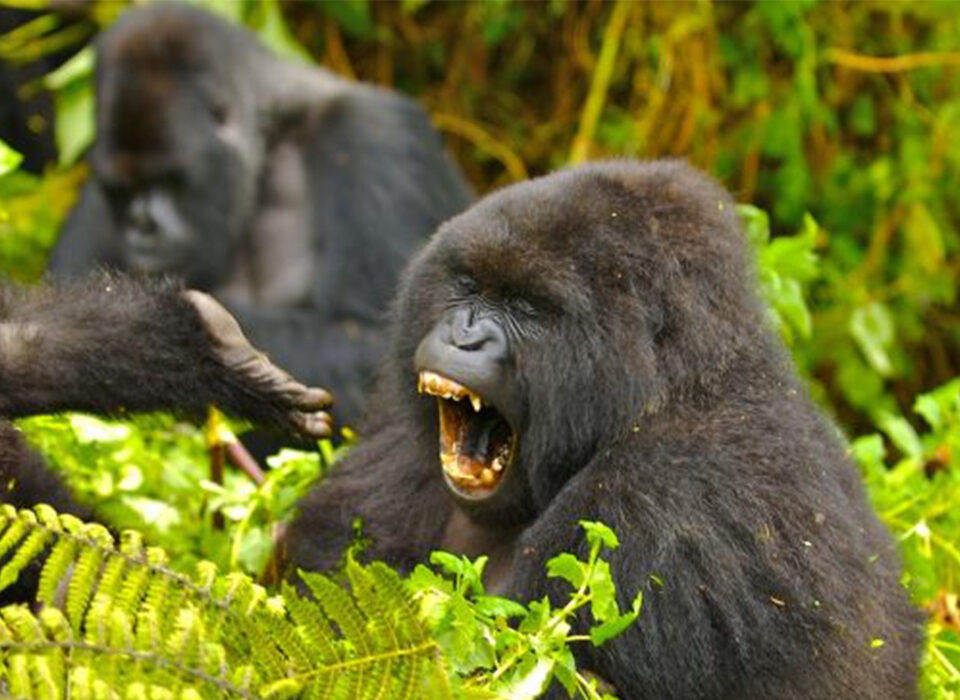
Once the group reaches the gorillas, visitors are allowed to spend up to one hour observing these magnificent animals. During this hour, you can watch them feed, play, groom one another, and interact within their family groups. The experience is awe-inspiring, offering a rare glimpse into their complex social structures and behaviors. However, despite the intense emotional connection it can create, gorilla trekking remains relatively brief, emphasizing controlled interaction and minimal disturbance to the gorillas’ natural routines.
Exploring Gorilla Habituation: A Deeper Connection
Gorilla habituation, in contrast, is a more immersive and in-depth experience. While trekking provides a limited encounter, habituation allows visitors to witness a gorilla group over several hours as they gradually adapt to human presence. This activity is part of a carefully managed process led by researchers and conservationists who aim to study and document gorilla behavior while preparing wild groups for eventual tourism interactions.
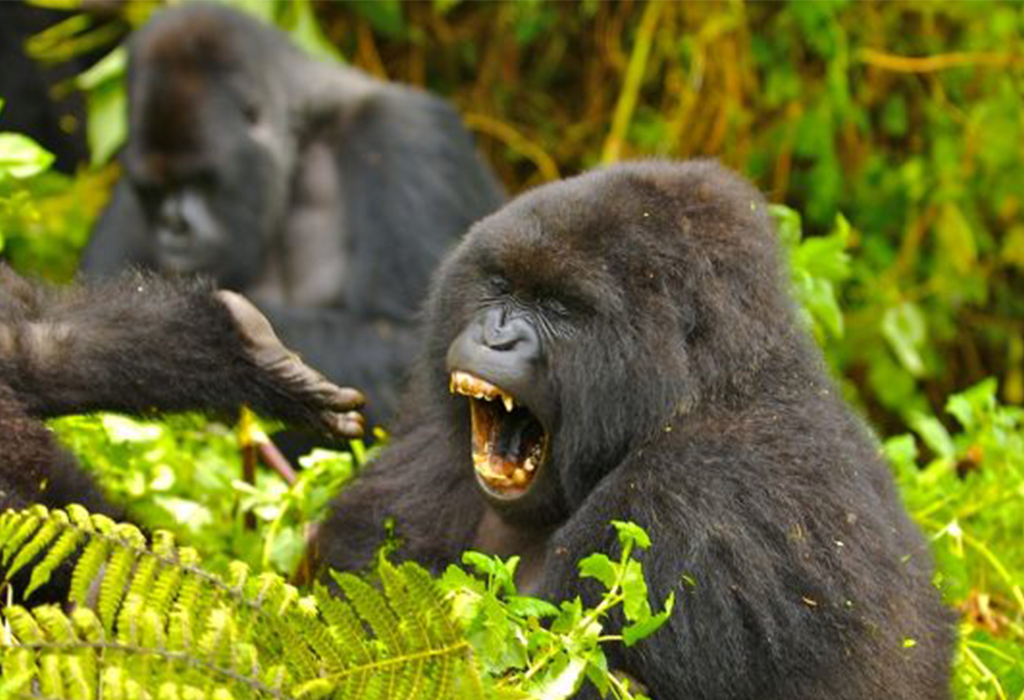
Participating in gorilla habituation is not just about seeing the gorillas it’s about being part of their story. Visitors join expert guides and researchers in observing the gorillas’ daily activities, which may include foraging, socializing, and navigating the dense forest. Because the gorillas are still in the process of habituation, their behavior is more natural and uninfluenced by humans, offering a unique window into their lives that is not possible during a standard trek.
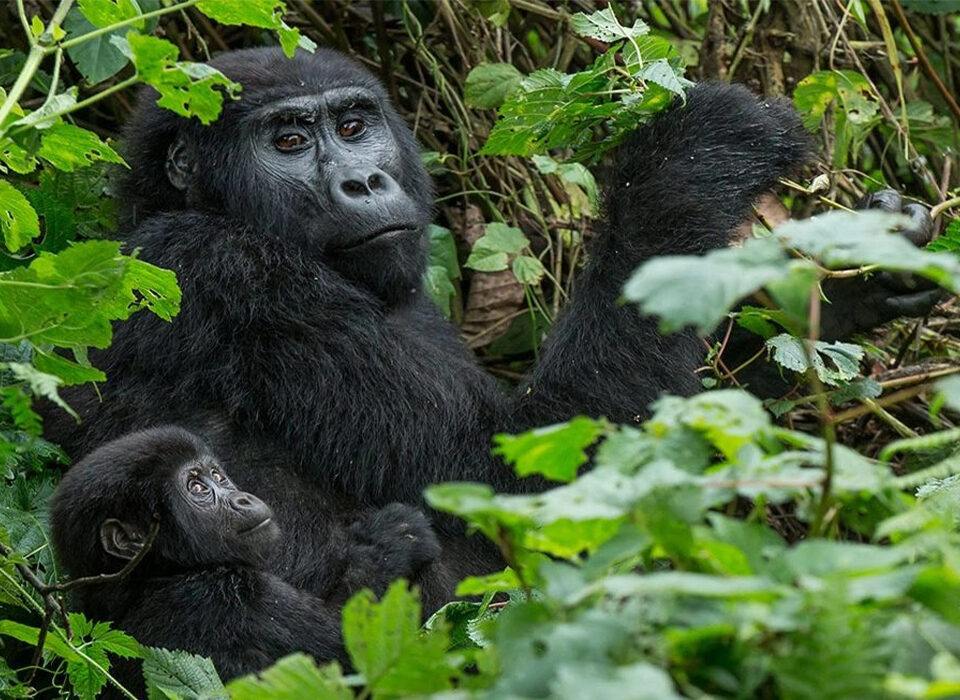
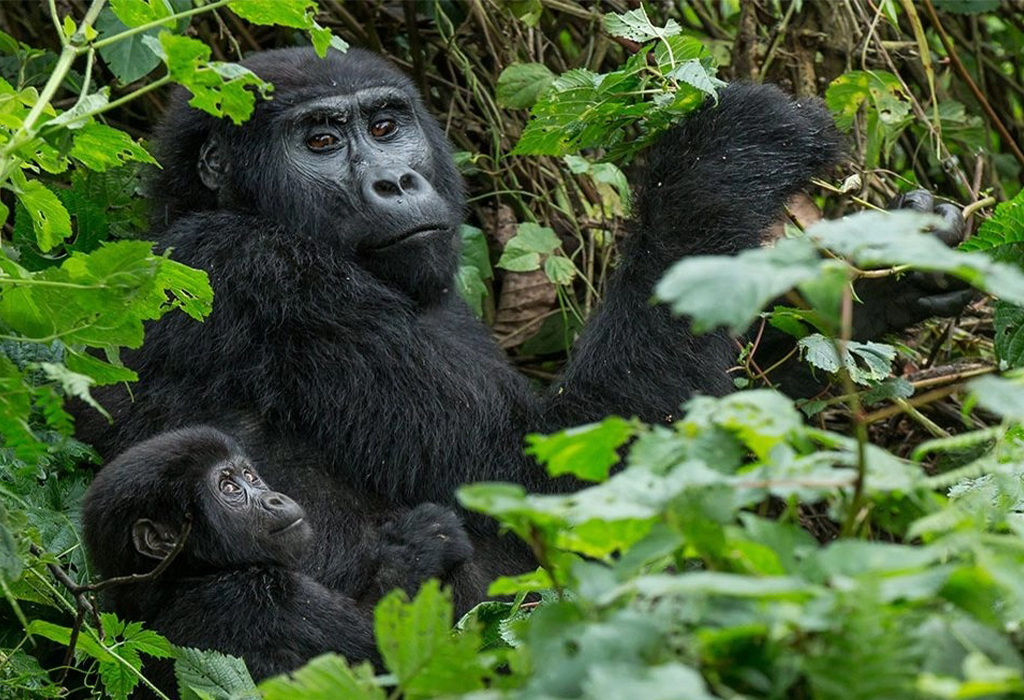
This extended observation period allows for deeper engagement. You can notice subtle interactions, like the nurturing gestures between a mother and her infant or the playful banter among juveniles. Over the course of several hours, the experience often fosters a profound connection, creating memories that linger long after the trip ends. It is an intimate encounter that goes beyond sightseeing it is a learning journey, a chance to understand gorilla personalities, social hierarchies, and communication.
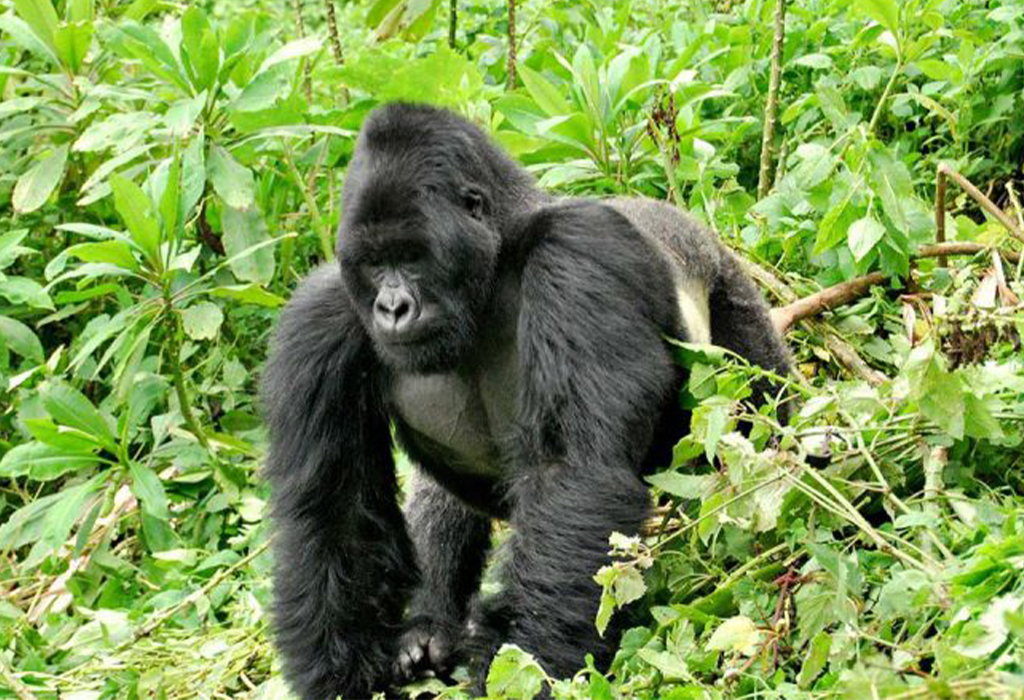
Why Gorilla Habituation Is Worth the Extra Effort
Gorilla habituation is more time-consuming, physically demanding, and often more expensive than gorilla trekking. However, for those willing to invest in the experience, the rewards are unparalleled. Here are a few reasons why many travelers choose habituation over trekking:
- A More Personal Encounter
Unlike trekking, which limits you to a one-hour viewing period, habituation provides hours of observation. This extended time allows visitors to feel more connected to the gorillas and to appreciate their individuality, from playful young gorillas to the dignified presence of silverbacks. - Insight into Conservation and Research
Habituation is not just about observation it is part of a conservation process. Visitors get a behind-the-scenes look at how researchers work to study gorilla behavior and protect these endangered animals. This experience fosters a greater appreciation for the challenges of wildlife conservation and the importance of sustainable tourism. - A Rare Opportunity for Wildlife Photography
Photographers often favor habituation over trekking because the extended time with the gorillas provides ample opportunity to capture natural behaviors and intimate moments without feeling rushed. Whether photographing a tender mother-infant interaction or the playful antics of young gorillas, the possibilities are far richer than in a typical trekking experience. - Connection Beyond Observation
Gorilla habituation encourages visitors to engage their senses and empathy. Watching the gorillas interact over several hours, in a setting where they are adapting to your presence, creates a sense of shared space that feels almost magical. It’s a rare chance to witness the slow, unfolding rhythm of life in the forest a reminder of the delicate balance between humans and wildlife.
Planning Your Gorilla Habituation Experience
Preparing for a gorilla habituation adventure requires careful planning. Because it involves longer forest treks and more time in the field, participants should be in good physical condition and prepared for a full day of walking, often over uneven and sometimes muddy terrain. Comfortable hiking gear, sturdy boots, waterproof clothing, and insect repellent are essential.
Most habituation experiences are guided by trained park rangers and researchers who ensure safety for both visitors and gorillas. The guides are not only knowledgeable about the forest and its inhabitants but also skilled at interpreting gorilla behavior, explaining social structures, and answering questions about the species’ ecology and conservation.
It is also important to understand that habituation is a privilege and a responsibility. Visitors must adhere strictly to park rules, such as keeping a safe distance when instructed, avoiding sudden movements, and minimizing noise. These protocols help protect the gorillas, allowing them to adjust gradually and safely to human presence.
Combining Both Experiences for Maximum Impact
For many travelers, the ideal approach is to combine both gorilla trekking and habituation into a single journey. Trekking provides the thrill of the forest hike and a guaranteed glimpse of habituated gorillas, while habituation offers a slower, more contemplative experience that deepens understanding and appreciation. Together, these experiences create a full spectrum of engagement with Bwindi’s mountain gorillas from awe and excitement to empathy and conservation awareness.
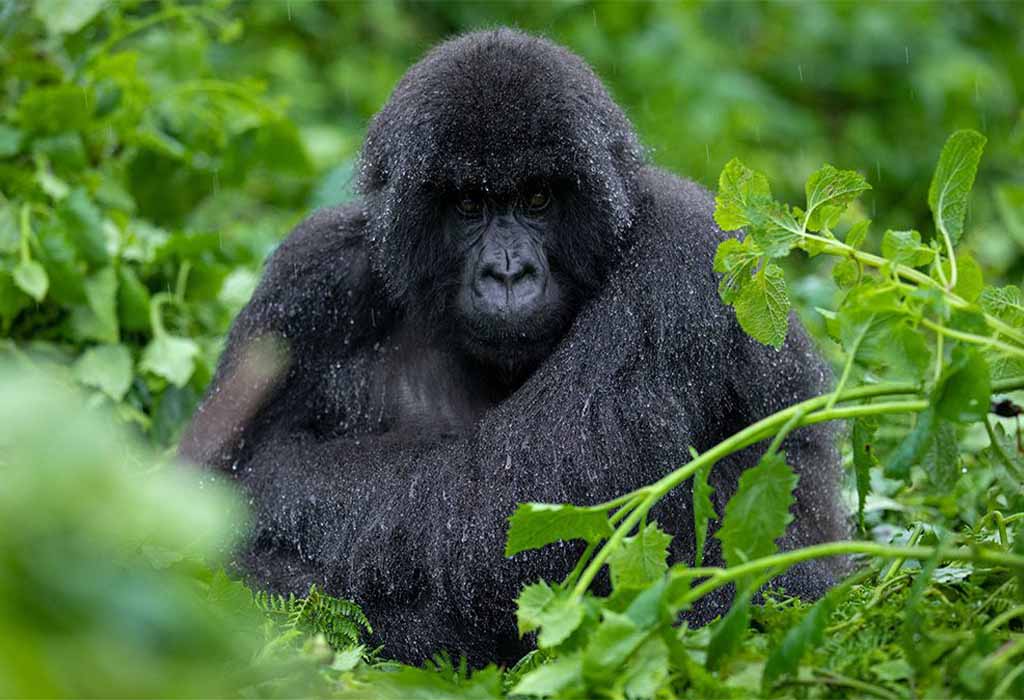
The Ultimate Memory of Bwindi
Choosing gorilla habituation over trekking is not about better or worse it’s about depth of experience. Trekking provides a snapshot of life among the gorillas; habituation invites you into their daily world. Both experiences leave lasting impressions, but habituation often resonates longer, leaving visitors with a richer understanding of gorilla behavior, social bonds, and the critical importance of conservation.
In the end, a visit to Bwindi Impenetrable Forest is more than just a wildlife encounter. It is a journey into a living, breathing ecosystem where humans and gorillas share fleeting moments of connection. Whether you choose trekking, habituation, or both, the memories you create will be etched into your mind forever the sight of a silverback moving gracefully through the mist, the sound of playful juveniles, and the quiet, profound presence of one of our closest animal relatives.
Plan Your Gorilla Adventure with Experiya Tour Company
At Experiya Tour Company, we believe the best wildlife experiences are guided by expertise, passion, and respect for nature. Our knowledgeable guides ensure your journey through Bwindi is safe, informative, and unforgettable. Whether you choose the thrilling challenge of gorilla trekking or the immersive depth of gorilla habituation, we craft every safari to maximize your connection with Uganda’s iconic wildlife.
With us, your gorilla encounter becomes more than a visit it becomes a story, a memory, and a shared moment with some of the most extraordinary creatures on Earth. Prepare to explore, learn, and be inspired as you trek, observe, and spend hours among the mountain gorillas of Bwindi, experiencing a wild adventure unlike any other.