Road Trips to Bwindi Impenetrable National Park from Entebbe
January 21, 2026
Activities to Do in Bigodi Swamp, Uganda
January 22, 2026
Travelers planning a Rwanda safari often ask one key question: Which month offers the best game viewing in Rwanda? The answer lies in understanding the country’s seasonal rhythms and how they influence wildlife behavior, accessibility, and overall safari comfort.
In short, the dry seasons June to September and December to February offer the best wildlife viewing conditions. During these months, animals gather around permanent water sources, vegetation thins out, trekking trails stay firm, and clear skies improve visibility across Rwanda’s national parks. From Big Five encounters in Akagera National Park to gorilla trekking in Volcanoes National Park and chimpanzee tracking in Nyungwe Forest, the dry months consistently deliver unforgettable experiences in the Land of a Thousand Hills.
Understanding Rwanda’s Climate and Seasons
Rwanda’s equatorial location gives it a relatively stable climate throughout the year. Thanks to its high altitude, temperatures remain moderate, but rainfall patterns vary and play a major role in shaping safari experiences.
Rwanda’s Four Main Seasons
Long Dry Season (June–September)
This is Rwanda’s longest and most reliable dry period. Rainfall is minimal, humidity drops, and days are mostly sunny.
- Temperatures: 15°C–27°C (59°F–81°F)
- Best for: All wildlife activities
- Why it stands out: This season offers the most consistent game viewing and trekking conditions nationwide
Short Rainy Season (October–November)
Rainfall returns in short bursts, often as afternoon showers rather than full-day rain.
- Landscape: Lush and green
- Challenges: Muddy trails and slightly reduced wildlife visibility
- Ideal for: Travelers seeking fewer crowds and vibrant scenery
Short Dry Season (December–February)
This second dry window brings warm temperatures and excellent wildlife viewing, especially in January and February.
- Best for: Gorilla trekking and savanna safaris
- Note: December and January coincide with holiday travel, so parks and lodges can be busier
Long Rainy Season (March–May)
This period brings sustained rainfall, especially in April and May.
- Landscape: Extremely green and dramatic
- Challenges: Slippery trails, difficult driving conditions, and dispersed wildlife
- Least recommended month: April
Why the Dry Seasons Are Best for Game Viewing
Wildlife Gathers Around Water Sources
As rainfall decreases, animals rely on permanent rivers, lakes, and waterholes. This natural concentration dramatically improves wildlife sightings.
In Akagera National Park, lakes such as Ihema and Rwanyakizinga become magnets for elephants, buffalo, zebras, giraffes, and antelope. Predators including lions, leopards, and hyenas follow closely, creating excellent predator-prey viewing opportunities. With animals spending more time in open areas, game drives become far more productive.
Easier and More Comfortable Trekking
Rwanda’s most iconic wildlife encounters gorilla and chimpanzee trekking require hiking through forested terrain. Dry weather makes a significant difference.
Volcanoes National Park
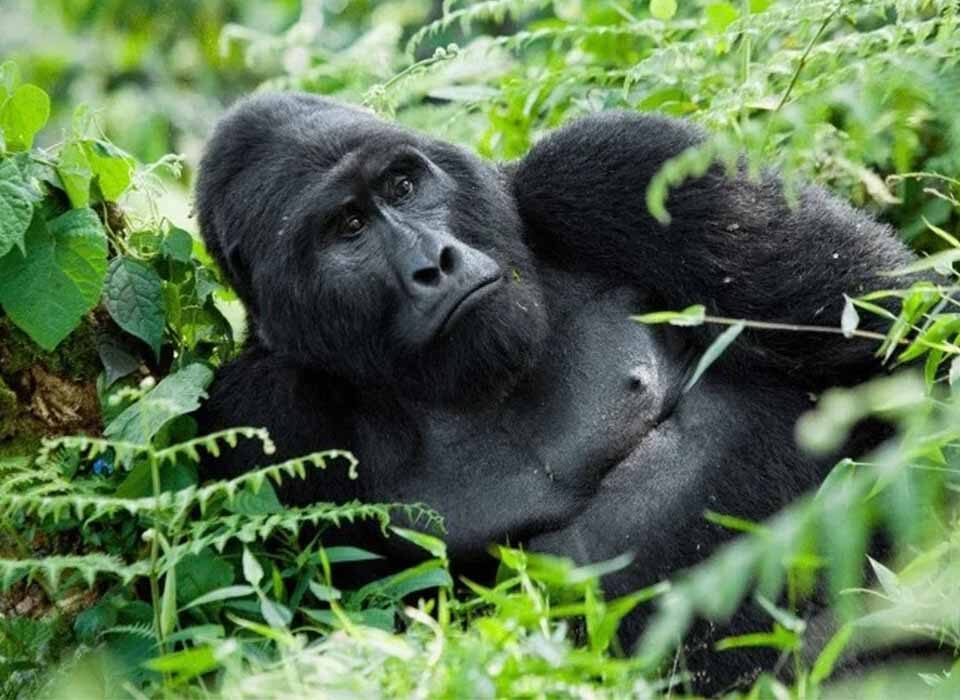
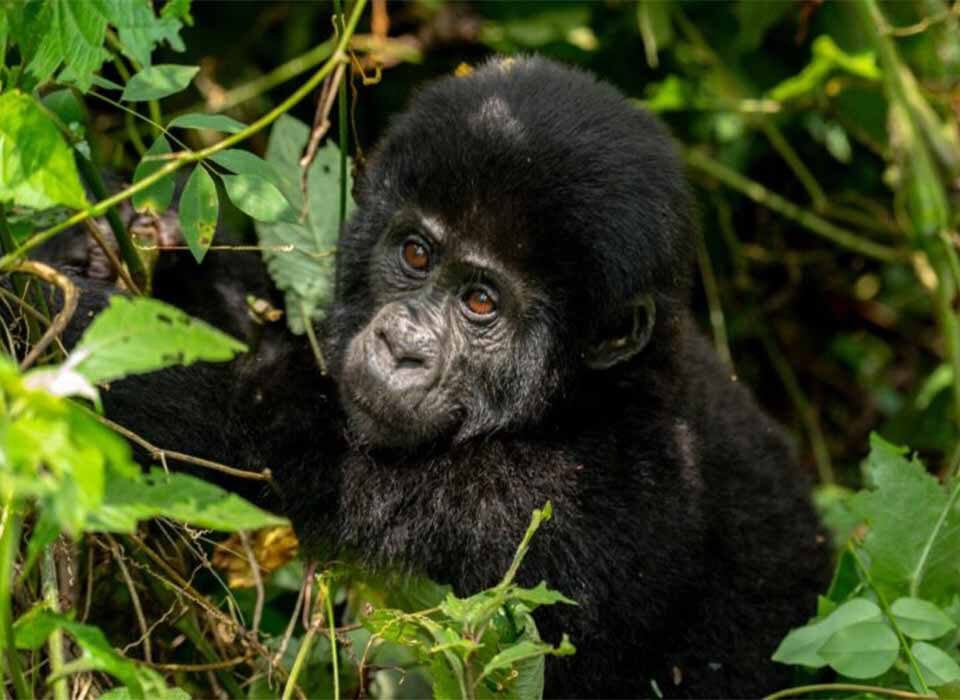
Dry-season conditions mean firmer trails, safer footing, and clearer views once you reach the gorillas. Reduced mist improves photography and allows visitors to fully appreciate close encounters with mountain gorillas.
Nyungwe Forest National Park
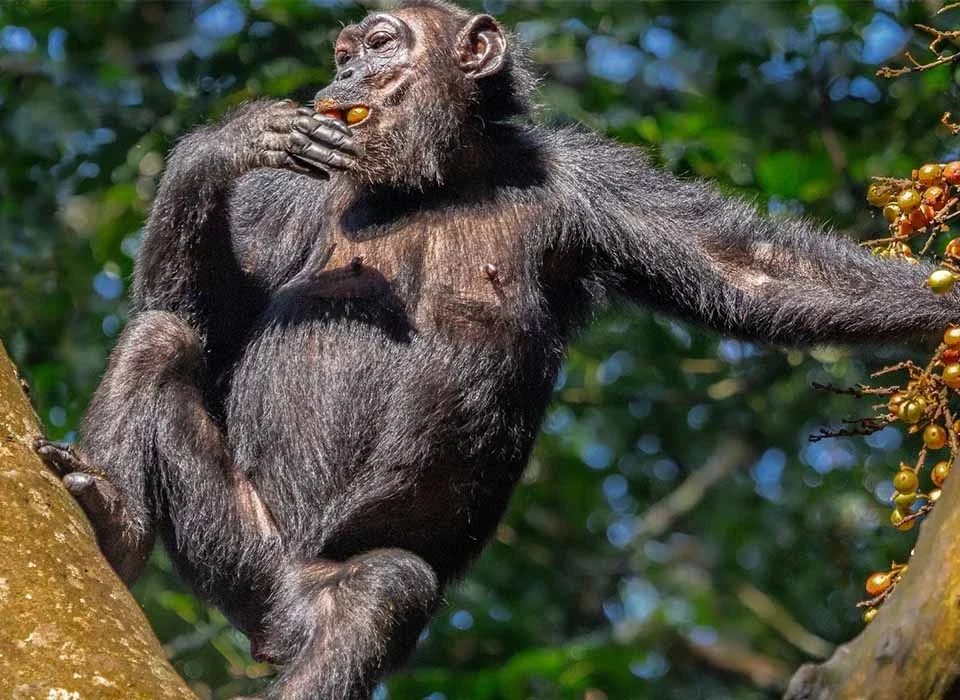
Chimpanzee tracking becomes more manageable when trails are dry. The canopy walkway experience is also far more enjoyable under clear skies, offering sweeping views of the ancient rainforest.
Better Photography Conditions
Dry seasons bring clear skies, strong natural light, and excellent visibility—ideal for wildlife and landscape photography. Morning and late-afternoon light enhances animal behavior shots, while Rwanda’s volcanoes, rolling hills, and lakes photograph beautifully without haze or rain.
Additionally, wildlife activity around water sources creates dramatic moments, from elephants bathing to birds gathering in large numbers.
Reduced Vegetation Improves Visibility
As grasses shorten and shrubs thin, spotting wildlife becomes easier. In Akagera, even elusive species such as leopards and serval cats appear more frequently. In forest parks, reduced undergrowth helps guides track primates more efficiently by sound and movement.
Month-by-Month Guide to Game Viewing in Rwanda
June: Start of Peak Season
June marks the transition into the long dry season.
- Pros: Improving wildlife sightings, fewer crowds early in the month
- Cons: Availability tightens toward month-end
July–August: Best Overall Months
These months offer the most stable weather and peak wildlife concentration.
- Pros: Outstanding game drives, ideal trekking conditions, excellent photography
- Cons: High demand for permits and accommodation
September: Excellent with Fewer Crowds
Conditions remain dry, especially early in the month.
- Pros: Great wildlife viewing with slightly fewer visitors
- Cons: Occasional late-month showers
October–November: Short Rains
These months bring greener landscapes and fewer tourists.
- Pros: Lower prices, excellent birdwatching
- Cons: Muddy trails and reduced visibility
December: Transition to Dry Weather
Dry conditions return, especially by mid-month.
- Pros: Beautiful scenery and improving wildlife viewing
- Cons: Holiday crowds and higher prices late in the month
January–February: Second Prime Window
These months rival July and August in quality.
- Pros: Dry trails, warm weather, excellent wildlife activity
- Cons: Hotter afternoons in Akagera
March–May: Long Rains
This is the most challenging safari period.
- Pros: Fewer tourists, discounted rates, stunning scenery
- Cons: Difficult trekking, dispersed wildlife, heavy rain
Best Time to Combine Rwanda’s Wildlife Experiences
Dry seasons allow travelers to combine multiple parks seamlessly:
- Gorillas and Big Five: Volcanoes National Park + Akagera National Park
- Primates Focus: Gorillas, chimpanzees, and golden monkeys
- Complete Circuit: Akagera, Volcanoes, and Nyungwe in one itinerary
Travel between parks is easier, activities run smoothly, and overall comfort improves significantly.
Final Thoughts: So, Which Month Is Best?
If your goal is exceptional game viewing, July and August stand out as the very best months. However, June, September, January, and February also deliver outstanding wildlife experiences with slightly fewer crowds or warmer temperatures.
While Rwanda welcomes visitors year-round, traveling during the dry seasons maximizes wildlife sightings, improves trekking comfort, and enhances photography opportunities. With thoughtful timing and planning, Rwanda rewards travelers with some of Africa’s most intimate and memorable wildlife encounters.