

Uganda Beyond Gorilla Trekking: Discover the True Pearl of Africa
January 7, 2026
Best Honeymoon Experience in Queen Elizabeth National Park
January 7, 2026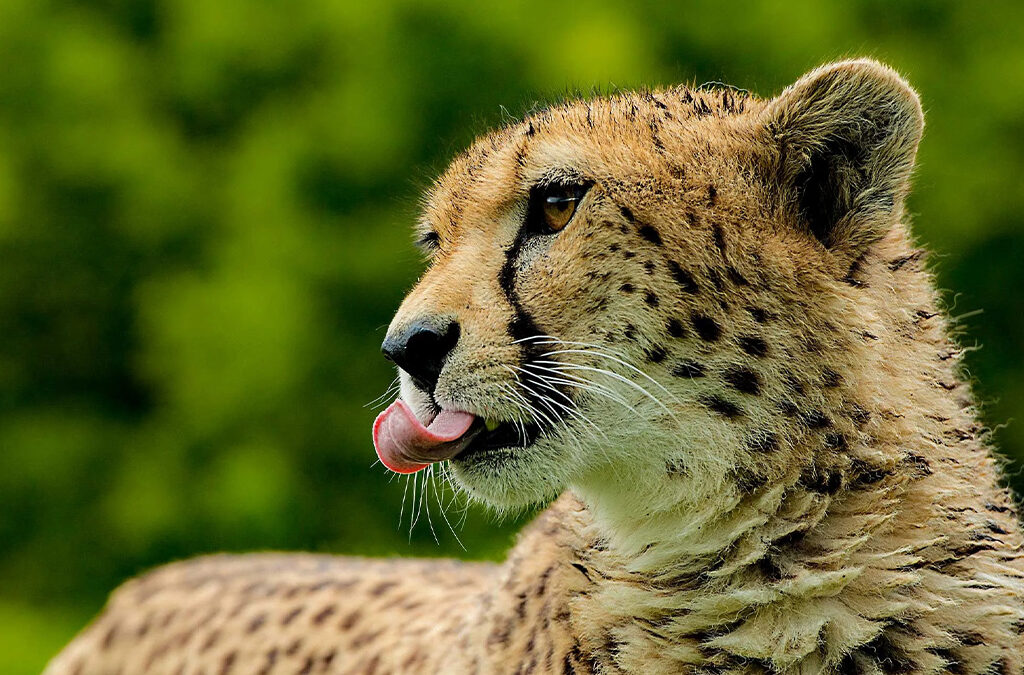
Uganda is widely celebrated as one of Africa’s most diverse safari destinations. From misty rainforests sheltering mountain gorillas to vast savannahs dotted with elephants and lions, the country offers an impressive range of wildlife experiences. Yet many travelers still wonder whether they can see Africa’s fastest land mammal here. Fortunately, the answer is yes. Although cheetahs are rare and highly elusive, Uganda protects small but significant populations in two remote northern landscapes.
With expert planning from Experiya Tour Company, travelers can explore these lesser-known regions and gain a deeper understanding of where cheetahs are found in Uganda, how they live, and why their conservation matters. This guide highlights the best locations, seasons, and experiences for encountering cheetahs while improving readability and flow through clear structure and smooth transitions.
Understanding Where Cheetahs Are Found in Uganda
To begin with, cheetahs in Uganda survive only where open landscapes allow them to hunt effectively. Unlike leopards or lions, cheetahs rely on speed rather than strength, which means they need wide, open plains with good visibility. As a result, wildlife experts consistently point to two primary locations: Kidepo Valley National Park and Pian Upe Wildlife Reserve.
First and foremost, Kidepo Valley National Park offers the most reliable cheetah sightings in the country. Located in Uganda’s far northeastern corner, the park supports an estimated 20–30 cheetahs roaming across open grasslands. Secondly, Pian Upe Wildlife Reserve—upgraded to national park status in April 2025 provides another important refuge, with suitable habitat and increasing conservation focus.
Occasionally, cheetahs appear in the northern sections of Murchison Falls National Park. However, these sightings remain rare and unpredictable. Therefore, travelers seeking realistic chances of seeing cheetahs should focus their plans on Kidepo and Pian Upe.
Kidepo Valley National Park: Uganda’s Best Place to See Cheetahs
Without question, Kidepo Valley National Park stands out as the premier destination for observing cheetahs in Uganda. Situated roughly 700 kilometers from Kampala in the Karamoja subregion, this remote park covers about 1,442 square kilometers of rugged mountains, sweeping savannahs, and seasonal river valleys.
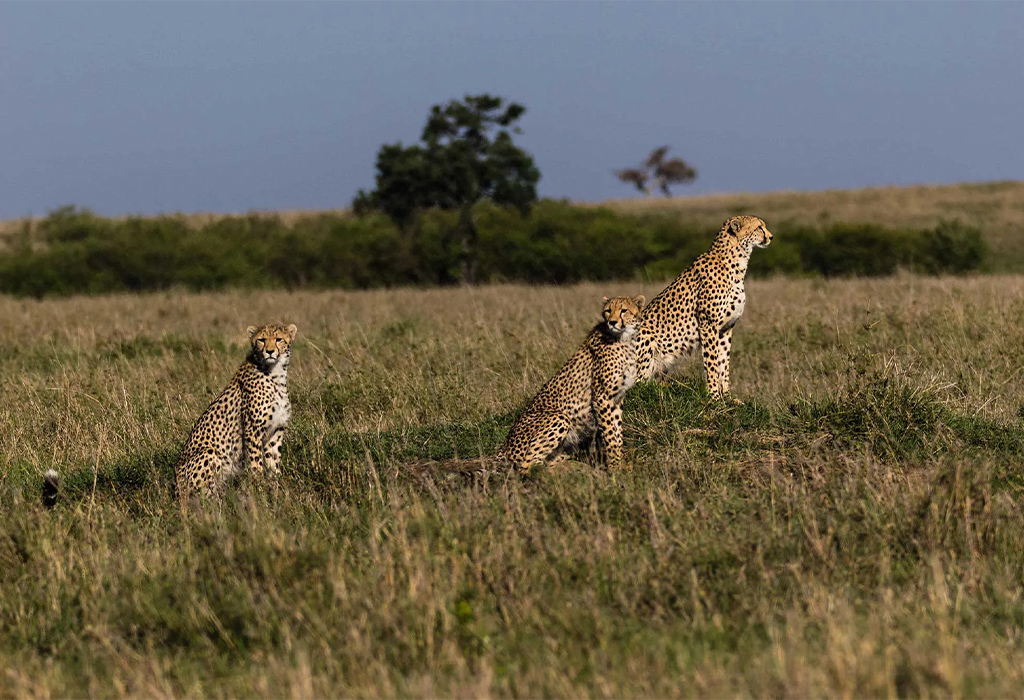
Most cheetah sightings occur in the Narus Valley, where short grass plains attract antelope and other prey. Thanks to the open terrain, visibility is excellent, allowing guides to spot cheetahs from a distance. Unlike Uganda’s forested parks, Kidepo closely resembles the classic East African savannahs of Kenya and Tanzania, making it ideal cheetah habitat.
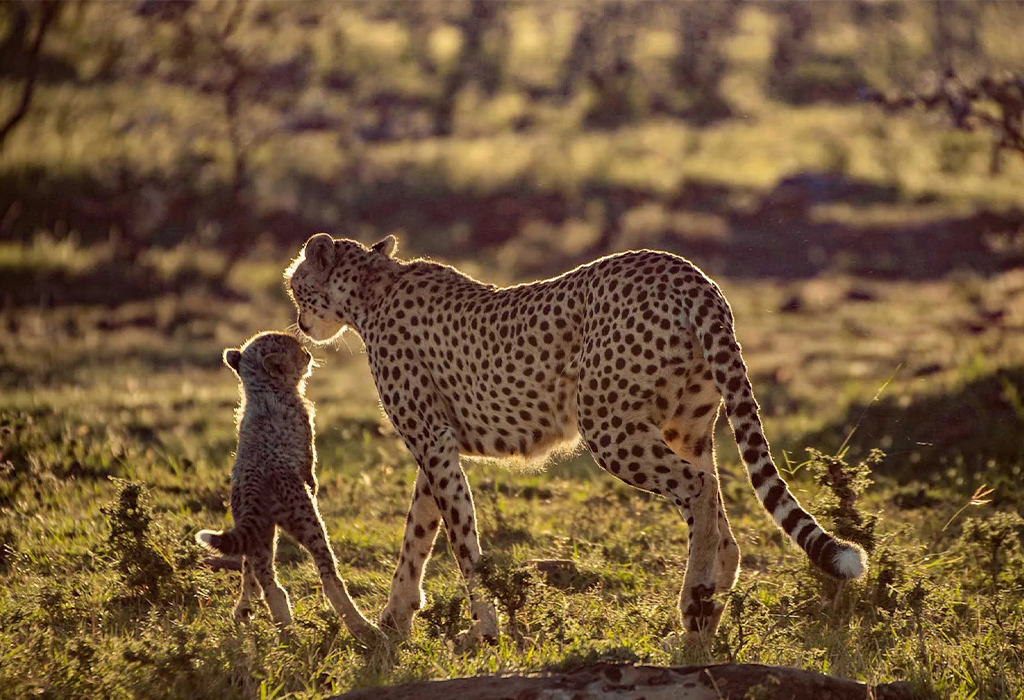
In addition, Kidepo’s isolation has preserved its ecological integrity. Wildlife here behaves naturally, with minimal disturbance from vehicles or crowds. Besides cheetahs, visitors regularly encounter lions, leopards, elephants, buffaloes, giraffes, zebras, and the rare caracal. Birdlife is equally impressive, with over 475 recorded species, including ostriches found nowhere else in Uganda.
For these reasons, Experiya Tour Company recommends spending at least three nights in Kidepo. This allows for multiple early morning and late afternoon game drives, when cheetahs are most active and hunting success is highest.
Pian Upe Wildlife Reserve: A Quiet and Rewarding Alternative
While Kidepo often steals the spotlight, Pian Upe Wildlife Reserve offers a quieter yet equally rewarding cheetah experience. Covering approximately 2,788 square kilometers, it is Uganda’s second-largest protected area and the country’s largest continuous savannah ecosystem.
Here, wide plains stretch toward the horizon, broken by acacia trees, rocky outcrops, and seasonal rivers. These features create excellent hunting conditions for cheetahs and support healthy populations of prey such as impalas, zebras, and other antelopes. Importantly, Pian Upe is also the only place in Uganda where visitors can see roan antelope, one of Africa’s most striking and endangered species.
Moreover, Pian Upe remains largely undiscovered by mainstream tourism. As a result, visitors enjoy crowd-free game drives and a strong sense of wilderness. Alongside cheetahs, the reserve supports lions, leopards, hyenas, giraffes, buffaloes, and greater kudu. More than 240 bird species thrive here, including ostriches and secretary birds.
During extended stays of three or more days, cheetah sighting success can reach around 80 percent, especially in the dry season. Experiya Tour Company often combines Pian Upe safaris with cultural visits to nearby Karamojong communities for a richer overall experience.
Best Time of Year to See Cheetahs in Uganda
Timing plays a crucial role in successful cheetah tracking. Generally, the dry seasons—from June to September and December to February—offer the best conditions. During these months, grass remains short, water sources become limited, and wildlife concentrates in predictable areas.
Consequently, visibility improves and guides can cover ground more efficiently. Early morning game drives, starting around 6:00 am, are especially productive, as cheetahs take advantage of cooler temperatures to hunt. Late afternoon drives also deliver excellent opportunities before sunset.
That said, the wet seasons (March–May and October–November) have their own appeal. Although sightings become more challenging due to taller vegetation, the landscapes turn lush and dramatic. In addition, many prey species give birth during these months, sometimes drawing cheetahs closer to vulnerable young animals.
Physical Characteristics and Behavior of Uganda’s Cheetahs
Cheetahs found in Uganda share the same remarkable traits seen across Africa. They measure about 110–150 centimeters in body length and weigh between 30 and 60 kilograms. Unlike heavier big cats, cheetahs evolved for speed rather than strength.
Their slim bodies, long legs, and semi-retractable claws provide exceptional traction during high-speed chases. Distinctive black “tear marks” running from the eyes to the mouth help reduce glare while also serving as identification features. In addition, their long tails act as rudders, helping maintain balance during sharp turns.
Cheetahs can reach speeds of up to 100–120 kilometers per hour, but only for short bursts of 20–30 seconds. Therefore, they rely heavily on stealth, stalking prey to within 50–100 meters before launching their sprint. Because they hunt by sight and prefer daylight, cheetahs are easier to observe than many nocturnal predators.
Conservation Status of Cheetahs in Uganda
Despite their beauty and speed, cheetahs remain vulnerable across Africa. In Uganda, the situation is particularly delicate. Current estimates suggest only 50–60 individuals survive nationwide, mainly in Kidepo and Pian Upe.
Habitat loss, declining prey populations, and human–wildlife conflict pose serious threats. Occasionally, cheetahs prey on livestock near park boundaries, which can trigger retaliatory killings. To counter this, the Uganda Wildlife Authority works closely with local communities on education, compensation schemes, and predator-proof livestock enclosures.
Responsible tourism plays a vital role in these efforts. By traveling with Experiya Tour Company, visitors directly support conservation through park fees, community partnerships, and ethical guiding practices. Every safari contributes to the long-term survival of cheetahs in Uganda.
Cultural Experiences Near Cheetah Habitats
Beyond wildlife, northern Uganda offers rich cultural encounters. The Karamojong people, traditional pastoralists of the region, maintain a lifestyle closely tied to cattle and seasonal movement.
Guided community visits provide insight into daily life, traditional manyatta homesteads, livestock management, and vibrant dance performances such as the energetic Edonga dance. Women demonstrate beadwork, basket weaving, and pottery, offering opportunities to support local artisans directly.
These experiences add depth and meaning to a cheetah safari, showing how people and wildlife coexist in challenging environments.
Combining Cheetah Safaris with Other Uganda Highlights
Finally, many travelers choose to combine cheetah tracking with Uganda’s iconic attractions. Gorilla trekking in Bwindi or Mgahinga delivers one of Africa’s most powerful wildlife encounters, while chimpanzee tracking in Kibale offers unforgettable primate experiences.
Meanwhile, Queen Elizabeth National Park features tree-climbing lions and boat safaris along the Kazinga Channel, and Murchison Falls National Park blends dramatic scenery with classic game viewing. With careful planning, a 12–14 day itinerary can showcase Uganda’s full diversity.
Conclusion
In summary, the answer to where cheetahs are found in Uganda leads to two extraordinary destinations: Kidepo Valley National Park and Pian Upe Wildlife Reserve. These remote northern landscapes protect the country’s last cheetah populations while offering authentic, uncrowded safari experiences.
With thoughtful planning, responsible travel, and expert guidance from Experiya Tour Company, visitors gain not only rare cheetah sightings but also meaningful connections to conservation and culture. In Uganda’s northern wilderness, speed, silence, and survival come together to create a safari experience unlike any other.
