

Sempaya Hot Springs in Semuliki National Park
January 2, 2026
Things to Do in Rusizi: Exploring Rwanda’s Southwestern Charm
January 2, 2026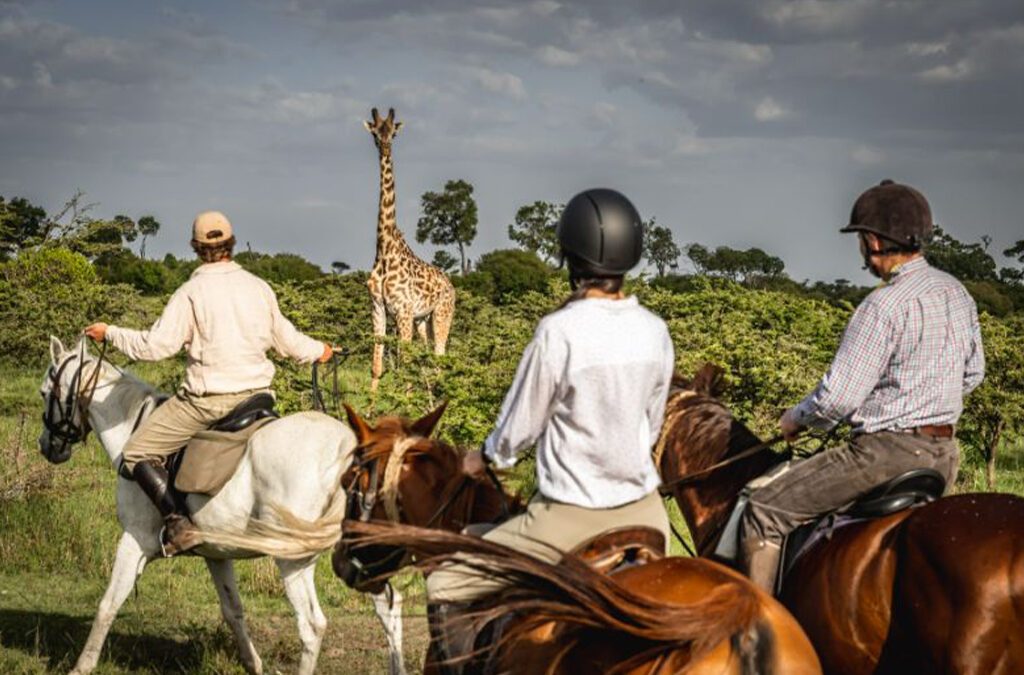
Horse riding in East Africa offers one of the most intimate and rewarding ways to explore the region’s landscapes and wildlife. Unlike traditional game drives, riding on horseback allows you to move quietly through nature, creating a deeper connection with the environment. From sweeping savannahs and volcanic highlands to tropical beaches and riverbanks, East Africa provides diverse riding experiences suited to beginners and experienced riders alike.
Whether you dream of cantering alongside giraffes, trotting through coffee plantations, or riding at sunset along the Indian Ocean, East Africa delivers unforgettable moments on horseback.
Horse Riding Experiences in Kenya
Kenya remains one of the most iconic destinations for horseback safaris in Africa. The country’s open plains, abundant wildlife, and established equestrian culture make it ideal for riding adventures.
In the Maasai Mara, riders experience the thrill of moving across vast grasslands surrounded by grazing zebras, wildebeest, and giraffes. Because horses blend naturally into the landscape, wildlife often allows riders to approach closely. This creates a sense of harmony that is difficult to achieve in vehicles. During certain times of the year, riders may even witness parts of the Great Migration from horseback, a truly powerful experience.
Moving southward, the Great Rift Valley offers a completely different riding atmosphere. Around lakes such as Naivasha and Elementaita, riders pass through acacia woodlands, open savannah, and lakeshore trails filled with birdlife. The scenery changes constantly, making each ride feel fresh and immersive.
In central Kenya, the Laikipia Plateau and the foothills of Mount Kenya provide some of the most scenic horseback riding in the region. Riders enjoy wide open spaces with mountain backdrops while encountering elephants, antelope, and sometimes predators at a safe distance. These areas also support longer riding safaris, where riders journey between wilderness camps over several days.
Along the coast, Diani Beach offers a more relaxed yet equally magical experience. Riding along white sandy beaches with the Indian Ocean stretching endlessly beside you creates a peaceful contrast to inland safaris. Sunset rides here are especially popular and suit riders of all levels.
Horse Riding in Tanzania’s Wild Landscapes
Tanzania combines vast wilderness with dramatic scenery, making it another exceptional horse riding destination.
The Serengeti stands out for riders seeking a classic African safari from the saddle. Its endless plains and seasonal wildlife movements create a sense of freedom and scale unmatched elsewhere. Riding through this ecosystem allows you to witness wildlife behaving naturally, unbothered by engines or crowds.
In northern Tanzania, the foothills of Mount Kilimanjaro offer cooler climates and fertile landscapes. Riders pass through farmland, forest trails, and open plains, all while enjoying views of Africa’s highest peak. These rides often include cultural encounters with local communities, adding depth to the experience.
Near Arusha and the northern highlands, horse riding takes on a gentler pace. Trails wind through coffee plantations, rolling hills, and forest edges. These areas work well for beginners or travelers looking for shorter, scenic rides that combine nature with rural life.
Uganda’s Unique Horseback Safaris
Uganda offers fewer horseback riding locations than Kenya or Tanzania, but what it lacks in quantity it makes up for in uniqueness.
Lake Mburo National Park remains the country’s standout destination for horseback safaris. It is the only national park in Uganda where riders can explore freely among wildlife. Riders move through savannah dotted with acacia trees, encountering zebras, impalas, buffaloes, and abundant birdlife. Because there are no lions in the park, riding feels relaxed yet adventurous.
Further east, Jinja provides a completely different riding experience. Along the Nile River, riders follow scenic trails that combine water views, rolling countryside, and village life. This area suits travelers who want to combine horseback riding with other adventure activities, while still enjoying peaceful moments in nature.
Horse Riding Opportunities in Rwanda
Rwanda’s landscapes, often described as the “Land of a Thousand Hills,” create beautiful conditions for scenic horse riding.
Near Volcanoes National Park, riders explore the foothills of the Virunga Mountains. The terrain features lush forests, farmland, and volcanic slopes, offering cooler temperatures and stunning views. While wildlife encounters are less frequent here, the scenery and sense of tranquility make these rides memorable.
Around Kigali, horse riding experiences focus on countryside trails that showcase Rwanda’s rural charm. These rides provide insight into local life while offering gentle terrain suitable for casual riders.
Zanzibar’s Coastal Horse Riding
Zanzibar adds a tropical twist to horse riding in East Africa. Along the northern beaches, riders travel through coconut plantations, village paths, and open shoreline. The soft sand, ocean breeze, and turquoise waters create a romantic and relaxing atmosphere.
Sunset rides along the beach remain the highlight, as the sky changes color and the ocean reflects the fading light. These rides appeal to both first-time riders and experienced equestrians looking for something different from traditional safaris.
Ethiopia’s Highland Riding Adventures
Ethiopia offers some of the most dramatic horseback riding landscapes in East Africa, especially for adventurous travelers.
In the Bale Mountains, riders traverse high-altitude plateaus, alpine meadows, and remote valleys. The scenery feels vast and untouched, and riders may encounter rare wildlife adapted to these elevations.
The Simien Mountains provide an even more dramatic experience. Riding along escarpments and mountain trails allows travelers to explore rugged terrain while spotting endemic species such as gelada monkeys. These rides feel more like expeditions, appealing to confident riders seeking adventure and solitude.
Practical Tips for Horse Riding in East Africa
Before planning a horseback adventure, riders should honestly assess their skill level and communicate it clearly. While many rides suit beginners, others require confident riding abilities, especially multi-day safaris.
Packing appropriate riding gear improves comfort and safety. Long trousers, sturdy boots, and sun protection are essential, while helmets are strongly recommended. Riders should always follow guides’ instructions, particularly when riding near wildlife.
Booking in advance remains important, especially during peak travel seasons when availability becomes limited.
Conclusion
Horse riding in East Africa offers a deeply immersive way to experience the region’s natural beauty. From Kenya’s wildlife-rich plains and Tanzania’s iconic savannahs to Uganda’s peaceful parks and Zanzibar’s tropical beaches, each destination brings its own character and charm.
Whether you seek adventure, romance, or a quiet connection with nature, exploring East Africa on horseback creates memories that last a lifetime.
